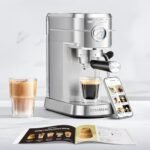
The best prosumer espresso machine blends café control, strong steam, and reliable results at home. This guide to the Best Prosumer Espresso Machine options compares home espresso machines with commercial features to help you choose the right balance of control, steam performance, and value.
You may know the feeling: you buy fresh beans, grind them with care, and still get a weak or bitter shot. A prosumer espresso machine can fix that gap. It gives you better heat control, stronger pressure, and more room to shape each drink than a basic home brewer. I compared build quality, workflow, milk steaming, control, cleaning needs, and long-term value across five popular machines. This guide will help you choose the right fit for your counter, skill level, and daily coffee habit.
Gaggia Classic E24 Espresso Machine
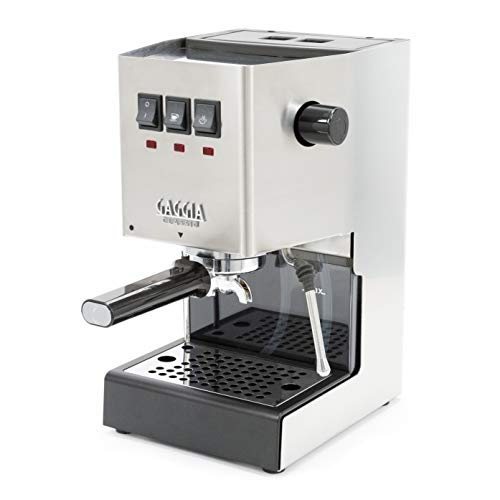
The Gaggia Classic E24 keeps the espresso process simple and hands-on. Its brushed stainless steel body gives it a solid look that fits both small kitchens and serious coffee corners. The machine uses a traditional portafilter, so I can control the dose, tamp, and shot time instead of relying on a sealed pod system. That manual workflow makes it a strong first step into prosumer-style brewing.
The E24 is especially appealing because it does not hide the craft behind too many automatic settings. I can pull a short espresso, steam milk, and adjust my grind as I learn what each bean needs. The machine has a compact footprint, which helps when counter space is tight. It also has the kind of simple design that many home baristas prefer because basic parts are easier to understand and maintain.
Pros:
- Sturdy stainless steel housing suits long-term home use
- Traditional portafilter supports fresh-ground coffee and better control
- Compact size works well in smaller kitchens
- Manual steam wand gives useful control over milk texture
- Simple controls make the learning process clear
- Strong value for beginners moving beyond entry-level machines
Cons:
- It does not offer the convenience of a built-in grinder
- Single-boiler workflow requires waiting between brewing and steaming
- New users may need practice to get consistent shots
My Recommendation
I recommend the Gaggia Classic E24 for a beginner who wants to learn real espresso skills without spending on a large café machine. It is also a good choice for a small household where one or two drinks are made at a time. The manual controls teach useful habits, such as weighing coffee, dialing in the grind, and watching the extraction. Those skills can carry over to more advanced machines later.
This is not the fastest option for a busy family or a person who wants several milk drinks back to back. Still, the Classic E24 offers a friendly mix of price, size, repairable design, and hands-on control. If you want the Best Prosumer Espresso Machine for learning the basics, this Gaggia is one of the safest starting points. Its value remains strong when you already own a capable espresso grinder.
Gaggia Classic Evo Pro Espresso Machine

The Gaggia Classic Evo Pro adds a more polished feel to a familiar manual espresso platform. Its Jungle Green finish gives the machine a distinct look without making it seem flashy or fragile. Like the classic design, it invites me to grind, dose, tamp, brew, and steam by hand. That direct process helps me understand the link between coffee preparation and taste.
This machine makes sense for someone who wants a focused espresso station rather than an appliance full of menus. The commercial-style portafilter and manual steam control can produce rich shots and smooth milk when the grinder and technique are sound. I like that the machine leaves room for improvement instead of trying to automate every step. With fresh beans and a good scale, it can become a rewarding daily tool.
Pros:
- Distinct Jungle Green finish adds character to the kitchen
- Manual brewing gives the user control over extraction
- Commercial-style parts support a more serious workflow
- Steam wand can create microfoam with practice
- Compact body saves valuable counter space
- Good platform for learning café-style espresso technique
Cons:
- A separate espresso grinder adds to the total cost
- Single-boiler design is slower when making several milk drinks
- The bright finish may not suit every kitchen style
My Recommendation
I would choose the Gaggia Classic Evo Pro for a style-conscious home barista who still wants a traditional workflow. It suits people who enjoy the ritual of espresso and do not mind making small adjustments each morning. The green finish is a nice bonus, but the real reason to buy it is the manual control beneath that finish. It gives beginners a clear path to better technique.
For a first prosumer machine, the Evo Pro offers a good balance of size, control, and design. It is less suited to a high-volume home or a user who wants push-button speed. However, if you already have a grinder and want the Best Prosumer Espresso Machine with a personal look, this model deserves close attention. Keep your water fresh, clean the group area often, and it can deliver satisfying results for years.
Nuova Simonelli Musica Espresso Machine

The Nuova Simonelli Musica moves closer to café equipment while staying practical for home use. Its stainless steel design has a clean, professional look, and the machine feels built for people who make espresso often. It uses a heat-exchange style workflow, which lets the user brew espresso and steam milk with less interruption than a basic single-boiler unit. That matters when I make several cappuccinos or lattes for guests.
The Musica also offers a more relaxed workflow for users who do not want to manage a small boiler between every task. Its water reservoir and pour-over design give owners flexibility in how they supply the machine. I find it more suitable for entertaining than compact beginner models because it keeps the pace moving. The larger body does take more room, but that extra space supports better capacity and a more confident brewing routine.
Pros:
- Heat-exchange design supports brewing and steaming in one workflow
- Professional stainless steel body feels durable and stable
- Better suited to making several drinks for guests
- Powerful steam performance helps create textured milk
- Large, café-inspired design adds confidence to the setup
- Pour-over capability can help users manage water supply needs
Cons:
- It costs more than compact single-boiler machines
- Larger size needs more counter and storage space
- It may offer more capacity than a single espresso drinker needs
My Recommendation
The Nuova Simonelli Musica is best for a serious home barista, a couple that makes many drinks, or a host who often serves coffee after dinner. I would also consider it for a small office where several people want espresso during the day. Its stronger workflow reduces the stop-and-start feeling found on smaller machines. That makes the machine feel less like a hobby tool and more like a home café station.
You still need a good grinder, fresh beans, and a little practice. No machine can rescue a poor grind or stale coffee. But when the setup is right, the Musica provides the speed and steam strength that many buyers seek in the Best Prosumer Espresso Machine category. It costs more, yet its capacity and polished operation may justify that price for active users.
Rocket Appartamento TCA Espresso Machine

The Rocket Appartamento TCA targets buyers who care about both espresso quality and machine design. Its stainless steel and black finish gives it a bold, modern appearance, while the compact layout keeps it from taking over the counter. The TCA platform is designed for users who want more control than an automatic machine can provide. It feels like a serious centerpiece for a home coffee bar.
This Rocket uses a heat-exchange approach, so I can prepare espresso and steam milk without the long pause common with entry-level single boilers. Its controls are still manual, which means the grinder, dose, tamp, and timing remain important. The machine rewards calm, repeatable technique rather than rushed button presses. I see it as a strong upgrade for someone who has already learned the basics and wants a more refined daily setup.
Pros:
- Eye-catching stainless steel and black design
- Heat-exchange workflow suits milk drinks and entertaining
- Compact footprint for a prosumer-style machine
- Strong steam power supports café-style foam
- Manual controls allow detailed recipe changes
- Premium build gives the machine a stable, solid feel
Cons:
- Premium pricing may not suit a beginner budget
- It does not include a built-in grinder
- Manual heat management still requires a learning period
My Recommendation
I recommend the Rocket Appartamento TCA for the buyer who wants a beautiful machine that can also handle demanding home use. It is a good fit for experienced espresso drinkers who already understand grind adjustment and milk steaming. The heat-exchange design helps when I make lattes for more than one person. The compact shape is useful when I want prosumer performance without a huge commercial-style frame.
This is not the most economical pick, and its looks alone should not decide the purchase. The buyer should also budget for a capable grinder, a tamper, a scale, and regular care. For someone ready to invest, the Appartamento TCA can be a memorable Best Prosumer Espresso Machine choice. It combines strong workflow, useful steam power, and a design that feels special every morning.
Breville Barista Express Espresso Machine

The Breville Barista Express takes a different path from the other machines here. It combines an espresso brewer with a built-in conical burr grinder, so I can start with fewer separate pieces. That all-in-one design makes the setup less intimidating for new home baristas. The brushed stainless steel body also gives the machine a familiar, polished look.
The built-in grinder is the main reason many people choose this model. I can adjust the grind, dose the portafilter, brew the shot, and steam milk from one compact station. Its pressure display offers a helpful visual guide, although the grinder and coffee dose still need careful adjustment. For a beginner, the Barista Express feels like a bridge between a simple automatic brewer and a more advanced prosumer setup.
Pros:
- Built-in burr grinder saves space and extra equipment costs
- Pressure gauge gives useful feedback during extraction
- Manual steam wand supports latte art practice
- Many grind settings help users adjust for different beans
- Integrated dosing workflow keeps the counter less cluttered
- Strong beginner appeal and broad accessory support
Cons:
- The built-in grinder has less upgrade flexibility than a separate grinder
- Thermal recovery can slow down repeated milk drinks
- More integrated parts can make future upgrades less simple
My Recommendation
The Breville Barista Express is best for a first-time buyer who wants an easy path into fresh-ground espresso. It suits apartments, small kitchens, and people who do not want to choose a grinder and machine separately. I especially like it for users who want to learn without building a full coffee station on day one. The pressure gauge and guided layout make the early lessons less confusing.
Experienced users may eventually want a stronger standalone grinder or a machine with more advanced temperature control. Still, the Barista Express remains one of the most practical choices in the Best Prosumer Espresso Machine discussion. It puts many useful tools in one package and usually offers good everyday value. Keep the grinder clean and replace the water filter as directed for the best long-term experience.
How to Choose the Best Prosumer Espresso Machine
Choosing an espresso machine is easier when I start with my daily routine instead of the machine’s appearance. A machine that looks impressive may still frustrate me if it heats too slowly or lacks the steam power I need. I first ask how many drinks I make, how often I use milk, and whether I enjoy manual control. These simple questions narrow the field quickly.
Think About Boiler Design
Boiler design affects speed and ease of use. A single-boiler machine can brew espresso and steam milk, but it usually must switch between those jobs. That works well for one or two drinks, especially when the buyer wants a compact and lower-cost machine. A heat-exchange machine can brew and steam with a smoother flow, which helps busy homes and guests.
Some higher-end machines use dual boilers. This design gives separate control for brewing and steaming, but it often increases size, price, and power use. Not every home barista needs that level of capacity. I would rather see a buyer choose a well-matched single boiler than pay for features that sit unused.
Do Not Ignore the Grinder
The grinder may affect the cup more than the espresso machine. Espresso needs a fine, even grind, and small changes can alter shot time and flavor. A weak grinder can create a mix of dust and large pieces, which leads to uneven extraction. That is why the Gaggia, Rocket, and Nuova Simonelli models make more sense with a separate quality grinder.
The Breville Barista Express includes a grinder, which saves space and makes the first purchase easier. It may not offer the same upgrade path as a separate grinder, but it can produce useful results when set up well. I suggest buying the best grinder that fits the budget rather than spending every dollar on the machine body. Fresh grinding remains one of the biggest upgrades for home espresso.
Check Steam Power and Wand Control
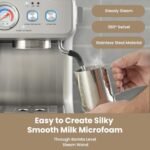
Milk drinks need more than hot water. A good steam wand should create a fine, glossy texture instead of large bubbles. Strong steam also reduces the time needed to heat milk. Beginners may find a manual wand harder at first, but it teaches better control and can support latte art later.
If I mostly drink straight espresso, steam power may not matter as much. If I make cappuccinos every morning, I should give it high priority. The Musica and Rocket are especially appealing for milk-heavy routines. The Gaggia models work well too, but their single-boiler workflow asks for more patience.
Consider Counter Space and Water Access
Measure the counter before ordering. Include room above the machine for filling the reservoir and room beside it for a grinder. A machine may fit from front to back but still feel crowded when the portafilter and milk pitcher are in use. I also leave space for a knock box, scale, and towel.
A reservoir is convenient for most homes. A pour-over option adds flexibility for users who want a different water setup. Regardless of the design, use clean water and follow the care instructions. Hard water can leave mineral scale inside the heating system, which may affect heat, flow, and machine life.
Look for Useful Control, Not Just More Buttons
More buttons do not always mean better espresso. Useful control includes stable heat, a clear brew switch, a workable steam valve, and a portafilter that supports proper dosing. A pressure gauge can help, but it should not replace taste and shot time. I use the gauge as a clue, not as the final judge.
Manual machines reward repeatable habits. I weigh the coffee, distribute it evenly, tamp level, and watch the stream. I then taste the shot and adjust one thing at a time. That process may seem slow at first, but it turns espresso from guesswork into a small, enjoyable routine.
Plan for Cleaning
Every espresso machine needs care. Wipe and purge the steam wand after each milk drink. Rinse the portafilter and basket, empty the drip tray, and backflush when the manual calls for it. Remove coffee oils before they become stale flavors.
Descaling depends on water hardness and the manufacturer’s instructions. I do not descale on a random schedule because excessive treatment can be unhelpful on some machines. A water filter, fresh water, and regular rinsing can reduce buildup. Good care costs little compared with a repair or a poor cup every morning.
Best for Comparison
| Best for | Why |
|---|---|
| Learning manual espresso | Gaggia Classic E24 offers simple controls and direct feedback. |
| Making several milk drinks | Nuova Simonelli Musica provides a faster heat-exchange workflow. |
| All-in-one convenience | Breville Barista Express includes a built-in burr grinder. |
Espresso Tips for Better Results
Even the Best Prosumer Espresso Machine needs a good starting recipe. I begin with fresh beans and a clean basket. I weigh the dry coffee and the liquid espresso when possible. A common starting point is a ratio near one part coffee to two parts espresso, but each roast may need a different balance.
If the shot runs too fast, I usually make the grind finer or check whether the dose is too low. If it runs too slowly, I may grind slightly coarser. I change one variable at a time so I know what helped. Small steps work better than large guesses.
Tamping should be level and firm, but extreme force will not fix an uneven grind. Distribution matters because water seeks the weakest path through the coffee bed. I use a simple distribution tool or gently settle the grounds before tamping. A clean basket also helps water move in a steady way.
Milk steaming takes patience. I place the wand tip just under the milk surface for a short stretch to add air. Then I lower the tip slightly and create a smooth whirlpool. When the pitcher feels hot but not painful to hold, I stop and pour at once. The goal is paint-like milk, not stiff foam.
What I Like About Prosumer Espresso Machines
Prosumer machines sit between basic home appliances and full commercial units. They often use stronger parts, larger boilers, better steam systems, and more durable portafilters. They also give the user more control over the drink. That control is the heart of the appeal.
I can change the recipe when I switch from a light roast to a dark roast. I can make a short, rich shot or a longer drink with more volume. I can steam milk for a flat white, cappuccino, or latte. The machine becomes less like a coffee button and more like a small kitchen instrument.
The trade-off is that prosumer machines ask more from the owner. I need to learn grind size, dose, tamp, temperature, and cleaning. Results may vary while I build those skills. That learning curve is not a flaw for most buyers; it is part of the reward.
Which Machine Offers the Best Value?
Value depends on what is already in the kitchen. If I own a good grinder, the Gaggia Classic E24 or Evo Pro can offer excellent entry value. I avoid paying for a second grinder and spend more of the budget on beans and accessories. These machines also take up less space than larger heat-exchange models.
If I need a grinder today, the Breville Barista Express has a clear advantage. One unit can grind, dose, brew, and steam. That makes it easier to start, though a separate grinder may be a future upgrade. The machine works well for buyers who value a neat setup and a guided learning path.
The Nuova Simonelli Musica and Rocket Appartamento TCA cost more, but they serve a different type of user. They make more sense when milk drinks, entertaining, and faster workflow matter every week. Their value comes from capacity, steam strength, design, and a more café-like feel. Buying the right machine for the routine is more important than chasing the highest price.
For a useful reference when comparing espresso equipment, review the Specialty Coffee Association’s standards for espresso machines.
FAQs Of Best Prosumer Espresso Machine
What is a prosumer espresso machine?
A prosumer espresso machine is a home machine with features and build quality that sit near commercial equipment. It usually gives more manual control, stronger steaming, and better durability than a basic home model. The owner still needs a good grinder and sound technique.
Is a prosumer machine good for beginners?
Yes, but the best beginner choice should match your patience. The Gaggia Classic E24 and Breville Barista Express offer approachable ways to learn. A new user should expect a short practice period before every shot becomes consistent.
Do I need a separate grinder?
Usually, a separate espresso grinder gives the most room to improve. The Gaggia, Rocket, and Nuova Simonelli machines do not replace that need. The Breville Barista Express includes a grinder, so it is a useful all-in-one choice for smaller spaces and simpler setup.
Which machine is best for milk drinks?
The Nuova Simonelli Musica and Rocket Appartamento TCA are strong options for frequent milk drinks. Their heat-exchange workflow helps reduce waiting between brewing and steaming. The Gaggia models can steam milk well, but they require more timing and patience.
How often should I clean an espresso machine?
Wipe and purge the steam wand after every use. Rinse the portafilter and basket each day, and follow the machine manual for backflushing and descaling. Clean water and regular care help protect flavor and machine performance.
Final Verdict: Which Should You Buy?
For most buyers, the Breville Barista Express is the best prosumer espresso machine because its grinder, controls, and compact design simplify the learning curve. Choose the Rocket or Musica for heavier use and stronger steam.
Choose Gaggia for hands-on value and small counters. With fresh beans, a good routine, and regular care, any pick here can make café-style espresso at home.
Read more: Best Milk for Frothing: Top Picks for Perfect Coffee Foam