The best Counter Depth French Door Refrigerator blends a sleek fit, smart storage, steady cooling, and easy daily use. This guide compares counter depth refrigerator options to help you evaluate size, storage, features, and overall fit before buying.
A full-depth refrigerator can crowd a narrow kitchen and block nearby drawers, doors, or walkways. A Counter Depth French Door Refrigerator solves that problem by sitting closer to the cabinet line while keeping fresh food at eye level. I have found that the right model can make meal prep feel calmer because wide shelves, split doors, and a bottom freezer keep food in view. Still, depth, capacity, ice design, finish, and shelf layout matter more than flashy features. The four models below offer different strengths for families, couples, small kitchens, and shoppers who want dependable GE or KoolMore design.
KoolMore 18.5 cu. ft. French Door Refrigerator

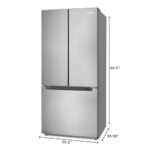
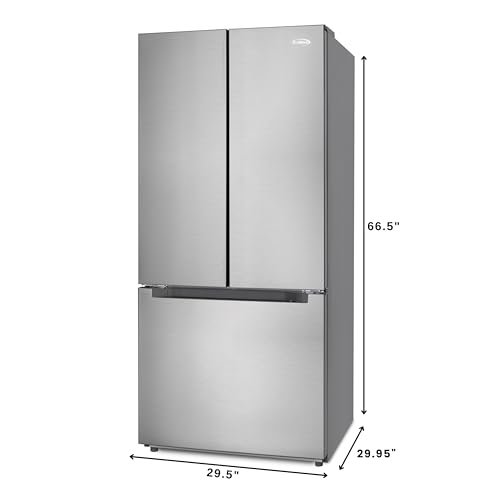
The KoolMore KM-RERFDSS-18C is a compact Counter Depth French Door Refrigerator made for kitchens that cannot spare extra inches. Its 30-inch width and listed 18.5-cubic-foot capacity create a useful balance between footprint and storage. The three-door layout places the freezer below the fresh-food section, so I can reach milk, produce, and leftovers without bending down. Its stainless-steel look also gives a small kitchen a clean, modern face.
This model makes sense for an apartment, condo, office, or smaller family kitchen. The counter-depth body should help reduce the bulky look that many standard refrigerators create. I would measure the opening, hinge area, and delivery path before ordering because counter depth does not mean flush depth. Capacity is more limited than the larger GE models, but the smaller size can prevent food from getting lost in deep corners.
Pros:
- 30-inch width suits many narrow kitchen openings
- Counter-depth design creates a neater cabinet line
- French door layout keeps fresh food easy to see
- Bottom freezer separates frozen food from daily items
- 18.5 cubic feet offers practical space for smaller homes
- Stainless-steel finish fits many modern kitchen styles
Cons:
- Lower capacity may feel tight for a large family
- Smaller models may require more careful food planning
- Buyers should confirm water, ice, and installation details before purchase
GE Profile 21.9 cu. ft. French Door Refrigerator

The GE Profile 21.9-cubic-foot model is a strong choice for shoppers who want more room without moving to a full-depth body. Its French door design gives the fresh-food compartment a wide opening, while the internal dispenser keeps the outside smooth and less busy. I like this approach because an internal dispenser protects the clean look of the fingerprint-resistant stainless finish. It also reduces the need to reach through a crowded door shelf for water.
The extra capacity gives this GE Profile model a useful edge over the 18.5-cubic-foot KoolMore. It should suit a couple, small family, or frequent grocery shopper who wants a balanced layout. I would still check shelf height before buying if you often store tall bottles, large pitchers, or wide serving trays. As with any refrigerator, the advertised capacity describes total storage, not one large open box, so drawers and shelves affect how much usable space you feel each day.
Pros:
- 21.9 cubic feet gives more storage than compact options
- Internal dispenser keeps the exterior clean and simple
- Fingerprint-resistant stainless steel helps hide daily marks
- French doors provide a wide fresh-food opening
- Counter-depth form helps limit the forward projection
- GE Profile styling suits updated kitchens
Cons:
- Internal dispenser requires opening the refrigerator door
- Higher capacity can mean a wider or taller installation footprint
- Door and drawer clearance still needs careful measuring
GE 22.1 cu. ft. French Door Counter-Depth Refrigerator

The GE GYE22GYNFS offers 22.1 cubic feet of total capacity in a 36-inch French door format. It includes a space-saving ice maker and showcase LED lighting, two details that can improve everyday use. Bright interior lighting helps me spot small jars and produce before they spoil. The wide cabinet also gives cooks more room for meal prep items, trays, and large food containers.
This refrigerator is built for shoppers who want a roomy fresh-food area but still prefer a counter-depth appearance. The space-saving ice maker is helpful because ice equipment can consume valuable freezer or door space. I would pay close attention to the 36-inch width, cabinet opening, and door swing before delivery. A wide refrigerator can look excellent after installation, but it can be difficult to move through a tight doorway or turn in a narrow hall.
Pros:
- 22.1 cubic feet offers the most listed capacity in this group
- 36-inch width supports broad shelves and easy food access
- Space-saving ice maker protects valuable storage room
- Showcase LED lighting improves visibility inside
- French door design works well for wide platters
- Counter-depth styling reduces the deep appliance look
Cons:
- 36-inch width needs a generous kitchen opening
- Large exterior may not suit compact apartments
- More capacity can encourage overfilling and hidden food
GE 18.6 cu. ft. French Door Refrigerator

The GE GWE19JYLFS is an 18.6-cubic-foot Counter Depth French Door Refrigerator for buyers who want a familiar brand in a smaller format. Its fingerprint-resistant stainless-steel exterior aims to keep the front looking tidy during busy weeks. The French door layout places common foods at a comfortable height and separates the freezer below. For a couple or small household, this size can feel easier to organize than a very large refrigerator.
This model is especially appealing when kitchen space matters more than maximum capacity. A smaller refrigerator can also help me shop with a plan instead of storing forgotten food for weeks. I recommend checking the complete product dimensions and installation requirements, including rear clearance and door opening space. Buyers should also confirm whether the exact listing includes the dispenser or ice features they want, since model details can vary by version and market.
Pros:
- 18.6 cubic feet suits couples and small households
- Counter-depth body supports a built-in visual effect
- Fingerprint-resistant stainless steel is easier to maintain
- French door access keeps daily foods at a useful height
- GE brand familiarity may simplify service research
- Smaller storage area can reduce forgotten food
Cons:
- Capacity may not satisfy large families or bulk shoppers
- Less room exists for oversized party trays
- Exact ice and dispenser features should be verified before purchase
My Recommendation
After comparing the layout, size, and intended use, I would choose the GE GYE22GYNFS for a family that wants the most room in this group. Its 22.1-cubic-foot capacity, wide 36-inch design, space-saving ice maker, and showcase LED lighting make it a well-rounded kitchen workhorse. It is not the best fit for a narrow apartment, but it gives busy households more breathing room. The GE Profile 21.9-cubic-foot model is a close alternative for shoppers who prefer an internal water dispenser and a quieter-looking exterior.
The KoolMore is the practical pick for a 30-inch opening or a smaller home. It offers a useful three-door layout without asking the kitchen to make room for a broad 36-inch cabinet. The GE GWE19JYLFS is better for couples or small households that prefer a compact GE appliance and do not need large storage. Before I buy any Counter Depth French Door Refrigerator, I measure the opening, hallway, hinge clearance, and countertop depth instead of trusting the word “counter depth” alone.
| Best for | Why |
|---|---|
| Large family or frequent grocery trips | GE GYE22GYNFS offers the highest listed capacity, wide shelves, LED lighting, and a space-saving ice maker. |
| Small kitchen or 30-inch opening | KoolMore KM-RERFDSS-18C uses a narrower 30-inch format while keeping a French door and bottom-freezer layout. |
| Couples who want a clean GE design | GE GWE19JYLFS provides compact 18.6-cubic-foot storage with fingerprint-resistant stainless steel. |
How I Evaluate a Counter Depth French Door Refrigerator
Shopping for a refrigerator is not only about counting cubic feet. I look at how the shelves, bins, doors, drawers, and freezer work together during a normal week. A refrigerator may have a large advertised capacity but still feel cramped if shelves sit too close together. I also consider the room around the appliance because a beautiful model is frustrating when its doors hit a wall.
I use the same basic checks for every model. I compare external size, storage layout, ice placement, lighting, finish, access, and likely cleaning needs. I also review the maker’s listed specifications instead of guessing from product photos. Product pages can change, so I suggest checking the current Amazon listing and installation guide before placing an order.
Measure More Than the Cabinet Opening
Start with the width, height, and depth of the available opening. Then measure the path from the front door to the kitchen. Include hallways, corners, stair rails, and elevator doors if needed. A refrigerator can fit the final space but fail during delivery because a doorway is too narrow.
Depth needs special care. Counter-depth models usually sit closer to cabinets than standard-depth models, but the doors and handles still extend forward. The rear water line and power cord also need room. Leave enough space for ventilation and follow the maker’s required clearance rather than pushing the cabinet tight against the wall.
Do not forget door swing. French doors need room to open, and lower freezer drawers need space in front. If one side sits next to a wall, check whether the door can open far enough to remove bins and shelves. This simple step can prevent a costly return or a daily struggle with the crisper drawer.
Understand Capacity in Real Use
Refrigerator capacity is measured in cubic feet, but the number does not tell the full story. A 22.1-cubic-foot refrigerator can feel more useful than a larger unit if its shelves are well placed. Wide shelves help with platters, while adjustable shelves help with tall bottles. Door bins offer quick access, but they should not carry every heavy item.
Families who cook at home may value fresh-food space more than freezer space. People who buy frozen meals, meat, or bulk items may want a larger freezer instead. I suggest making a quick list of what you store most often: gallon jugs, lunch boxes, produce, drinks, leftovers, or frozen bags. Then compare that list with the shelf and drawer layout.
A counter-depth refrigerator may hold slightly less than a similar full-depth model. That trade-off is often worthwhile in a tight kitchen. The appliance looks less like a large box and leaves more room to walk. The best size is the one that serves your shopping habits without stealing useful floor space.
Why French Doors Work Well
French doors split the fresh-food door into two smaller panels. I find this useful in narrow kitchens because the doors need less swing space than one wide door. You can open one side for milk or condiments and keep the other side closed. This may also limit the amount of cold air that escapes during quick visits.
The lower freezer keeps frozen food separate from fresh food. It is convenient for people who use the refrigerator several times a day. The trade-off is that you must bend down to reach frozen items. A freezer drawer can also hide small packages, so bins and simple labels help.
Door storage is another key point. Large bins can hold bottles, sauces, and jars, but they become heavy quickly. Place taller items where the door supports them well, and keep delicate foods on stable shelves. I never treat the door as the coldest part of the refrigerator because temperature can vary by location.
Cooling and Food Safety Basics
The United States Department of Agriculture advises keeping a refrigerator at 40°F or below and a freezer at 0°F. A built-in control display can help, but I prefer checking with a separate appliance thermometer. The reading tells me what the food area actually maintains, not only what the control panel intends.
Do not pack food tightly against air vents. Cold air needs to move around the cabinet. At the same time, an almost empty refrigerator can change temperature more quickly when the door opens. A balanced load, closed doors, and regular cleaning help the appliance work as intended.
Place leftovers in shallow containers and refrigerate them within a safe time after cooking. Keep raw meat sealed and stored below ready-to-eat foods when possible. These habits matter more than a polished finish or a long feature list. A well-designed Counter Depth French Door Refrigerator supports safe storage, but it cannot replace good food handling.
Ice Makers and Water Dispensers
Ice features deserve more attention than they usually get. A space-saving ice maker can protect freezer room, while an internal dispenser can keep the outside door smooth. An external dispenser gives fast access to water and ice but adds another opening, control panel, and area to wipe. I choose based on how often my household uses chilled water.
Before installation, confirm whether the kitchen has a suitable water line. Ask whether a filter is included, where it sits, and how often the maker recommends changing it. Filter costs can add up over the life of the appliance. If you do not need a water connection, look for a model and setup that can operate without one, but verify the manual first.
Ice makers can make noise during fill and harvest cycles. That sound is normal for many refrigerators, though a sudden loud sound or poor ice production may signal a problem. Keep the ice bin clear and follow the cleaning instructions. Never force a stuck ice clump with a sharp tool because you may damage the bin or mechanism.
Lighting and Visibility
LED lighting has become a valuable practical feature. It uses little power and makes the refrigerator easier to scan. Good lighting can help me use food before it passes its best quality. It also reduces the need to hold a phone light over the top shelf.
Lighting cannot fix poor organization, so I still group similar foods. I keep breakfast items together, place snacks in one bin, and reserve a clear shelf for leftovers. Clear containers and labels make even a modest 18.5-cubic-foot refrigerator feel less cluttered. The goal is not a showroom; the goal is finding food without moving six containers first.
Finish and Daily Cleaning
Stainless steel remains popular because it works with many cabinet colors. Fingerprint-resistant finishes can reduce visible smudges, but they are not always mark-proof. Use a soft cloth and follow the manufacturer’s care directions. Abrasive pads and harsh cleaners can dull the finish or leave scratches.
Clean spills quickly, especially around drawer seals and door shelves. Remove bins only as the manual allows, and let glass shelves warm slightly before washing them if the instructions warn against sudden temperature changes. Clean door gaskets with mild soap and water. A clean gasket helps the door seal and can reduce wasted cooling.
Energy Use and Long-Term Cost
Purchase price is only one part of refrigerator cost. Energy use, filters, repairs, water-line work, and delivery can affect the long-term total. The U.S. Department of Energy explains that refrigerator efficiency depends on factors such as size, configuration, and use. I compare the yellow EnergyGuide label when available because it gives an estimated yearly energy cost under set test conditions.
Do not assume a smaller refrigerator always uses less energy. Features, insulation, ice systems, temperature settings, and design all matter. A full freezer and sensible temperature setting can support efficient operation. Keep the unit away from strong heat sources when possible, and leave the required airflow space around it.
An ENERGY STAR label can help identify models that meet the program’s efficiency criteria, but shoppers should confirm the exact model number. Similar-looking appliances may have different versions. I also check warranty terms and local service access. A low price is less attractive if parts or support are hard to find.
Installation and Delivery Tips
Plan installation before the truck arrives. Clear the path, protect the floor, and remove fragile items near the opening. Measure the appliance box as well as the refrigerator when possible. Delivery teams may need extra room to tilt or turn the unit.
After placement, let the refrigerator stand for the time stated in the instructions if it traveled on its side. Connect the water line only with approved parts and check for leaks. Level the cabinet so doors close properly and drawers move smoothly. Do not load it fully until it reaches the recommended temperature.
Read the setup guide before using the ice maker. Many units need the first batches of ice discarded after installation. That step helps flush the line and remove harmless manufacturing or plumbing tastes. If water pressure or line size falls outside the required range, ice and dispenser performance may suffer.
Common Buying Mistakes
The first mistake is buying by appearance alone. A refrigerator may look slim in a photo but be too wide, tall, or deep for the room. The second mistake is ignoring handle and hinge clearance. The third is choosing maximum capacity when the household really needs better shelf access.
Another mistake is overlooking noise and maintenance. Every refrigerator makes some sound, but open-plan kitchens make those sounds more noticeable. Ask whether the listing provides noise information, and read the manual for cleaning tasks. Ice makers, water filters, coils, and door seals all deserve regular attention.
Some shoppers also expect counter depth to mean built-in. It does not. Built-in refrigerators use a different installation class and may sit more flush with surrounding cabinets. A Counter Depth French Door Refrigerator usually offers a middle ground: a shallower appearance at a more familiar price and design.
Which Size Fits Your Home?
The 18.5- and 18.6-cubic-foot models in this review make sense for smaller kitchens and modest households. They can reduce waste because food stays visible. They may feel tight during holidays or bulk shopping, so plan for that change. A second freezer or cooler may be useful for occasional large events.
The 21.9- and 22.1-cubic-foot models give more room for families. They can hold more fresh food, meal-prep containers, and drinks. The GE GYE22GYNFS needs a 36-inch space, while the GE Profile model may suit shoppers who want a larger layout with an internal dispenser. Always verify the current manufacturer dimensions before purchase.
Capacity should match shopping rhythm. A person who visits the store every few days may prefer a compact model. A family that shops once a week may need the larger cabinet. I would rather see a smaller refrigerator organized well than a huge refrigerator filled with expired food.
How to Organize a French Door Refrigerator
Keep milk and other highly perishable dairy items on an interior shelf rather than the door when possible. Door temperatures can change more often. Use the crisper drawers for produce and adjust humidity controls based on the food type. Keep fruit and vegetables separate if the drawer design supports that plan.
Store leftovers in clear, dated containers. Put newer food behind older food so the older items get used first. Reserve one area for foods that need to be eaten soon. This small habit turns the refrigerator into a visual reminder instead of a cold storage maze.
Use freezer bins for meat, vegetables, breakfast foods, and desserts. Keep flat packages upright or stacked by type. Label items with the date. A bottom freezer works best when you treat it like a filing cabinet, not a deep box.
Warranty, Returns, and Service
Large appliances require more planning than small kitchen gadgets. Review the warranty period, covered parts, labor terms, and exclusions. Check who handles service in your area. A manufacturer with a clear support path can save time when a water valve, control board, or seal needs attention.
Amazon listings may show delivery, return, and protection-plan information that changes over time. Read the current terms before checkout. Inspect the refrigerator and packaging soon after delivery. Photograph dents, scratches, or damaged cartons, and report problems through the correct channel.
Do not remove protective film until you are sure the finish is correct and the doors align. Confirm that shelves, bins, and manuals arrived with the unit. A careful inspection at delivery is easier than discovering a missing part after the old refrigerator is gone.
For additional refrigerator efficiency and buying guidance, see the official ENERGY STAR refrigerator recommendations.
FAQs Of Counter Depth French Door Refrigerator
What does counter depth mean?
Counter depth means the refrigerator cabinet is designed to project less than a standard-depth model. The doors and handles may still extend beyond the counters. Always compare full product dimensions, including handles and required clearance.
Is a French door refrigerator good for a small kitchen?
Yes, especially when the doors split the swing area and the model matches the opening. A 30-inch model can suit some compact kitchens, while a 36-inch model needs more room. Measure before buying.
Which size is best for a family of four?
Many families prefer about 20 to 25 cubic feet, but shopping habits matter. The 21.9- and 22.1-cubic-foot models in this review offer more room than the 18.5- and 18.6-cubic-foot options. Check the shelf layout, not only the capacity number.
Are internal water dispensers better than external dispensers?
An internal dispenser keeps the door cleaner and simpler. An external dispenser gives faster access without opening the door. Choose the design that matches how often your household uses chilled water.
How do I keep a refrigerator energy efficient?
Set safe temperatures, keep the doors closed, allow proper airflow, and clean the unit as directed. Avoid placing it beside a strong heat source. Compare the model’s EnergyGuide information for a more useful cost estimate.
Final Verdict: Which Should You Buy?
The GE GYE22GYNFS is the best overall pick for families who want maximum listed capacity, LED lighting, and a space-saving ice maker. Choose the KoolMore for a narrower kitchen, or the GE GWE19JYLFS for a smaller household.
The right Counter Depth French Door Refrigerator should fit your room and your habits. Measure first, compare features, and check current availability before ordering.
Read more: Dark Kitchen Furniture: Stylish, Functional Pieces to Transform Your Space