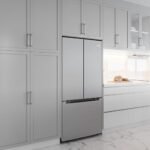
The best Counter Depth Side By Side Refrigerator saves space while keeping fresh and frozen food easy to reach. This guide compares counter depth refrigerators and the features that matter most when choosing the right model for your kitchen.
A deep refrigerator can make a small kitchen feel cramped, block a walkway, and hide food behind other food. A counter-depth side-by-side refrigerator solves much of that problem by sitting closer to the cabinet line and using slim, easy-swing doors. I looked at capacity, layout, controls, ice and water features, fit, and daily use to compare these four models. Each one has a different strength, so the right pick depends on your kitchen size, storage needs, and budget.
LG 27 Cu. Ft. Side-by-Side Refrigerator

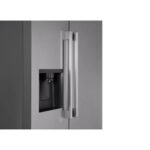
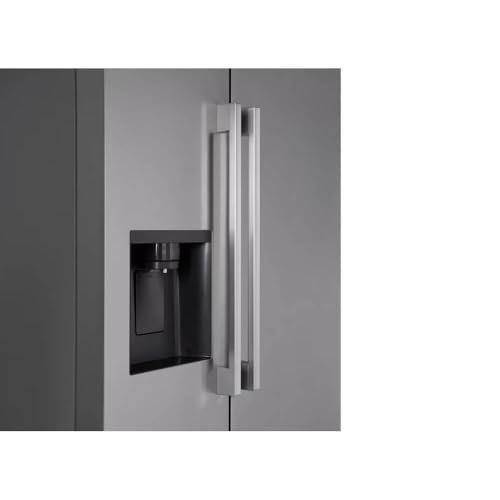
The LG LS27T3230S offers a large 27-cubic-foot layout for shoppers who need serious storage. Its side-by-side design keeps frozen food at eye level instead of sending you down to a bottom drawer. I also like the slim in-door ice maker because it aims to leave more usable room in the freezer compartment. The PrintProof stainless finish should help reduce the look of fingerprints in a busy home.
This model is listed as standard depth, not true counter depth, so buyers should measure carefully before ordering. Its Wi-Fi feature may appeal to people who like connected appliance controls and status alerts. The in-door dispenser gives quick access to chilled water and ice without opening the main doors. For a large family, this LG can feel like a well-stocked pantry, but its full depth may extend past nearby cabinets.
Pros:
- Large 27-cubic-foot capacity for family shopping
- Slim in-door ice maker may preserve freezer shelf space
- Exterior water and ice dispenser adds daily convenience
- Wi-Fi connectivity supports smart monitoring and control
- PrintProof stainless finish helps hide light smudges
- Side-by-side layout keeps both fresh and frozen foods visible
Cons:
- Standard-depth design may project beyond the counter line
- Large exterior size requires careful door and hallway measurements
- Side-by-side freezer shelves can be narrow for wide frozen items
Hamilton Beach 15.6 Cu. Ft. Counter-Depth Refrigerator

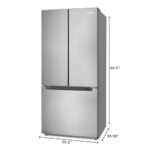
The Hamilton Beach HBF1558 is a compact full-size refrigerator with a 15.6-cubic-foot capacity. Its counter-depth body suits apartments, smaller kitchens, offices, and homes where every inch matters. The side-door design gives the room a cleaner look and can make narrow walkways easier to use. Its stainless exterior also fits well with many common kitchen finishes.
This refrigerator focuses on core cooling and storage rather than app controls or elaborate smart features. That simple approach can be useful for shoppers who want fewer settings to manage. The smaller interior will not match the storage of a 25- or 27-cubic-foot unit, but it may reduce wasted space for one or two people. I would view this as a practical Counter Depth Side By Side Refrigerator for light grocery loads and compact floor plans.
Pros:
- Counter-depth format helps save front-to-back kitchen space
- 15.6-cubic-foot capacity fits smaller households well
- Side-by-side doors work well in tighter walkways
- Stainless finish gives the unit a clean, modern appearance
- Simple design may be easier for users who avoid smart features
- Smaller size can make shelves easier to see and reach
Cons:
- Less storage than most large family refrigerators
- Limited freezer width may not fit large pizza boxes flat
- Feature set is more basic than connected premium models
Forno Salerno 33-Inch Built-In Refrigerator

The Forno Salerno is a 33-inch built-in-style side-by-side refrigerator with 15.6 cubic feet of listed capacity. Its narrower width can suit a kitchen opening that cannot accept a wide 36-inch appliance. Interior LED lighting should make it easier to spot small jars, produce, and frozen packages. Adjustable glass shelves also let you change the layout as your shopping habits change.
Digital temperature controls give this model a more polished feel than a basic compact refrigerator. The stainless finish may blend into a modern cabinet plan, especially when the refrigerator sits in a planned opening. As with any built-in or built-in-style appliance, I would confirm the cutout size, ventilation needs, hinge clearance, and installation method before purchase. This Counter Depth Side By Side Refrigerator is most appealing to shoppers who value a neat fit over maximum capacity.
Pros:
- 33-inch width can fit narrower kitchen openings
- Built-in-style design supports a more integrated appearance
- LED interior lighting improves shelf visibility
- Digital temperature controls allow more direct adjustment
- Adjustable glass shelves support flexible food storage
- 15.6-cubic-foot size works for smaller grocery routines
Cons:
- Capacity may feel small for a large household
- Built-in installation requires close measurement and planning
- Wide containers may be harder to store in a narrow side-by-side layout
Midea 24.5 Cu. Ft. Counter-Depth Refrigerator

The Midea MRS25I7BST gives shoppers a useful middle ground with 24.5 cubic feet of listed capacity. It has more room than the compact Hamilton Beach and Forno models while keeping a counter-depth profile. The side-by-side layout puts fresh food and frozen food in separate vertical zones, which can make meal planning simple. Stainless construction also gives it the neutral look many homeowners want.
One standout feature is the AutoFill water pitcher, which can fill itself when placed in its docking area. That may be handy for families that drink cold water often but do not want to use the external dispenser for every glass. The larger capacity suits regular grocery trips, though side-by-side shelves still favor smaller packages over wide trays. For many buyers, this is the most balanced Counter Depth Side By Side Refrigerator in the group.
Pros:
- 24.5-cubic-foot capacity suits many families
- Counter-depth body helps create a less bulky kitchen profile
- AutoFill water pitcher adds a convenient cold-water option
- Side-by-side layout keeps frozen food at a comfortable height
- Stainless exterior fits many kitchen designs
- Good balance between storage space and kitchen footprint
Cons:
- Side-by-side compartments may limit storage of wide dishes
- AutoFill pitcher needs cleaning and correct placement
- Actual fit depends on door, handle, hinge, and ventilation clearance
My Recommendation
After comparing the four models, I see three clear buying paths. The Midea is the strongest all-around choice for a household that wants useful capacity without the deep look of a standard refrigerator. The Hamilton Beach is better for an apartment, office, or small home where a smaller body matters most. The Forno is worth a closer look when a 33-inch opening and built-in-style appearance guide the decision.
The LG is different because the supplied listing describes it as standard depth. It may be the better choice for a large family that needs 27 cubic feet, smart functions, and an in-door ice maker. However, I would not choose it for a strict counter-depth project unless the measured projection works in your kitchen. Always compare the product’s installation drawing with your opening before placing an order.
| Best for | Why |
|---|---|
| Large families and smart-home users | LG offers large capacity, Wi-Fi features, and a slim in-door ice design. |
| Small kitchens and simple daily use | Hamilton Beach uses a compact counter-depth format with a basic feature set. |
| Balanced family storage | Midea combines 24.5 cubic feet with a counter-depth body and an AutoFill pitcher. |
Why Choose a Counter Depth Side By Side Refrigerator?
A standard refrigerator often reaches several inches beyond the front of the cabinets. That extra depth can create a bump in the room. It may also narrow a walkway or make an island feel too close. A Counter Depth Side By Side Refrigerator reduces that visual bulk by placing the main cabinet closer to the counter line.
Counter depth does not mean every part of the appliance stays perfectly flush. Doors, handles, hinges, and required air gaps still add depth. Some models also need space beside the hinge so the door can open wide enough for shelves and bins. I always treat the listed cabinet depth as a starting point, not the final installed depth.
The side-by-side layout has another useful trait. Both columns run from near the floor to near the top, so you can reach frozen food without bending into a deep bottom drawer. It also makes food visible at a glance. The trade-off is width: a vertical freezer often has less room for wide boxes, baking trays, and large frozen meals.
Counter-Depth Versus Standard-Depth Design
Counter-depth units usually have a shallower cabinet than standard-depth models. The goal is a smoother line with the surrounding cabinets. That clean look can make a small kitchen appear wider, even when the refrigerator has a similar outside width.
Standard-depth refrigerators often offer more interior volume for the money. Their deeper shelves can hold large platters and tall rows of food. The downside is that food may disappear at the back, and the cabinet can project into the walking area.
There is no universal depth that fits every brand or kitchen. Manufacturers measure depth in different ways. Some list cabinet depth without doors and handles, while others show the total product depth. For a fair comparison, check cabinet depth, depth with doors, depth with handles, width, height, and open-door depth.
How I Judge a Counter Depth Side By Side Refrigerator
I start with fit because even a great refrigerator fails if it cannot enter the home or open in place. I measure the kitchen opening, nearby walls, doorway width, ceiling height, and route from the delivery door. I also check whether the water line and electrical outlet sit where the installation guide expects them.
Next, I review storage design. A large number on the box does not tell the full story. Shelf spacing, door-bin width, freezer drawer shape, ice-maker placement, and usable shelf depth affect daily life. A refrigerator should hold the food you buy, not just offer impressive empty volume.
I then look at temperature control and convenience. Digital controls can make small changes easier, but simple controls may be less confusing. Ice and water systems save time, yet they add parts that may need cleaning or service. Smart features can help some owners, while other buyers prefer an appliance that does one job with fewer extras.
Finally, I consider cleaning, noise, finish, energy use, and long-term value. A stainless surface that hides fingerprints can save small cleaning tasks. Bright LED lights can reduce food waste because forgotten items are easier to see. For energy claims, I look for official certification details rather than assuming every new model uses the same amount of power.
Capacity and Interior Storage Tips
Capacity matters, but usable capacity matters more. Side-by-side designs divide the cabinet into two tall, narrow areas. This layout works well for cans, bottles, cartons, bags, and meal boxes. It may struggle with a wide roasting pan or a large party tray.
Before buying, think about your normal food load. A couple may be happy with about 15 to 18 cubic feet. A family that cooks often may prefer 22 to 27 cubic feet. These are broad planning ranges, not strict rules. The best size depends on shopping habits, meal prep, pantry space, and how often you freeze food.
Door storage can make a major difference. Tall bins can hold milk, juice, and bottles, but only if they fit the door height. Look for adjustable shelves when possible. I also prefer a layout that places frequently used foods between waist and eye level.
Do not pack the refrigerator too tightly. Cold air needs room to move. A crowded shelf can create warm spots, while a nearly empty unit may cool unevenly if the door opens often. Leave space around vents and avoid blocking the sensor area.
Temperature, Food Safety, and Freshness
The U.S. Food and Drug Administration advises keeping a refrigerator at or below 40°F and a freezer at 0°F. A built-in display may show an approximate reading, so an appliance thermometer can provide a useful check. I recommend testing the temperature after the unit settles and again after a large grocery load.
Do not judge cooling by the outside wall alone. A cold front panel does not prove that food is at a safe temperature. Place a thermometer in the center of the refrigerator and another in the freezer when checking performance.
Keep raw meat in a sealed container on a low shelf. This helps reduce the chance of drips reaching ready-to-eat food. Wipe spills quickly, and clean door seals with mild soap and water. Strong chemicals may damage some plastic parts or finishes.
A refrigerator cannot fix poor food rotation. Label leftovers with the date, use older items first, and avoid storing food against the rear wall if it tends to freeze there. Good organization works like a map: it helps you find food before it is forgotten.
Ice Makers and Water Features
An in-door ice maker can save freezer shelf space. That is one reason the LG design may appeal to shoppers who use ice often. Still, an ice maker takes up some door or freezer area, and the bin can reduce the space available for tall items.
The Midea AutoFill pitcher offers a different approach. Instead of filling a glass at the door, you can keep a cold pitcher ready inside. This may reduce the need to open the main refrigerator door for water, but the pitcher must stay seated correctly for the fill feature to work.
Water systems need care. Replace filters at the interval listed by the manufacturer, even if the water still tastes fine. Clean removable bins and pitchers on a regular schedule. If the water has an unusual taste after installation, flush the line as directed and check the filter seating.
Remember that water and ice features need a water connection unless the model supports manual filling. A plumber may be needed for a new line. Never force a fitting, and shut off the water before service.
Door Swing, Clearance, and Installation
A counter-depth refrigerator can still fail to fit if the door cannot open. Measure from the front edge of the cabinet to the nearest wall or island. Then check the manufacturer’s minimum door-opening angle. Some shelves need the door to open widely before they can slide out.
Measure the delivery path as well as the kitchen opening. Include the front door, hallway turns, stair rails, elevator doors, and cabinet corners. Remove refrigerator doors only when the manufacturer or delivery team allows it. Improper removal can damage wiring, water lines, or hinges.
Leave the required space around the unit for cooling and service. The exact amount varies by model. Tight installation can raise heat around the compressor and may affect performance. A small gap that looks harmless can also make future repairs harder.
Level the refrigerator before loading it. An uneven cabinet can cause doors to swing poorly, shelves to sit at odd angles, or water to drain incorrectly. After installation, allow the unit to reach its normal temperature before filling it with a full grocery load.
Cleaning and Care
Use a soft cloth and mild dish soap for most spills. Dry stainless steel with the grain to reduce streaks. Avoid abrasive pads, bleach, and harsh powders unless the manual specifically approves them. A gentle routine protects the finish better than a strong cleaner used too often.
Clean the door gasket with warm water. Crumbs and sticky food can keep the seal from closing fully. A weak seal lets cold air escape and may cause the compressor to run longer. Check the gasket by closing the door on a thin sheet of paper; if the paper slips out easily in several places, inspect the seal.
Keep the condenser area clear according to the manual. Some newer units have covered components, while others need access for dust removal. Unplug the refrigerator before cleaning any accessible electrical area. If you are unsure, ask a qualified technician.
Replace the water filter with the correct model. A poor fit can cause leaks. After changing it, flush the line as directed. Record the change date on your calendar so the filter does not remain in service far beyond its intended interval.
Noise, Energy, and Smart Features
Every refrigerator makes some sound. A low hum, fan noise, clicks, and brief pops can occur during normal operation. Ice dropping into a bin can sound sharp in a quiet kitchen. New owners often mistake these normal sounds for a fault.
However, a loud rattle, repeated banging, or sudden change deserves attention. First check that the unit is level and not touching the wall. Make sure trays and bins sit securely. If the noise continues, use the warranty or service instructions rather than opening sealed cooling parts yourself.
Energy use depends on size, climate, temperature settings, door openings, seal condition, and model design. Look for the yellow EnergyGuide label when comparing expected yearly use. An ENERGY STAR label, when present, indicates that the specific model meets the program’s efficiency criteria; do not infer certification from a brand name alone.
Wi-Fi is useful when it solves a real problem. Alerts may tell you that a door stayed open or that a setting changed. Some owners like remote checks while away. Others find that a connected feature adds setup steps without improving daily storage. Choose smart functions for a reason, not just because they sound modern.
Common Buying Mistakes to Avoid
The first mistake is trusting the phrase “counter depth” without checking measurements. A refrigerator can have a shallow cabinet but still extend far with doors and handles. The second mistake is ignoring the open-door measurement. A unit may fit the closed opening but block a walkway when opened.
Another mistake is buying by cubic feet alone. Capacity does not show shelf shape or door-bin design. Review the interior photos and compare them with your largest common items. If you often store sheet pans, wide bowls, or large frozen boxes, a side-by-side design may require more planning.
Some shoppers also overlook delivery and installation costs. Water-line work, old-appliance removal, door reversal, and tight-space delivery may cost extra. Ask what the retailer includes before checkout. Keep the packaging and documents until the refrigerator works correctly and the return period ends.
Finally, do not assume stainless steel means every panel resists fingerprints. Finishes differ by brand and product line. Read the care instructions and use a soft cloth. A beautiful finish is easier to keep when the whole household knows what not to use on it.
Which Model Fits Your Kitchen?
Choose the LG if capacity is your top concern and your kitchen can accept a standard-depth refrigerator. Its 27-cubic-foot size gives a large household more room for weekly shopping. The smart connection and slim in-door ice maker add appeal for tech-friendly users. Just remember that it is not the safest choice for a strict flush-counter installation.
Choose the Hamilton Beach if you live in a small home or want a straightforward unit. Its 15.6-cubic-foot size is easier to place than a large family model. It may also reduce the temptation to overbuy food that later gets lost. Its limits are clear, but its simple design may be exactly what a compact kitchen needs.
Choose the Forno if the 33-inch width and built-in-style look match your remodel. This model rewards careful planning. Its LED light, digital controls, and adjustable shelves add useful touches without making the refrigerator feel overly complex. Confirm installation details before purchase, since a built-in-style unit deserves more planning than a basic freestanding model.
Choose the Midea if you want the strongest balance of room and depth. Its 24.5-cubic-foot capacity should suit many families, while the AutoFill pitcher adds a practical water feature. It is not perfect for wide food containers, but that is a common side-by-side trade-off. For a typical home seeking a Counter Depth Side By Side Refrigerator, this is the model I would examine first.
Pros and Cons of the Side-by-Side Layout
The biggest benefit is visibility. Fresh and frozen foods stay in tall columns, so you do not have to dig through a deep freezer drawer. The doors also need less swing space than a wide French-door design. This can make a side-by-side refrigerator a smart pick for a narrow kitchen.
The main weakness is width. Frozen pizzas, large casseroles, and broad containers may not fit well. Door bins can hold bottles, but they cannot replace a wide shelf. If you freeze many large meals, measure the freezer opening before deciding.
Another benefit is balanced access. The refrigerator does not place all fresh food low or all frozen food high. Many users find the vertical layout comfortable. A family with different heights may also appreciate that both sections offer food at several levels.
The layout can be less efficient if you buy many fresh vegetables or tall produce items. Crispers vary in size, and the narrow column may limit large produce bins. Use the product dimensions and interior photos to judge whether the layout matches your meals.
Long-Term Value and Warranty Questions
Price is only one part of value. A refrigerator that fits well, cools consistently, and holds the food you buy can save frustration for years. A cheaper unit may cost more if it requires difficult installation or leaves you without enough useful storage.
Before buying, read the warranty terms. Check coverage for the sealed refrigeration system, compressor, labor, ice maker, electronic controls, and finish. Parts coverage does not always include labor. Save the receipt and register the product if the manufacturer recommends it.
Also review return rules. Large appliances may have special delivery damage policies. Inspect the exterior, shelves, doors, seals, and dispenser as soon as the unit arrives. Report dents or missing parts before disposing of the old refrigerator.
Availability can change by seller, region, and date. Product pages may show different prices, delivery windows, or warranty options. I recommend checking the current Amazon listing and the manufacturer’s specifications before ordering. That final review can prevent an expensive fit or feature surprise.
For energy-use guidance when comparing refrigerator models, see ENERGY STAR’s refrigerator buying recommendations.
FAQs Of Counter Depth Side By Side Refrigerator
What is a counter-depth refrigerator?
A counter-depth refrigerator has a shallower main cabinet than many standard-depth models. It is designed to sit closer to the surrounding counters and cabinets. Doors, handles, hinges, and required air space still add to the total installed depth.
Is a side-by-side refrigerator good for a small kitchen?
It can be. The narrow door swing often works well in a tight walkway. Measure the refrigerator width, open-door depth, and nearby wall clearance before buying.
What temperature should a refrigerator and freezer use?
Keep the refrigerator at or below 40°F and the freezer at 0°F. Use appliance thermometers to check actual temperatures, since display readings may not show every warm or cold spot.
Do counter-depth refrigerators hold less food?
Some do, but not always. A shallow cabinet may offer less depth while keeping a similar width and height. Compare usable shelves, door bins, and freezer space instead of relying only on the cubic-foot number.
How do I know if one will fit?
Measure the opening’s width, height, and depth. Then measure the delivery route, door swing, hinge clearance, handles, and ventilation space. Always compare those numbers with the model’s installation guide.
Final Verdict: Which Should You Buy?
The Midea is my top overall pick because it blends 24.5 cubic feet, counter-depth styling, and a useful AutoFill pitcher. Choose Hamilton Beach for compact spaces, Forno for a 33-inch built-in look, and LG for maximum capacity when standard depth is acceptable.
The right Counter Depth Side By Side Refrigerator should fit your room, food habits, and budget. Check current specs, measurements, warranty terms, and availability before ordering for the best long-term value.
Read more: Dark Kitchen Furniture: Stylish, Functional Pieces to Transform Your Space