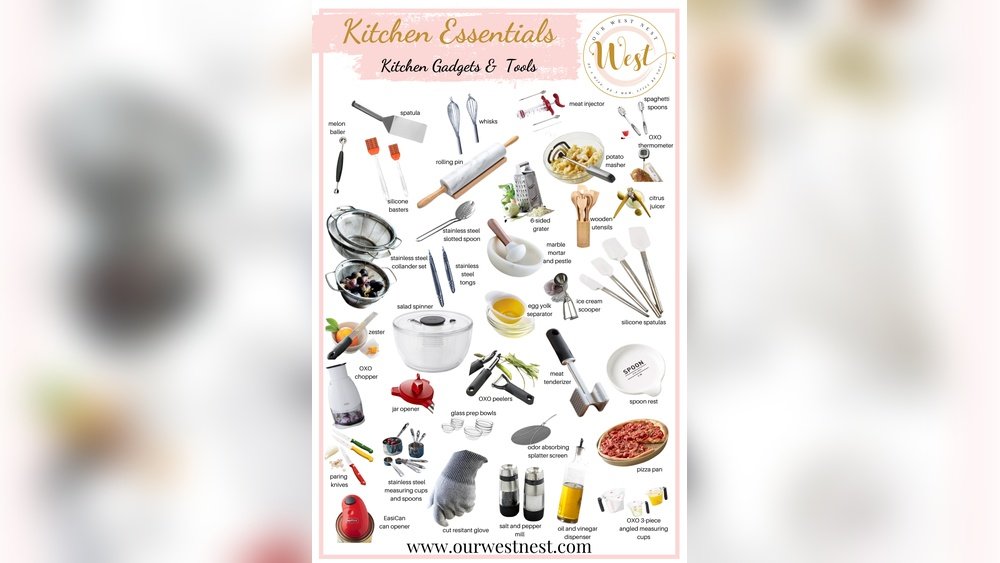
The kitchen is the heart of every home. Whether you’re a beginner cook or a seasoned chef, having the right equipment makes all the difference. But with hundreds of products on the market, choosing the essentials can feel overwhelming. This guide is your cornerstone resource for the Kitchen Equipment List curated for American households and designed to help you build a functional, efficient kitchen. This Kitchen Equipment List also highlights Essential Kitchen Tools that offer the best value, durability, and performance for everyday home cooking.
We focus on core equipment (not gadgets or electric appliances) that will serve you for years. You’ll learn what each item does, why it matters, and how to select the best version. Plus, you’ll find expert tips, practical comparisons, and a handy checklist to keep your kitchen organized and ready for anything.
Why Kitchen Equipment Matters
Many people think they only need a few pots and pans. But kitchen equipment impacts everything: food quality, speed, safety, and even enjoyment. The right tools help you:
- Save time with efficient preparation
- Cook food evenly and safely
- Stay organized and avoid clutter
- Prevent accidents and injuries
- Store ingredients properly to reduce waste
A well-equipped kitchen is not about having the most gadgets—it’s about having the right ones for your needs.
Even simple meals can become difficult without proper equipment. For example, trying to chop vegetables with a dull knife is slow and risky. Using a small pot to cook soup for a family can lead to spills and uneven cooking.
Proper equipment helps you work faster and with less stress.
Safety is another key reason to choose the right tools. Non-slip cutting boards keep you safe when chopping. Fire extinguishers prevent small accidents from becoming disasters. Equipment made from safe materials also avoids health risks.
Cooking with good equipment also encourages creativity. You can try new recipes and techniques, knowing you have the right tools. This makes cooking more enjoyable and less frustrating. Many people discover a love for cooking once their kitchen is organized and equipped.
Finally, a well-equipped kitchen helps reduce food waste. Proper storage containers keep food fresh longer, reducing waste, while durable appliances help transform leftovers into fresh meals. Appliances like slow cookers let you turn leftovers into tasty new meals.
Top 20 Essential Kitchen Equipment Checklist
Here’s a quick-reference checklist of the 20 most essential kitchen equipment items. Use this to audit your kitchen or plan your next upgrade.
| Equipment | Purpose | Must-Have Feature |
|---|---|---|
| Kitchen Fire Extinguisher | Kitchen safety and emergency fire control | UL-rated for grease/electrical fires |
| Cast Iron Skillet | High-heat searing, oven-to-table cooking | Pre-seasoned surface |
| Nonstick Frying Pan | Eggs, pancakes, delicate foods | Durable nonstick coating |
| Stainless Steel Frying Pan | Browning, sautéing, versatile use | Tri-ply construction |
| Cast Iron Griddle Pan | Making pancakes, bacon, and burgers | Large flat double-burner surface |
| Saucepan | Simmering, heating, sauces | Heavy bottom |
| Dutch Oven | Braising, slow-cooking, baking bread | Enamel coating |
| Stockpot | Soups, stocks, pasta | Large capacity |
| Cookie Sheet | Baking cookies, sliding off easily | Flat rimless edge |
| Braiser | Braising, shallow roasting | Wide base |
| Wok | Asian stir-fry, deep frying | Carbon steel material |
| Double Boiler | Melting chocolate, delicate sauces | Stainless steel insert |
| Baking Sheets | Cookies, roasting veggies | Heavy gauge aluminum |
| Loaf Pan | Breads, meatloaf | Nonstick or aluminum |
| Muffin Pan | Muffins, cupcakes | Even heat distribution |
| Springform Pan | Cheesecakes, delicate cakes | Secure latch |
| Pie Dish | Pies, quiche | Ceramic or glass |
| Casserole Dish | Baked casseroles, lasagna | Deep sides |
| Roasting Pan | Roasting meats, poultry | Rack included |
| Pantry Storage Bins | Organizing dry food and grains | Airtight and stackable |
Pro Tip: Check off each item as you build your collection. Quality beats quantity—invest in durable basics before adding specialty pieces.
Cast Iron Skillet
Description
The cast iron skillet is a classic cooking pan known for its weight, durability, and ability to hold heat. It’s ideal for searing steaks, baking cornbread, roasting chicken, and even making pizza.
Features
- Pre-seasoned surface
- Thick, heavy construction
- Oven-safe
- Naturally nonstick when seasoned
Benefits
Cast iron skillets deliver superior heat retention. They work well on the stovetop, in the oven, and even over campfires. The seasoning layer improves with use, creating a natural nonstick surface.
Pros & Cons
Pros:
- Lasts decades with proper care
- Excellent for high-heat cooking
- Adds flavor through seasoning
Cons:
- Heavy and sometimes hard to handle
- Requires regular seasoning
- Not dishwasher-safe
Buying Factors
- Weight and handle comfort
- Pre-seasoned vs. unseasoned
- Size (8–12 inches is versatile)
- Brand reputation
Tips
- Never soak in water for long periods.
- Use minimal soap or just hot water for cleaning.
- Dry thoroughly and apply oil after each wash.
Read our full guide on the [Best Cast Iron Skillet For Steaks].
Read our full guide on the [How To Clean Cast Iron Skillet That Is Rusty].
Nonstick Frying Pan
Description
A nonstick frying pan is ideal for eggs, pancakes, and foods that stick easily. The pan is coated with a material like Teflon, which helps food release smoothly.
Features
- Lightweight design
- Sloped sides for easy flipping
- Cool-touch handle
- Durable nonstick coating
Benefits
Nonstick pans make cleanup fast and simple. You need less oil or butter, so meals can be healthier. Great for beginners and quick breakfasts.
Pros & Cons
Pros:
- Easy to clean
- Good for delicate foods
- Light and easy to handle
Cons:
- Not safe for metal utensils
- Coating can wear out over time
- Not suitable for high-heat cooking
Buying Factors
- Quality of nonstick coating
- Oven safety
- Size (10–12 inches is most useful)
- Warranty or guarantee
Tips
- Use only silicone or wooden utensils.
- Avoid overheating.
- Replace every 2–4 years for safety.
Read our full guide on the [Best 8 Inch Nonstick Fry Pan].
Stainless Steel Frying Pan
Description
The stainless steel frying pan is a kitchen staple. It’s perfect for browning meats, sautéing vegetables, and making pan sauces.
Features
- Tri-ply or multi-layer construction
- Polished surface
- Riveted handles
- Oven and dishwasher safe
Benefits
Stainless steel pans are durable and resistant to rust and stains. They handle high heat well and are great for deglazing (making sauces).
Pros & Cons
Pros:
- No coating to wear out
- Even heat distribution
- Long-lasting
Cons:
- Food can stick without proper technique
- Requires preheating and oil for best results
- Can discolor if overheated
Buying Factors
- Number of layers (tri-ply is best)
- Handle comfort and stability
- Size and depth
- Brand quality
Tips
- Preheat before adding oil and food.
- Clean with baking soda for tough stains.
- Avoid cooking acidic foods for long periods.
Read our full guide on the [Best Stainless Steel Fry Pan].
Read our full guide on the [Can Stainless Steel Go In The Dishwasher].

Credit: ksdksd.en.made-in-china.com
Saute Pan
Description
A saute pan has straight sides and a wide base, making it ideal for stir-frying, browning, and cooking saucy dishes.
Features
- Straight, tall sides
- Lid included
- Heavy bottom for even heating
- Large surface area
Benefits
Saute pans prevent spills, hold more food, and are versatile. You can cook everything from risotto to curry.
Pros & Cons
Pros:
- Good for liquid-heavy recipes
- Great for batch cooking
- Often comes with a lid
Cons:
- Bulkier than frying pans
- Can be heavy when full
- Takes up more storage space
Buying Factors
- Size (3–5 quarts is ideal)
- Weight
- Material (stainless steel or nonstick)
- Lid quality
Tips
- Use for recipes needing extra space.
- Choose a pan with a tight-fitting lid.
- Stir often for even cooking.
Read our full guide on the [Best Stainless Saute Pan].
Read our full guide on the [What Is A Saute Pan].
Saucepan
Description
The saucepan is used for simmering sauces, soups, boiling water, and reheating food. It’s one of the most-used pans in any kitchen.
Features
- Tall sides
- Pour spout (sometimes)
- Handle for easy pouring
- Heavy base
Benefits
Saucepans are versatile and work for everything from oatmeal to pasta. They’re easy to control and usually come in various sizes.
Pros & Cons
Pros:
- Great for small batches
- Easy to store
- Useful for reheating
Cons:
- Not ideal for frying
- Can boil over if not watched
Buying Factors
- Size (1–3 quarts is most common)
- Handle comfort
- Lid fit
- Material (stainless steel, nonstick, or aluminum)
Tips
- Choose a set with different sizes.
- Use a smaller pan for sauces and a larger one for soups.
- Check for a pour spout for convenience.
Read our full guide on the [Best Saucepan].
Read our full guide on the [How To Cook Chicken In A Saucepan].
Stockpot
Description
A stockpot is a large, tall pot designed for making stock, soup, boiling pasta, and cooking large batches.
Features
- Large capacity (6–12 quarts)
- Tall, straight sides
- Lid included
- Handles for easy lifting
Benefits
Stockpots are essential for family-sized meals and meal prepping. They’re also great for steaming and boiling.
Pros & Cons
Pros:
- Handles big recipes
- Good for pasta, soup, and stocks
- Easy to clean
Cons:
- Takes up lots of storage space
- Heavy when full
- Can be slow to heat up
Buying Factors
- Capacity size (8 quarts is most versatile)
- Weight and handle strength
- Lid fit
- Material (stainless steel or aluminum)
Tips
- Use for batch cooking and freezing leftovers.
- Invest in a pot with sturdy handles.
- Avoid overfilling to prevent spills.
Read our full guide on the [Best Stockpot].
Dutch Oven
Description
The Dutch oven is a heavy, lidded pot used for braising, stews, roasting, and baking bread. It’s often made from cast iron and coated with enamel.
Features
- Thick, heavy walls
- Enamel coating (for easy cleaning)
- Tight-fitting lid
- Oven-safe
Benefits
Dutch ovens excel at slow, even cooking. They’re perfect for tough cuts of meat and hearty soups. You can also use them for baking.
Pros & Cons
Pros:
- Great for braising and roasting
- Retains heat for hours
- Looks attractive for serving
Cons:
- Very heavy
- Enamel can chip if dropped
- Price can be high
Buying Factors
- Size (5–7 quarts is best)
- Lid fit and handle design
- Brand reputation (Le Creuset, Lodge)
- Enamel quality
Tips
- Avoid sudden temperature changes to protect enamel.
- Clean with mild soap and soft sponges.
- Use for both stovetop and oven recipes.
Read our full guide on the [Best Size Dutch Oven For Sourdough Bread].
Read our full guide on the [What Is A Dutch Oven].
Braiser
Description
A braiser is a wide, shallow pan with a tight lid. It’s used for braising meats and vegetables, shallow roasting, and making one-pot meals.
Features
- Wide base
- Low sides
- Heavy construction
- Lid included
Benefits
Braisers are perfect for recipes needing both browning and slow cooking. They’re also good for serving at the table.
Pros & Cons
Pros:
- Great for one-pot meals
- Even cooking
- Easy to serve from
Cons:
- Not ideal for deep frying
- Takes up space in cabinets
Buying Factors
- Size (3–4 quarts is typical)
- Material (cast iron with enamel)
- Lid quality
Tips
- Use for slow-cooked recipes with some liquid.
- Brown meats before adding other ingredients.
- Serve directly from the braiser for convenience.
Wok
Description
The wok is a round-bottomed pan, essential for stir-frying, deep frying, steaming, and even smoking. It’s a staple in Asian cuisine.
Features
- Large, sloped sides
- Carbon steel or cast iron
- Long handle and helper handle
- Lightweight for tossing food
Benefits
Woks heat quickly and allow food to cook fast. The shape helps with tossing and mixing, and you can use less oil than in other pans.
Pros & Cons
Pros:
- Great for stir-frying and deep frying
- Versatile use
- Quick cooking
Cons:
- Needs seasoning (if carbon steel)
- Not ideal for flat stovetops (traditional round-bottom woks)
- Takes practice to master
Buying Factors
- Material (carbon steel is best)
- Handle type
- Size (12–14 inches for most kitchens)
- Compatibility with your stove
Tips
- Season your wok before first use.
- Use high heat for best results.
- Don’t overcrowd the pan.
Read our full guide on the [How To Season A Wok].
Baking Sheets
Description
Baking sheets (also called sheet pans) are flat, rectangular pans used for baking cookies, roasting vegetables, and making sheet cakes.
Features
- Heavy gauge aluminum or stainless steel
- Rimmed edges
- Various sizes (half-sheet is most common)
- Nonstick or plain surface
Benefits
Baking sheets are versatile. They’re used for both sweet and savory recipes and make cleanup easy.
Pros & Cons
Pros:
- Easy to clean
- Can be used for roasting and baking
- Durable
Cons:
- Warps at high heat if thin
- Nonstick surface can scratch
Buying Factors
- Thickness (heavy gauge is less likely to warp)
- Size (half-sheet fits most ovens)
- Rimmed edges for spill prevention
Tips
- Line with parchment paper for easy cleanup.
- Use for sheet pan dinners.
- Avoid stacking heavy items on top.
Read our full guide on the [Best Baking Sheets Non Toxic].
Read our full guide on the [How To Clean Baking Sheets].
Cooling Rack
Description
A cooling rack is a wire grid used to cool baked goods, roast meat, and drain fried foods.
Features
- Stainless steel or chrome-plated wire
- Feet to elevate the rack
- Fits inside baking sheets
Benefits
Cooling racks allow air to circulate around food, preventing sogginess and speeding up cooling.
Pros & Cons
Pros:
- Helps baked goods cool evenly
- Doubles as a roasting rack
- Easy to clean
Cons:
- Can bend if not sturdy
- Takes up space
Buying Factors
- Material (stainless steel resists rust)
- Size and compatibility with baking sheets
- Sturdiness
Tips
- Use inside a baking sheet for roasting meat.
- Let cookies cool completely to avoid sticking.
- Clean with a brush for hard-to-reach spots.
Loaf Pan
Description
A loaf pan is used for baking bread, meatloaf, and pound cake. It’s rectangular and deep, shaping food as it cooks.
Features
- Nonstick or aluminum construction
- Standard size (8.5 x 4.5 inches)
- Straight sides
Benefits
Loaf pans are essential for homemade bread and desserts. They help shape and cook food evenly.
Pros & Cons
Pros:
- Versatile use
- Easy to clean
- Good for portion control
Cons:
- Nonstick coating can scratch
- Can warp if thin
Buying Factors
- Material (aluminum heats evenly)
- Size and depth
- Nonstick coating quality
Tips
- Grease or line with parchment for easy release.
- Avoid metal utensils to protect nonstick coating.
- Cool bread before slicing.
Read our full guide on the [Best Pullman Loaf Pan].
Read our full guide on the [How To Cut Parchment Paper For Loaf Pan].
Muffin Pan
Description
A muffin pan has multiple cups for baking muffins, cupcakes, and mini quiches.
Features
- 6 or 12 cup design
- Nonstick or silicone
- Even heat distribution
Benefits
Muffin pans are great for portioned baking. You can make breakfast, snacks, and desserts quickly.
Pros & Cons
Pros:
- Easy portion control
- Fast baking
- Versatile for sweet and savory recipes
Cons:
- Nonstick coating can wear out
- Silicone pans can bend
Buying Factors
- Material (aluminum or steel)
- Cup size and number
- Nonstick surface
Tips
- Use paper liners for easy cleanup.
- Fill cups evenly for uniform baking.
- Check for even browning.
Read our full guide on the [Best Muffin Pan].
Springform Pan
Description
A springform pan is a round baking pan with a removable bottom and latch. It’s used for cheesecakes and delicate cakes.
Features
- Secure latch for easy release
- Nonstick coating
- Standard size (9-inch diameter)
- Leakproof design
Benefits
Springform pans make it easy to remove cakes without damage. They’re essential for recipes needing gentle handling.
Pros & Cons
Pros:
- Easy cake release
- Versatile for desserts
- Good for layered recipes
Cons:
- Can leak if latch is weak
- Nonstick surface can scratch
Buying Factors
- Latch quality
- Leakproof seal
- Material and durability
Tips
- Line bottom with parchment for extra protection.
- Check latch before filling with batter.
- Clean gently to avoid damaging the coating.
Read our full guide on the [Best Springform Pan].
Read our full guide on the [How To Use A Springform Pan].
Pie Dish
Description
A pie dish is used for baking pies and quiches. It’s round, shallow, and comes in ceramic, glass, or metal.
Features
- Fluted or plain edge
- 9-inch diameter standard
- Deep or shallow style
Benefits
Pie dishes help cook crusts evenly and present pies beautifully. Glass dishes let you see crust browning.
Pros & Cons
Pros:
- Attractive for serving
- Even heat distribution
- Versatile for sweet and savory pies
Cons:
- Ceramic can chip
- Metal can rust
Buying Factors
- Material (glass shows browning, ceramic looks nice)
- Size and depth
- Edge style (fluted is decorative)
Tips
- Preheat the dish for crispier crusts.
- Cool before slicing to prevent mess.
- Hand wash ceramic for longevity.

Credit: kacia888.en.made-in-china.com
Casserole Dish
Description
A casserole dish is used for baked casseroles, lasagna, and gratins. It’s deep and rectangular or oval.
Features
- Ceramic, glass, or stoneware
- Deep sides
- Oven-safe
Benefits
Casserole dishes are perfect for layered recipes and one-dish meals. They look great on the table.
Pros & Cons
Pros:
- Versatile for baking and serving
- Easy cleanup
- Holds heat well
Cons:
- Heavy and breakable
- Can stain if not cleaned promptly
Buying Factors
- Material durability
- Size (9×13 inches is standard)
- Handle design
Tips
- Use for baking and serving in one dish.
- Avoid sudden temperature changes.
- Soak for easy cleaning.
Read our full guide on the [Best Insulated Casserole Dish Carrier].
Read our full guide on the [How Big Is A 2 Quart Casserole Dish].
Roasting Pan
Description
A roasting pan is large, deep, and used for roasting meats and poultry. It often comes with a rack for air circulation.
Features
- Heavy-duty metal construction
- Removable rack
- Deep sides
- Handles for lifting
Benefits
Roasting pans cook large cuts evenly and allow juices to collect for gravy. Racks lift meat for crispy skin.
Pros & Cons
Pros:
- Great for holiday meals
- Even roasting
- Easy to clean
Cons:
- Bulky to store
- Can be heavy
Buying Factors
- Size (fits your oven and meat)
- Rack quality
- Material (stainless steel is best)
Tips
- Use the rack for even cooking.
- Deglaze pan for gravy.
- Store in a cool, dry place.
Read our full guide on the [Best Turkey Roasting Pan].
Read our full guide on the [How To Cook A Turkey With A Roasting Pan].
Mixing Bowls
Description
Mixing bowls are essential for prepping, mixing, and serving. They come in sets and various sizes.
Features
- Stainless steel, glass, or plastic
- Nested for storage
- Different sizes
Benefits
Mixing bowls handle everything from dough to salad. Stainless steel bowls are durable and resist odors.
Pros & Cons
Pros:
- Versatile use
- Easy to store
- Durable (if stainless steel)
Cons:
- Glass can break
- Plastic can stain
Buying Factors
- Material (stainless steel is best)
- Set size and nesting
- Non-slip base
Tips
- Use different sizes for different tasks.
- Nest bowls to save space.
- Avoid mixing hot and cold ingredients in glass bowls.
Food Storage Containers
Description
Food storage containers keep leftovers, meal prep, and dry goods fresh. They’re available in glass, plastic, or stainless steel.
Features
- Leakproof lids
- Various sizes
- Stackable design
Benefits
Containers keep food organized and safe. Glass containers are microwave-safe and resist odors.
Pros & Cons
Pros:
- Prevent food waste
- Easy meal prep
- Stack for storage
Cons:
- Lids can break or warp
- Plastic can stain
Buying Factors
- Material (glass is healthiest)
- Lid quality
- Microwave and freezer safety
Tips
- Label containers for easy identification.
- Use stackable containers for space-saving.
- Replace cracked or warped lids.
Read our full guide on the [Glass Food Storage Containers With Glass Lids].
Dish Drying Rack
Description
A dish drying rack holds washed dishes for air drying, saving counter space and preventing water buildup.
Features
- Stainless steel or plastic
- Multiple slots for plates
- Removable drip tray
Benefits
Drying racks keep dishes organized and dry quickly. Stainless steel racks resist rust.
Pros & Cons
Pros:
- Speeds up drying
- Keeps counters clean
- Easy to move
Cons:
- Can collect water if tray isn’t emptied
- Takes up counter space
Buying Factors
- Material durability
- Size and capacity
- Tray design
Tips
- Empty drip tray daily.
- Clean rack weekly.
- Choose a rack that fits your space.
Spice Rack
Description
The spice rack organizes spices for easy access and keeps your kitchen tidy.
Features
- Rotating or wall-mounted
- Holds multiple jars
- Labeling system
Benefits
Spice racks save time and space. They make cooking more efficient and prevent clutter.
Pros & Cons
Pros:
- Easy access to spices
- Keeps kitchen organized
- Attractive designs
Cons:
- Jars may not fit all brands
- Wall-mounted racks require installation
Buying Factors
- Size and capacity
- Design (rotating, wall-mounted, drawer)
- Material (wood, metal, plastic)
Tips
- Label jars for quick identification.
- Refill regularly to avoid running out.
- Store away from heat and sunlight.
Pot Rack
Description
A pot rack hangs or stores pots and pans, freeing up cabinet space and making them easy to reach.
Features
- Ceiling or wall-mounted
- Sturdy hooks
- Holds multiple pots
Benefits
Pot racks reduce clutter and make cooking faster. They also show off your cookware.
Pros & Cons
Pros:
- Saves cabinet space
- Attractive display
- Easy access
Cons:
- Requires installation
- May not fit all kitchens
Buying Factors
- Mounting style (ceiling, wall)
- Size and capacity
- Material strength
Tips
- Install securely to hold heavy pots.
- Arrange pots by size for easy access.
- Clean rack regularly.
Kitchen Cart
Description
A kitchen cart is a movable storage unit with shelves, drawers, and sometimes a cutting board top.
Features
- Wheels for mobility
- Storage shelves
- Durable construction
Benefits
Kitchen carts add storage and prep space. They’re useful in small kitchens or as serving stations.
Pros & Cons
Pros:
- Moves easily
- Adds counter space
- Flexible storage
Cons:
- Takes up floor space
- Wheels can lock or stick
Buying Factors
- Size and storage options
- Wheel quality
- Material durability
Tips
- Use for extra prep space.
- Store commonly used items for easy access.
- Lock wheels when stationary.
Credit: www.alibaba.com
Trash Can
Description
A trash can is essential for waste management in the kitchen. It comes in various sizes and designs.
Features
- Foot pedal or touchless lid
- Odor control
- Easy-to-clean material
Benefits
Trash cans keep the kitchen clean and organized. Touchless models reduce germs.
Pros & Cons
Pros:
- Keeps kitchen tidy
- Odor control
- Easy to empty
Cons:
- Needs frequent cleaning
- Can attract pests if not sealed
Buying Factors
- Size (fits your kitchen)
- Lid type
- Material (stainless steel, plastic)
Tips
- Use liners for easy cleanup.
- Clean weekly to prevent odors.
- Place near prep area for convenience.
Apron
Description
An apron protects clothes from spills, stains, and splashes while cooking.
Features
- Adjustable straps
- Multiple pockets
- Durable fabric
Benefits
Aprons keep you clean and add professionalism. Pockets hold tools and towels.
Pros & Cons
Pros:
- Protects clothing
- Useful pockets
- Easy to wash
Cons:
- May not fit all sizes
- Can feel hot in summer
Buying Factors
- Adjustable fit
- Pocket design
- Material (cotton, polyester)
Tips
- Wash regularly for hygiene.
- Use pockets for tools.
- Choose a style you like.
Appliances
Appliances save time and effort, making cooking more enjoyable.
- Stove/oven: Core for cooking and baking.
- Microwave: Quick heating and defrosting.
- Blender: Smoothies, soups, sauces, and purees.
- Toaster/toaster oven: Toast bread, reheat food, or bake small items.
- Coffee maker: For coffee lovers.
Appliances range from basic to advanced. A stove/oven is the center of every kitchen. Microwaves are perfect for reheating leftovers, defrosting meat, or cooking frozen meals. Blenders make smoothies and soups in seconds. Toaster ovens are smaller than regular ovens and save energy for small meals.
Coffee makers come in drip, pod, or espresso styles.
Each appliance has unique benefits. Microwaves are fast but can dry out food. Blenders handle liquids and soft ingredients. Toaster ovens are flexible and can bake, toast, or broil. Coffee makers vary in price and quality—choose based on your coffee habits.
Some appliances have extra features. For example, modern blenders can crush ice and blend hot soups. Toaster ovens may have air fryer settings. Choose appliances that match your daily needs.
Storage And Organization
Proper storage keeps your kitchen neat and ingredients fresh.
- Food storage containers: Store leftovers, meal prep, and keep food fresh.
- Pantry bins: Organize dry goods and snacks.
- Under-sink organizer: Maximize space for cleaning supplies.
- Spice rack: Keep spices easy to find.
- Drawer organizers: Separate utensils and tools.
Storage solutions help prevent clutter and save time. Food containers keep leftovers fresh and make meal prep easier. Use clear containers to see contents quickly. Pantry bins organize dry goods and snacks, preventing spills and waste.
Under-sink organizers use space that is often wasted. They hold cleaning supplies, trash bags, and dish soaps. Spice racks make it easy to find and use spices, which improves cooking. Drawer organizers keep utensils separated and easy to reach.
If your kitchen is small, choose stackable containers and slim organizers. Label bins and containers to track contents and expiration dates.
Safety Equipment
Safety is often overlooked. It’s vital to protect your kitchen and home.
- Kitchen fire extinguisher: Essential for emergencies.
- Smoke detector: Alerts you to fire hazards.
- First aid kit: Treat minor cuts and burns.
Safety equipment is not optional. Fires can start quickly in kitchens, especially when cooking with oil or high heat. Fire extinguishers are designed for grease and electrical fires. Smoke detectors warn you before a fire spreads.
First aid kits should include bandages, burn ointment, antiseptic wipes, and scissors. Store them in an easy-to-reach place. Teach all family members how to use safety equipment.
Check expiration dates and batteries on safety gear regularly. Replace used or expired items promptly.
Specialized Kitchen Equipment
Some kitchens need extra tools for specific cuisines or advanced cooking.
- Rice cooker: Perfect rice every time.
- Pressure cooker: Cooks food faster, saves energy.
- Slow cooker: Easy, hands-off meals.
- Food processor: Chops, slices, and mixes ingredients quickly.
- Stand mixer: Ideal for baking, doughs, and whipping.
Specialized equipment helps cook certain foods or save time. Rice cookers make fluffy rice without guesswork. Pressure cookers cook beans, stews, and meats quickly, using less energy. Slow cookers are great for soups and meals you can leave to cook all day.
Food processors chop, slice, and mix large quantities in seconds. Stand mixers handle heavy doughs and batters, making baking easier.
If you love baking, a stand mixer is worth the investment. For home-cooked meals, a slow cooker lets you prepare food in advance. Food processors are perfect for meal prep and recipes that require lots of chopping.
Specialized equipment is not necessary for beginners. Add these items as your cooking becomes more advanced or as your family’s needs change.
Comparison Table: Core Cookware Materials
Choosing cookware isn’t just about shape and size—the material matters. Here’s a quick look:
| Material | Heat Conductivity | Durability | Maintenance | Best For |
|---|---|---|---|---|
| Stainless Steel | Medium | High | Easy | Everyday cooking |
| Cast Iron | High (even) | Very High | Needs seasoning | Steaks, frying, baking |
| Nonstick | Good | Medium | Gentle cleaning | Eggs, pancakes |
| Copper | Excellent | Medium | Polishing needed | Precise cooking |
Each material has strengths and weaknesses. Stainless steel is easy to clean and durable but can stick without oil. Cast iron needs seasoning but lasts for generations. Nonstick is easy to use but needs gentle care. Copper is best for recipes that need exact temperature control.
When choosing cookware, consider what you cook most often. For example, if you fry eggs daily, a nonstick pan is helpful. For roasting and baking, cast iron or stainless steel gives better results.
Kitchen Equipment By Purpose
Not every kitchen needs every item. Here’s how to match equipment to your needs:
For Beginners
- Saucepan
- Frying pan
- Measuring tools
- Baking sheet
- Food storage containers
These basics cover most recipes and techniques. Avoid buying too many gadgets at first.
Beginners should focus on equipment that is easy to use and clean. Essential cookware like frying pans and saucepans are perfect for starters. Measuring tools and baking sheets also help avoid mistakes in everyday cooking.
Food storage containers are important for leftovers and meal prep. Baking sheets are not only for cookies—they roast vegetables, bake bread, and reheat pizza.
Start with these items and learn how to use them well. As you get more confident, add new tools for different recipes.
For Families
- Stockpot
- Dutch oven
- Slow cooker
- Pantry bins
- Microwave
- Large bakeware
- Fire extinguisher
Families cook larger meals and need storage for leftovers and snacks.
A stockpot helps make soups, pasta, and stews for several people. Dutch ovens are great for braised dishes and baking bread. Slow cookers let you prepare meals in advance—perfect for busy schedules.
Microwaves save time for quick meals and reheating. Large bakeware helps with casseroles, lasagna, or family desserts. Pantry bins and organizers keep snacks and dry goods tidy.
Safety is very important in family kitchens. Fire extinguishers and smoke detectors should be installed and checked often.
For Advanced Cooks
- Cast iron pan
- Double boiler
- Pressure cooker
- Food processor
- Stand mixer
- Specialty bakeware
Advanced cooks experiment with new recipes and need tools for precision.
Cast iron pans are good for recipes that need high heat or oven baking. Double boilers are used for delicate sauces, chocolate, or custards. Pressure cookers save time and make tough cuts of meat tender.
Food processors are perfect for chopping large quantities or making dough. Stand mixers help with bread, cakes, and whipped cream. Specialty bakeware includes items like bundt pans, tart molds, and silicone mats.
Advanced cooks also need accurate measuring tools, digital thermometers, and timers. These help ensure consistent results.
Key Factors For Choosing Kitchen Equipment
Picking the right kitchen equipment isn’t about price alone. Consider these points:
1. Material Quality
Look for durable materials like stainless steel, cast iron, or borosilicate glass. Cheap materials may break, rust, or lose performance over time.
High-quality materials last longer and are safer to use. Stainless steel resists stains and rust. Cast iron improves with seasoning and holds heat well. Borosilicate glass is strong and doesn’t crack easily.
Avoid plastic for cookware—it can melt or release chemicals. For utensils, silicone is safe and flexible. Wood is good for spoons and cutting boards.
2. Size And Capacity
Choose sizes that fit your cooking habits. A small family might need a 2-quart saucepan, while a large household should get 6–8 quart pots.
If you cook for one or two people, smaller pans and pots are easier to handle and clean. For families or parties, larger cookware and bakeware are better.
Size also matters for appliances. A small blender is good for smoothies, but a large food processor handles more ingredients. Check if equipment fits your kitchen space.
3. Ease Of Cleaning
Nonstick pans are easy to clean but need gentle care. Stainless steel can go in the dishwasher. Equipment with many parts may require extra effort.
Choose tools and appliances that are simple to wash. Avoid cookware with lots of grooves or crevices—they collect food and are hard to clean.
Some materials need special care. Cast iron must be dried and oiled to prevent rust. Nonstick pans should not be scrubbed with metal or cleaned in dishwashers.
Always check cleaning instructions before buying. Look for dishwasher-safe items if you want less work.
4. Safety Features
Fire extinguishers, smoke detectors, and first aid kits are must-haves. Sharp knives need blade guards. Appliances should have auto-shutoff or cool-touch handles.
Choose knives with blade covers for safe storage. Look for appliances with auto-shutoff, especially slow cookers and coffee makers. Cool-touch handles prevent burns.
For families with children, safety locks and rounded edges are important. Install smoke detectors and check batteries often.
5. Storage Space
If your kitchen is small, look for stackable containers, collapsible tools, and organizers.
Stackable pots and pans save cabinet space. Collapsible measuring cups and strainers fit in small drawers. Drawer organizers keep utensils neat.
Vertical storage helps use all available space. Install shelves, hooks, or racks on walls. Under-sink organizers make use of hidden areas.
Choose equipment that fits your kitchen layout. Avoid large gadgets if you have limited space.
6. Budget
Set a realistic budget and prioritize essentials. Don’t overspend on rarely used gadgets.
Start with core items—saucepan, frying pan, and baking sheets. Buy quality where it matters (pots, pans) and save on less-used items.
Look for sales and bundles. Many brands offer starter sets at lower prices. Check reviews to avoid wasting money on poor-quality equipment.
7. Brand Reputation
Choose brands with strong reviews and warranties. Cheap, unknown brands may disappoint.
Reliable brands offer better quality, customer service, and support. Look for warranties or satisfaction guarantees. Read reviews and ask friends or family for recommendations.
Avoid brands with frequent complaints about durability or safety.
Credit: ksdksd.en.made-in-china.com
Comparison Table: Essential Kitchen Appliances
Let’s compare common kitchen appliances:
| Appliance | Average Cost | Main Use | Energy Consumption | Ease of Use |
|---|---|---|---|---|
| Microwave | $50–$200 | Heating, defrosting | Medium | Very Easy |
| Blender | $30–$150 | Smoothies, sauces | Low | Easy |
| Toaster Oven | $40–$150 | Baking, toasting | Medium | Easy |
| Rice Cooker | $20–$100 | Cooking rice | Low | Very Easy |
| Stand Mixer | $100–$400 | Baking, mixing | Medium | Moderate |
Microwaves and rice cookers are simple and fast. Blenders and toaster ovens offer more versatility. Stand mixers are great for baking but require more space and cleaning.
Choose appliances based on your cooking style and space. For example, a rice cooker is useful if you eat rice often. A stand mixer is only needed if you bake regularly.
Non-obvious Insights For Beginners
- Buy for your cooking style, not for trends: Many gadgets seem useful but rarely get used. Think about your favorite meals and choose equipment that fits.
- Safety equipment is as important as cookware: Most people skip fire extinguishers or first aid kits. But kitchen accidents happen even in careful homes.
It’s easy to get excited by new gadgets, but most end up unused. Focus on what you cook most often. For example, if you love stir-fry, a good wok or frying pan is more useful than a bread machine.
Safety equipment is often forgotten. But kitchen fires, cuts, and burns are common. Having a fire extinguisher and first aid kit can make a big difference in an emergency.
Another insight: Test equipment before buying. Hold knives to see if they feel comfortable. Open and close containers to check for leaks. Try appliances in stores if possible.
Common Mistakes In Buying Kitchen Equipment
- Overbuying gadgets: Many items like apple slicers or garlic presses are rarely used.
- Ignoring safety: Skipping fire extinguishers or smoke detectors can be dangerous.
- Choosing cheap knives: Poor-quality knives make cooking harder and less safe.
- Forgetting about storage: Buying large items without considering space leads to clutter.
- Neglecting cleaning needs: Some tools require special cleaning, which adds work.
People often buy too many gadgets that promise to make cooking easier. Most are used once and then forgotten. Stick to basics and buy specialty items only when needed.
Cheap knives are dangerous—they slip, dull quickly, and can cause accidents. Invest in a good chef’s knife and keep it sharp.
Before buying, measure your kitchen space. Large appliances or cookware may not fit in small cabinets. Choose stackable or compact items for small kitchens.
Always check cleaning instructions. Some tools need hand washing or special products. If you prefer easy cleaning, look for dishwasher-safe equipment.
Expert Tips For Building Your Kitchen Equipment List
- Start with basics. Expand as your cooking skills grow.
- Invest in one high-quality chef’s knife and a durable cutting board.
- Use stackable containers to save space.
- Regularly check safety equipment and replace expired items.
- Organize tools so you can find them quickly.
Don’t rush to buy everything at once. Build your equipment list gradually. As you try new recipes, add new tools.
High-quality cookware makes cooking safer and easier. Choose a baking sheet that’s sturdy and easy to clean.
Stackable containers help organize leftovers and meal prep. Label them to track contents and dates.
Check safety equipment monthly. Fire extinguishers and smoke detectors need regular maintenance. Replace expired items promptly.
Organize utensils and tools by type—keep knives together, measuring tools in one drawer, and baking tools on a shelf. This saves time and reduces frustration.
Detailed Product Guides For Essential Kitchen Equipment
Below are in-depth guides for six essential items. Each section covers description, key features, pros & cons, buying factors, and expert tips.
Kitchen Fire Extinguisher: Your First Line Of Defense
Description
A kitchen fire extinguisher is a compact device designed to put out small fires caused by cooking accidents. It’s usually stored near the stove or cooking area for easy access. Unlike general fire extinguishers, kitchen models handle grease fires and electrical fires common in kitchens.
Key Features
- Class K rating: Handles cooking oil and grease fires
- Easy pull-pin mechanism: Simple to use in emergencies
- Compact size: Fits under sinks or on walls
- Pressure gauge: Shows readiness
- Non-toxic chemicals: Safe for kitchen use
Some models also include wall mounts and glow-in-the-dark labels for quick access. Look for extinguishers with clear instructions and labels.
Pros & Cons
Pros
- Quick response to kitchen fires
- Easy to operate, even for beginners
- Prevents fire from spreading
- Compact and discreet
Cons
- Needs regular inspection
- Limited use (only for small fires)
- Must be replaced after use
Fire extinguishers are vital but must be checked often. If used once, even partially, they need replacement.
Buying Factors
- Type of fire: Choose Class K for grease; Class ABC for general use
- Size: Smaller models are easier to store; larger ones last longer
- Mounting options: Wall-mount or countertop placement
- Brand reliability: Look for certified brands (UL-listed)
- Maintenance: Check expiration date and pressure
Check if the extinguisher comes with instructions in your language. Some brands offer free training videos.
Expert Tips
- Mount the extinguisher near the stove but not too close to heat.
- Check the pressure gauge monthly.
- Teach all household members how to use it.
- Replace after discharge, even if only partially used.
- Don’t use water on grease fires—always use the extinguisher.
Practice using the extinguisher if possible. Many local fire departments offer free training.
Cast Iron Griddle Pan: The Versatile Workhorse
Description
A cast iron griddle pan is a flat, heavy pan ideal for grilling, searing, frying, and even baking. Its surface heats evenly and holds temperature well, making it perfect for pancakes, steaks, and roasted vegetables. With proper care, it lasts a lifetime.
Key Features
- Heavy-duty cast iron: Retains heat and cooks evenly
- Large flat surface: Perfect for multiple items
- Ridges or smooth options: Grill marks or flat cooking
- Oven-safe: Can be used on stove or in oven
- Natural nonstick surface: Develops with seasoning
Some griddle pans have double handles for easy lifting. Ridges help drain fat and create grill marks, while flat surfaces are best for pancakes.
Pros & Cons
Pros
- Exceptional heat retention
- Durable—can last decades
- Improves flavor with seasoning
- Suitable for many cooking methods
Cons
- Heavy and bulky
- Requires seasoning and maintenance
- Not dishwasher safe
Cast iron is tough but needs regular care. If dropped, it can crack or break.
Buying Factors
- Size: Match to your stove or oven
- Weight: Choose manageable weight for your needs
- Handle design: Long handles for easy grip
- Surface style: Ridges for grill marks, smooth for pancakes
- Brand reputation: Choose known brands for quality
Some brands offer pre-seasoned pans—these are ready to use out of the box.
Expert Tips
- Season regularly to build a natural nonstick surface.
- Dry thoroughly after washing to prevent rust.
- Use for both stovetop and oven recipes.
- Avoid soap—use salt and water for cleaning.
- Preheat before cooking for best results.
Store cast iron in a dry place. If rust appears, scrub with steel wool and re-season.
Double Boiler: Gentle Heat For Delicate Recipes
Description
A double boiler is a two-piece cookware set. The bottom pot holds water, and the top pot sits above, using steam to gently heat food. It’s ideal for melting chocolate, making custards, or preparing sauces without burning.
Key Features
- Two-layer design: Prevents direct heat
- Heat-resistant handles: Safe to hold
- Stainless steel or glass: Durable materials
- Fits standard saucepans: Versatile sizes
- Easy to clean: Simple construction
Some models have pouring spouts or glass lids for easy monitoring.
Pros & Cons
Pros
- Prevents scorching and burning
- Perfect for delicate foods
- Easy to use and assemble
Cons
- Takes longer to heat
- Limited to specific recipes
- Bulky for storage
Double boilers are not needed daily but are essential for some recipes.
Buying Factors
- Material: Stainless steel for durability; glass for visibility
- Size: Choose based on recipe needs
- Compatibility: Fits your existing pots
- Ease of cleaning: Dishwasher safe is a plus
Glass is easier to watch, but stainless steel lasts longer.
Expert Tips
- Fill the bottom pot with enough water but avoid touching the top pan.
- Use for chocolate, cheese, custards, and sauces.
- Stir regularly to prevent lumps.
- Start with low heat for best results.
- Don’t leave unattended—water may evaporate.
If water runs low, add more carefully to avoid splashing.
Read our full guide on the [Best Double Boiler].
Read our full guide on the [How To Make A Double Boiler].
Under-sink Organizer: Maximize Hidden Storage
Description
An under-sink organizer is a storage system designed to fit under kitchen sinks. It holds cleaning supplies, trash bags, and sponges, making use of wasted space. Many models have adjustable shelves and pull-out drawers.
Key Features
- Adjustable shelves: Fit around plumbing
- Pull-out drawers: Easy access to items
- Durable materials: Plastic or metal for moisture resistance
- Expandable design: Fits various cabinet sizes
- Easy installation: No tools needed
Some organizers have hooks for brushes or towels.
Pros & Cons
Pros
- Maximizes storage in small kitchens
- Keeps cleaning supplies organized
- Reduces clutter and mess
Cons
- May not fit all cabinet shapes
- Needs regular cleaning to prevent mold
- Some models are flimsy
Plastic is good for moisture, but metal lasts longer.
Buying Factors
- Size and shape: Measure your cabinet before buying
- Material: Choose moisture-resistant options
- Drawers vs. shelves: Decide based on your items
- Assembly: Look for tool-free setup
Expandable organizers fit most cabinets but cost more.
Expert Tips
- Use bins and labels for extra organization.
- Store taller items in the back, smaller in front.
- Clean regularly to avoid dirt buildup.
- Check for leaks before installing.
- Adjust shelves around pipes for a custom fit.
Keep cleaning supplies together for quick access.
Pantry Storage Bins: Streamline Your Food Supplies
Description
Pantry storage bins are containers that keep dry goods, snacks, and canned foods organized. They reduce clutter, make ingredients easy to find, and help manage expiration dates. Clear bins are popular for visibility.
Key Features
- Clear or labeled bins: Easy identification
- Stackable design: Saves space
- Variety of sizes: Fits different items
- Durable plastic: Long-lasting
- Built-in handles: Easy to carry
Bins come in many shapes—deep for large items, shallow for snacks.
Pros & Cons
Pros
- Makes pantry organization simple
- Prevents food waste
- Easy to clean and maintain
Cons
- Requires initial setup
- May need frequent reorganization
- Some bins are expensive
Glass bins are eco-friendly but heavier.
Buying Factors
- Size and shape: Fit shelves and food items
- Material: BPA-free plastic or glass
- Stacking ability: Maximize shelf space
- Labeling options: Helps track contents
Some bins include built-in dividers.
Expert Tips
- Group similar items together (e.g., snacks, baking supplies).
- Label bins with expiration dates.
- Use deep bins for bulk items, shallow for small snacks.
- Clean bins monthly to prevent spills.
- Rotate contents to use older food first.
Clear bins help you see what’s inside and avoid buying duplicates.
Storage Solutions: Food Storage Containers Vs. Kitchen Cart Vs. Pot Rack
Organizing your kitchen can be easy with the right storage solutions:
| Feature | Food Storage Containers | Kitchen Cart | Pot Rack |
|---|---|---|---|
| Main Use | Store food | Prep/storage | Hang pots |
| Material | Glass, plastic | Wood, metal | Metal, wood |
| Mobility | Stackable | Wheeled | Fixed |
| Space Saving | High | Medium | High |
Cookie Sheet: The Baker’s Essential Tool
Description
A cookie sheet is a flat metal pan used for baking cookies, roasting vegetables, and even reheating pizza. It’s simple, versatile, and a must-have for every kitchen.
Key Features
- Heavy-gauge aluminum or steel: Even heating
- Flat surface: No sides, easy to slide off baked goods
- Nonstick coating: Easy release of food
- Multiple sizes: Match oven space
- Warp-resistant: Stays flat at high temperatures
Rimless sheets are good for cookies; rimmed for roasting.
Pros & Cons
Pros
- Versatile for baking and roasting
- Easy to clean
- Affordable and durable
Cons
- Nonstick coating wears off over time
- Can warp under extreme heat
- Not suitable for liquid recipes
Steel is more durable but heavier.
Buying Factors
- Material: Aluminum for even heat, steel for durability
- Size: Fits your oven and recipes
- Nonstick vs. traditional: Choose based on cleaning preference
- Brand reputation: Known brands offer better warranties
Some sheets have silicone grips for easy handling.
Expert Tips
- Use parchment paper for easy cleanup.
- Don’t use sharp tools on nonstick surfaces.
- Rotate the sheet halfway through baking for even results.
- Cool before washing to prevent warping.
- Store flat to avoid bending.
Cookie sheets can also be used for roasting nuts, making granola, and reheating leftovers.
Read our full guide on the [Best Stainless Steel Cookie Sheet].
Read our full guide on the [How To Clean Cookie Sheets].
How To Build A Kitchen Equipment List Step By Step
Building your kitchen equipment list is easy if you follow a simple process:
- Assess your cooking needs: What meals do you cook most often?
- Set your budget: Decide how much to spend.
- Start with essentials: Buy core cookware, utensils, and storage.
- Add specialty items: When your skills grow, expand.
- Prioritize safety and organization: Always include fire extinguishers and organizers.
- Review regularly: Update your list as your needs change.
Think about your favorite recipes and what tools they require. Set a budget for essentials first—knife, pan, cutting board, measuring tools. As you try new recipes, add specialized equipment.
Always include safety gear and storage solutions. Review your equipment every six months. Donate or recycle items you don’t use.
Comparison: Cast Iron Skillet Vs. Nonstick Frying Pan Vs. Stainless Steel Frying Pan
Choosing the right frying pan can be confusing. Here’s a quick comparison to help you decide:
| Feature | Cast Iron Skillet | Nonstick Frying Pan | Stainless Steel Frying Pan |
|---|---|---|---|
| Heat Retention | Excellent | Good | Moderate |
| Weight | Heavy | Light | Medium |
| Cleaning | Hand wash | Easy | Dishwasher-safe |
| Durability | Decades | 2–4 years | 10+ years |
| Best For | Steaks, roasting | Eggs, pancakes | Searing, sautéing |
Comparison: Baking Sheets Vs. Roasting Pan Vs. Casserole Dish
Here’s how these three baking essentials differ:
| Feature | Baking Sheets | Roasting Pan | Casserole Dish |
|---|---|---|---|
| Shape | Flat, rectangular | Deep, oval or rectangle | Deep, rectangle/oval |
| Use | Cookies, veggies | Meat, poultry | Casseroles, lasagna |
| Material | Aluminum, steel | Steel, aluminum | Ceramic, glass |
| Oven-Safe | Yes | Yes | Yes |
Comparison Table: Kitchen Equipment For Different Cooking Styles
Your cooking style influences what equipment you need. Here’s a quick comparison:
| Cooking Style | Must-Have Equipment | Optional Extras | Storage Needs |
|---|---|---|---|
| Basic (Beginner) | Saucepan, Frying Pan, Knife, Cutting Board, Measuring Tools | Blender, Microwave | Small containers, drawer organizers |
| Family | Stockpot, Dutch Oven, Bakeware, Slow Cooker, Pantry Bins | Stand Mixer, Food Processor | Large storage bins, under-sink organizer |
| Advanced/Baking | Cast Iron Pan, Double Boiler, Cookie Sheet, Stand Mixer | Pressure Cooker, Specialty Bakeware | Stackable containers, labeled bins |
Review your equipment based on your cooking style. Upgrade as your skills grow.
Maintenance And Care For Kitchen Equipment
Taking care of your kitchen equipment keeps it working longer and safer.
- Wash cookware after each use: Prevents buildup and rust.
- Dry thoroughly: Especially cast iron and steel.
- Inspect safety equipment: Check expiration dates monthly.
- Sharpen knives regularly: Makes cutting safer and easier.
- Organize storage: Keeps tools accessible and prevents clutter.
Proper maintenance saves money and prevents accidents. Dry cookware before storage to avoid rust and mold. Sharpen knives every few weeks—dull knives are dangerous.
Clean and organize your kitchen monthly. Check safety equipment for expiration dates and batteries.
Use soft sponges and avoid harsh chemicals. Store equipment in dry, cool places.
Credit: kacia888.en.made-in-china.com
Storage Solutions For A Small Kitchen
Many kitchens are short on space. Here’s how to organize efficiently:
- Use vertical space: Install shelves and hooks.
- Stack pots and pans: Save cabinet room.
- Hang utensils: Free up drawers.
- Choose multi-purpose tools: Reduce the number of items.
- Label containers: Find ingredients easily.
Vertical shelves hold spices, oils, and utensils. Stackable pots and pans free up cabinets. Hanging utensils on hooks makes them easy to reach.
Choose tools that serve multiple purposes. For example, a cast iron pan can fry, bake, and roast.
Label containers to track contents and expiration dates. Use clear bins for easy identification.
Under-sink organizers and shelf risers make use of hidden areas. Keep cleaning supplies together for fast access.
Where To Find Reliable Kitchen Equipment
Quality matters. Shop at trusted stores or online marketplaces. Read reviews and compare warranties. For safety equipment, always choose certified brands. For more guidance, visit Consumer Reports.
Check ratings for durability and safety. Ask friends or family for recommendations. Avoid cheap brands with frequent complaints.
Related Kitchen Guides
• Best Kitchen Appliances
• Kitchen Tools List
• Kitchen Utensils List
• Cookware Guide
• Bakeware Guide
Frequently Asked Questions
What Kitchen Equipment Should Every American Home Have?
Every home should have basic cookware like cast iron skillet, nonstick frying pan, saucepan, stockpot, baking sheets, and food prep tools such as cutting boards and mixing bowls. Storage items like food containers and organization pieces like a spice rack are essential for efficiency.
How Do I Choose Between Stainless Steel, Cast Iron, And Nonstick Pans?
Consider your cooking style. Cast iron is best for high-heat and slow cooking. Stainless steel excels at browning and deglazing. Nonstick is great for eggs and pancakes. Look for tri-ply construction in stainless steel, pre-seasoned cast iron, and durable nonstick coatings.
Read more: Dark Kitchen Furniture: Stylish, Functional Pieces to Transform Your Space
What’s The Best Material For Mixing Bowls And Storage Containers?
Stainless steel mixing bowls are durable and odor-resistant. For storage containers, glass is best for health and microwave use, but plastic is lighter and more affordable. Choose BPA-free plastic if you prefer lightweight options.
How Can I Keep My Kitchen Organized With All This Equipment?
Use pot racks, spice racks, and a kitchen cart for organization. Stack food containers and nest mixing bowls. Keep frequently used items within reach and store less-used pieces higher or deeper in cabinets.
Are Expensive Brands Worth It For Kitchen Equipment?
Sometimes, yes. Brands like Le Creuset and All-Clad offer better durability, warranty, and performance. If you cook often, investing in quality pays off. For rarely used items, affordable brands can be fine. Always check reviews and warranties.
How Often Should Kitchen Equipment Be Replaced?
It depends on the item. Nonstick pans usually last 2–5 years, while cast iron cookware can last decades. Replace damaged cutting boards, cracked containers, and worn safety equipment when necessary.
Conclusion
Building your kitchen equipment list is an investment in both your home and your cooking experience. The best kitchens are not the ones with the most gadgets, but the ones with thoughtfully chosen essentials—pieces that make cooking easier, safer, and more enjoyable.
Start with the basics from our checklist, upgrade as needed, and maintain your equipment regularly. With these tools, you’ll be ready for everything from weeknight dinners to holiday feasts.
If you want deeper insights, recipes, or maintenance guides, check out our full guides on each equipment type. And remember, quality equipment lasts a lifetime. Choose wisely, cook confidently, and enjoy the heart of your home.
For more data on cookware materials and safety, see the official Consumer Reports guide.
Read more: Best Size Dutch Oven for Sourdough Bread: Perfect Loaves Every Time