The kitchen is the heart of every home. It’s where meals are prepared, memories are made, and families gather. But what really makes a kitchen efficient, fun, and easy to use? The answer is simple: kitchen appliances. Today’s market offers a huge variety, from smart ovens to powerful blenders, each designed to save time and improve your cooking experience. Choosing the right appliances can feel overwhelming, especially with so many options and features. This guide brings together everything you need to know about the best kitchen appliances—explaining major categories, must-have features, and tips for making smart choices. Whether you’re a beginner, a busy parent, or a passionate home chef, this cornerstone article will help you create the kitchen of your dreams.
Cooking Appliances
Cooking appliances are the backbone of every kitchen, helping you prepare meals faster, more efficiently, and with better results. Whether you’re frying, baking, roasting, or pressure cooking, the right appliances make everyday cooking easier and more enjoyable.
Air Fryers
Air fryers have become a must-have in American kitchens. They use hot air and a small amount of oil to cook food quickly, giving you crispy results without deep frying. You can prepare everything from fries to chicken, and even desserts.
Many people like air fryers because they make cooking fast and healthier. With just a touch of a button, you can prepare snacks, meals, and even bake muffins or cupcakes.
Key Features
- Rapid Air Technology for even cooking. This system circulates hot air to surround the food, so it cooks on all sides. You don’t have to flip the food as often.
- Adjustable temperature control (usually 180°F–400°F). You can set the right temperature for different foods—low for vegetables, high for meats.
- Timer settings for convenience. Timers often beep when cooking is done, so you don’t need to watch closely.
- Nonstick basket for easy cleaning. Food doesn’t stick, so you don’t spend lots of time scrubbing.
- Multiple cooking presets (fries, chicken, fish, etc.). These one-touch buttons make it easy to cook common foods without guessing.
Some advanced air fryers come with extra features, like shake reminders (they beep halfway to remind you to shake food for even cooking) and built-in safety shut-off.
Benefits
- Cuts down on oil by up to 80%, helping you eat healthier and reduce calories.
- Speeds up cooking time (20–30 minutes for most foods), so you can prepare meals quickly after work or school.
- Easy to clean, thanks to removable baskets and dishwasher-safe parts.
- Safe for kids to use with supervision. Most air fryers stay cool on the outside and have safety locks.
You can also try new recipes, such as air-fried vegetables, cheese sticks, or even donuts. Air fryers are good for reheating leftovers, which taste better than microwaved food.
Ideal Users
- Busy families who want fast, healthy meals.
- Health-conscious cooks looking to reduce oil.
- College students with limited kitchen space.
- People who don’t like traditional frying because of the mess or smell.
Buying Factors
- Capacity: 2–6 quarts, depending on household size. For singles or couples, 2–3 quarts is enough. For families, choose 5–6 quarts.
- Wattage: Higher wattage means faster cooking. Look for 1400–1800 watts for best results.
- Preset options for popular foods. More presets make cooking easier.
- Size: Fits countertop space. Measure your counter before buying.
- Price: Typically $60–$180. Some premium models cost more.
Another factor is basket design: some air fryers have a single basket, others have two for cooking different foods at once. Check if the basket is easy to remove and clean.
Pros & Cons
Pros:
- Healthy cooking—less oil, fewer calories.
- Quick meals, great for busy days.
- Versatile—can bake, roast, grill, and fry.
- Easy to clean, less mess than deep fryers.
Cons:
- Not suitable for large meals or big families unless you buy a big model.
- Takes up counter space, which can be a problem in small kitchens.
- Some foods may taste different compared to traditional frying.
Non-obvious tip: Air fryers can roast nuts, make crispy chickpeas, and even dry herbs. Many people don’t realize how flexible they are.
👉 Read our full guide on the Air Fryer Vs Toaster Oven
Toaster Ovens
Toaster ovens are more versatile than toasters. They bake, broil, toast, and even air fry in some models. They are small, but powerful.
Key Features
- Multiple cooking modes—toast, bake, broil, air fry.
- Timer and temperature control—precise cooking.
- Large interior space—fits pizza, cookies, and more.
- Nonstick surfaces—easy cleaning.
Some toaster ovens have convection fans for faster cooking, rotisserie features, and digital displays.
Benefits
- Cooks pizza, cookies, and more—not just toast.
- Saves energy compared to full ovens—uses less electricity.
- Great for small kitchens or RVs.
- Can cook multiple foods at once.
Toaster ovens are good for apartments, small families, and people who want flexible cooking.
Ideal Users
- Apartment dwellers with limited space.
- Small families needing quick meals.
- RV owners who want portable cooking.
- Students and singles.
Buying Factors
- Capacity: Measured by slice or pizza size. Large ovens fit 9–12 inch pizzas.
- Functions: Bake, broil, toast, air fry. More functions mean more uses.
- Ease of cleaning: Removable trays and racks.
Check if the toaster oven fits your favorite baking dish or pizza size.
Pros & Cons
Pros:
- Versatile—can bake, broil, roast, air fry, toast.
- Energy efficient—uses less power than full ovens.
- Compact—fits on counters.
- Good for reheating leftovers—better than microwave.
Cons:
- Slower than microwave for reheating.
- Can be bulky—needs space.
- May not cook large meals.
Non-obvious tip: Toaster ovens can roast vegetables, bake mini cakes, and warm casseroles. Many people only use them for toast.
👉 Read our full guide on the Best Microwave and Toaster Oven Combo.
👉 Read our full guide on the How To Clean A Toaster Oven
Microwaves
Microwaves heat food fast and are used in nearly every home. They cook, defrost, and reheat with ease. They are essential for busy lifestyles.
Key Features
- Wattage: 600–1200 watts. Higher wattage cooks faster.
- Multiple preset buttons—popcorn, pizza, beverage, etc.
- Turntable for even heating—rotates food for better results.
- Child lock—keeps kids safe.
Some microwaves have sensor cooking (detects steam and adjusts time), inverter technology (even heating), and quick-start buttons.
Benefits
- Fast cooking—meal ready in minutes.
- Defrosts meat quickly—no waiting for hours.
- Easy operation—simple controls.
- Can cook vegetables, rice, and more.
Microwaves are helpful for students, busy professionals, and families.
Ideal Users
- All households—everyone uses microwaves.
- College students—easy meals and snacks.
- Busy professionals needing quick lunch.
- Families with kids.
Buying Factors
- Size: Compact or full-size. Measure counter and cabinet space.
- Wattage—higher cooks faster.
- Preset functions—more options, easier cooking.
- Ease of cleaning—removable turntable, easy-wipe interior.
Check if the microwave fits your favorite dish or mug.
Pros & Cons
Pros:
- Super fast—cooks and reheats in minutes.
- Saves time—no need for stove.
- Essential for busy homes.
- Compact—fits most counters.
Cons:
- Food can dry out or become rubbery.
- Takes up counter space.
- Some models are noisy.
Non-obvious tip: Microwaves can steam vegetables, make mug cakes, and even cook eggs.
👉 Read our full guide on the Best Countertop Microwave Oven.
👉 Read our full guide on the Small Countertop Microwave
Electric Pressure Cookers
Electric pressure cookers, like the Instant Pot, have revolutionized cooking. They cook meals fast using steam pressure and offer many functions. These appliances are multi-use and very popular.
Key Features
- Multiple cooking modes (pressure, slow, rice, yogurt). Can replace several other appliances.
- Digital display and timer—easy to set and monitor.
- Safety lock—prevents opening under pressure.
- Stainless steel or ceramic inner pot—durable and easy to clean.
Some models have delay start, keep-warm, and auto-release features.
Benefits
- Cooks beans, rice, meats in minutes—not hours.
- One-pot meals—less mess, easy cleanup.
- Saves energy—uses less power than stove.
- Great for meal prep—batch cooking for the week.
Electric pressure cookers can make soup, stew, yogurt, and even cake.
Ideal Users
- Busy families needing fast meals.
- Meal preppers—cook in advance for the week.
- New cooks—easy recipes, no guesswork.
- People with limited kitchen space.
Buying Factors
- Capacity: 3–8 quarts. Larger pots for families.
- Preset functions—more modes, more flexibility.
- Ease of cleaning—removable, dishwasher-safe parts.
- Durability—stainless steel lasts longer.
Check if the cooker has enough presets for your favorite recipes.
Pros & Cons
Pros:
- Fast and versatile—can replace rice cooker, slow cooker, steamer.
- Safe—modern models have many safety features.
- Easy to clean—removable pots.
- Saves money—can use cheap ingredients.
Cons:
- Learning curve—takes time to master.
- Bulky—needs storage space.
- Some recipes require practice.
Non-obvious tip: Electric pressure cookers can make cheesecake, yogurt, and even sterilize baby bottles.
👉 Read our full guide on the Best Electric Pressure Cookers.
Slow Cookers
Slow cookers are ideal for soups, stews, and braised dishes. They cook food gently over several hours. Perfect for flavor and tenderness.
Key Features
- Low and high heat settings—control cooking speed.
- Timer and keep-warm—automatic switching.
- Removable ceramic pot—easy cleaning and serving.
- Glass lid—see food without lifting.
Some slow cookers have programmable controls, digital displays, and sear functions.
Benefits
- Tender meats and flavorful dishes—slow cooking develops taste.
- Great for batch cooking—make big meals.
- Saves time for busy people—set and forget.
- Can use cheap cuts of meat.
Slow cookers are good for chili, pulled pork, beans, and more.
Ideal Users
- Families who want easy meals.
- Busy professionals—prep in morning, dinner ready at night.
- Meal planners—cook once, eat all week.
- People who like hearty dishes.
Buying Factors
- Capacity: 4–8 quarts. Bigger pots for families.
- Programmable features—more control, less effort.
- Ease of cleaning—removable pot, dishwasher-safe.
Check if the cooker fits your favorite recipes and has a timer.
Pros & Cons
Pros:
- Easy meal prep—no need to watch.
- Energy efficient—uses little power.
- Great for tough cuts of meat—makes them tender.
- Good for parties and potlucks.
Cons:
- Slow—not good for quick meals.
- Not ideal for crisp foods.
- Bulky—needs storage space.
Non-obvious tip: Slow cookers can make mulled wine, hot chocolate, and even bread.
👉 Read our related guides:
• Best Non Toxic Slow Cooker
• How To Use A Slow Cooker
• Is A Slow Cooker The Same As A Crock Pot

Credit: paradisegrillsdirect.com
Countertop Ovens
Countertop ovens are more powerful than toaster ovens. They bake, roast, broil, and sometimes air fry. Great for flexible cooking.
Key Features
- Large capacity—fits big dishes.
- Multiple cooking modes—bake, roast, broil, air fry.
- Precise temperature control—digital settings.
- Digital display—easy to monitor.
Some ovens have convection fans, rotisserie, and smart controls.
Benefits
- Cooks almost anything—meat, pizza, cookies.
- Saves energy—uses less power than big ovens.
- Good for small kitchens—portable.
- Can cook multiple foods at once.
Countertop ovens are helpful for apartments, small families, and home cooks.
Ideal Users
- Apartment dwellers—limited space.
- Small families—quick meals.
- Home cooks—need extra oven.
- RV owners—portable cooking.
Buying Factors
- Capacity: Measured in cubic feet or by dish size.
- Cooking modes—more modes, more uses.
- Ease of cleaning—removable trays.
- Build quality—metal lasts longer.
Check if the oven fits your favorite dishes and is easy to clean.
Pros & Cons
Pros:
- Versatile—can bake, roast, broil, air fry.
- Energy efficient—uses less power.
- Compact—easy to move.
- Good for holidays—extra cooking space.
Cons:
- Can be pricey—advanced models cost more.
- Takes up counter space.
- May not cook large meals.
Non-obvious tip: Countertop ovens can dehydrate food, toast nuts, and even bake artisan bread.
Read our related guides:
Induction Cooktops
Induction cooktops use electromagnetic energy to heat cookware directly. They are fast, safe, and energy efficient. Modern and sleek.
Key Features
- Precise temperature control—digital settings.
- Fast heating—boils water in minutes.
- Safety shut-off—no heat when pan is removed.
- Portable design—use anywhere.
Some cooktops have timers, child locks, and multiple burners.
Benefits
- Heats quickly—faster than gas or electric.
- Safe to touch—only pan gets hot.
- Easy to clean—flat surface, no grates.
- Energy efficient—uses less power.
Induction cooktops are good for modern kitchens, small apartments, and RVs.
Ideal Users
- Modern kitchens—sleek style.
- Small apartments—portable.
- RVs and campers—easy cooking.
- Families with kids—safe design.
Buying Factors
- Number of burners—single or double.
- Wattage—higher is faster.
- Cookware compatibility—must be magnetic (steel or iron).
- Ease of cleaning—smooth surface.
Check if your pans are induction-ready.
Pros & Cons
Pros:
- Fast—boils water in 2–3 minutes.
- Energy efficient—less waste.
- Safe—cool to touch.
- Easy to clean.
Cons:
- Needs compatible pans—aluminum and copper don’t work.
- Higher upfront cost.
- Can be noisy—some models hum.
Non-obvious tip: Induction cooktops can simmer sauces, melt chocolate, and even cook delicate dishes without burning.
👉 Read our full guide on the Best Induction Cookware.
Food Preparation Appliances
Food preparation appliances simplify time-consuming kitchen tasks like chopping, blending, slicing, and mixing. These versatile tools help you save time, improve consistency, and make meal prep faster for everyday cooking.
Blenders
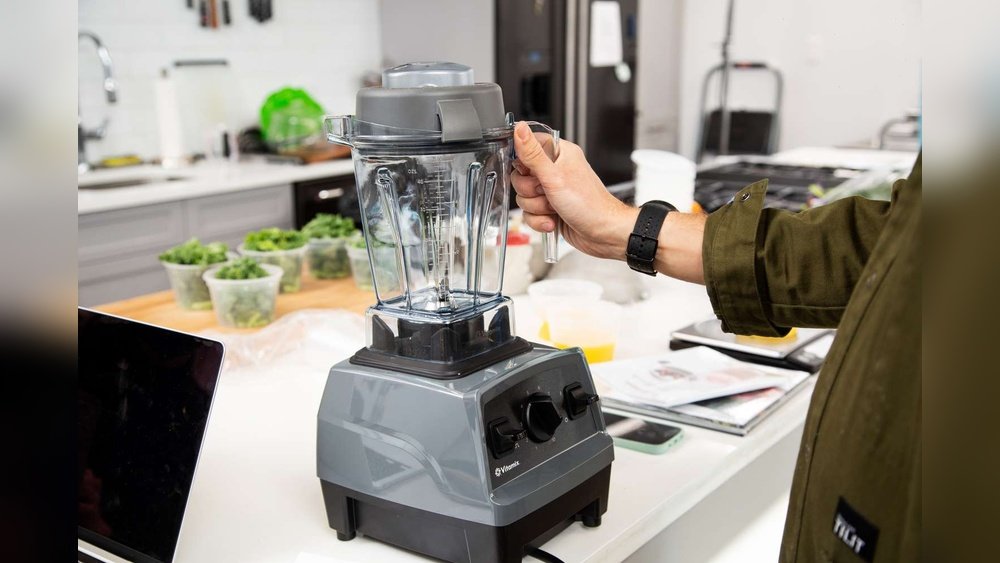
Blenders are essential for smoothies, soups, sauces, and even nut butters. Modern blenders can crush ice, puree vegetables, and handle tough ingredients. They are used in homes and restaurants for both drinks and food prep.
Key Features
- Powerful motors (300–1200 watts) can blend tough items like frozen fruit and ice cubes.
- Variable speed and pulse functions. You can control the texture, from chunky salsa to smooth drinks.
- Durable glass or plastic jar. Glass jars are heavier and resist stains, plastic jars are lighter and less likely to break.
- Easy-to-clean design—some jars and blades are dishwasher-safe.
- Some models feature programmable settings for smoothies, soup, ice crush, etc.
Advanced blenders may have digital displays, pre-set programs, and self-cleaning functions.
Benefits
- Smooth texture for drinks and foods. You can make creamy soups or silky smoothies.
- Handles hot and cold ingredients. Some blenders can even heat soup as they blend.
- Useful for meal prep—making pancake batter, chopping vegetables, blending dressings.
- Saves money on store-bought smoothies and juices.
Blenders are great for families with kids. You can hide vegetables in smoothies or make fresh baby food.
Ideal Users
- Smoothie lovers who want fresh drinks daily.
- Home cooks who prepare sauces, soups, and purees.
- Fitness enthusiasts who need protein shakes.
- Families who want quick breakfast options.
Buying Factors
- Motor strength: Higher wattage for tough ingredients like nuts or frozen fruit.
- Jar capacity: 24–72 oz. Larger jars are good for families.
- Blade quality: Stainless steel preferred for durability and sharper blending.
- Ease of cleaning: Dishwasher-safe parts save time.
- Noise level: Quieter models are good for early mornings.
Some blenders have extra features, like tamper sticks (to push food down) or personal-sized cups for on-the-go drinks.
Pros & Cons
Pros:
- Quick and easy blending for many foods.
- Versatile—can make drinks, soups, sauces, and even grind grains.
- Great for healthy eating—easy to add fruits and vegetables.
- Saves money on packaged foods.
Cons:
- Some models are noisy, which can disturb others.
- Cheap blenders may struggle with ice or nut butters.
- Large blenders take up space.
Non-obvious tip: Blenders can be used to make homemade almond milk, oat flour, or pancake mix. Many people only use blenders for drinks, but they can do much more.
- 👉 Read our full guide on the Best Blender for Protein Smoothies
- 👉 Read our full guide on the Best Blender for Protein Shakes
- 👉 Read our full guide on the Ninja Blender Cups Review
Food Processors
Food processors are perfect for chopping, slicing, shredding, mixing, and kneading. They save hours of manual labor and help create complex recipes with ease. Many professional cooks consider them essential for meal prep.
Key Features
- Multiple blades and discs. Different attachments help with cutting, grating, mixing, and more.
- Large work bowl (up to 14 cups). Bigger bowls handle more ingredients at once.
- Pulse and speed controls. You can control how fine or coarse the food is chopped.
- Safety interlocks. The machine won’t start unless the lid is securely in place.
Some models have feed tubes for adding ingredients while processing, and reversible blades for different functions.
Benefits
- Fast food prep—chop onions, carrots, or cheese in seconds.
- Consistent results—no uneven pieces.
- Makes dough, salsa, hummus, and more. You can knead bread, mix pastry, or make nut butter.
- Reduces kitchen mess—everything is contained in the bowl.
Food processors are great for prepping large meals, batch cooking, or parties.
Ideal Users
- Home bakers who make bread, cookies, or pastries.
- Busy parents who need to prep meals quickly.
- Meal preppers who cook in advance for the week.
- People with limited hand strength.
Buying Factors
- Bowl size: 7–14 cups. Small bowls are good for sauces, large bowls for family meals.
- Attachments: Slicing, shredding, dough blade. More attachments mean more uses.
- Motor power: 600–1200 watts for tough tasks like dough.
- Ease of assembly and cleaning. Look for simple designs and dishwasher-safe parts.
Check if the feed tube is wide enough for whole vegetables or fruits. Some models come with storage cases for blades.
Pros & Cons
Pros:
- Saves time on chopping, slicing, and mixing.
- Multi-functional—can replace several tools.
- Durable—good brands last for years.
- Makes meal prep less tiring.
Cons:
- Bulky—needs storage space.
- Can be tricky to clean, especially with many attachments.
- May be expensive.
Non-obvious tip: Food processors can make homemade nut butter, grind meat, and even whip cream. Beginners often don’t realize these extra uses.
👉 Read our full guide on the KitchenAid Food Processor Review
Immersion Blenders
Immersion blenders (hand blenders) blend soups, sauces, and smoothies directly in the pot or bowl. They are small and handy.
Key Features
- Compact design—easy to store.
- Multiple speed settings—control texture.
- Detachable blending shaft—for easy cleaning.
- Stainless steel blades—sharp and durable.
Some models have whisk and chopper attachments.
Benefits
- Saves time—no need to pour into blender.
- Less mess—blend in pot, fewer dishes.
- Easy to store—fits in drawer.
- Good for soups, sauces, and smoothies.
Immersion blenders are helpful for quick blending and small kitchens.
Ideal Users
- Home cooks—make soups and sauces.
- Soup lovers—blend directly in pot.
- Small kitchens—no space for big appliances.
- Students and singles.
Buying Factors
- Power: 200–800 watts. Higher power for tougher jobs.
- Ease of cleaning—removable shaft, dishwasher-safe.
- Blade quality—stainless steel preferred.
Check if the blender fits your favorite pot or bowl.
Pros & Cons
Pros:
- Portable—use anywhere.
- Versatile—can whisk, chop, blend.
- Easy to clean—few parts.
- Affordable—most cost under $50.
Cons:
- Not for heavy blending—can’t crush ice.
- Can splash—use deep pots.
- May not blend large batches.
Non-obvious tip: Immersion blenders can make whipped cream, mayonnaise, and baby food.
👉 Read our full guide on the Best Cordless Immersion Blender
Stand Mixers
Stand mixers are famous for baking but can do much more. They mix, knead, whip, and even grind meat with attachments. Many cooks use them for bread, cakes, and cookies.
Key Features
- Planetary mixing action for even results. The beater moves around the bowl and spins, so all ingredients are mixed well.
- Multiple speed settings for different tasks—slow for dough, fast for whipping cream.
- Stainless steel mixing bowl—durable and easy to clean.
- Attachments (whisk, dough hook, paddle) for different tasks.
- Optional add-ons (pasta maker, meat grinder, ice cream maker).
Some mixers have tilt-head designs for easy access, splash guards to prevent mess, and bowl-lift mechanisms for stability.
Benefits
- Perfect for bread, cakes, cookies—mixes dough evenly and saves effort.
- Hands-free operation—you can add ingredients while mixing.
- Powerful and consistent—no tired arms from manual mixing.
- Can expand with attachments for pasta, sausage, or even spiralizing vegetables.
Stand mixers are helpful for making whipped cream, mashed potatoes, or homemade pasta.
Ideal Users
- Bakers who make bread, cake, or cookies often.
- Cooking enthusiasts who like experimenting.
- Large families who bake in big batches.
- People with limited hand strength.
Buying Factors
- Bowl size: 4–7 quarts. Bigger bowls for large batches.
- Motor power: 250–1000 watts. More power for heavy dough.
- Attachment compatibility—some brands offer many add-ons.
- Brand reputation (KitchenAid is popular). Good brands offer better support and durability.
Some mixers have color options to match your kitchen, and others offer digital timers or touch controls.
Pros & Cons
Pros:
- Great for baking and more—can make pasta, grind meat, etc.
- Long-lasting—many mixers last decades.
- Expandable with attachments—adds value.
- Stable—doesn’t move around during use.
Cons:
- Heavy and expensive—some weigh over 20 lbs.
- Needs counter space—can be big and hard to store.
- Not ideal for small kitchens.
Non-obvious tip: Stand mixers can help with holiday baking or large family events, saving hours of work.
👉 Read our full guide on the KitchenAid 6 Quart Bowl-Lift Stand Mixer Review
Juicers
Juicers extract juice from fruits and vegetables. They’re popular for healthy diets and fresh drinks. Juicing is easy and fun.
Key Features
- Centrifugal or masticating (slow) styles. Centrifugal is fast, masticating gives higher yield and better nutrition.
- Wide feed chute—fits whole apples or carrots.
- Multiple speed settings—for soft and hard produce.
- Easy-to-clean parts—removable, dishwasher-safe.
Some juicers have pulp ejection, anti-drip spouts, and reverse functions.
Benefits
- Fresh juice at home—better taste and nutrition.
- Nutrient-rich drinks—more vitamins than store-bought juice.
- Saves money—use leftover produce.
- Can make nut milks and sorbets.
Juicers are good for fitness fans, families, and people on special diets.
Ideal Users
- Health enthusiasts—want fresh juice daily.
- Families with kids—fun and healthy drinks.
- Fitness fans—post-workout recovery.
- People who want to reduce sugar intake.
Buying Factors
- Juicing type: Centrifugal (fast) or masticating (slow, higher yield). Masticating is better for leafy greens.
- Ease of cleaning—look for fewer parts.
- Noise level—masticating is quieter.
- Durability—metal parts last longer.
Check if the juicer fits your favorite fruits and if it has a warranty.
Pros & Cons
Pros:
- Healthy drinks—no additives or preservatives.
- Customizable—mix fruits and veggies.
- Fun for kids—let them help.
- Can reduce grocery costs.
Cons:
- Can be messy—lots of pulp.
- Price varies—cheap models break easily.
- Takes time to clean.
Non-obvious tip: Juicers can make almond milk, baby food, and even salad dressings.
Read our related guides:
Food dehydrators remove moisture from food for preservation. Great for making snacks like dried fruit, jerky, or veggie chips. Save food and money.
Key Features
- Multiple drying trays—dry many foods at once.
- Adjustable temperature—control drying speed.
- Timer—set and forget.
- Even airflow—prevents uneven drying.
Some dehydrators have digital controls, clear doors, and recipe guides.
Benefits
- Homemade snacks—healthy, no additives.
- Preserves food—dry fruit, herbs, meat.
- Saves money—use garden produce or leftovers.
- Good for camping and travel.
Food dehydrators are helpful for gardeners, snack makers, and healthy eaters.
Ideal Users
- Snack makers—make fruit leather, jerky.
- Gardeners—preserve harvest.
- Healthy eaters—avoid processed snacks.
- Campers—make lightweight food.
Buying Factors
- Number of trays—more trays, more food.
- Temperature range—important for meat or herbs.
- Ease of cleaning—removable trays.
- Noise level—quiet models are best.
Check if the dehydrator fits your favorite foods and has a timer.
Pros & Cons
Pros:
- Healthy snacks—no chemicals.
- Saves food—reduce waste.
- Customizable—mix flavors.
- Good for travel—lightweight food.
Cons:
- Slow process—can take hours.
- Takes up space.
- Can be noisy.
Non-obvious tip: Dehydrators can dry flowers, make pet treats, and even craft materials.
Read our related guides:
Beverage Appliances
Beverage appliances make it easy to prepare your favorite hot and cold drinks at home. From brewing fresh coffee to boiling water for tea, these appliances add convenience and enhance your daily routine.
Coffee Makers
Coffee makers are a staple in most American homes. They brew fresh coffee quickly and are available in many styles: drip, single-serve, French press, and more. Coffee makers can change your morning routine.
Key Features
- Programmable timers let you set brew times in advance.
- Multiple brew strengths—choose strong or mild.
- Thermal carafe or glass pot—thermal keeps coffee hot longer.
- Built-in water filter—improves taste and removes impurities.
Some coffee makers have touch screens, self-cleaning cycles, and smart connectivity (control with phone).
Benefits
- Fresh coffee on demand—wake up to hot coffee.
- Customizable brewing—choose flavor, strength, and cup size.
- Saves money over café coffee—costs less per cup.
- Can brew tea or hot chocolate in some models.
Coffee makers are good for offices, families, and entertaining guests.
Ideal Users
- Coffee lovers who drink daily.
- Office workers needing quick caffeine.
- Families who want big pots for breakfast.
- Students and professionals needing fast drinks.
Buying Factors
- Capacity: Single cup to 12 cups. Choose based on family size.
- Programmable features—timers, auto shut-off, brew pause.
- Brew speed—fast models save time.
- Maintenance: Easy cleaning and descaling. Some have removable parts.
Check if the coffee maker fits your favorite mug size, and if it has reusable filters to save money.
Pros & Cons
Pros:
- Convenient—no need for manual brewing.
- Customizable—change strength, temperature, and cup size.
- Affordable—saves money over buying coffee outside.
- Good for guests and parties.
Cons:
- Some models take up space.
- Regular cleaning needed to avoid buildup.
- Cheap models may break quickly.
Non-obvious tip: Coffee makers can brew iced coffee, tea, and even make hot water for instant soup or oatmeal.
👉 Read our full guide on the Best Commercial Coffee Makers
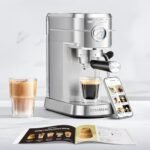
Espresso Machines
Espresso machines bring café-quality coffee home. They make espresso, cappuccino, latte, and more with pressure and steam. These machines can turn your kitchen into a coffee shop.
Key Features
- Pump pressure (9–15 bars) is needed for real espresso. Lower pressure makes weak coffee.
- Steam wand for milk frothing—makes lattes and cappuccinos.
- Programmable shot settings—control amount and strength.
- Built-in grinder (in some models)—fresh ground beans for better taste.
Some machines have cup warmers, automatic cleaning, and digital displays.
Benefits
- Café-quality drinks—strong espresso, creamy foam.
- Customizable espresso shots—adjust flavor and size.
- Saves money—no need to buy drinks outside.
- Can use flavored syrups and special beans.
Espresso machines are popular with coffee lovers, home baristas, and small offices.
Ideal Users
- Espresso fans who want strong coffee.
- Home baristas who like making latte art.
- Small offices needing fast, quality drinks.
- People who entertain guests.
Buying Factors
- Pressure rating—higher is better for crema.
- Ease of use—automatic vs manual.
- Size and water tank capacity—small tanks need frequent refills.
- Milk frothing ability—good steam wands make better foam.
Check if the machine fits your favorite cup size, and if it is easy to clean. Some models require descaling.
Pros & Cons
Pros:
- Professional quality drinks at home.
- Many drink options—espresso, latte, cappuccino, Americano.
- Durable—good machines last years.
- Customizable—use different beans and recipes.
Cons:
- Higher price—can cost hundreds of dollars.
- Learning curve—takes practice to master.
- Needs cleaning and maintenance.
Non-obvious tip: Espresso machines can make hot chocolate, chai latte, and even steam milk for desserts.
Read our related guides:
Electric Kettles
Electric kettles heat water quickly and safely. They’re perfect for tea, coffee, instant noodles, and oatmeal. A must for fast drinks.
Key Features
- Rapid boil (1–3 minutes)—very fast heating.
- Auto shut-off—prevents boiling dry.
- Cordless design—easy pouring.
- Temperature control (in premium models)—choose the right heat for different drinks.
Some kettles have LED indicators, keep-warm settings, and filters for better taste.
Benefits
- Fast boiling—much quicker than stove.
- Safe for all ages—automatic shut-off.
- Portable—use anywhere with outlet.
- Good for hot drinks, instant meals.
Electric kettles are helpful for offices, dorms, and busy homes.
Ideal Users
- Tea and coffee lovers.
- Students needing quick meals.
- Offices with many employees.
- Families with kids.
Buying Factors
- Capacity: 1–2 liters. Choose size based on use.
- Boil speed—faster is better.
- Safety features—auto shut-off, cool-touch handle.
- Ease of cleaning—removable filter, wide opening.
Check if the kettle has temperature presets for green tea or coffee.
Pros & Cons
Pros:
- Super fast boiling.
- Safe—auto shut-off, cool handle.
- Easy to use—just fill and switch on.
- Compact—fits most counters.
Cons:
- Limited use—mainly for water.
- Cheap models may break easily.
- Some models can be noisy.
Non-obvious tip: Electric kettles can sterilize bottles, make instant soup, and help with baking.
Read our related guides:
- Best Rated Electric Kettle
- Electric Kettle With Temperature Control
- Best Electric Tea Kettle Without Plastic
- Stainless Steel Electric Tea Kettle
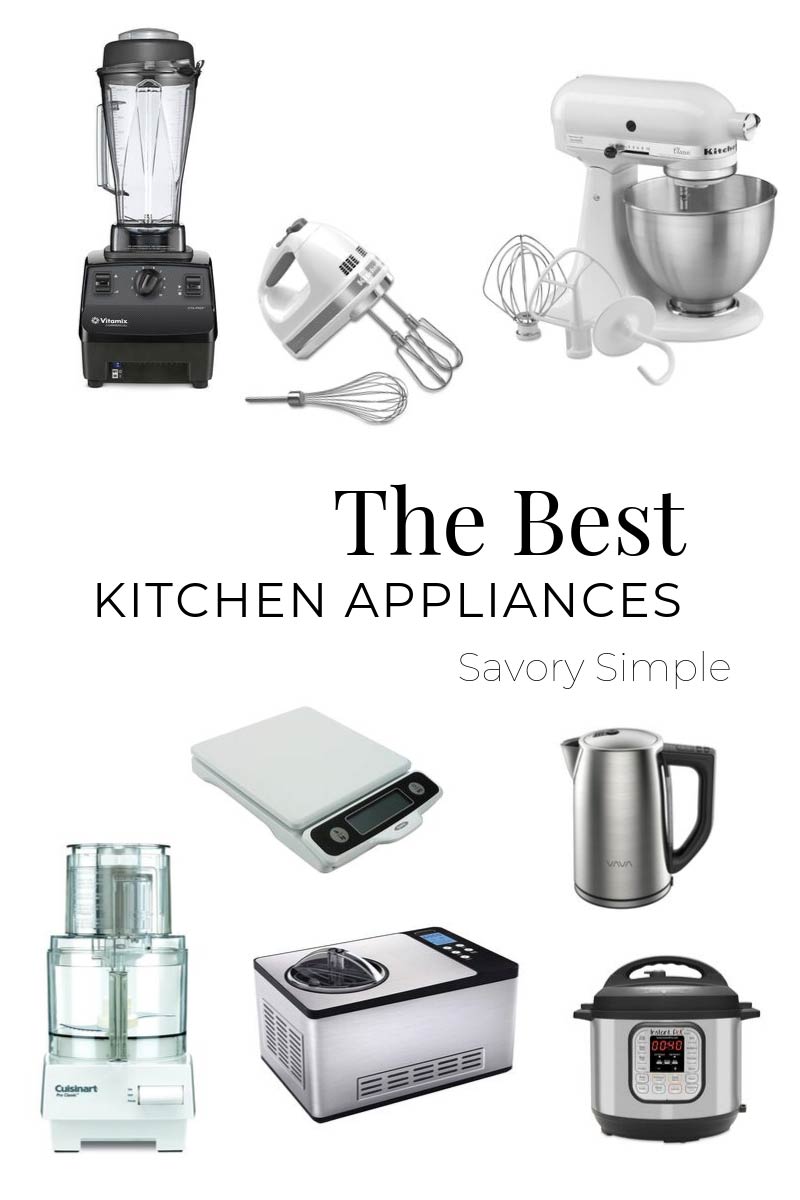
Credit: www.savorysimple.net
Baking Appliances
Baking appliances are designed to help you create fresh bread, cakes, pastries, and other homemade treats with consistent results. Whether you’re a beginner or an experienced baker, they make baking easier, more accurate, and more enjoyable.
Bread Makers
Bread makers automate baking bread. Add ingredients, select a setting, and get fresh bread in a few hours. Homemade bread is easy and fun.
Key Features
- Multiple bread programs—white, whole wheat, gluten-free, etc.
- Delay timer—fresh bread in the morning.
- Crust color control—light, medium, dark.
- Removable bread pan—easy cleaning.
Some bread makers have jam, cake, and pasta dough settings.
Benefits
- Fresh bread anytime—no preservatives.
- Custom recipes—add seeds, nuts, herbs.
- Saves money—cheaper than bakery.
- Good for allergies—make gluten-free or special bread.
Bread makers are helpful for families, people with allergies, and bread lovers.
Ideal Users
- Bread lovers—want fresh bread daily.
- Families—kids love homemade bread.
- People with dietary needs—gluten-free, low salt.
- Home bakers—experiment with recipes.
Buying Factors
- Loaf size—1–2 lbs, choose based on family.
- Program variety—more programs, more flexibility.
- Ease of cleaning—removable pan, nonstick.
- Durability—metal parts last longer.
Check if the bread maker fits your favorite recipes and has a timer.
Pros & Cons
Pros:
- Fresh bread—better taste and nutrition.
- Customizable—add ingredients.
- Easy—just add ingredients and press start.
- Good for special diets.
Cons:
- Takes time—usually 2–4 hours.
- Bulky—needs storage space.
- Can be noisy—especially during kneading.
Non-obvious tip: Bread makers can make jam, cake, and pizza dough.
👉 Read our full guide on the Best Sourdough Bread Maker Machine
Specialty Appliances
Specialty appliances are built for specific cooking tasks, allowing you to prepare unique recipes with greater convenience and precision. They are perfect for home cooks who want to expand their kitchen capabilities beyond everyday essentials.
Ice Cream Makers
Ice cream makers make frozen desserts at home. Most use a frozen bowl or compressor to churn ice cream, sorbet, or gelato. Custom desserts are possible.
Key Features
- Automatic or manual churn—automatic is easier.
- Removable bowl—easy cleaning.
- Timer—controls churning time.
- Multiple dessert settings—ice cream, sorbet, gelato.
Some makers have built-in compressors for fast freezing, and digital controls.
Benefits
- Custom flavors—add fruits, nuts, chocolate.
- Fun for families—kids love making ice cream.
- Saves money—cheaper than store-bought.
- Good for allergies—make dairy-free or low sugar.
Ice cream makers are great for parties, family nights, and special diets.
Ideal Users
- Dessert lovers—want fresh ice cream.
- Families—fun activity for kids.
- Party hosts—serve custom desserts.
- People with allergies—control ingredients.
Buying Factors
- Type: Compressor (fast, no pre-freezing) or frozen bowl (requires pre-freezing).
- Capacity—choose based on family size.
- Ease of cleaning—removable parts.
- Noise level—compressors are quieter.
Check if the maker fits your favorite recipes and is easy to clean.
Pros & Cons
Pros:
- Custom desserts—control flavors and ingredients.
- Fun—kids love helping.
- Saves money—no need for expensive brands.
- Good for special diets.
Cons:
- Bulky—needs storage.
- Can be noisy—especially manual models.
- Takes time—usually 30–60 minutes.
Non-obvious tip: Ice cream makers can make frozen yogurt, sherbet, and even slushies.
Read our related guides:
Basic Kitchen Appliances
Basic kitchen appliances are everyday essentials that support quick meal preparation and daily cooking routines. These reliable appliances provide convenience, save time, and are found in almost every modern kitchen.
Toasters
Toasters are simple but essential. They brown bread, bagels, and waffles quickly. A good toaster can make breakfast easy.
Key Features
- Multiple slots (2 or 4)—for bread or bagels.
- Adjustable browning controls—choose light or dark toast.
- Bagel and defrost settings—special modes for different foods.
- Removable crumb tray—easy cleaning.
Some toasters have extra-wide slots for thick bread or pastries, and lift-and-look features to check toast mid-cycle.
Benefits
- Quick breakfast—toast in minutes.
- Easy to use—just press a button.
- Consistent results—no burnt or undercooked bread.
- Can toast frozen items.
Toasters are good for families, students, and busy professionals.
Ideal Users
- Families who eat toast, bagels, waffles.
- Students needing fast snacks.
- Busy professionals with limited time.
- People who like simple appliances.
Buying Factors
- Slot size: Wide slots for bagels, English muffins.
- Settings: Bagel, frozen, reheat. More settings mean more flexibility.
- Build quality: Stainless steel preferred for durability.
Check if the toaster fits your favorite bread type, and if it is easy to clean.
Pros & Cons
Pros:
- Fast—toast ready in minutes.
- Simple—no complicated controls.
- Inexpensive—good models cost under $50.
- Compact—fits most counters.
Cons:
- Limited use—only for bread and similar foods.
- Needs regular cleaning—crumbs can cause smoke.
- Cheap models may break easily.
Non-obvious tip: Toasters can warm tortillas, pastries, and even heat leftover pizza slices.
Read our related guides: Toaster Vs Toaster Oven
Rice Cookers
Rice cookers ensure perfect rice every time. They’re great for grains, quinoa, and even steaming vegetables. They make meal prep easier.
Key Features
- Automatic shut-off—no risk of burning.
- Keep-warm function—keeps rice hot for hours.
- Nonstick inner pot—easy cleaning.
- Steaming tray (in some models)—steam vegetables or dumplings.
Some rice cookers have quick-cook modes, delay timers, and multi-grain settings.
Benefits
- No guesswork for rice—always fluffy.
- Keeps rice warm for hours—good for busy families.
- Can cook other grains—quinoa, barley, oats.
- Easy to use—just add water and rice.
Rice cookers are helpful for meal prep, parties, and daily dinners.
Ideal Users
- Asian cuisine lovers—rice is a staple.
- Families who eat rice often.
- Meal preppers—cook big batches.
- Students and singles.
Buying Factors
- Capacity: 3–10 cups. Choose based on family size.
- Keep-warm feature—important for busy schedules.
- Easy cleaning—removable, nonstick pot.
- Versatility—can steam vegetables, cook porridge.
Check if the cooker has fuzzy logic (smart sensors for better cooking).
Pros & Cons
Pros:
- Perfect rice every time.
- Hands-off cooking—no stirring or watching.
- Reliable—few breakdowns.
- Good for batch cooking.
Cons:
- Single-purpose—mainly for rice.
- Takes up space—especially in small kitchens.
- Cheap models may break easily.
Non-obvious tip: Rice cookers can make oatmeal, steamed eggs, and even small cakes.
👉 Read our full guide on the Best Rice Cookers for Microwave
Large Kitchen Appliances
Large kitchen appliances form the foundation of a functional kitchen by handling food storage, cleaning, and ventilation. Investing in high-quality major appliances improves efficiency, energy savings, and overall kitchen performance.
Refrigerators
Refrigerators are the most important kitchen appliance. They keep food fresh, beverages cold, and ingredients ready. Every home needs one.
Key Features
- Adjustable shelves—fit big items.
- Temperature control—keeps food safe.
- Ice and water dispenser—convenient drinks.
- Energy efficiency—low electricity use.
Some refrigerators have smart controls, door alarms, and air filters.
Benefits
- Preserves food—less waste.
- Prevents spoilage—keeps food safe.
- Essential for every home—can’t live without.
- Good for parties—cold drinks and snacks.
Refrigerators are needed by all households, large families, and apartment dwellers.
Buying Factors
- Size and capacity—measure kitchen and family needs.
- Style: Top-freezer, side-by-side, French door—choose based on space and use.
- Energy rating—ENERGY STAR saves money.
- Extra features: Smart controls, ice maker, water filter.
Check if the fridge fits your kitchen layout and favorite foods.
Pros & Cons
Pros:
- Essential—can’t store food without.
- Reliable—good brands last years.
- Saves money—less food waste.
- Modern features—smart controls, filters.
Cons:
- Expensive—advanced models cost more.
- Needs space—measure before buying.
- Can break down—needs repairs.
Non-obvious tip: Refrigerators can store medicine, beauty products, and even batteries.
👉 Read our full guide on the Top Best Refrigerator
👉 Read our full guide on the Best Rated Counter Depth Refrigerator.

Credit: www.everydaycheapskate.com
Freezers
Freezers store food long-term. They’re available as chest or upright models. Great for bulk buying.
Key Features
- Adjustable temperature—control freezing.
- Multiple compartments—organize food.
- Energy efficient—low power use.
- Manual or auto defrost—auto is easier.
Some freezers have lockable doors and quick-freeze settings.
Benefits
- Bulk food storage—buy in advance.
- Reduces grocery trips—store months of food.
- Preserves food—reduce waste.
- Good for hunters and gardeners.
Freezers are helpful for large families, bulk shoppers, and anyone who wants to save money.
Buying Factors
- Size: Chest or upright—choose based on space.
- Capacity—measured in cubic feet.
- Energy rating—look for low power use.
- Defrost type—auto is easier.
Check if the freezer fits your space and favorite foods.
Pros & Cons
Pros:
- Saves money—buy in bulk.
- Large storage—fits big items.
- Preserves food—less waste.
- Good for emergencies—store meals.
Cons:
- Needs space—measure before buying.
- Manual defrost can be tedious—takes time.
- Can be expensive.
Non-obvious tip: Freezers can store bread, flour, and even herbs.
Read our related guides:
Dishwashers
Dishwashers clean dishes automatically, saving time and water. They’re standard in most US homes. Essential for big families.
Key Features
- Multiple wash cycles—quick, heavy, eco.
- Adjustable racks—fit big pots or many plates.
- Energy and water efficiency—uses less than hand washing.
- Quiet operation—some models are very silent.
Some dishwashers have smart controls, sanitizing cycles, and auto-dry features.
Benefits
- Saves time—no more hand washing.
- Sanitizes dishes—kills germs.
- Uses less water—good for environment.
- Good for big families—cleans many dishes at once.
Dishwashers are helpful for busy homes, offices, and parties.
Ideal Users
- Families—lots of dishes.
- Busy professionals—save time.
- Large households—big capacity.
- People with allergies—sanitizing cycles.
Buying Factors
- Size: Standard or compact—measure kitchen space.
- Capacity: Measured in place settings—choose based on family.
- Noise level—quiet models are good for open kitchens.
- Energy efficiency—look for ENERGY STAR.
Check if the dishwasher fits your favorite dishes and is easy to load.
Pros & Cons
Pros:
- Convenient—no manual washing.
- Efficient—uses less water.
- Hygienic—sanitizing cycles.
- Quiet—good for families.
Cons:
- Needs installation—may be expensive.
- Price varies—advanced models cost more.
- May not fit big pots.
Non-obvious tip: Dishwashers can clean toys, shoes, and even vegetables.
Read our related guides:
Range Hoods
Range hoods vent smoke, steam, and odors from cooking. They’re essential for safety and air quality. Keeps kitchen clean.
Key Features
- Cubic feet per minute (CFM) rating—higher is better.
- Multiple fan speeds—control suction.
- Lights for cooking area—better visibility.
- Ducted or ductless—choose based on home.
Some hoods have touch controls, auto-sensing, and filters for grease and odors.
Benefits
- Removes smoke and smells—no lingering odors.
- Improves air quality—healthier home.
- Prevents grease buildup—easier cleaning.
- Safer cooking—less risk of fire.
Range hoods are helpful for home cooks, families, and apartment dwellers.
Buying Factors
- CFM rating: Higher for gas ranges or heavy cooking.
- Noise level—quiet is better.
- Installation type—wall, island, under-cabinet.
- Filter type—replaceable or washable.
Check if the hood fits your stove and kitchen layout.
Pros & Cons
Pros:
- Cleaner kitchen—less grease.
- Safer—removes smoke.
- Essential for heavy cooking.
- Stylish—adds value.
Cons:
- Needs installation—can be costly.
- Can be noisy—check decibel rating.
- May require maintenance.
Non-obvious tip: Range hoods can prevent mold, protect walls, and improve resale value.
Read our related guides:
Appliance Comparison Tables
When shopping for the best kitchen appliances, it’s helpful to compare features, price, and size. Here’s a detailed comparison of three popular categories:
| Appliance | Average Price | Capacity | Key Features | Ideal For |
|---|---|---|---|---|
| Air Fryer | $60–$180 | 2–6 quarts | Rapid air, presets, timer | Families, healthy cooks |
| Stand Mixer | $200–$500 | 4–7 quarts | Planetary mixing, attachments | Bakers, large families |
| Microwave | $80–$300 | 0.7–2.0 cu ft | Preset functions, turntable | All households |
For bigger appliances, here’s a comparison:
| Appliance | Size | Energy Rating | Special Features | Common Mistake |
|---|---|---|---|---|
| Refrigerator | 18–30 cu ft | ENERGY STAR | Ice maker, smart controls | Buying too small for family |
| Dishwasher | 24 in standard | ENERGY STAR | Adjustable racks, quiet | Ignoring noise level |
| Range Hood | 30–36 in | N/A | Multiple speeds, lights | Low CFM for gas stoves |
And for specialty appliances:
| Appliance | Best Use | Price Range | Top Buying Factor | Hidden Advantage |
|---|---|---|---|---|
| Juicer | Fresh juice | $60–$350 | Masticating for yield | Reduces grocery costs |
| Ice Cream Maker | Homemade desserts | $50–$250 | Compressor type | Custom flavors |
| Wine Cooler | Wine storage | $130–$800 | Shelving type | Protects investment |
Expert Tips For Buying Kitchen Appliances
- Measure your space before buying. Many buyers forget this and end up with appliances that don’t fit. Take a tape measure and check height, width, and depth, including door clearance and plug access.
- Check wattage and energy ratings. Higher wattage means faster cooking but also more energy use. Look for ENERGY STAR labels for big appliances.
- Choose appliances with multiple functions. Multi-use appliances save counter space and money. For example, a pressure cooker can also slow cook and steam.
- Look for easy cleaning features like dishwasher-safe parts or removable trays. Stainless steel and nonstick surfaces are easier to clean.
- Read real user reviews, not just marketing claims. Check for reliability, ease of use, and after-sales support.
- If you cook often, invest in durable brands. Cheaper appliances may break quickly. Look for brands with good warranties and repair options.
- For families, capacity is crucial. Always buy bigger than you think you need. Extra space helps when guests visit or family grows.
- Check noise levels—especially for dishwashers, blenders, and range hoods. Quiet models make kitchen life more pleasant.
- Think about future needs. If you plan to grow your family or cook more, choose appliances that can handle it. Modular or expandable appliances are smart.
- Don’t ignore warranty and support. Reliable after-sales service is a hidden benefit. Ask about repair costs and replacement parts.
Bonus tip: Consider color and design. Appliances that match your kitchen style make the space feel inviting.
Common Mistakes When Buying Kitchen Appliances
- Buying based only on price, not features or durability. Cheap appliances break faster and may lack needed functions.
- Not measuring space before purchase. Many people return appliances because they don’t fit.
- Ignoring energy efficiency (can increase electricity bills). High-power appliances can cost more over time.
- Choosing appliances with limited functions. Multi-use models are better for small kitchens.
- Forgetting about noise levels. Loud appliances can disturb family or neighbors.
- Skipping reviews and expert ratings. Real feedback reveals hidden problems.
- Not considering long-term needs (family growth, new recipes). Buy for the future, not just today.
Another mistake: Buying trendy appliances you won’t use. Ask yourself if you’ll really use that ice cream maker or food dehydrator.
Non-obvious Insights
Many buyers overlook the importance of after-sales service. Appliances can break or need repairs, so a strong warranty and customer support make a big difference. Another common mistake is ignoring water and energy efficiency. For large appliances like dishwashers and refrigerators, choosing ENERGY STAR models can save hundreds of dollars over their lifetime.
Some specialty appliances, like wine coolers and food dehydrators, have hidden advantages: they can actually protect your investment (wine) or reduce food waste (dehydrators). Many people don’t realize that multi-use appliances, like an electric pressure cooker, can replace several others (rice cooker, slow cooker, yogurt maker), saving both space and money.
Another hidden insight: Appliances with digital controls and smart features may be more reliable and easier to use, but only if you are comfortable with technology. Choose simple models if you prefer traditional controls.
When Should You Upgrade?
- Your current appliance is over 10 years old. Old appliances are less efficient and may break soon.
- Repairs cost more than replacement. Sometimes it’s cheaper to buy new.
- New models offer significant energy savings. Modern appliances cut utility bills.
- You want to try new recipes or cooking styles. Upgrading opens new possibilities.
- Family size has grown. Bigger appliances are needed.
- Your kitchen layout changes (remodeling). New appliances may fit better.
Bonus reason: If your appliance is noisy, hard to clean, or unreliable, it’s time to upgrade.
Where To Find More Information
For deep reviews and comparisons, check trusted sources like Consumer Reports or official manufacturer websites. For the latest energy ratings and statistics, visit the US Department of Energy. For a complete overview on appliance energy use, see Wikipedia.
Frequently Asked Questions
What Is The Most Essential Kitchen Appliance?
The refrigerator is the most essential kitchen appliance. It keeps food fresh, safe, and ready to use. Without it, meal planning and food storage become very difficult. Every kitchen needs a fridge—without it, groceries spoil and meal options are limited.
How Do I Choose The Right Size Appliance For My Kitchen?
Measure your kitchen space carefully, including counter height, width, and depth. Consider appliance capacity (quarts, cubic feet, cups, or place settings) and family size. It’s better to buy slightly larger than you think you need, but avoid appliances that dominate your kitchen.
Remember to leave space for doors to open and ventilation.
Are Energy-efficient Appliances Worth The Extra Cost?
Yes. Energy-efficient appliances (like ENERGY STAR rated) use less electricity and water. They cost a bit more upfront but save money over time—sometimes hundreds of dollars per appliance. They also help protect the environment.
What Are The Best Brands For Kitchen Appliances?
Popular brands in the US include KitchenAid, Whirlpool, GE, Samsung, Breville, and Cuisinart. Choose brands with good reviews, strong warranties, and reliable customer support. Research which brands offer good repair services and parts.
Can One Appliance Do The Job Of Several?
Yes, some appliances are multi-use. For example, electric pressure cookers can slow cook, steam, and make rice. Toaster ovens can bake, broil, and toast. This helps save money and space. Always check features before buying.
The right kitchen appliances can transform your cooking experience, making it easier, faster, and more enjoyable. By understanding each appliance’s features, benefits, and ideal users, you can build a kitchen that fits your needs and lifestyle. Always consider space, energy use, and future needs when buying.
With smart choices, your kitchen will become a hub for great meals and happy memories.