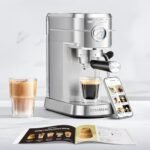
The best affordable espresso machine delivers rich shots, simple controls, and café-style drinks without a huge price. This guide compares budget espresso machines to help you find an option that fits your needs and spending limit.
You may love espresso drinks but dislike paying café prices every morning. A compact home machine can solve that problem, yet low prices often bring confusing claims, weak steam, or messy cleanup. I focused on practical features that matter most: pump pressure, heat-up speed, water tank size, milk frothing, counter space, and daily ease of use. The models below suit new users, small kitchens, home offices, and anyone who wants better coffee without overspending.
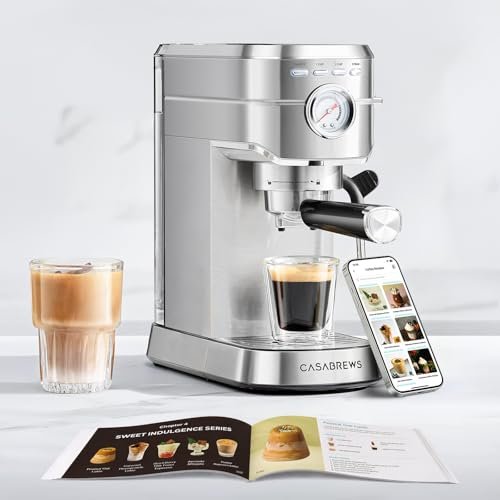
CASABREWS CM5418 Espresso Machine

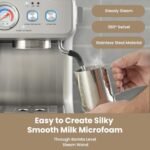
The CASABREWS CM5418 is a compact espresso maker made for people who want a simple starting point. Its small footprint works well on a narrow kitchen counter, apartment bar, or office shelf. The machine includes a milk frothing steam wand, so you can make lattes, cappuccinos, and other milk drinks at home. Its design also gives the machine a neat, modern look without taking over your coffee area.
I like this model for its balance of useful features and approachable controls. A new espresso user can learn the basic steps without dealing with a large digital menu or many settings. The removable water tank makes refilling easier, while the stainless-style finish should fit most kitchen layouts. As an affordable espresso machine, it makes the most sense for casual daily use rather than high-volume serving.
Pros:
- Compact size suits small kitchens and office counters
- Includes a steam wand for lattes and cappuccinos
- Simple controls help beginners learn faster
- Removable water tank makes filling and cleaning easier
- Modern exterior looks more polished than many entry-level models
- Useful choice for single and double espresso routines
Cons:
- Small machines may need more frequent refills during busy use
- Manual milk steaming takes practice
- Basic controls offer less adjustment than higher-priced machines
In daily use, the main learning curve comes from the coffee itself. Fresh beans, a fine grind, and a firm, level tamp matter as much as the machine. I suggest starting with a modest dose and changing one variable at a time. That approach helps you find a smoother shot without wasting coffee.
The steam wand adds real value, but it does not remove the need for technique. Keep the wand tip near the surface of the milk at first, then lower it slightly as the milk warms. Wipe and purge the wand after every use to prevent dried milk from blocking the tip. That small habit protects performance and keeps cleanup far less stressful.
AERCANA 20-Bar Espresso Machine

The AERCANA espresso machine targets shoppers who want strong pump pressure, a compact body, and a milk frother at a modest cost. It features a listed 20-bar pump and a 34-ounce removable water tank. That tank size gives you a little more breathing room than very small entry models. The stainless steel finish also makes it a natural fit for a home kitchen, dorm setup, or office coffee corner.
This machine is appealing because it covers the main jobs most home users expect. You can brew espresso, add steamed milk, and make drinks that feel more special than plain drip coffee. The removable tank helps with both filling and washing. For shoppers comparing the Best Affordable Espresso Machine options, this model stands out when water capacity and a strong pressure specification matter.
Pros:
- 34-ounce removable water tank supports several drinks
- Listed 20-bar pump offers a strong pressure specification
- Milk frother expands the drink menu beyond espresso
- Compact body works in homes, dorms, and offices
- Stainless steel finish is easy to match with other appliances
- Removable parts make routine filling more convenient
Cons:
- A 20-bar label does not guarantee a perfect extraction
- Manual frothing requires patience and practice
- The larger tank may still need frequent filling in a busy office
One important point deserves attention: more advertised bar pressure does not automatically mean better espresso. Espresso quality depends on stable brewing pressure, water temperature, grind size, dose, and puck preparation. I treat the 20-bar figure as a pump capability claim, not a promise that every cup will taste café-perfect. Good beans and a proper grind still lead the way.
The AERCANA is a practical pick for a person who wants to make two or three milk drinks without stopping to refill the tank. It can also suit a couple who share one morning coffee station. Before buying, measure the space under your cabinets and leave room above the machine for the water tank. A few minutes of planning can prevent a frustrating counter fit.
CASABREWS 3700 Espresso Machine

The CASABREWS 3700 Essential focuses on the parts that most beginners need: espresso brewing, a steam wand, and a durable-looking stainless steel body. It has a clean design that should feel at home beside a grinder and a kettle. The steam wand lets you texture milk for cappuccinos and lattes instead of relying only on black coffee. Its straightforward format may appeal to users who prefer buttons and hands-on control.
I see this model as a useful middle ground for a new home barista. It is not overloaded with settings, so the brewing process stays easy to understand. At the same time, it gives you room to improve as you learn about grind size, tamping, and milk texture. That makes it a strong affordable espresso machine for someone who wants to build skill rather than press one automatic button.
Pros:
- Stainless steel design gives the machine a solid visual appeal
- Steam wand supports homemade latte and cappuccino drinks
- Simple layout is friendly for first-time espresso users
- Manual controls let you take part in the brewing process
- Compact format saves valuable counter space
- Good platform for learning basic barista skills
Cons:
- Manual brewing needs more attention than a superautomatic machine
- Milk texture may vary until the user learns the wand
- Stainless surfaces can show fingerprints and water marks
The best way to use this machine is to keep your routine consistent. Use the same coffee dose, cup, and approximate shot time while you learn. If the espresso tastes sharp and thin, try a finer grind or a slightly longer extraction. If it tastes bitter and dry, a coarser grind or shorter shot may help.
I also recommend using a small scale if you want repeatable results. A scale costs far less than many espresso accessories and can teach you more than guesswork. Keep the portafilter dry before adding coffee, distribute the grounds evenly, and tamp straight down. These steps turn an inexpensive machine into a much more capable coffee tool.
atatix 20-Bar Espresso Machine

The atatix espresso machine is built around a 20-bar pressure claim and a built-in milk frother. That combination gives budget shoppers access to the two features they ask about most. It can serve as a small home coffee station for espresso, cappuccino, and latte drinks. The compact form should also help people who have limited room but still want a hands-on brewing setup.
This model may work especially well for occasional users. You can enjoy a café-style drink on weekends or make a quick shot after dinner without investing in a large machine. The frother adds flexibility for warm milk drinks, cocoa, and similar recipes. When judged as a Best Affordable Espresso Machine candidate, its strongest appeal is feature coverage at an entry-level price point.
Pros:
- Listed 20-bar pressure suits budget shoppers seeking a strong specification
- Built-in milk frother supports several popular coffee drinks
- Small footprint fits apartments and compact counters
- Useful for espresso, cappuccino, and latte routines
- Hands-on controls help users learn the brewing process
- Good option for occasional home coffee use
Cons:
- Pressure numbers alone do not predict flavor quality
- Manual frothing can be slow for several drinks in a row
- Entry-level machines usually offer limited control over temperature
When a machine lists 20 bars, I remind readers to focus on the whole brewing system. The coffee puck needs even water flow, and the grind must suit espresso. A pressurized basket can make the first attempts easier, but it may not provide the same control as a more advanced setup. That is not a flaw for a beginner; it simply sets the right expectation.
Clean the portafilter and basket after each session. Empty standing water, wipe the steam wand, and follow the care instructions for descaling. Hard water can leave mineral deposits that affect flow and heat. Regular care costs little, takes only a few minutes, and helps protect the value of a low-cost espresso maker.
Chefman CraftBrew Espresso Machine
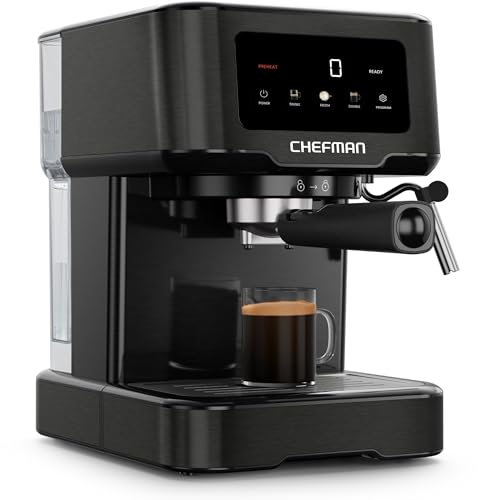
The Chefman CraftBrew brings a 15-bar pump, a digital espresso maker format, and a steam wand into one compact package. Its 1.5-liter removable water reservoir is the largest listed capacity in this group. That size may help households that prepare several cups before work or serve guests on the weekend. The stainless black finish gives it a modern look while keeping the design fairly easy to place.
I would look closely at this machine if convenience matters more than the lowest possible price. The digital controls can make the process feel more guided, while the steam wand still gives you a hands-on way to prepare milk. A 15-bar pump is also a sensible specification for a home espresso machine; chasing the highest number is not necessary for a good shot. This model is a strong contender for the Best Affordable Espresso Machine for busier homes.
Pros:
- Large 1.5-liter removable water reservoir
- Digital controls can make operation feel more guided
- 15-bar pump suits normal home espresso brewing
- Steam wand supports latte and cappuccino preparation
- Good choice for households making several drinks
- Modern stainless black finish fits many kitchen styles
Cons:
- Larger body may need more counter space
- Digital parts can feel less simple than manual switches
- Manual milk steaming still takes practice
The 1.5-liter tank is a real benefit for shared use, but a larger reservoir does not mean you can ignore fresh water. I prefer to refill with clean water often, especially if the machine sits unused for a few days. Fresh water helps the coffee taste cleaner and reduces stale odors. Always check the tank position before placing the machine beneath low cabinets.
The Chefman may also suit a person who wants a smoother path from beginner to regular home barista. Digital controls can reduce some guesswork, but they do not replace good coffee preparation. Use a quality grinder, warm the cup, and avoid rushing the shot. The machine can open the door, but your coffee routine still decides what comes through it.
What to Look For in an Affordable Espresso Machine
Buying the cheapest machine can save money today and create frustration tomorrow. I look for a useful mix of brewing control, simple care, and sensible construction. The Best Affordable Espresso Machine should make it easy to repeat a drink, not just advertise a large pressure number. A good budget pick also needs to fit the user’s counter, schedule, and skill level.
Pump Pressure
Many entry-level machines advertise 15 or 20 bars. That figure usually describes the pump’s maximum ability, not the exact pressure reaching the coffee puck during extraction. In practical terms, a stable brew process matters more than a dramatic number on the box. I would rather see a machine used with fresh coffee and an even grind than one with a higher rating and poor preparation.
Heating and Workflow
Budget espresso makers often use a thermoblock or similar compact heating system. These systems can heat water quickly, but the machine may need a short pause when switching from brewing to steaming. That pause is normal for many small machines. If you make several milk drinks, choose a model with controls and a tank that make the workflow easy.
Steam Wand Quality
A steam wand can turn plain espresso into a latte, flat white, or cappuccino. Look for a wand that moves freely and is easy to wipe after use. A manual wand provides more control but requires practice. Start with cold milk, use a small metal pitcher, and stop before the milk becomes too hot to comfortably hold the pitcher.
Water Tank Size
A removable tank makes filling and cleaning much easier. Small tanks suit solo drinkers and tiny kitchens, while larger tanks help families and offices. Remember that the tank holds water for both brewing and steaming. I also prefer a clear or easy-to-check tank because it prevents surprise emptying halfway through a morning drink.
Portafilter and Baskets
The portafilter holds the coffee basket and locks into the group head. Some affordable machines use pressurized baskets, which can help beginners get a passable crema with pre-ground coffee. More experienced users may want greater control over grind and dose. Check the included basket sizes and confirm that replacement parts are available before buying.
Counter Space
Measure width, depth, and height before ordering. Leave enough space to remove the water tank and lift the portafilter handle. Also leave room for a grinder, tamper, cups, and milk pitcher. A machine that technically fits but blocks your cabinets will become a daily annoyance.
Cleaning and Descaling
Espresso machines need care, even when they cost less than premium models. Rinse the basket and portafilter, wipe the group area, and clean the steam wand after each use. Descale on the schedule in the manual, with attention to local water hardness. These steps protect flavor and help prevent clogs, weak steam, and slow flow.
Warranty and Support
Check the current product page for warranty terms, seller details, and return rules. Product listings and package contents can change, so I do not treat an old review as a substitute for current information. Keep the receipt and packaging until you know the machine works well. Good support is part of the value equation, especially with an entry-level appliance.
How I Judge the Best Affordable Espresso Machine
I start with the drinks people actually make. A machine may look impressive, but it needs to handle a morning espresso, a weekend latte, and basic cleanup without drama. I consider the listed pump system, tank access, control layout, steam wand, size, and likely learning curve. I also separate useful features from marketing terms.
Next, I consider the cost of ownership. You may need a grinder, tamper, scale, milk pitcher, and cleaning supplies. A low purchase price can rise if the machine requires unusual accessories or replacement parts. The best value comes from a model that works well with common coffee tools and does not make basic maintenance difficult.
Finally, I match the machine to the person. A solo drinker may value a small body and fast setup. A family may prefer a bigger reservoir and a stronger workflow. Someone who wants to practice latte art should choose an accessible steam wand, while a person who wants speed may prefer simpler, more guided controls.
Tips for Better Espresso at Home
Use fresh coffee when possible. Beans lose aroma after grinding, so grind just before brewing for the best flavor. Choose a fine grind, but change it slowly because too fine a setting can slow the flow. If you use pre-ground coffee, store it in an airtight container away from heat and light.
Warm the machine and cup before brewing. A cold cup can cool the espresso too quickly and flatten its flavor. Lock the portafilter firmly, but do not force it. If coffee sprays from the sides, check the basket seal and make sure the grounds are not sitting on the rim.
Watch the stream, not only the clock. Espresso should flow in a steady, thin stream rather than gush like water. A fast, pale stream often points to a grind that is too coarse, too little coffee, or a weak tamp. A slow drip may mean the grind is too fine or the basket is overfilled.
Milk needs care as well. Use enough milk to cover the steam tip, but do not fill the pitcher to the top. Add air at the start, then roll the milk to create a smooth texture. Tap the pitcher gently to break large bubbles and pour soon after steaming.
Keep expectations realistic. An affordable espresso machine can produce enjoyable drinks, but it will not always match a commercial café machine. Café flavor comes from a full system: grinder, water, beans, recipe, temperature, and skill. With a steady routine, a low-cost machine can still make a cup that feels like a small reward.
My Recommendation
| Best for | Why |
|---|---|
| Small kitchens and first-time users | The CASABREWS CM5418 offers a compact body, simple controls, and a steam wand. |
| Several drinks and larger water needs | The Chefman CraftBrew has a 1.5-liter removable reservoir and guided digital operation. |
| Hands-on home barista practice | The CASABREWS 3700 provides a simple setup for learning grind, tamp, extraction, and milk skills. |
For most new users, I would start with the CASABREWS CM5418. It keeps the core features clear, takes up little room, and includes a steam wand for milk drinks. It is a practical Best Affordable Espresso Machine choice for a solo drinker, student, renter, or office worker who wants a manageable daily setup.
The AERCANA is a good fit when a 34-ounce tank and 20-bar listing attract you. The atatix is worth considering for occasional users who want similar feature coverage in a compact format. The CASABREWS 3700 suits hands-on learners, while the Chefman CraftBrew is the better match for households that make more drinks and want a larger reservoir.
In my view, the right purchase depends less on the biggest number and more on the easiest routine. Choose a machine that fits your counter, budget, drink habits, and willingness to clean. Any of these models can be a useful entry into home espresso when paired with fresh coffee and realistic expectations.
For a useful industry reference when comparing espresso machine performance, see the Specialty Coffee Association’s standards for espresso machines.
FAQs Of Best Affordable Espresso Machine
What is the best affordable espresso machine for beginners?
The CASABREWS CM5418 is a strong beginner choice because it has a compact design, simple operation, and a steam wand. It gives new users room to learn without adding too many controls.
Is a 20-bar espresso machine better than a 15-bar model?
Not always. The listed maximum pump pressure does not guarantee better flavor. Grind size, coffee freshness, water temperature, dose, tamping, and steady extraction matter more than the largest bar number.
Can these machines make lattes and cappuccinos?
Yes. Each listed model includes a milk frothing feature or steam wand. You must steam the milk manually, so smooth texture will improve as you practice.
How often should I clean an affordable espresso machine?
Rinse the basket and portafilter after each use. Wipe and purge the steam wand right after steaming milk. Follow the manual for deeper cleaning and descaling, since water hardness changes how often it is needed.
Do I need an espresso grinder?
A grinder made for espresso can improve flavor and consistency. However, beginners can start with quality pre-ground coffee while learning the machine. If you later want more control, upgrade the grinder before buying many extra accessories.
Final Verdict: Which Should You Buy?
The CASABREWS CM5418 is my top overall pick for most beginners. It combines a small footprint, simple controls, and milk frothing at a reasonable cost. It is the Best Affordable Espresso Machine for easy home use.
Choose the Chefman for a larger tank, or the CASABREWS 3700 for hands-on practice. With fresh coffee and regular care, these affordable espresso machines can bring café-style comfort to your kitchen.
Read more: Best Kitchen Appliances: Upgrade Your Cooking Experience Today