If you’ve ever wished for a way to prepare delicious, home-cooked meals without spending hours in the kitchen, a slow cooker is your new best friend. How to Use a Slow Cooker is easier than you might think, and these slow cooker cooking tips will help you prepare flavorful, hands-off meals with confidence. Using a slow cooker lets you set it and forget it—giving you more time for yourself while it does the hard work.
But if you’re unsure how to get started or want to avoid common mistakes, you’re in the right place. This guide will walk you through everything you need to know to use your slow cooker like a pro, from prepping ingredients to choosing the right settings.
Ready to unlock the full potential of your slow cooker and enjoy mouthwatering meals with minimal effort? Let’s dive in!
Slow Cooker Basics
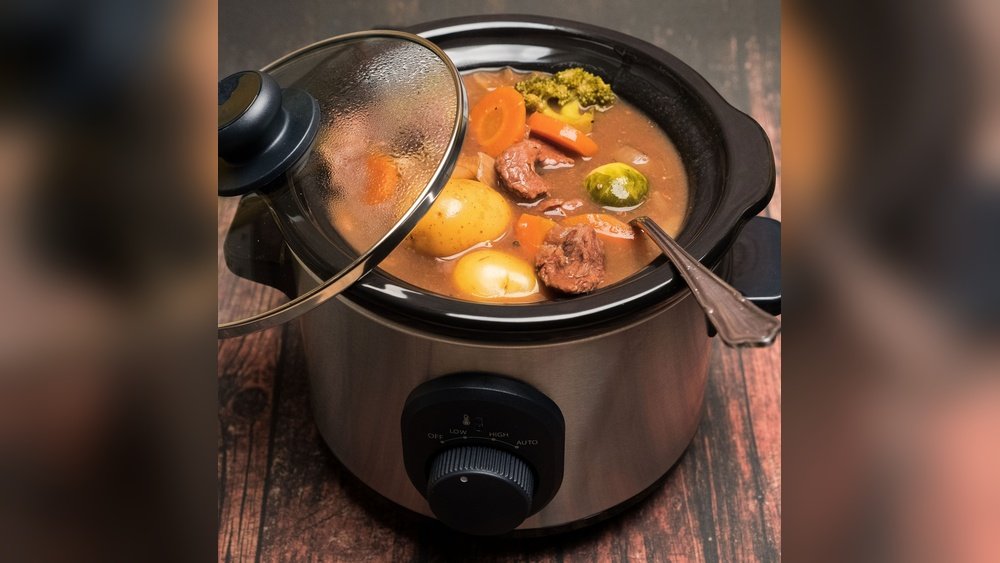
Start by preparing and layering ingredients evenly in the slow cooker pot. Choose the right heat setting and cook for several hours. Cover with the lid to keep moisture and enjoy tender, flavorful meals with minimal effort.
What Is A Slow Cooker?
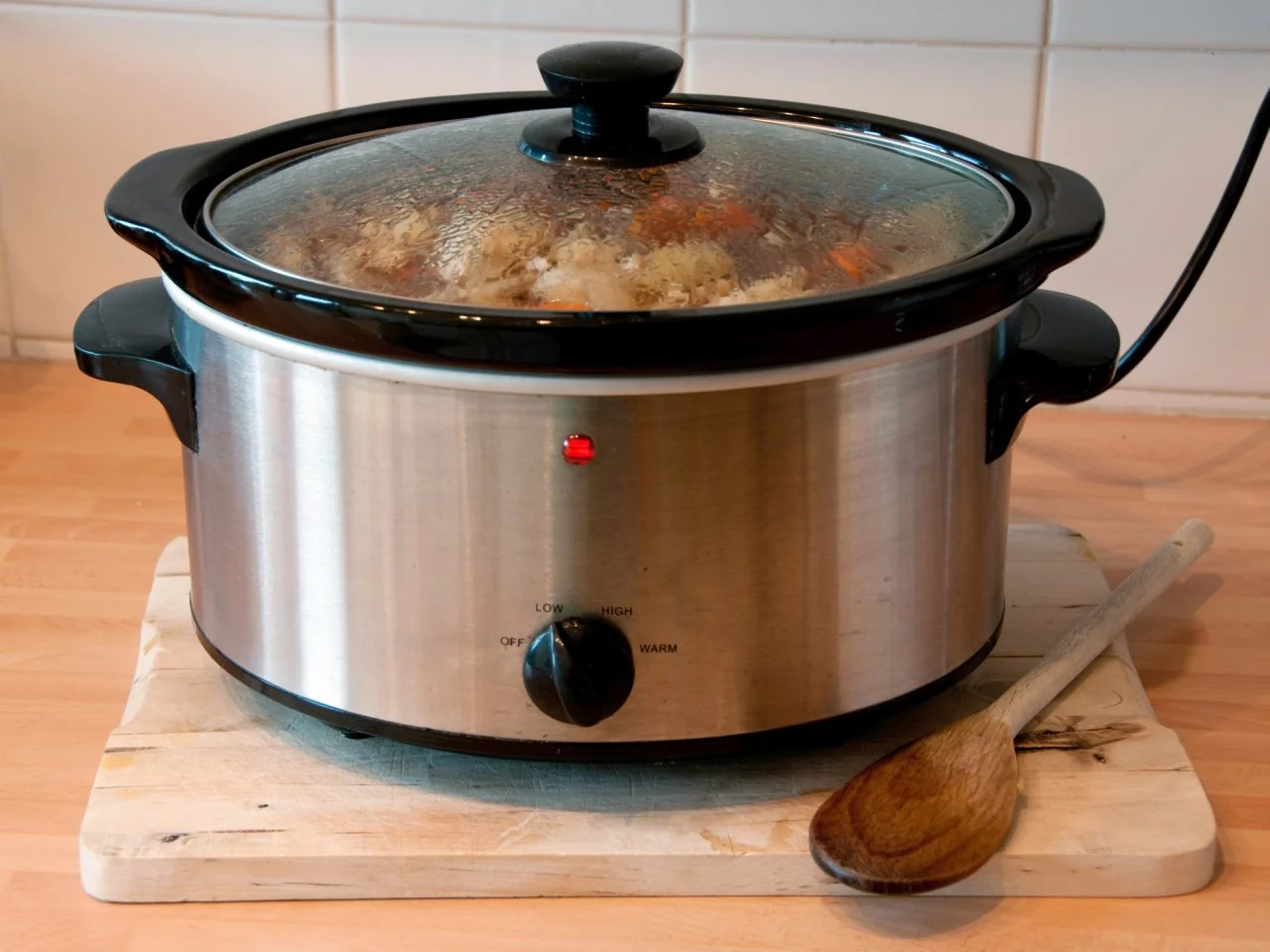
A slow cooker is a kitchen appliance that cooks food at low temperatures. It uses gentle heat to simmer food for several hours. This method helps tenderize tough meats and blend flavors well. You just add ingredients, set the timer, and let it cook. It is perfect for busy days or easy meal prep.
Slow cookers come in different sizes, usually from 3 to 7 quarts. Choose one that fits your family size and cooking needs. A larger cooker is good for big meals or batch cooking. Smaller ones save space and are ideal for singles or couples. Look for simple controls and a removable insert for easy cleaning.
Basic Parts Of A Slow Cooker
The main parts include a ceramic or stoneware pot, a heating base, and a lid. The pot holds the food and distributes heat evenly. The base contains the heating element and controls. The lid traps steam and keeps food moist. Always keep the lid on during cooking for best results.
Understanding Slow Cooker Settings
Most slow cookers have Low, High, and Keep Warm settings. Low cooks food slowly, usually over 6 to 8 hours. High cooks faster, typically in 3 to 4 hours. Keep Warm holds the food at a safe temperature after cooking. Choose the setting based on your recipe and schedule.
How To Prepare Ingredients
Cut vegetables into similar sizes to ensure even cooking. Trim excess fat from meat to avoid greasy dishes. Layer dense vegetables like potatoes at the bottom of the pot. Place meat on top, then add liquids and seasonings. This order helps food cook evenly and flavors blend well.
Choosing The Right Slow Cooker
Choosing the right slow cooker is important for easy and tasty meals. Slow cookers come in different sizes and styles. Picking one that fits your needs makes cooking simple and fun.
Think about how many people you usually cook for. A small slow cooker holds about 2 to 3 quarts. It is good for singles or couples. Medium sizes, 4 to 5 quarts, suit small families. Large slow cookers, 6 quarts or more, work well for big groups or meal prep.
Size And Capacity
Choose a size that matches your usual cooking amount. Too small means you cook in batches. Too large uses more energy and space.
Measure your kitchen space before buying. Make sure the slow cooker fits your countertop or storage area.
Shape And Material
Slow cookers come in oval or round shapes. Oval ones fit large cuts of meat better. Round shapes are great for soups and stews.
Most slow cookers have a ceramic insert. Ceramic heats evenly and is easy to clean. Some models have metal inserts for durability.
Settings And Features
Basic models have low, high, and keep warm settings. These cover most recipes well.
Advanced slow cookers offer timers and programmable options. Timers let you set cooking time, then switch to warm automatically.
Look for removable inserts and dishwasher-safe parts. This makes cleaning easier and faster.
Selecting Ingredients
Selecting the right ingredients is key for slow cooker success. Choose items that cook evenly and complement each other well. Proper selection ensures rich flavors and the best texture in your meals.
Choose The Right Cuts Of Meat
Pick tougher cuts like chuck roast, pork shoulder, or brisket. These cuts become tender after long cooking. Avoid lean cuts that dry out during slow cooking. Fatty meat adds flavor and keeps dishes moist.
Pick Fresh Vegetables
Use firm vegetables such as carrots, potatoes, and onions. These hold their shape and cook evenly. Avoid delicate vegetables like spinach or peas; add them near the end. Cut vegetables into similar sizes for even cooking.
Use Proper Liquids
Select broth, water, or sauces that enhance flavor. Use less liquid than in stovetop recipes. The slow cooker traps steam, so liquids don’t evaporate much. This keeps meals moist without watering them down.
Prepping Ingredients
Preparing ingredients is the first key step in slow cooker success. Properly prepped ingredients ensure even cooking and great flavor. Taking time to get them ready saves effort later.
Chopping vegetables into similar sizes helps them cook evenly. Trimming excess fat from meat prevents greasy results. These simple actions improve your meal’s texture and taste.
Chop Vegetables Evenly
Cut vegetables into similar-sized pieces. This allows them to cook at the same rate. Root vegetables like carrots and potatoes take longer to soften. Smaller, uniform pieces help avoid undercooked chunks.
Trim And Prepare Meat
Remove extra fat from meat before cooking. Large fat pieces can make the dish oily. Cutting meat into uniform chunks helps it cook evenly. Consider browning meat on the stovetop for richer flavor.
Layer Ingredients Properly
Place dense vegetables at the bottom of the cooker. Potatoes, carrots, and other root vegetables go first. Add meat on top, then pour liquids and seasonings over. This layering helps heat circulate well and cook food thoroughly.
Measure Liquids Carefully
Slow cookers do not lose much liquid during cooking. Use less broth or water than traditional recipes suggest. Too much liquid can make your dish watery. Start with small amounts and add more if needed.
Read more: Best Turkey Roasting Pan: Top Picks for Perfect Holiday Meals
Layering Ingredients Correctly
Layering ingredients correctly in a slow cooker helps food cook evenly. It ensures flavors blend well. Placing ingredients in the right order affects cooking time and texture.
Root vegetables need more time to soften. They belong at the bottom of the slow cooker. Meat goes on top of the vegetables to avoid overcooking. Liquids and seasonings should be added last to spread flavor without washing away spices.
Place Root Vegetables At The Bottom
Root vegetables like potatoes and carrots take longer to cook. They should be the first layer in the slow cooker. This allows heat to reach them directly for even cooking.
Add Meat Over Vegetables
Put raw or cooked meat on top of the root vegetables. This placement prevents meat from drying out. It also helps meat juices drip down, adding flavor to the vegetables below.
Pour Liquids And Seasonings Last
Liquids like broth or sauce go on top of the meat. Seasonings should be sprinkled evenly over the layers. This keeps spices from settling at the bottom and losing taste.
Setting Time And Temperature
Setting the time and temperature on your slow cooker is key to cooking meals perfectly. The right settings help food cook evenly and develop rich flavors. Most slow cookers have Low, High, and Keep Warm options. Each setting affects cooking speed and texture.
Choosing the correct time depends on your recipe and ingredients. Cooking too long or too short changes how your dish turns out. Understanding how to use these settings makes slow cooking simple and reliable.
Understanding Low, High, And Keep Warm Settings
The Low setting cooks food slowly over a long time, usually 6 to 10 hours. It is great for tender meats and deep flavors. The High setting cooks faster, in about 3 to 5 hours, suitable for busy days. Keep Warm keeps food hot after cooking without overcooking it.
How To Set The Timer On Your Slow Cooker
Most slow cookers have a timer to stop cooking automatically. Set the timer based on your recipe’s recommended time. If your cooker does not have a timer, plan to turn it off manually. Using a timer prevents overcooking and saves energy.
Tips For Adjusting Time And Temperature
For tougher cuts of meat, use Low for longer cooking times. For quick meals with tender ingredients, use High but check food often. Avoid opening the lid during cooking; it lets heat escape and extends cooking time. Adjust time slightly if your cooker runs hot or cool.
Read more: Best Rated Salad Spinner for Crisp, Fresh Greens and Easy Cleaning
Searing Meat For Flavor
Searing meat before placing it in a slow cooker improves taste and texture. The process creates a brown crust that locks in juices. This step adds rich, deep flavor to the final dish. It also gives the meat a more appealing color. Searing is simple and quick, making it worth the effort.
Searing Meat: Why It Matters
Searing meat forms a flavorful crust on its surface. This crust adds complexity to the dish’s flavor. Without searing, the meat can taste bland or flat. The Maillard reaction during searing creates savory notes. It also helps keep the meat juicy during slow cooking.
How To Sear Meat For Slow Cooking
Start by patting the meat dry with paper towels. Heat a heavy pan over medium-high heat. Add a small amount of oil to the pan. Place the meat in the hot pan without crowding it. Let it cook without moving for 2-3 minutes. Turn the meat to brown all sides evenly. Once browned, transfer it to the slow cooker.
Tips For Best Results
Use a pan that can handle high heat, like cast iron. Avoid overcrowding the pan to get a good sear. Dry meat sears better than wet meat. Season the meat just before searing to enhance flavor. Clean the pan between batches if searing multiple pieces. Searing adds a small step but makes a big difference.
Credit: www.foodnetwork.com
Managing Liquids
Managing liquids in a slow cooker is key to perfect meals. Slow cookers trap steam, so liquids do not reduce like on a stove. This means you need less liquid than usual.
Too much liquid can make food watery and bland. Too little can cause burning or sticking at the bottom. Understanding how to control liquids helps create rich, tasty dishes.
Adjusting Liquid Amounts
Reduce liquids by one-third or half from your regular recipe. Start with less to avoid soggy meals. You can always add more liquid later if needed.
Use broth, stock, or water carefully. Thick sauces or gravies need less liquid. Watch the recipe’s original liquid and cut it down for slow cooking.
Layering Ingredients For Even Cooking
Place dense vegetables like potatoes and carrots at the bottom. These absorb more liquid and cook slower. Add meat and softer veggies on top.
This layering helps liquids spread evenly and keeps food moist. It also prevents over-saturation of delicate ingredients.
Read more: Best Cast Iron Skillet for Steaks: Top Picks & Honest Review
Thickening Liquids At The End
Slow cooker meals often have thin liquids. To thicken, remove the lid in the last 30 minutes. This lets steam escape and reduces liquid naturally.
Add thickening agents like cornstarch or flour mixed with water. Stir it in and cook until the sauce thickens. This step creates a rich texture and flavor.
Avoiding Common Mistakes
Using a slow cooker is simple, but many people make common mistakes. These errors can affect taste, texture, and cooking time. Avoiding these pitfalls helps you create delicious meals every time.
Here are some frequent mistakes and how to prevent them for the best slow cooker results.
Not Layering Ingredients Properly
Put dense vegetables like potatoes and carrots at the bottom. They need more heat to cook well. Place meat on top of the vegetables. Add liquids last to keep flavors balanced.
Overfilling Or Underfilling The Slow Cooker
Fill your slow cooker between half and two-thirds full. Overfilling can cause uneven cooking. Underfilling may dry out food or burn it. This range keeps temperature steady and food moist.
Skipping The Searing Step
Browning meat before slow cooking adds flavor and improves texture. It seals in juices and creates a richer taste. Use a hot pan to sear meat quickly before placing it in the cooker.
Using Too Much Liquid
Slow cookers trap steam, so less liquid is needed. Follow recipe amounts carefully. Excess liquid can make food watery and dilute flavors. Adjust liquids for slow cooking rather than stovetop cooking.
Removing The Lid Too Often
Keep the lid closed during cooking. Lifting it releases heat and increases cooking time. Only check food near the end of the cooking period. This keeps temperature stable and food moist.

Credit: www.youtube.com
Adjusting Recipes For Slow Cooking
Adjusting recipes for slow cooking requires a few simple changes. Slow cookers use low, steady heat over hours. This changes how ingredients behave and develop flavors.
Understanding how to modify recipes helps create delicious meals with ease. Some ingredients need less liquid. Cooking times may stretch longer. Certain spices change in taste. These factors matter for the best results.
Reducing Liquid Amounts
Slow cookers trap moisture during cooking. Liquids do not evaporate much. Use less broth, water, or sauce than the original recipe states. Start with about half the liquid. Add more later if needed. This keeps food from becoming watery or bland.
Adjusting Cooking Times
Slow cooking takes longer than traditional methods. Recipes designed for stovetop or oven may need more time. Plan for 6 to 8 hours on low or 3 to 4 hours on high. Avoid opening the lid often. Each peek releases heat and slows cooking.
Modifying Seasonings
Herbs and spices can change flavor in slow cooking. Fresh herbs lose strength after hours of heat. Add delicate herbs like basil or parsley near the end. Use dried spices at the start for deeper flavor. Taste and adjust salt and pepper last.
Preparing Vegetables Correctly
Root vegetables like carrots and potatoes take longer to soften. Cut them into smaller, uniform pieces for even cooking. Place these vegetables at the bottom of the slow cooker. Softer vegetables, such as zucchini, go near the top. This prevents overcooking.
Handling Meat For Slow Cooking
Choose tougher cuts of meat with more connective tissue. These become tender during slow cooking. Trim excess fat to reduce greasiness. Searing meat before adding it improves flavor and texture. Place meat on top of vegetables for even heat distribution.
Using Slow Cooker Features
Using the features of a slow cooker makes cooking easy and efficient. These features help control temperature and cooking time. Understanding them helps create tasty meals with little effort.
Setting The Temperature
Most slow cookers offer Low, High, and Keep Warm settings. Low cooks food gently over several hours. High cooks faster but may reduce tenderness. Keep Warm keeps food ready to serve without overcooking.
Using The Timer Function
The timer lets you choose how long to cook. It switches the cooker to Keep Warm after cooking ends. This prevents food from burning or drying out. Set the timer based on your recipe’s cooking time.
Delay Start Feature
Some slow cookers have a delay start. You can set the cooker to begin later. This is helpful for fresh meals when you are not home. Avoid leaving perishable food at room temperature too long.
Bake And Other Special Modes
Certain slow cookers include baking modes. This allows bread, cakes, or casseroles to cook evenly. Other modes may include sauté or sear functions. These add versatility to your cooking options.
Using The Lid Correctly
Keep the lid on during cooking to trap heat and moisture. Lifting the lid releases heat and extends cooking time. Only remove it near the end to check or stir food.
Finishing Touches And Serving
Adding the final touches to your slow cooker meal makes all the difference. This step brings out rich flavors and appealing textures. Serving your dish properly enhances the whole dining experience.
Check The Texture And Taste
Test the tenderness of your meat and vegetables with a fork. Adjust seasoning by adding salt, pepper, or herbs to suit your preference. Stir gently to mix the flavors evenly.
Thicken The Sauce
Slow cooker sauces can be thin after cooking. To thicken, remove the lid and cook on high for 15-30 minutes. You can also stir in a slurry of cornstarch and water. This will give your dish a nice, rich consistency.
Garnish For Presentation
Add fresh herbs like parsley, cilantro, or chives just before serving. Sprinkle grated cheese or a dollop of sour cream for extra flavor. Garnishes make your dish look inviting and fresh.
Serving Suggestions
Serve your slow cooker meal over rice, pasta, or mashed potatoes. Use warm plates to keep food hot longer. Offer bread or a simple salad on the side for a complete meal.

Credit: www.youtube.com
Frequently Asked Questions
What Are Some Of The Mistakes People Make Using A Slow Cooker?
Common slow cooker mistakes include overfilling, underfilling, skipping meat searing, adding too much liquid, and using incorrect cooking times or temperatures.
Do You Need To Put Water In A Slow Cooker?
You usually need to add some liquid, like water or broth, to a slow cooker. It prevents food from drying out and helps even cooking. Some recipes with high-water-content ingredients may not require extra water. Always follow your recipe’s liquid guidelines for best results.
How Do You Cook With A Slow Cooker?
Chop ingredients uniformly and layer dense vegetables at the bottom. Add meat, liquids, and seasonings. Select Low or High setting, cover with lid, and cook for hours until tender. Avoid overfilling and use less liquid than stovetop recipes for best results.
Can You Put Raw Meat Straight Into A Slow Cooker?
Yes, you can put raw meat directly into a slow cooker. For best flavor, sear meat first. Layer vegetables below meat. Add minimal liquid since slow cookers retain moisture well. Cook on low for tender results. Avoid overfilling to ensure even cooking and food safety.
What Are The Basic Steps To Use A Slow Cooker?
Prep your ingredients by chopping and trimming. Layer root vegetables first, then meat, liquids, and seasonings. Set the time and temperature according to the recipe.
Conclusion
Using a slow cooker makes meal prep simple and stress-free. Just prepare your ingredients, layer them well, and set the right time and temperature. Patience pays off with tender, flavorful dishes. Remember to adjust liquids and brown meats for the best taste.
With practice, slow cooking fits easily into any busy routine. Enjoy healthy, home-cooked meals with little effort. Give it a try and see how it saves time in your kitchen. Slow cooking turns everyday ingredients into comforting meals.
Read more: Best Stainless Steel Fry Pan: Honest Review & Top Picks 2026