Have you ever stopped to wonder who invented freezers and how they became an essential part of your kitchen? Freezers keep your food fresh, save you money, and make life so much easier—but their invention is a fascinating story filled with clever minds and clever machines.
If you think a freezer was just suddenly invented, think again. It took years of discoveries and improvements before the freezer became what you know today. Keep reading, and you’ll discover the surprising history behind this everyday marvel and the people whose ideas changed how we store food forever.
This knowledge might just make you appreciate your freezer a little more every time you open its door.

Credit: en.wikipedia.org
Early Cooling Methods
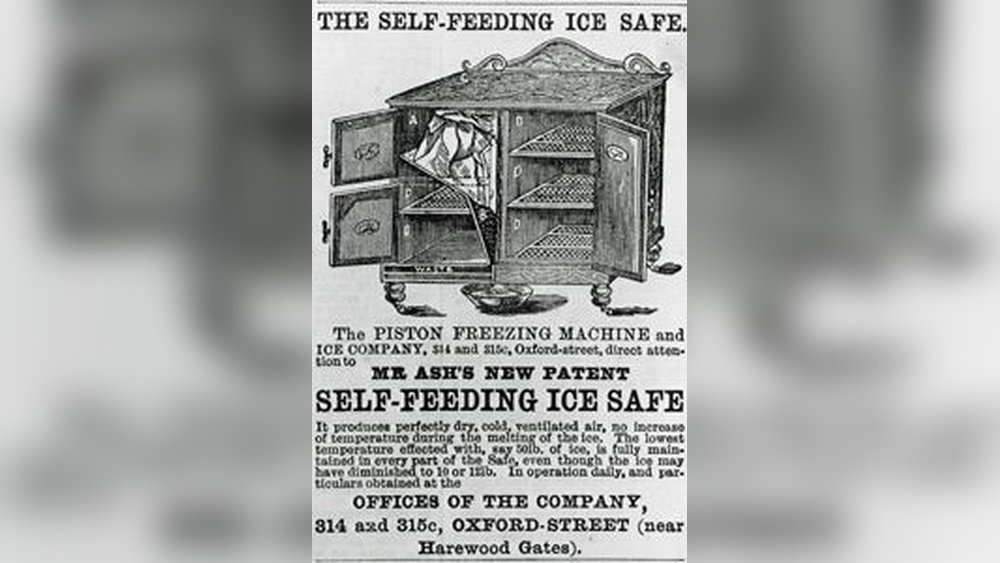
The invention of the freezer came from early discoveries in refrigeration. Many inventors made important steps before modern freezers existed. Their work helped change how people store food.
These pioneers studied how to cool things down using science. Their experiments led to machines that could freeze and preserve food safely. Let’s look at two key figures in refrigeration history.
William Cullen’s Experiments
In 1755, William Cullen showed artificial cooling was possible. He used a pump to create a vacuum over a liquid. This caused the liquid to boil and absorb heat. His experiment was the first known attempt at refrigeration.
Cullen worked at the University of Glasgow. His work was mostly theoretical and did not create a working freezer. Still, his ideas inspired others to explore cooling technology further.
Jacob Perkins’ Patent
Jacob Perkins, an American inventor, took Cullen’s ideas further. In 1834, Perkins patented the first practical refrigeration machine. It used a closed-cycle system with a compressor and cooling fluid.
This invention made it possible to cool air or liquids on demand. Perkins’ design laid the foundation for modern refrigeration and freezing machines. His work helped bring freezers closer to everyday use.
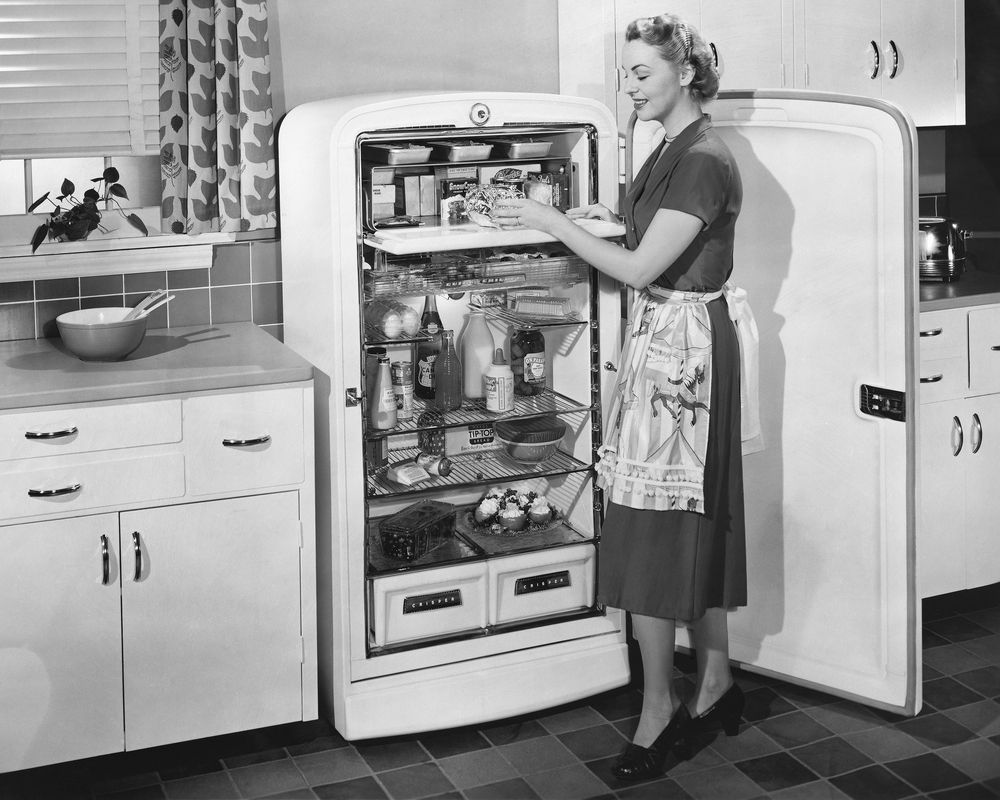
Credit: www.livescience.com
Pioneers Of Refrigeration
The future of freezing technology looks promising and full of innovation. New ideas aim to make freezing more energy-efficient and eco-friendly. Innovations will help reduce waste and save money on electricity bills.
Advances in materials and design will improve how freezers keep food fresh. Technology will focus on smarter systems that adjust cooling automatically. This will extend food life and reduce spoilage.
Sustainability Trends
Freezers are becoming greener with better insulation materials. These materials reduce energy use and keep temperatures stable longer. Solar-powered freezers are also gaining attention in off-grid areas.
Refrigerants with low global warming potential are replacing older harmful chemicals. This change helps cut down on environmental damage caused by leaks. Recycling and reuse of freezer parts are growing to reduce waste.
Emerging Cooling Technologies
Magnetic refrigeration is a new technology that uses magnetic fields instead of gases. It promises quieter and more efficient cooling. Thermoelectric cooling uses electric currents to create cold without moving parts.
Smart sensors and AI help monitor freezer conditions in real-time. These tools can alert users about temperature changes or maintenance needs. Such technology improves food safety and lowers energy waste.
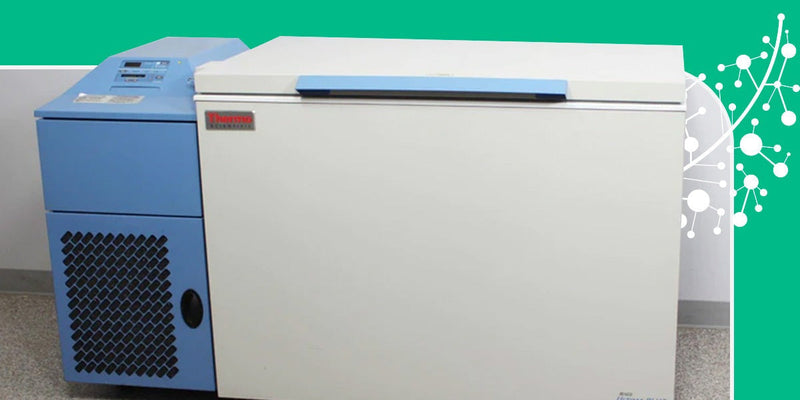
Credit: newlifescientific.com
Frequently Asked Questions
When Was The First Freezer Invented?
The first freezer concept emerged in 1748 by William Cullen in Scotland. Jacob Perkins patented the first practical freezer in 1834.
How Do Amish Keep Food Cold Without Electricity?
Amish keep food cold using ice boxes, spring houses, and root cellars. They rely on natural coolness without electricity.
What Were Refrigerators Called In The 1950s?
In the 1950s, refrigerators were often called “iceboxes” or simply “fridges. ” Brands like Frigidaire were popular names.
What Did People Do Before Freezers?
Before freezers, people used ice harvested from lakes and rivers to cool food. They stored perishables in underground root cellars that stayed naturally cool. They also preserved food by salting, smoking, drying, or fermenting to prevent spoilage without refrigeration.
Who Invented The First Freezer Machine?
The first practical freezer was developed by James Harrison in the 1850s. He created a refrigeration system using ether compression to freeze meat. His invention laid the foundation for modern freezers.
Conclusion
The invention of freezers came from many minds and years of effort. Early inventors like William Cullen and Jacob Perkins made key discoveries. Later, people like James Harrison improved the technology. Freezers changed how we store and enjoy food today.
They keep food fresh and safe for longer times. Understanding this history helps us appreciate modern kitchen appliances. The freezer’s story is one of steady progress, not a single moment. It shows how small ideas build into useful tools over time.