If you’ve ever wanted to enjoy barista-quality espresso right at home, learning how to use an espresso machine is your first step. You might think it’s complicated, but with the right guidance, you’ll be pulling rich, flavorful shots in no time.
Whether you’re aiming to master the perfect espresso shot or create creamy lattes and cappuccinos, this simple guide will walk you through every step. Get ready to impress yourself—and anyone you share your coffee with—with delicious espresso drinks made exactly the way you like them.
Keep reading, and your coffee routine will never be the same.
Credit: www.reddit.com
Choosing The Right Beans
Choosing the right beans is key to making great espresso. The flavor of your shot depends mostly on the beans you use. Fresh, quality beans bring out the best taste and aroma. Picking the right beans can seem hard, but it gets easier with some basics.
Understanding Bean Types
There are two main coffee bean types: Arabica and Robusta. Arabica beans have a mild, sweet flavor. They are the most popular choice for espresso. Robusta beans are stronger and more bitter. They have more caffeine and create more crema. Many espresso blends mix both beans for balance.
Freshness Matters
Fresh beans give the best flavor and crema. Look for beans roasted within the last few weeks. Avoid beans that sit on shelves for too long. Store beans in an airtight container away from light and heat. Grind beans right before brewing for maximum freshness.
Choosing The Roast Level
Espresso works best with medium to dark roasts. Dark roasts bring out rich, bold flavors. Medium roasts keep some acidity and fruity notes. Light roasts are less common for espresso. They can taste sour or weak when brewed as espresso.
Single-origin Vs. Blends
Single-origin beans come from one place and have unique flavors. They show the character of that region. Blends mix beans from different places. Blends balance flavors and create a consistent taste. Beginners often prefer blends for a smooth espresso.
Grinding For Espresso
Preparing the portafilter is the first step to making a perfect espresso shot. This part holds the coffee grounds and fits into the espresso machine. Getting it ready correctly helps the water flow evenly through the coffee. This process affects the flavor and strength of your espresso.
Cleaning The Portafilter
Start by cleaning the portafilter with warm water. Remove any leftover coffee grounds from the last use. A clean portafilter prevents old coffee from changing the taste. Dry it well before adding fresh coffee.
Adding Coffee Grounds
Use freshly ground coffee for the best flavor. Scoop the coffee into the portafilter basket. Fill it just enough to avoid overflow. Too much or too little coffee can spoil the shot.
Distributing The Grounds Evenly
Spread the coffee grounds evenly inside the portafilter. Use your finger or a small tool to level the surface. This step helps the water pass through the coffee smoothly. Uneven coffee can cause weak or bitter espresso.
Tamping The Coffee
Press the coffee down firmly with a tamper. Apply even pressure to create a flat, compact surface. Tamping seals the coffee and stops water from flowing too fast. Aim for about 30 pounds of pressure.
Locking The Portafilter Into The Machine
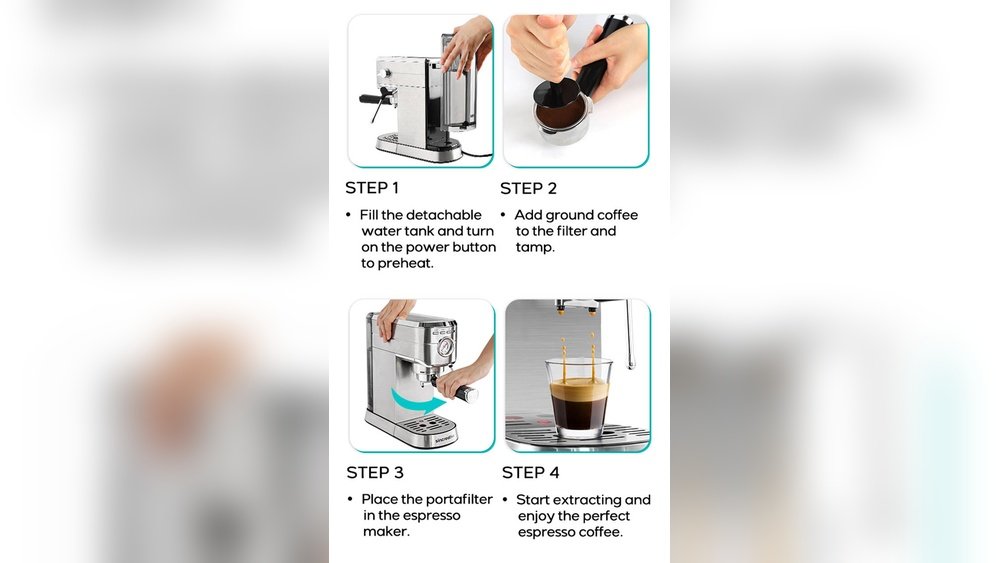
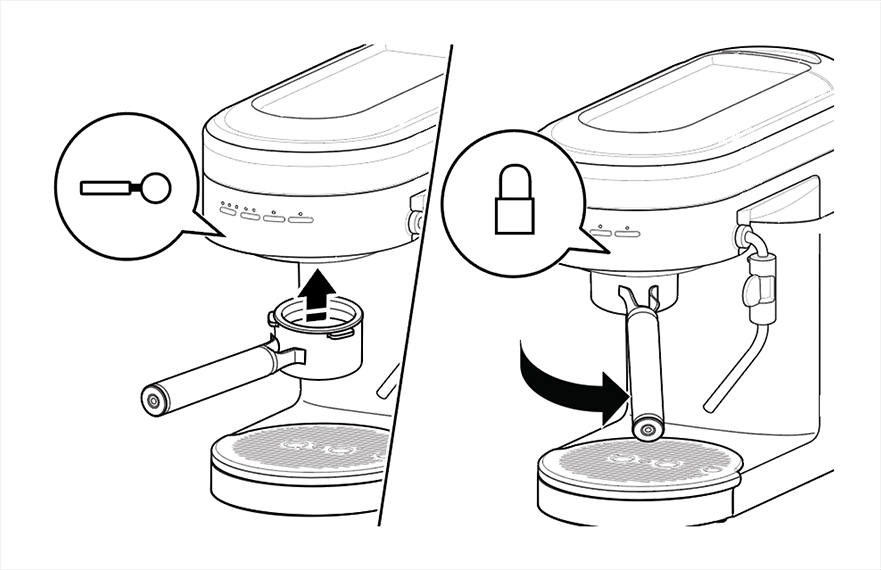
Insert the portafilter into the espresso machine’s group head. Twist it firmly to lock it in place. Make sure it fits tightly to avoid leaks. Now, the portafilter is ready for brewing your espresso shot.
Preparing The Portafilter
Tamping the grounds is a key step in making espresso. It means pressing the coffee firmly into the portafilter. This process creates a smooth, even surface. It helps water flow evenly through the coffee. Good tamping improves the taste and quality of your espresso.
Without proper tamping, the water can flow too fast. This leads to weak, watery coffee. Over-tamping, or pressing too hard, can block the water flow. Finding the right pressure is important for a balanced shot.
Tamping Tools You Need
You will need a tamper that fits your portafilter. Tampers come in different sizes and shapes. Choose one that feels comfortable in your hand. A flat, smooth base is best for even pressure. Some tampers have handles made of wood or metal.
How To Tamp Correctly
Fill the portafilter with freshly ground coffee. Level the grounds by tapping the side gently. Hold the tamper firmly in your hand. Press down straight and even with about 30 pounds of pressure. Twist slightly at the end to polish the surface. Avoid tilting the tamper to keep the coffee flat.
Signs Of Good Tamping
The coffee surface should look smooth and compact. No loose coffee should spill over the edge. The grounds should feel firm but not rock hard. When you lock the portafilter in place, it should fit snugly. Good tamping helps extract rich, flavorful espresso shots.
Tamping The Grounds
Press the coffee grounds firmly and evenly into the portafilter using a tamper. This step ensures water flows through the coffee evenly for a rich espresso shot. Proper tamping helps avoid weak or bitter flavors in your espresso.
Understanding Milk Steaming
Steaming milk is key for espresso drinks like lattes and cappuccinos. It changes cold milk into warm, creamy foam. The foam adds texture and sweetness to your coffee. Knowing how to steam milk makes your drink taste better.
Preparing Your Milk Pitcher
Use fresh, cold milk for best results. Fill the pitcher about one-third full. Avoid overfilling to leave room for milk expansion. Choose a stainless steel pitcher for better heat control. Cold milk helps create smooth, velvety foam.
Positioning The Steam Wand
Place the steam wand just below the milk surface. Keep it near the pitcher’s side to create a whirlpool motion. This motion mixes air and milk evenly. Avoid submerging the wand too deep or too shallow. Proper position creates fine, creamy foam.
Steaming Technique
Turn on the steam and lower the pitcher slowly. Listen for a gentle hissing sound; it means air is mixing in. After a few seconds, raise the pitcher slightly to heat the milk. Stop steaming when the pitcher feels warm but not hot. Overheating milk causes bad taste and texture.
Finishing Touches
Tap the pitcher on the counter to break large bubbles. Swirl the milk to blend foam and liquid smoothly. This creates a glossy, creamy texture. Pour the milk gently into your espresso. Practice makes your milk foam perfect and delicious.
Locking The Portafilter
Creating microfoam is key to making smooth, creamy espresso drinks. It is the fine, velvety milk texture that enhances lattes and cappuccinos. Good microfoam feels soft and looks glossy. It blends well with espresso to form a rich, balanced cup.
To create microfoam, start with cold milk and a clean steam wand. The process requires control of steam pressure and milk temperature. Practice helps develop a feel for the right texture and sound.
Preparing The Milk
Pour cold milk into a metal pitcher. Fill it about one-third full to leave room for expansion. Use whole milk for best texture. Skim or plant-based milk works but may not foam as well.
Positioning The Steam Wand
Place the steam wand just below the milk surface. Tilt the pitcher slightly. This position lets air mix into the milk gently. Avoid submerging the wand too deep or too shallow.
Steaming The Milk
Turn on the steam and listen for a soft hissing sound. This sound means air is mixing correctly. Move the pitcher down slowly as the milk expands. Keep the steam wand near the surface to create tiny bubbles.
Texturing And Heating
Once the milk volume grows, lower the wand deeper into the milk. This heats the milk evenly without adding more air. Stop steaming when the pitcher feels hot but not too hot to touch.
Finishing The Microfoam
Turn off the steam and wipe the wand immediately. Tap the pitcher gently on the counter. Swirl the milk to mix the foam and liquid smoothly. The result is creamy, glossy microfoam ready for your espresso.
Credit: www.kitchenaid.com
Pulling The Perfect Shot
Advanced barista tips help improve espresso quality and technique. These tips focus on precision and consistency. They bring out deeper flavors from your coffee beans.
Following these tips helps you create a smooth, rich espresso. It also improves your milk steaming and latte art skills. These small changes make a big difference in your coffee experience.
Adjusting Grind Size For Perfect Extraction
Grind size affects how water flows through coffee. Use a finer grind for slower extraction. Coarser grind speeds up the process. Adjust grind size until the shot takes 25 to 30 seconds.
Consistent Tamping Pressure
Press coffee grounds evenly with 30 pounds of pressure. Use a tamper that fits your portafilter. Consistent tamping avoids channeling and uneven extraction. This creates better crema and flavor balance.
Pre-infusion Technique
Pre-infusion wets coffee grounds before full pressure. It helps release gases trapped in coffee. Use low pressure for 3 to 5 seconds before the main extraction. This improves taste and shot consistency.
Steaming Milk For Creamy Texture
Position steam wand just below milk surface. Create a whirlpool by swirling milk while steaming. Heat milk to about 140°F for best texture. Avoid overheating to keep milk smooth and sweet.
Cleaning And Maintaining Your Machine
Clean your machine daily to prevent buildup. Backflush with water and detergent as recommended. Clean steam wand after every use. Regular maintenance ensures better taste and longer machine life.

Credit: www.casabrews.com
Frequently Asked Questions
How Do You Use An Espresso Machine For Beginners?
Grind fresh espresso beans finely. Tamp grounds evenly in the portafilter. Lock it into the machine. Start the shot and extract for 25-30 seconds. Steam milk for lattes or cappuccinos if desired. Clean the machine after use for best results.
Is 2 Shots Of Espresso The Same As A Cup Of Coffee?
Two shots of espresso contain more caffeine but less volume than a regular cup of coffee. They differ in strength and taste.
Do You Just Use Ground Coffee In An Espresso Machine?
Use espresso-specific finely ground coffee for the best results. Regular coffee grounds are too coarse and won’t extract properly.
Is It Hard To Use An Espresso Machine?
Using an espresso machine is straightforward with practice. Learn to grind beans, tamp grounds, lock the portafilter, pull shots, and steam milk for best results. Consistency and timing improve your espresso skills quickly.
What Type Of Coffee Grounds Work Best For Espresso Machines?
Espresso machines need finely ground coffee, specially roasted for espresso. Regular coffee grounds are too coarse and affect taste and crema quality.
Conclusion
Using an espresso machine can be simple and fun. Start with fresh, finely ground coffee. Pack the grounds evenly and firmly. Lock the portafilter tightly in place. Pull the shot with steady timing and pressure. For milk drinks, steam the milk carefully.
Practice each step to improve your skills. Soon, you will enjoy rich, flavorful espresso at home. Keep your machine clean for the best taste. Enjoy the process and your perfect cup every time.