Are you tired of biting into tough, chewy meat that ruins your meal? You’re not alone.
Tenderizing meat properly can transform even the toughest cuts into juicy, flavorful bites that melt in your mouth. But how can you achieve that perfect tenderness every time? Whether you’re grilling, roasting, or pan-searing, mastering the right tenderizing techniques will elevate your cooking and impress everyone at your table.
You’ll discover simple, effective methods—including a little-known Chinese restaurant secret—that will make your meat irresistibly tender. Keep reading to unlock the best ways to tenderize meat and take your dishes from ordinary to extraordinary.
Velveting With Baking Soda
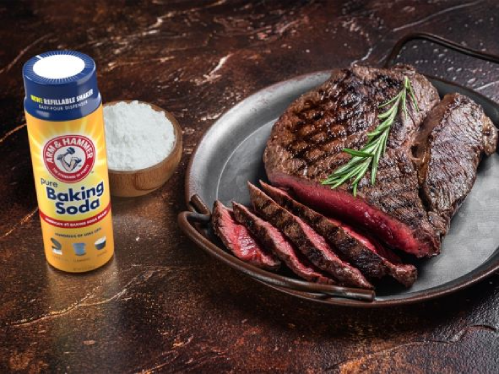
Velveting with baking soda is a simple way to make meat softer. This technique helps break down tough proteins quickly. The result is tender, juicy meat that cooks evenly and tastes great.
Baking soda raises the pH on the meat’s surface. This change makes the muscle fibers hold onto water better. When cooked, the meat stays moist and tender instead of drying out.
How To Use Baking Soda For Velveting
First, sprinkle baking soda evenly over the meat pieces. Use about 1 teaspoon for every half pound of meat. Toss the meat to coat all sides well.
Let the meat sit for 15 to 30 minutes at room temperature. This resting time allows baking soda to soften the meat fibers. Avoid leaving it too long, or the texture may turn mushy.
Rinsing And Preparing Meat After Velveting
After resting, rinse the meat under cold water to remove baking soda. Pat the meat dry with paper towels. Drying is important to help the meat brown during cooking.
Cooking Tips For Velveting Meat
Use high heat to cook velveted meat quickly. Stir-frying and grilling work best. Cooking too long can reverse the tenderizing effect and make meat tough again.
Velveting is great for chicken, beef, pork, and seafood. It works well with stir-fries, soups, and other quick-cook dishes.
Acidic Marinades
Acidic marinades soften meat by breaking down its tough fibers. They use natural acids found in common kitchen ingredients. These acids help make the meat tender and flavorful.
The acids in these marinades work by weakening protein bonds. This process makes the meat easier to chew and digest. Acidic marinades also add a bright, tangy taste that enhances the dish.
Common Acids Used In Marinades
Vinegar, lemon juice, and yogurt are popular acidic marinade bases. Each adds a distinct flavor and level of acidity. These acids help tenderize various types of meat effectively.
How Long To Marinate Meat
Marinating time depends on the acid strength and meat cut. Thin cuts need only 30 minutes to 2 hours. Thicker or tougher cuts may require 4 to 6 hours. Avoid over-marinating, as it can make meat mushy.
Tips For Using Acidic Marinades
Use just enough acid to cover the meat evenly. Combine acids with oil and herbs for balanced flavor. Always marinate meat in the refrigerator for safety. Discard leftover marinade that touched raw meat to prevent contamination.
Enzyme-rich Fruits
Enzyme-rich fruits offer a natural way to tenderize meat. These fruits contain special proteins called enzymes. They break down tough muscle fibers in meat. This process makes the meat softer and easier to chew.
Using these fruits as a marinade can improve texture and flavor. The enzymes work gently and quickly. You can find many common fruits with these natural enzymes in your kitchen.
Papaya
Papaya contains an enzyme called papain. Papain breaks down tough proteins in meat. It works best on beef and pork. Apply mashed papaya or papaya juice to the meat surface. Let it sit for 30 minutes to 2 hours. Avoid leaving it too long to prevent mushy texture.
Pineapple
Pineapple has an enzyme named bromelain. Bromelain softens meat fibers effectively. Use fresh pineapple juice or crushed pineapple for marinating. Soak meat for 30 minutes to 1 hour. Pineapple adds a sweet and tangy flavor to the meat.
Kiwi
Kiwi contains actinidin enzyme. Actinidin tenderizes meat quickly. Use mashed kiwi or kiwi juice for marinating. Keep marinating time short, about 15 to 30 minutes. Kiwi also adds a mild fruity taste to your dish.
Mechanical Tenderizing
Mechanical tenderizing breaks down meat fibers using physical force. This process softens tough cuts and makes them easier to chew. It works by piercing or pounding the meat, which helps juices soak in better during cooking.
This method is quick and does not require extra ingredients. Mechanical tenderizing suits many types of meat, especially beef and pork. It improves texture and can reduce cooking time.
Using A Meat Mallet
A meat mallet is a tool with a flat or textured side. Pound the meat gently but firmly to break fibers. Avoid hitting too hard to keep the meat intact. Use the textured side for tougher cuts. This method spreads the meat evenly and makes it thinner.
Needle Or Blade Tenderizers
Needle or blade tenderizers have sharp points or blades. Press them into the meat to create small holes. These holes cut muscle fibers and allow marinades to soak deeper. This method is common in commercial kitchens and at home.
Grinding Or Chopping
Grinding meat mechanically breaks it into smaller pieces. This process naturally tenderizes by cutting muscle fibers. Chopping meat finely can also make it softer. Ground meat cooks faster and holds flavors well.
Salt And Brining Techniques
Salt and brining are simple and effective ways to tenderize meat. They improve flavor and texture by breaking down muscle fibers. These methods also help meat retain moisture, making it juicy and soft after cooking.
Salt draws out moisture at first, then reabsorbs it carrying salt deep into the meat. This process helps proteins relax, softening the texture. Brining uses a saltwater solution to gently season and tenderize the meat throughout.
What Is Dry Salting?
Dry salting means rubbing salt directly onto the meat surface. Use coarse salt for best results. Let the meat rest for at least 40 minutes or up to a few hours in the fridge. The salt pulls out moisture, then reabsorbs it with dissolved salt.
This method improves the meat’s flavor and tenderness without adding extra liquid. Dry salting works best for steaks, chops, and roasts.
How To Brine Meat Properly
Brining involves soaking meat in a saltwater solution. Use about 1/4 cup of salt per quart of water. Add sugar or herbs to boost flavor if desired. Keep the meat fully submerged in the brine and refrigerate.
Brine time depends on the meat cut and size. Small pieces need 30 minutes to 2 hours. Larger cuts may require 6 to 12 hours. Over-brining can make meat too salty or mushy.
Tips For Best Results With Salt And Brining
Use kosher or sea salt for even seasoning. Avoid table salt because it is too fine. Pat meat dry before cooking to get a good sear. Rinse brined meat lightly if it seems very salty, then dry well.
Start with short times and adjust for your taste. Experiment with adding herbs, spices, or sugar to the brine for unique flavors. Always keep meat cold during brining to prevent bacteria growth.
Slow Cooking Methods
Slow cooking methods help break down tough meat fibers. This makes the meat soft and juicy. These methods use low heat over a long time. The slow process allows collagen in the meat to melt. This creates a tender texture and rich flavor.
Slow cooking is great for tougher cuts like brisket, chuck, and pork shoulder. These cuts often have more connective tissue. Slow heat turns the tissue into gelatin. The result is tender meat that falls apart easily.
Using A Slow Cooker
Slow cookers keep meat at a low temperature for hours. Set it to low and cook for 6 to 8 hours. The meat cooks in its own juices, staying moist. This method is hands-off and simple. You can add vegetables and spices for extra taste.
Braising Meat
Braising means cooking meat in a small amount of liquid. Use a covered pot or Dutch oven. Heat the meat slowly on the stove or in the oven. The steam and liquid soften the meat fibers. Braised meat is rich, tender, and full of flavor.
Oven Slow Roasting
Slow roasting uses low oven heat for a long time. Set the oven between 200°F and 275°F. Place the meat on a rack or pan. This cooks the meat evenly and gently. Slow roasting keeps the meat juicy and tender. It works well for large cuts like roasts and ribs.
Using Commercial Tenderizers
Using commercial tenderizers offers a quick way to soften meat. These products contain enzymes that break down tough fibers. They help make meat easier to chew and more flavorful.
Commercial tenderizers are easy to use. They work well on tougher cuts like round steak or chuck. The process requires just a few minutes of marinating before cooking.
What Are Commercial Meat Tenderizers?
Commercial tenderizers are powders or liquids with natural enzymes. Common enzymes include papain from papaya and bromelain from pineapple. These enzymes digest proteins in the meat to make it tender.
How To Apply Commercial Tenderizers
Sprinkle the tenderizer evenly over the meat surface. Use just enough to cover the meat but not soak it. Let the meat rest for 15 to 30 minutes. Avoid leaving it too long or the texture can become mushy.
Tips For Best Results
Use tenderizers on thicker or tougher cuts only. Always follow the package instructions for timing and amount. Rinse the meat lightly if needed before cooking. Pat dry to ensure even browning.
Resting Meat After Cooking
Resting meat after cooking is a key step for tender, juicy results. It lets the juices redistribute inside the meat. This process prevents the meat from drying out when cut.
Skipping the resting step can cause juices to spill out on the plate. The meat becomes less flavorful and tougher to chew. Resting also helps the meat fibers relax and stay moist.
How Long Should You Rest Meat?
Resting time depends on the size and type of meat. Small cuts like steaks need about 5 to 10 minutes. Larger roasts require 15 to 20 minutes or more. Use a timer to avoid cutting too soon.
Best Way To Rest Meat
Place the meat on a warm plate or cutting board. Cover it loosely with aluminum foil to keep heat in. Avoid wrapping tightly, or steam will make the crust soggy.
Signs Meat Has Rested Enough
The meat’s temperature evens out after resting. Juices stop pooling on the surface. The texture feels firmer but still tender. These signs show the meat is ready to carve and serve.
Choosing The Right Cut
Choosing the right cut of meat plays a big role in tenderizing success. Some cuts are naturally tender. Others need more care and effort to soften. Picking the proper cut saves time and improves your cooking results.
Understanding the texture and muscle structure of each cut helps you decide. Tender cuts come from muscles that do less work. Tough cuts come from muscles used more often. Each type calls for different tenderizing methods.
Identify Tender CutsTender cuts include ribeye, tenderloin, and strip steak. These come from the back and sides of the animal. They have less connective tissue and fat. These cuts cook quickly and need little tenderizing.
Recognize Tough CutsTough cuts come from the shoulder, leg, or brisket. Examples are chuck, round, and brisket. These have more collagen and muscle fibers. They need longer cooking or marinating to break down tough tissue.
Match Cut to Cooking MethodChoose tender cuts for grilling or quick frying. Use tough cuts for slow cooking or braising. Slow heat softens the collagen in tough cuts. This transforms the meat into a tender dish.
:max_bytes(150000):strip_icc()/GettyImages-147205759-5bf72406c9e77c0051b36a11.jpg)
Credit: www.thespruceeats.com
Temperature Control Tips
Temperature plays a vital role in tenderizing meat. Controlling heat during cooking affects meat’s texture and juiciness. Too high a temperature can make meat tough and dry. Low and slow cooking helps break down connective tissues. This process results in softer, more flavorful meat.
Proper temperature control also prevents overcooking. Overcooked meat loses moisture and becomes chewy. Maintaining steady heat ensures even cooking throughout the cut. It preserves tenderness and enhances taste.
Monitor Internal Meat Temperature
Use a meat thermometer to check the internal temperature. Different meats require different target temperatures for tenderness. For example, beef cuts become tender around 130°F to 160°F. Keep checking to avoid overheating.
Cook At Low Temperatures
Set your oven or grill to low heat settings. Slow cooking allows collagen in meat to break down gently. This softens the meat fibers and increases tenderness. Patience pays off with richer flavor and better texture.
Use Resting Periods
After cooking, let the meat rest before cutting. Resting helps redistribute juices inside the meat. This step keeps the meat moist and tender. Cover loosely with foil to retain heat during rest.
Marinating Times And Tips
Marinating meat softens it and adds flavor. The time you leave meat in a marinade changes how tender it becomes. Knowing the right marinating times and tips helps get the best texture and taste.
Marinating too long can make meat mushy. Too short, and it might stay tough. Different meats need different marinating times. Acidic ingredients like lemon juice or vinegar work faster. Enzymes from ingredients like pineapple or papaya also help break down meat fibers.
How Long To Marinate Different Meats
Chicken and fish need less time, usually 30 minutes to 2 hours. Beef and pork can marinate longer, from 4 to 24 hours. Tougher cuts like brisket or flank steak benefit from 12 to 24 hours. Avoid marinating more than 24 hours to keep meat firm.
Choosing The Right Marinade Ingredients
Use acids like vinegar, lemon, or wine to break down proteins. Add oils to keep meat moist during cooking. Herbs and spices improve flavor without affecting texture. Enzymatic fruits like pineapple or papaya work fast but use small amounts to avoid mushiness.
Marinating Tips For Best Results
Marinate meat in the fridge, not at room temperature. Use a sealed bag or covered container to prevent spills. Turn the meat halfway to coat it evenly. Pat meat dry before cooking for better browning. Avoid metal containers that react with acids.
Combining Tenderizing Methods
Combining tenderizing methods often results in softer, more flavorful meat. Using just one technique may not fully break down tough fibers. Mixing methods creates a deeper effect on meat texture. The key is balancing different approaches for the best outcome.
For example, mechanical tenderizing can be paired with a marinade. This approach physically breaks fibers while the marinade adds moisture and enzymes. Such combinations improve taste and tenderness together.
Mechanical And Chemical Tenderizing
Pounding meat with a mallet softens it physically. After pounding, soaking in a tenderizing marinade helps further. Ingredients like vinegar or pineapple juice contain natural enzymes. These enzymes break down proteins, making meat easier to chew. This two-step method works well for tougher cuts.
Marinating And Slow Cooking
Marinate meat to infuse flavor and start tenderizing. Slow cooking then continues to soften fibers gently. The low heat allows collagen to melt into gelatin. This process makes meat juicy and tender. Combining these methods suits tougher meats like brisket or chuck.
Salt And Mechanical Tenderizing
Rubbing salt on meat draws out moisture and firms the surface. Letting salted meat rest improves texture. Afterward, use a fork or tenderizer to pierce the meat. This creates small cuts that help heat penetrate evenly. It speeds cooking and softens the meat overall.
Avoiding Over-tenderizing
Tenderizing meat improves texture and flavor. But too much tenderizing can spoil the meat. Over-tenderizing breaks down the meat fibers too much. The result is mushy, unpleasant texture. It loses its natural chew and taste.
Knowing how to avoid over-tenderizing is key. This keeps meat tender yet firm. It helps maintain a juicy, satisfying bite. Careful timing and method control make all the difference.
Understanding Tenderizing Time Limits
Each tenderizing method has a safe time limit. Enzyme-based marinades, like pineapple or papaya, work fast. Leave meat in these for 15 to 30 minutes only. Longer marinating breaks down proteins too much.
Mechanical tenderizing with mallets or blades needs light, even pressure. Too many strikes or deep cuts ruin meat texture. Gentle pounding is better than heavy hits.
Choosing The Right Tenderizing Method
Some cuts need only light tenderizing. More delicate cuts like fillet require less work. Tough cuts like chuck or brisket take longer and stronger methods. Match the method to the meat type to avoid mushiness.
Salt and acid marinades soften meat gradually. Use moderate amounts and shorter soaking times. Watch closely and test texture often.
Testing Meat Texture During Tenderizing
Check meat texture regularly while tenderizing. Press meat with fingers or fork to feel firmness. Stop tenderizing once meat feels soft but still holds shape.
Cooking a small test piece helps decide if meat is tender enough. Over-tenderized meat cooks faster and can become mushy.
Credit: www.armandhammer.com
Tenderizing Poultry And Fish
Tenderizing poultry and fish improves texture and flavor. Both can become tough if cooked incorrectly. Gentle techniques help keep them soft and juicy. These methods work quickly because poultry and fish have delicate fibers.
Tenderizing Poultry With Marinades
Use acidic marinades with lemon juice or vinegar. Acids break down proteins, softening the meat. Marinate for 30 minutes to 2 hours. Avoid marinating too long to prevent mushy texture. Add herbs and spices for extra taste.
Using Mechanical Methods For Poultry
Pound chicken breasts with a meat mallet. This evens thickness and breaks muscle fibers. Place meat between plastic wrap before pounding. It prevents tearing and keeps the surface smooth. Mechanical tenderizing shortens cooking time.
Tenderizing Fish With Salt
Sprinkle salt on fish before cooking. Salt draws out moisture and firms flesh. Let it sit for 10-15 minutes, then rinse. This method enhances texture and flavor. It works well with firm fish like salmon or tuna.
Using Enzymes To Tenderize Fish
Pineapple and papaya contain natural enzymes. These enzymes break down fish proteins gently. Use fresh juice or small pieces in a marinade. Marinate fish for 15-30 minutes only. Too long can make fish mushy.
Common Mistakes To Avoid
Tenderizing meat improves its taste and texture. Avoiding common mistakes saves time and effort. Many people ruin meat by using wrong methods or timing. Learning what not to do helps get the best results every time.
Overusing Tenderizing Agents
Too much baking soda or marinade can harm meat texture. It can make meat mushy or bitter. Use the correct amount and follow recipe instructions carefully. Balance is key for tender, flavorful meat.
Skipping Rest Time After Tenderizing
Meat needs time to absorb tenderizing agents. Rushing to cook right away reduces effectiveness. Let meat rest for at least 15 to 30 minutes. This allows flavors and tenderizers to work well.
Using High Heat Too Soon
Cooking tenderized meat on very high heat can toughen it. Heat should be moderate to low at first. This helps break down fibers slowly. Avoid burning or drying out the meat.
Ignoring Meat Quality
Tenderizing cannot fix poor quality meat. Fresh, good cuts give better results. Cheap or old meat stays tough even after tenderizing. Choose quality meat for best flavor and tenderness.
Not Adjusting Tenderizing Methods For Different Meats
Each meat type needs a different tenderizing approach. Beef, pork, and chicken vary in fiber and fat. Choose suitable tenderizing techniques and times. This prevents over-tenderizing or under-tenderizing.

Credit: www.foodnetwork.com
Frequently Asked Questions
What Is The Quickest Way To Tenderize Meat?
The quickest way to tenderize meat is using the baking soda velveting method. Coat meat with baking soda, rest 15 minutes, rinse, and dry. This softens fibers, making meat tender and juicy fast.
How Do The Chinese Get Their Meat So Tender?
Chinese cooks use the velveting method, marinating meat in baking soda or egg white mixtures. This softens fibers and locks in moisture, making meat tender and juicy. They rinse and dry meat before cooking to achieve a perfect sear and texture.
What Do Chefs Tenderize Meat With?
Chefs tenderize meat using methods like velveting with baking soda, or marinades containing egg whites, cornstarch, and oil. These soften meat fibers and enhance juiciness.
How Do You Make Beef So Soft And Tender?
Coat beef with baking soda and let it sit 15-20 minutes. Rinse thoroughly and pat dry before cooking. This softens fibers and locks in juiciness.
What Are The Easiest Methods To Tenderize Meat At Home?
Using a meat mallet to pound or marinating with acidic ingredients helps break down fibers. Salt and baking soda also tenderize meat quickly. These simple steps improve texture and flavor.
Conclusion
Tenderizing meat makes it softer and easier to enjoy. Simple methods like using baking soda, marinades, or pounding can help. Each technique breaks down tough fibers in different ways. Choose one that fits your time and ingredients. Experimenting will improve your cooking results over time.
Enjoy tender, flavorful meat every meal.