If you love cooking or want to improve your kitchen skills, understanding your cookware is key. You might have heard the term “sauté pan” but wondered what makes it different from other pans.
A sauté pan is a unique tool that can change the way you prepare meals. It’s not just a fancy name; it has special features designed to make cooking easier and more efficient. You’ll discover exactly what a sauté pan is, why it’s different from a frying pan or skillet, and how it can help you create delicious dishes with less mess and more flavor.
Ready to upgrade your cooking game? Keep reading to unlock the secrets of the sauté pan.
Saute Pan Basics
A sauté pan’s design stands out for its unique shape and function. Its wide, flat bottom allows even heat distribution. Tall, straight sides hold food and liquids better. This design suits cooking with sauces or when tossing food gently. Understanding the differences between a sauté pan and other pans helps choose the right tool.
Saute Pan Vs Frying Pan
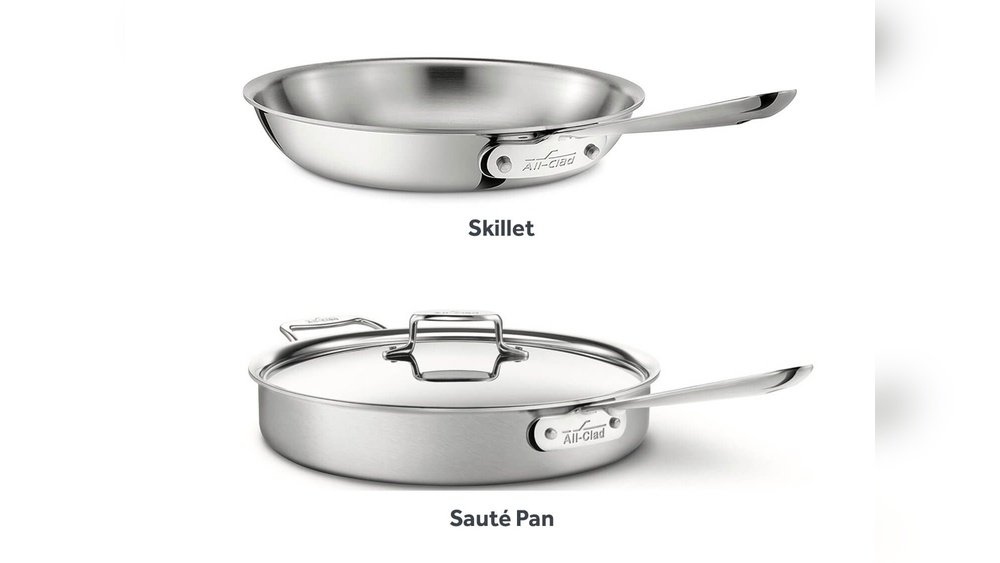
A frying pan usually has sloped sides. This shape helps toss food easily during cooking. It is lighter and great for quick searing or frying. A sauté pan has straight, taller sides. This shape keeps food contained and holds more liquid. It is better for simmering or cooking dishes with sauce.
Saute Pan Vs Skillet
Skillets often have low, flared sides. These help with browning and evaporation. Skillets are great for frying and getting crispy textures. Sauté pans have higher, straight sides. They allow cooking larger amounts and simmering without spills. Sauté pans work well for dishes that need stirring or covering.
Saute Pan Vs Saucepan
Saucepans feature tall, straight sides and deep shape. They are designed mainly for boiling or making sauces. Sauté pans are wider and flatter than saucepans. This shape helps food cook evenly and prevents steaming. Sauté pans combine the benefits of frying and simmering in one pan.

Credit: www.amazon.com
Key Features
The materials and construction of a sauté pan influence how it performs in the kitchen. Different materials affect heat distribution, durability, and cooking style. Understanding these factors helps choose the right pan for your needs.
A well-constructed sauté pan combines strength with efficient heat control. This balance ensures food cooks evenly and retains flavor. The build quality also impacts how long the pan lasts and how easy it is to clean.
Stainless Steel
Stainless steel sauté pans are popular for their durability and resistance to rust. They do not react with acidic foods, keeping flavors pure. These pans often have an aluminum or copper core for better heat conduction.
Stainless steel pans are easy to maintain and often dishwasher safe. Their sturdy construction makes them suitable for high-heat cooking and oven use.
Aluminum
Aluminum sauté pans heat up quickly and distribute heat evenly. They are lightweight, making them easy to handle. However, aluminum can react with acidic foods, which may affect taste and pan color.
Many aluminum pans come with a non-stick coating. This feature simplifies cooking and cleanup but requires gentle care to avoid damage.
Copper
Copper pans offer superior heat control and quick response to temperature changes. They are favored by professional chefs for precise cooking. Copper pans usually have a stainless steel lining to prevent food from touching the metal directly.
These pans require regular polishing to keep their shine. Copper sauté pans tend to be more expensive but deliver excellent performance.
Non-stick Coating
Non-stick sauté pans reduce the need for oils and fats in cooking. They are ideal for delicate foods that might stick to other surfaces. This coating makes cleaning fast and easy.
Non-stick surfaces can wear off over time and need careful use with plastic or wooden utensils. They usually cannot tolerate very high heat.
Handle And Lid Construction
A sturdy handle provides safety and comfort while cooking. Handles made from stainless steel or heat-resistant materials last longer and stay cool. A well-fitting lid helps trap moisture and heat, improving cooking results.
Some lids are glass, allowing you to watch food without lifting the lid. Others are metal for better heat retention.
Design Differences
A sauté pan is a versatile tool found in many kitchens. It has a wide, flat bottom and tall, straight sides. This design helps cook food evenly and hold liquids well. The pan works well for several cooking methods. It is especially useful for dishes needing both searing and simmering.
Braising
Braising uses both dry and wet heat to cook food slowly. The sauté pan’s tall sides hold liquid and keep steam inside. This helps tenderize tougher cuts of meat and vegetables. You start by browning the food, then add liquid to simmer. The pan’s lid traps heat and moisture for even cooking.
Making Sauces
Sauté pans excel at making sauces. The large surface area allows liquids to reduce quickly. This thickens sauces and concentrates flavors. The straight sides prevent splashing, keeping the cooking area clean. You can also add ingredients easily while stirring.
Shallow Frying
Shallow frying uses a small amount of oil to cook food. The sauté pan holds oil well with its wide base. The straight sides keep oil from splashing out. This method works well for frying cutlets, fish, or vegetables. It cooks food evenly and creates a crispy texture.
:max_bytes(150000):strip_icc()/Hestan-NanoBond-Titanium-Stainless-Steel-Saute-Pan-grace-kelly-06-de926ca6f47647a4b3faae9a1778e3f2.jpg)
Credit: www.seriouseats.com
Materials And Construction
Choosing the right size for a sauté pan is important for cooking success. The pan size affects how evenly food cooks and how much food you can prepare at once.
Using a pan that is too small causes overcrowding. Food steams instead of browns. Too large a pan wastes heat and energy.
Consider The Number Of Servings
Think about how many people you usually cook for. A 3-quart pan is good for one to two servings. For families or larger groups, a 5 to 7-quart pan works better. It holds more food and liquids.
Match Pan Size To Cooking Style
For quick sautéing, a smaller pan is easier to control. For recipes needing sauces or braising, a larger pan with tall sides is ideal. It holds liquids and prevents spills.
Check Your Stove Size
Use a pan that fits your stove burner. A pan too large on a small burner heats unevenly. A pan too small on a large burner wastes fuel. The right fit improves cooking efficiency.
Typical Uses
Proper care and maintenance keep your sauté pan in top shape. It extends the pan’s life and keeps food tasting great. Simple daily habits make a big difference.
Cleaning your sauté pan after each use prevents buildup and damage. Avoid harsh scrubbing that can scratch the surface. Gentle washing protects the pan’s finish and cooking performance.
Cleaning Tips For A Sauté Pan
Use warm water and mild dish soap to clean your pan. Soft sponges work best to avoid scratches. For stuck-on food, soak the pan briefly before cleaning.
Never put a hot sauté pan directly under cold water. This can cause warping or damage. Let the pan cool down before washing.
Seasoning And Protecting The Surface
Some sauté pans, especially those made of cast iron, need regular seasoning. Lightly coat the surface with cooking oil after cleaning. Heat the pan gently to seal the oil. This process helps prevent rust and creates a natural non-stick layer.
Storage Advice
Store your sauté pan in a dry place to avoid moisture damage. Avoid stacking heavy items on top to prevent dents or warping. Use pan protectors or cloths if stacking pans is necessary.
Handling And Usage Tips
Use wooden or silicone utensils to protect the pan’s surface. Avoid metal tools that can scratch or damage the coating. Heat the pan slowly to maintain its shape and coating.

Credit: proware-kitchen.co.uk
Frequently Asked Questions
What Is The Difference Between A Sauté Pan And A Frying Pan?
A sauté pan has straight, tall sides and a lid, ideal for simmering and sauces. A frying pan has sloped sides for tossing and searing.
What Can I Use Instead Of A Sauté Pan?
Use a frying pan or skillet with sloped sides as a substitute for a sauté pan. They work well for tossing and searing food evenly.
What Do You Cook In A Sauté Pan?
You cook foods that need even browning and simmering in a sauté pan. Ideal for pan-frying, reducing sauces, braising, and cooking dishes with liquids.
What Is The Purpose Of A Sauté Pan?
A sauté pan has tall, straight sides and a flat bottom. It cooks food evenly, holds liquids, and prevents splatter. Use it for pan-frying, simmering, braising, and reducing sauces. Its design allows stirring without spilling, making it ideal for moisture-rich recipes.
What Is A Sauté Pan Used For In Cooking?
A sauté pan is used for frying, searing, and cooking foods evenly. Its tall sides help hold sauces and prevent splatters. It is ideal for dishes that need stirring or simmering.
Conclusion
A sauté pan is a useful tool in any kitchen. Its straight sides hold liquids and food well. This design makes cooking sauces and simmering easier. You can also brown, fry, or braise foods with it. Choosing the right pan helps improve your cooking results.
Keep this pan handy for many types of dishes. Simple, practical, and reliable—a sauté pan fits many needs.