
Craving sushi but don’t want to leave your home or spend a fortune at a restaurant? You’re not alone.
Making sushi at home might sound complicated, but with the right steps, you can create delicious, fresh sushi that rivals what you get in Austin’s best spots. Imagine rolling your own sushi, picking your favorite fillings, and impressing friends or family with your skills.
In this guide, you’ll discover simple, clear instructions on preparing perfect sushi rice, choosing fillings, and mastering the rolling technique. Ready to turn your kitchen into your own sushi bar? Let’s dive in and make sushi at home easy, fun, and tasty!
Essential Ingredients
Making sushi at home starts with gathering the essential ingredients. Each component plays a key role in the taste and texture. Freshness and quality matter most. Simple, quality ingredients make sushi enjoyable and authentic.
Understanding these basics helps you prepare sushi rice, fillings, and rolls with ease. Keep your ingredients ready and organized for smooth preparation.
Rice
Use short-grain sushi rice for the best texture. It sticks well and holds shape. Rinse the rice until the water runs clear. This removes excess starch. Cook the rice with the right water ratio. Season it with rice vinegar, sugar, and salt. This gives it the classic sushi flavor and shine.
Nori (seaweed Sheets)
Nori sheets wrap the rice and fillings. Choose fresh, crisp sheets for easy rolling. Toast them lightly for a better taste and crunch. Handle nori gently to avoid tearing. Store in a dry place to keep crispness.
Fish And Seafood
Pick sushi-grade fish from a trusted source. Tuna, salmon, and yellowtail are popular choices. Use fresh or properly frozen fish. Keep seafood cold until use. Alternatives like cooked shrimp or crab meat work well for beginners. Always ensure safety with raw fish.
Vegetables
Use fresh vegetables for crunch and flavor. Common choices include cucumber, avocado, and carrots. Cut them into thin, even strips. This helps with rolling and eating. Fresh vegetables add color and balance to sushi.
Condiments And Extras
Soy sauce, wasabi, and pickled ginger enhance the sushi experience. Soy sauce adds saltiness. Wasabi gives a spicy kick. Pickled ginger cleanses the palate between bites. Use these in small amounts for best taste.
Choosing Sushi-grade Fish
Sushi tastes best with fresh, high-quality fish. Choosing sushi-grade fish ensures your rolls are safe and delicious. This fish is handled carefully to reduce bacteria and parasites.
Only certain fish qualify as sushi-grade. You need to know where to buy and how to check for freshness. This section helps you pick the right fish for your homemade sushi.
What Does Sushi-grade Mean?
Sushi-grade means the fish is safe to eat raw. It is frozen to kill parasites before sale. This process keeps the fish fresh and clean.
Not all fish sold as fresh are sushi-grade. Look for labels or ask the seller. Only trust fish from reputable markets or stores.
Types Of Fish Commonly Used
Tuna, salmon, and yellowtail are popular sushi fish. Each has a mild, fresh flavor and soft texture. They blend well with rice and seaweed.
Other options include mackerel, snapper, and sea bass. Choose fish with firm flesh and a bright color. Avoid fish that looks dull or smells fishy.
Where To Buy Sushi-grade Fish
Specialty fish markets and some grocery stores sell sushi-grade fish. Check if the fish is kept cold and clean. Ask the staff about the fish’s source and freezing method.
Online stores offer sushi-grade fish with home delivery. Order only from trusted sellers with good reviews. Keep the fish cold during transport to maintain freshness.
How To Check Freshness At Home
Fresh fish should smell like the ocean, not fishy or sour. The flesh must be firm and spring back when pressed. Avoid fish with slimy or discolored parts.
Clear, shiny skin and bright eyes are signs of freshness in whole fish. Store fish in the coldest part of your fridge. Use it within one or two days for best taste.
Selecting The Right Rice
Choosing the right rice is the first step to great homemade sushi. Sushi rice is very different from regular rice. It needs to be sticky but not mushy. This helps the rice hold together when you roll your sushi.
Using the wrong rice can make your sushi fall apart or taste bland. The best rice for sushi is short-grain or medium-grain rice. These types absorb the vinegar mixture well and give the perfect texture.
What Type Of Rice To Use
Always pick Japanese short-grain rice labeled as “sushi rice.” This rice is sticky and glossy after cooking. It holds the shape of sushi rolls nicely. Avoid long-grain rice like basmati or jasmine. These grains are too dry and loose for sushi.
Where To Buy Sushi Rice
Find sushi rice at Asian markets or online stores. Many grocery stores also carry it in the international aisle. Look for packages that say “short-grain” or “sushi rice.” Check the label to make sure it is from Japan or a trusted brand.
How To Prepare Sushi Rice
Rinse the rice under cold water until the water runs clear. This removes extra starch and stops the rice from becoming too sticky. Use a 1:1.2 ratio of rice to water for cooking. Let the rice rest after cooking to finish steaming. Then mix with sushi vinegar while it is still warm.
Preparing Sushi Rice
Preparing sushi rice is the most important step in making sushi at home. The texture and flavor of the rice affect the entire dish.
Good sushi rice is sticky but not mushy. It should hold together well for rolling and eating.
Choosing The Right Rice
Use short-grain Japanese rice for sushi. This type of rice is sticky and absorbs vinegar well. Avoid long-grain rice because it is too dry and loose.
Washing And Soaking The Rice
Rinse the rice under cold water until the water runs clear. This removes excess starch. Then soak the rice in water for 30 minutes to 1 hour. Soaking helps the grains cook evenly.
Cooking The Rice
Cook the rice with the correct water ratio, usually 1:1.2 rice to water. Use a rice cooker or pot with a tight lid. Let the rice steam for 10 minutes after cooking for best texture.
Mix rice vinegar, sugar, and salt until dissolved. This mixture flavors the rice and gives it a shiny finish.
Seasoning The Rice
Transfer hot rice to a wooden or plastic bowl. Gently fold in the sushi vinegar with a wooden spatula. Avoid smashing the rice to keep grains intact. Fan the rice while mixing to cool it quickly.
Making Sushi Vinegar
Making sushi vinegar is a key step in preparing authentic sushi rice. Sushi vinegar, also called “sushizu,” gives rice its signature tangy and slightly sweet flavor. This seasoning balances the rice’s texture and enhances the overall taste of sushi.
Simple ingredients create sushi vinegar: rice vinegar, sugar, and salt. Mixing these in the right amounts creates the perfect blend for sushi rice. Using good quality rice vinegar improves the flavor and aroma of the sushi.
Ingredients Needed For Sushi Vinegar
- 1/2 cup rice vinegar
- 2 tablespoons sugar
- 1 teaspoon salt
How To Make Sushi Vinegar
Combine rice vinegar, sugar, and salt in a small saucepan. Heat gently over low heat while stirring. Stir until sugar and salt dissolve completely. Avoid boiling to keep the vinegar’s flavor mild.
Tips For Using Sushi Vinegar
Cool sushi vinegar before mixing with hot rice. Pour vinegar evenly over rice for uniform seasoning. Use a wooden spatula to fold rice gently without crushing grains.
Preparing Vegetables And Fillings
Preparing vegetables and fillings is a key step in making sushi at home. Fresh, crisp vegetables add texture and flavor to your rolls. Choosing the right fillings balances the taste and makes your sushi enjoyable.
Wash all vegetables thoroughly to remove dirt and pesticides. Peel or trim as needed before cutting. Use sharp knives for clean, even slices that roll smoothly inside the sushi.
Choosing Fresh Vegetables
Select vegetables that are firm and fresh. Common choices include cucumber, carrot, and avocado. These provide crunch and creaminess to your sushi rolls. Avoid vegetables that are soft or wilted.
Cutting Vegetables For Sushi
Cut vegetables into thin, long strips. Thin strips fit well inside the nori and rice layers. Uniform size helps the sushi roll stay together without falling apart.
Preparing Additional Fillings
Fillings can include cooked shrimp, crab sticks, or tofu for variety. Slice proteins into thin strips or small pieces. Season lightly with salt or soy sauce for added flavor.
Handling Avocado And Other Soft Ingredients
Cut avocado just before use to prevent browning. Use a ripe but firm avocado for best texture. Soft fillings should be sliced gently to keep their shape.
Tools Needed For Rolling
Rolling sushi at home needs the right tools. These tools help shape and hold the sushi rolls. They make the process easier and cleaner. Using proper tools improves your sushi’s look and taste.
Below are the main tools you need to roll sushi properly.
Bamboo Rolling Mat (makisu)
A bamboo rolling mat is essential for shaping sushi rolls. It helps press the rice and fillings evenly. Choose a mat with thin bamboo sticks tied tightly together. Wrap the mat in plastic wrap to keep it clean and prevent rice from sticking.
Nori Sheets
Nori sheets are dried seaweed used as the outer layer for sushi rolls. They add flavor and hold the roll together. Keep the sheets dry and use fresh ones for the best results.
Sharp Knife
A sharp knife is necessary to cut sushi rolls cleanly. Use a long blade to slice through the roll in one smooth motion. Wet the knife blade before cutting to avoid sticking.
Rice Paddle (shamoji)
A rice paddle helps spread the sticky sushi rice evenly on the nori sheet. It prevents the rice from sticking to your hands. Use a paddle made from wood or plastic for easy handling.
Small Bowl Of Water And Vinegar
Keep a small bowl of water mixed with vinegar nearby. Dip your fingers in it to stop the rice from sticking while spreading. This simple trick makes rolling much cleaner.
Cutting Board
A clean cutting board provides a solid surface for rolling and slicing sushi. Use a non-slip board to keep your sushi steady. Clean the board often to avoid mixing flavors.
Setting Up Your Workspace
Creating sushi at home needs a clean and organized workspace. A neat area helps keep ingredients fresh and makes the process easier. It reduces mistakes and speeds up rolling.
Set up your tools and ingredients within easy reach. This setup helps you focus on making sushi without interruptions. Good lighting is also important to see what you are doing clearly.
Organize Your Tools
Gather all tools before you start. You will need a bamboo rolling mat, sharp knife, rice paddle, and bowls. Keep a small bowl of water nearby to wet your hands and prevent rice from sticking.
Place the bamboo mat on a flat surface. Lay out your knife and rice paddle to one side. Have your cutting board ready for slicing vegetables and fish.
Prepare Ingredients
Arrange sushi rice, nori sheets, and fillings in separate bowls or plates. Cut vegetables into thin strips to make rolling easier. Slice fish into thin pieces if using raw fish.
Keep cold ingredients chilled until ready to use. This preserves freshness and taste. Place a damp cloth nearby to wipe your hands or tools as needed.
Maintain Cleanliness
Cleanliness is key for sushi making. Wipe surfaces before and after each step. Use a damp towel to keep your hands clean while working.
Throw away any scraps or waste immediately. This avoids clutter and keeps your workspace safe. A tidy area helps you stay focused and enjoy the sushi-making process.
Spreading Rice On Nori
Spreading rice on nori is a key step in making sushi at home. It sets the base for your sushi roll. The way you spread the rice affects the texture and taste of your sushi. It also helps the ingredients stick together well.
Use a wooden or plastic spatula to spread the rice. Wet your hands with water mixed with a little vinegar. This stops the rice from sticking to your fingers. Gently place a handful of sushi rice on the nori sheet.
Spread the rice evenly over the shiny side of the nori. Leave about an inch of space at the top edge. This space helps seal the roll when you roll it up. Press the rice lightly but do not squash it. The rice layer should be thin and uniform.
Preparing Your Hands For Spreading Rice
Wet your hands often with water and vinegar. This prevents rice from sticking to your skin. Use just enough moisture to keep your hands slippery.
How To Spread Rice Evenly On Nori
Start from the bottom edge of the nori. Use your fingers or spatula to spread rice upward. Keep the layer thin and smooth. Avoid clumps or gaps in the rice layer.
Leaving Space For Rolling
Leave about one inch clear at the top of the nori. This space helps seal the sushi roll. Do not spread rice over this area.

Credit: takestwoeggs.com
Layering Fillings Correctly
Layering fillings correctly is key to making tasty sushi rolls. Proper layering keeps the roll tight and flavors balanced. It also helps the sushi hold its shape when sliced.
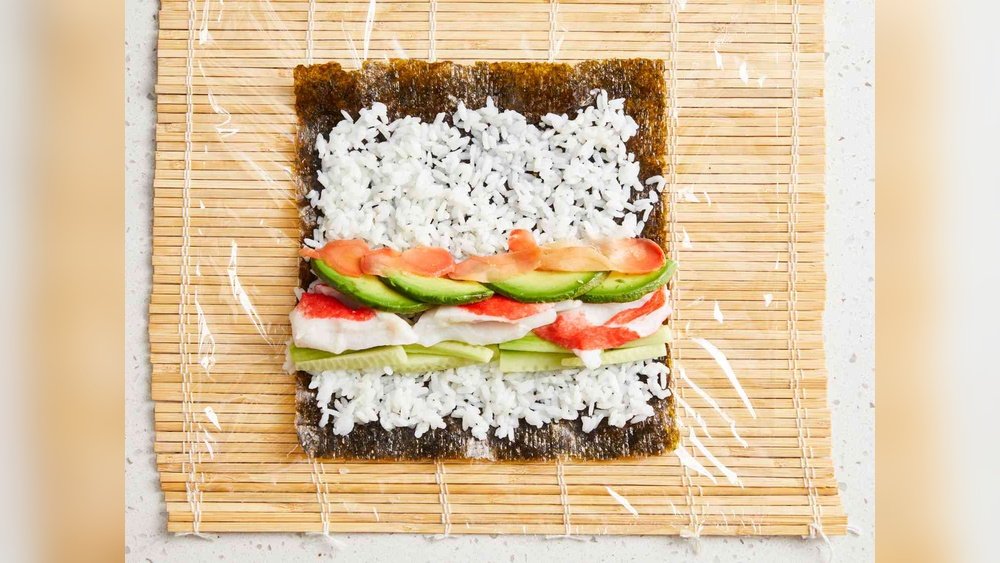
Start by spreading the sushi rice evenly on the nori sheet. Leave a small space at the top edge to seal the roll later. Next, add your fillings in a straight line across the middle of the rice.
Choose The Right Amount Of Fillings
Use a moderate amount of fillings. Too many fillings make rolling difficult. Too few fillings result in bland sushi. Aim for balance to enjoy every bite.
Layer Soft And Firm Ingredients Separately
Place soft ingredients, like avocado or cream cheese, away from the seaweed. Firm ingredients, like cucumber or crab sticks, should go closer to the rice. This prevents the roll from becoming soggy.
Keep Fillings Evenly Distributed
Spread fillings evenly along the length of the rice. Avoid piling ingredients in one spot. Even distribution ensures a consistent taste and easy rolling.
Rolling Techniques For Maki
Rolling techniques for maki sushi shape the final look and taste. Proper rolling keeps ingredients tight and evenly layered. This step turns loose fillings into neat, bite-sized rolls. Practice helps improve your control and confidence. Use a bamboo mat for best results.
Preparing The Bamboo Mat
Place the bamboo mat on a flat surface. Lay a sheet of plastic wrap over the mat. This prevents rice from sticking to the mat. Keep the mat clean to avoid tearing the nori.
Place the nori sheet shiny side down on the mat. Wet your hands with water and vinegar. This stops the rice from sticking. Spread an even layer of rice over the nori. Leave about one inch free at the top edge.
Adding Fillings
Arrange fillings in a line across the rice near the bottom edge. Avoid overfilling to make rolling easier. Keep ingredients evenly spaced for balanced flavor in each bite.
Rolling The Maki
Lift the edge of the mat closest to you. Use your fingers to hold the fillings in place. Roll the mat forward, tucking the edge of the nori over the fillings. Press gently but firmly to shape the roll. Continue rolling until the whole sheet is rolled up.
Sealing And Cutting The Roll
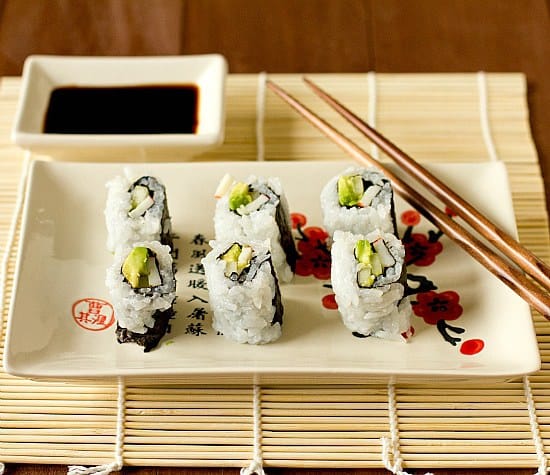
Wet the free edge of the nori to seal the roll. Press gently to close it. Use a sharp, wet knife to cut the roll into even pieces. Clean the knife after each slice for smooth cuts.
Credit: www.browneyedbaker.com
Making Inside-out Rolls
Start by spreading sushi rice on a sheet of nori. Place fillings in the center, then roll with a bamboo mat. Coat the outside with rice and flip to create the inside-out roll.
Inside-out rolls, also called uramaki, have rice on the outside and seaweed inside. This style is popular for its appealing look and texture. Making them at home is simple with the right steps and tools.
Start by preparing sushi rice and your fillings. Use a bamboo mat for rolling. Wet your hands to handle sticky rice easily.
Preparing The Nori And Rice
Place a sheet of nori on the bamboo mat. Spread a thin layer of rice evenly over the nori. Make sure to cover the entire sheet. Press gently so the rice sticks well.
Sprinkle sesame seeds or fish roe on the rice surface. This adds flavor and texture to your roll.
Flipping The Roll
Carefully flip the nori and rice so the rice is on the bottom. The nori should now face up. This step keeps the rice outside after rolling.
Use the bamboo mat to hold the nori steady. Be gentle to avoid breaking the rice layer.
Adding Fillings And Rolling
Place your chosen fillings in a line near the edge of the nori. Common fillings include cucumber, avocado, and cooked seafood.
Roll the bamboo mat over the fillings tightly but gently. Press to shape the roll and keep it firm. Pull the mat as you roll to avoid tight spots.
Cutting The Roll
Use a sharp knife dipped in water to cut the roll. Slice into even pieces, about one inch thick. Clean the knife between cuts to keep slices neat.
Serve your inside-out rolls with soy sauce, pickled ginger, and wasabi. Enjoy your fresh homemade sushi!
Slicing Sushi Rolls
Slicing sushi rolls is a key step to enjoy your homemade sushi. Proper cutting keeps the rolls intact and makes eating easier. The right technique creates clean slices without squashing the roll. This section explains how to slice sushi rolls like a pro at home.
Use A Sharp Knife
Choose a very sharp knife for slicing. A dull blade will crush the roll and make uneven cuts. Wet the knife blade with water to prevent rice from sticking. Clean the blade after each cut to keep slices neat.
Cut With Gentle Pressure
Apply light, steady pressure when slicing. Avoid pressing down hard. Let the sharp knife do the work. Slice in a smooth, single motion to keep the roll shape.
Cut Into Even Pieces
Make each slice about one inch thick. Even pieces look better and are easier to eat. Count your cuts to get equal slices. Use a gentle sawing motion if needed.
Use A Damp Cloth
Keep a damp cloth nearby to wipe the knife blade. This stops rice from sticking and keeps slices clean. Wiping between cuts helps maintain smooth slicing.

Credit: www.tiger-corporation.com
Serving Suggestions
Serving sushi at home can be fun and creative. Presentation makes the meal special. Simple touches can turn your sushi into a feast for the eyes and palate.
Think about colors and textures. Fresh vegetables add crunch and brightness. Sauces bring flavor and moisture. Small details make a big difference.
Plating Your Sushi Rolls
Use a clean, flat plate or wooden board. Arrange rolls in neat rows or circles. Leave space between each roll to show its shape.
Add a small pile of pickled ginger on the side. It cleanses the palate between bites. Place a few wasabi dots for heat and color.
Serving Soy Sauce
Pour soy sauce into small dipping dishes. Use shallow dishes to avoid too much sauce. Guests can dip each piece lightly.
Consider low-sodium soy sauce for a healthier option. Provide chopsticks and small spoons for easy dipping.
Pairing With Side Dishes
Serve sushi with miso soup or seaweed salad. These sides complement the fresh flavors well. Edamame beans also add a light, salty snack.
Include a bowl of steamed rice to balance the meal. A small serving of fresh fruit can finish the meal nicely.
Tips For Perfect Sushi At Home
Making sushi at home can be a fun and rewarding experience. Perfect sushi depends on simple but important details. Focus on these tips to improve your sushi-making skills. They help you create tasty and beautiful sushi rolls every time.
Use The Right Rice
Choose short-grain sushi rice for sticky texture. Rinse the rice several times to remove extra starch. Cook the rice with a little less water for firmness. Mix rice vinegar, sugar, and salt while rice is hot. Cool the rice to room temperature before using.
Keep Your Hands Wet
Moisten your hands with water or vinegar water. This stops rice from sticking to your fingers. It makes shaping rolls easier and cleaner.
Choose Fresh Ingredients
Select fresh fish or vegetables for best flavor. Use sushi-grade fish from a trusted source. Wash and dry vegetables well before slicing. Cut ingredients into thin, even strips for easy rolling.
Use A Bamboo Mat
A bamboo rolling mat helps create tight, even rolls. Lay the nori sheet shiny side down on the mat. Spread rice evenly, leaving a small edge free. Add fillings in a line near one edge. Roll firmly but gently to avoid crushing ingredients.
Cut Rolls Cleanly
Use a sharp knife dipped in water before slicing. Cut rolls in half, then into bite-sized pieces. Clean the knife between cuts for smooth slices.
Practice Patience
Take your time learning each step. Sushi making improves with practice and care. Enjoy the process and celebrate small successes.
Frequently Asked Questions
What Do I Need For Making Sushi At Home?
To make sushi at home, you need sushi-grade fish or fillings, nori sheets, short-grain rice, rice vinegar, a bamboo rolling mat, and a sharp knife. Prepare seasoned sushi rice, thinly slice vegetables, and use water to keep rice from sticking while rolling.
Is Sushi Good For Diabetics Type 2?
Sushi can be suitable for type 2 diabetics if it includes lean fish and vegetables. Choose brown rice and avoid sugary sauces. Portion control helps manage blood sugar levels effectively.
Is Sushi Good For Inflammation?
Sushi can help reduce inflammation due to omega-3-rich fish like salmon. Avoid fried or processed toppings for best benefits.
Is Sushi Ok For Heart Patients?
Sushi can be heart-healthy if made with fresh fish, vegetables, and minimal sodium. Avoid fried or high-sodium options. Choose low-mercury fish and limit soy sauce intake to protect heart health.
What Ingredients Do I Need To Make Sushi At Home?
You need sushi-grade fish or cooked fillings, nori sheets, short-grain rice, and a bamboo rolling mat. Vinegar, sugar, and salt are also essential for seasoning the rice. Fresh vegetables like cucumber and avocado add great flavor.
Conclusion
Making sushi at home is fun and rewarding. Start with fresh ingredients and follow simple steps. Practice helps you improve your rolling and cutting skills. Enjoy experimenting with different fillings and flavors. Serve your sushi with soy sauce, wasabi, or pickled ginger for extra taste.
Homemade sushi brings a tasty, creative meal to your table. Give it a try and enjoy the experience!