
You love using your mortar and pestle to create fresh spices, pastes, and sauces. If you’re wondering How to Clean Mortar And Pestle, these simple steps will help with mortar and pestle care while protecting the material. But if you don’t clean it properly, old flavors and residues can ruin your next dish.
So, how do you keep your mortar and pestle spotless without damaging it? Whether yours is made of granite, marble, or ceramic, the right cleaning method can make all the difference. In this guide, you’ll discover simple, effective steps to clean and maintain your mortar and pestle, keeping it ready for every culinary adventure.
Keep reading to learn how to preserve its quality and flavor so your cooking always shines.
Daily Cleaning Steps
Cleaning your mortar and pestle daily keeps it in good shape and ready for use. Dirt and leftover food can build up quickly. This affects the taste of your spices and herbs. A simple daily cleaning routine stops this problem. It only takes a few minutes. Follow these easy steps to keep your tool clean and fresh every day.
Rinse Immediately
Rinse the mortar and pestle right after use. Use warm water to wash away loose bits. This prevents food from drying and sticking. Avoid letting residue sit for long. Quick rinsing saves time later and makes cleaning easier.
Scrub With A Brush
Use a small brush to scrub the surface gently. A soft-bristled brush works best to reach all corners. Scrubbing removes stubborn particles stuck in grooves. Avoid using metal scrubbers that can damage the stone or wood. Brush carefully to keep your mortar and pestle smooth and intact.
Soap Use Guidelines
Use soap only if needed, and choose a mild kind. Harsh soaps can leave a taste behind or damage porous materials. If you use soap, rinse thoroughly to remove all soap traces. For most daily cleaning, water and brushing are enough. Soap is best saved for deeper cleaning sessions.
Deep Cleaning Techniques
Deep cleaning your mortar and pestle keeps it fresh and ready for every cooking task. Over time, powders and oils can build up in the porous surface. Regular washing might not remove all residues or odors. Deep cleaning removes stubborn stains and trapped flavors. It extends the life of your tool and improves taste in your dishes. Try these effective methods to clean your mortar and pestle thoroughly.
Grinding White Rice
Start by grinding dry white rice in your mortar. Use about a quarter cup of rice at a time. Grind it into a fine powder, pressing and twisting with the pestle. The rice powder picks up leftover oils and particles. Keep grinding until the powder stays white. This means the mortar is clean of old residues. Discard the rice powder and wipe the mortar with a dry cloth. This method is gentle and safe for all types of mortar and pestle.
Using Baking Soda And Salt
Mix equal parts baking soda and coarse salt in the mortar. Add a small splash of water to make a paste. Use the pestle to scrub the inside surface well. Baking soda works as a mild abrasive and deodorizer. Salt helps remove tough stains and absorbs odors. Rinse the mortar and pestle under warm water after scrubbing. Dry them completely before storing to avoid moisture damage. This technique cleans deeply without harsh chemicals.
Seasoning A New Mortar And Pestle
Porous materials like granite, marble, and wood absorb water and oils easily. This makes cleaning a bit tricky. Dirt and flavors can get trapped inside the tiny holes. Proper care keeps your mortar and pestle fresh and safe to use. For food-contact kitchen tools, following basic cleaning and sanitizing practices can also help reduce the risk of cross-contamination.
Avoid Soaking
Never soak porous mortars and pestles in water. Prolonged soaking lets water seep inside. This can cause cracks or weaken the material. Instead, rinse quickly with warm water. Use a brush to scrub away stuck particles. Avoid using soap on porous surfaces, as it can leave residue.
Drying Tips
After cleaning, dry your mortar and pestle immediately. Use a clean towel to remove moisture. Leave it in a warm, airy place to dry fully. Avoid direct sunlight or heat sources. Proper drying prevents mold and bacteria growth. Make sure it is completely dry before storing or next use.
Cleaning Porous Materials
Handling odors and stains in your mortar and pestle keeps it fresh and ready for any recipe. Strong spices and herbs can leave behind smells that linger. Stains may also build up from colorful ingredients like turmeric or paprika. Proper care removes these unwanted marks and scents without harming the stone or wood.
Cleaning these naturally preserves your tool’s beauty and function. Simple, natural methods work best to avoid damage. The goal is to keep your mortar and pestle clean while maintaining its texture and durability.
Natural Deodorizing Methods
Use coarse salt to scrub the inside of the mortar. Salt absorbs odors and helps remove residue. Rinse with warm water after scrubbing. Dry it completely to stop moisture buildup.
Grinding uncooked white rice inside the mortar also freshens it. The rice acts like a gentle abrasive and clears out leftover smells. Repeat until the ground rice stays white.
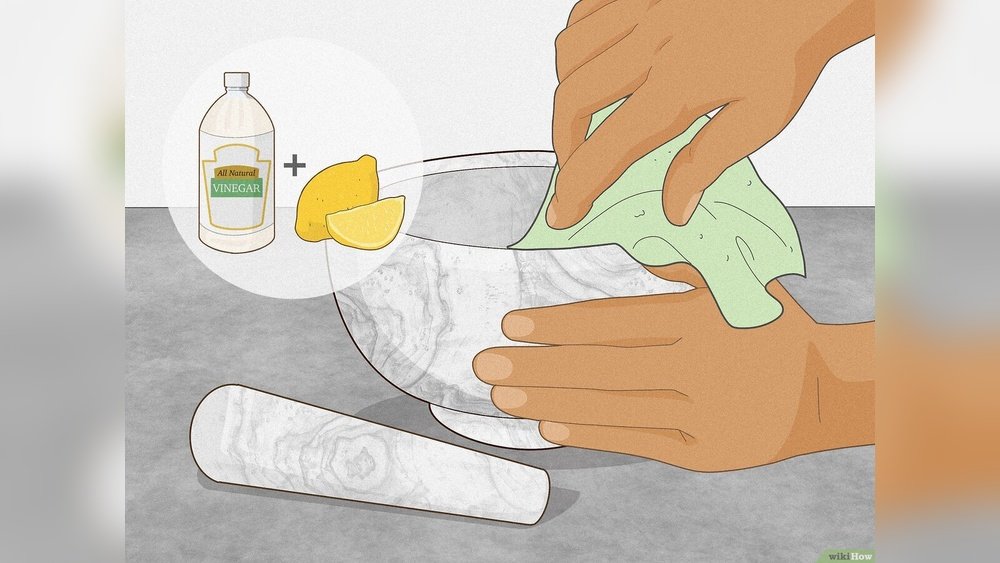
Lemon juice is another natural deodorizer. Rub a lemon wedge over the surface or soak a cloth with lemon juice. Let it sit for a few minutes, then rinse. Lemon removes odors and brightens the stone.
Removing Stubborn Stains
Baking soda makes a mild paste when mixed with water. Apply this paste to stained areas and let it sit for 10 minutes. Scrub gently with a soft brush or sponge. Rinse thoroughly with warm water.
For tough stains, use a mixture of vinegar and water. Soak a cloth in the solution and place it on the stain for a few minutes. Vinegar breaks down deep-set stains without harsh chemicals.
Avoid harsh soaps or bleach as they can damage porous stones. Always dry your mortar and pestle fully after cleaning to prevent cracks or mold growth.
Handling Odors And Stains
Restoring old mortar and pestles brings new life to these classic kitchen tools. Over time, they may develop stains, rough patches, or lose their smooth finish. Proper restoration cleans and repairs the stone or wood surface.
Restoring also improves performance and safety. A clean, smooth mortar and pestle prevents food contamination and ensures better grinding. The process requires simple household items and a little effort.
Using Vinegar And Baking Soda
Vinegar and baking soda create a powerful cleaning duo for old mortar and pestles. Start by sprinkling baking soda over the surface. Then, pour white vinegar slowly on top. The mixture will fizz and lift stains.
Let the fizz work for five to ten minutes. Use a soft brush to scrub gently. Rinse with warm water and dry completely. This method removes dirt and light stains without harsh chemicals.
Sanding Surface Imperfections
For rough or chipped surfaces, sanding helps restore smoothness. Use fine-grit sandpaper to lightly sand the mortar and pestle’s surface. Move in circular motions and check progress often.
Stop sanding when the surface looks even and smooth. Wipe away dust with a damp cloth. Sanding removes old stains and minor cracks, making the tool safe and easy to use again.

Credit: www.feathersinthewoods.com
Restoring Old Mortar And Pestles
Cleaning a mortar and pestle properly extends its life and keeps it safe for food use. Avoiding common mistakes helps maintain its texture and appearance. Many users harm their tools without realizing it. Simple care tips protect the stone or wood from damage. Follow these easy guidelines for the best results.
Avoiding Harsh Chemicals
Harsh chemicals can ruin the surface of your mortar and pestle. Avoid bleach, strong detergents, and acidic cleaners. These substances may eat away at the stone or wood. Use mild soap or plain water instead. Harsh chemicals leave residues that affect flavor in your food. Clean with gentle tools like soft brushes or sponges only.
Preventing Moisture Damage
Moisture can cause your mortar and pestle to crack or soften. Do not soak it in water for long periods. Porous materials like marble or granite absorb water easily. Always dry your mortar and pestle immediately after cleaning. Store it in a dry place with good airflow. Keeping moisture away preserves the strength and quality of your tool.
Avoiding Common Mistakes
Different mortar and pestle materials need special care to last long. Cleaning and maintaining depend on the type of stone or ceramic. Proper care keeps your tool effective and safe for food use. Learn how to handle granite, marble, and ceramic types correctly.
Granite Care
Granite mortar and pestles are strong and rough. Rinse with warm water after use. Avoid soap to keep natural oils intact. Use a brush to remove stuck particles. Dry with a towel to stop moisture damage. Occasionally, grind dry rice to clean and refresh the surface.
Marble Care
Marble is smooth but porous and delicate. Avoid soaking it in water. Wipe clean with a damp cloth quickly after use. Dry immediately to prevent moisture absorption. Do not use acidic cleaners or harsh scrubbing. Light stains can be removed with baking soda paste gently applied.
Ceramic Care
Ceramic mortar and pestles are easy to clean but fragile. Wash with warm, soapy water using a soft sponge. Avoid metal scrubbers that can scratch. Dry fully before storing to prevent mold. Handle carefully to avoid chips or cracks. Regular cleaning keeps it bright and hygienic.
Maintaining Different Materials
Proper storage of your mortar and pestle keeps it in great shape. Storing it correctly prevents damage and unwanted odors. Follow simple storage tips to extend its life and keep it clean.
Ensure Complete Dryness
Always dry your mortar and pestle fully before storing. Moisture can cause mold or mildew to grow. Use a clean towel to wipe it dry. Let it air dry for a few hours if possible. Never store it while still damp or wet.
Proper Placement
Store your mortar and pestle in a cool, dry place. Avoid areas with high humidity or direct sunlight. Place it where air can circulate around it. Keep it away from strong-smelling foods or spices. This prevents odor absorption and keeps it fresh.
Storage Tips
Knowing when to reseason your mortar and pestle helps keep it in top shape. Over time, the surface can lose its texture and absorb odors. This affects the grinding quality and flavor of your spices. Reseasoning restores the rough surface needed for efficient grinding. It also removes any stuck residues or off smells. Regular checks and care ensure your tool lasts for years.
Signs You Need Reseasoning
Look for a smooth or shiny surface on your mortar. This means the rough texture has worn off. Notice any strange smells lingering after cleaning. These can come from old spices soaked into the stone. If spices do not grind well or slip, the surface may be too smooth. Dark stains or residues that do not wash away also signal reseasoning is needed.
Read more: Best Baking Sheets Non Toxic: Safe & Durable Picks for 2026
How To Reseason Effectively
Start by washing the mortar and pestle with warm water. Avoid using soap as it can soak in and affect flavors. Dry them completely with a clean towel. Next, grind a handful of white rice until it turns into a fine powder. This removes old residues and opens up the pores. Repeat grinding rice until it stays white. Finally, rinse with water and let dry fully before use.
:max_bytes(150000):strip_icc()/HowToCleanCareMolcajete-56a8ea5f5f9b58b7d0f6613a.jpg)
Credit: www.thespruceeats.com
Frequently Asked Questions
How To Restore A Mortar And Pestle?
To restore a mortar and pestle, scrub with baking soda and water, rinse thoroughly, then dry completely. For deep stains, gently sand and reseason by grinding white rice until powder is white. Avoid soaking porous stones to prevent damage.
Can A Mortar And Pestle Get Wet?
Yes, a mortar and pestle can get wet. Rinse with warm water and dry thoroughly to prevent damage. Avoid soaking porous stones.
Can You Use Baking Soda To Clean Mortar And Pestle?
Yes, use baking soda mixed with salt as a gentle scrub to remove light stains and odors from your mortar and pestle.
How Often Should I Clean My Mortar And Pestle?
Clean your mortar and pestle after every use with warm water and a brush. Avoid soap on porous materials. Dry completely before storing.
How Do I Clean A Mortar And Pestle After Use?
Rinse with warm water immediately after grinding. Use a brush to remove stuck particles. Avoid soap on porous stones.
Conclusion
Cleaning your mortar and pestle regularly keeps it in great shape. Use warm water and a brush to wash after each use. Avoid harsh soaps that can damage the surface. For tough stains, try gentle scrubs like baking soda and salt.
Let it dry completely before storing. With simple care, your mortar and pestle will last a long time. Keep it ready for every cooking adventure.
Read more: How to Season a Wok: Expert Tips for Perfect Nonstick Cooking