If you’ve ever struggled with tough cuts of meat that just don’t seem to get tender no matter how long you cook them, braising is the technique you need to master. Understanding What is Braising can help you learn how to braise meat slowly so tough cuts become tender, flavorful, and easy to enjoy. This simple yet powerful cooking method transforms inexpensive, chewy cuts into melt-in-your-mouth meals that will impress everyone at your table.
By combining high-heat searing with slow, gentle cooking in flavorful liquid, braising unlocks deep, rich flavors you won’t get any other way. Ready to learn what braising is and why it should become your go-to cooking method? Keep reading to discover how this “low and slow” approach can elevate your home cooking and make your dishes irresistibly tender and delicious.
Braising Basics
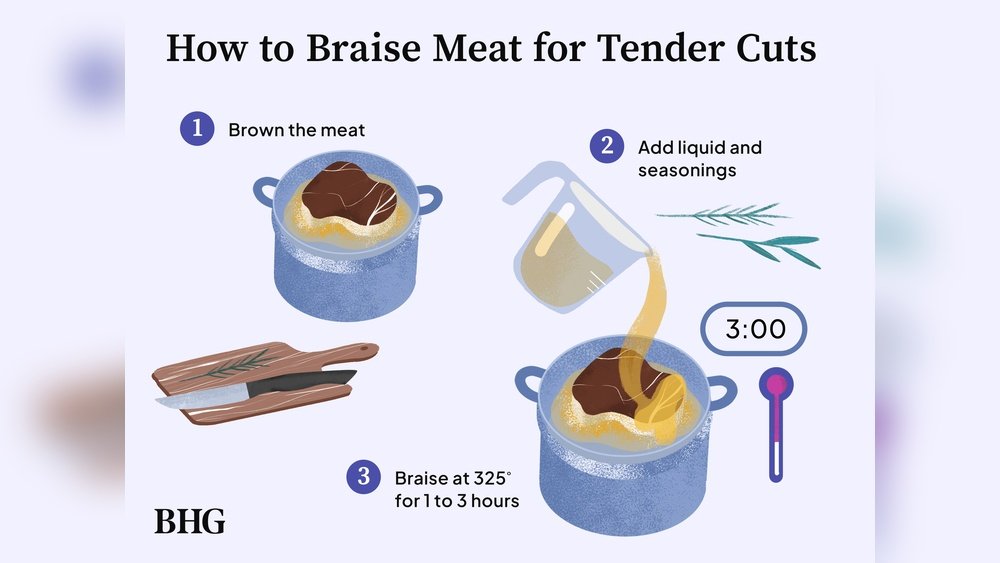
Braising is a cooking method that uses both dry and wet heat. It starts by searing food in hot fat. This creates a brown, flavorful crust. Then, the food cooks slowly in a small amount of liquid. The pot stays covered to trap moisture and heat. This gentle cooking breaks down tough fibers in meat and vegetables. The result is tender, juicy dishes full of deep flavor.
This method works best for tougher cuts of meat. These cuts need long cooking to become soft and tasty. Braising also enhances the flavors of the liquid and spices used. It turns simple ingredients into hearty, comforting meals.
Browning The Food
Browning is the first step in braising. Heat a small amount of fat in a pan. Add the meat or vegetables and cook until brown on all sides. This step locks in flavor and adds color. It also helps build a rich base for the sauce or broth.
Choosing The Right Liquid
The liquid should cover about one-third to half of the food. Use broth, stock, wine, or a mix of liquids. The liquid adds moisture and flavor during cooking. It also helps tenderize the food slowly and evenly.
Cooking Low And Slow
Set the heat low to keep the liquid at a gentle simmer. Cover the pot to hold in steam and heat. Cook for several hours until the food is tender. This slow cooking breaks down collagen and tough fibers, making meat soft and juicy.
Using Suitable Cookware
Use a heavy pot with a tight lid. Cast iron or stainless steel pots work well. These materials keep heat steady and distribute it evenly. A good lid traps steam, keeping the food moist during cooking.
Why Braising Works
Braising slowly cooks food in a small amount of liquid, making tough cuts tender and flavorful. First, the food is browned to add deep taste. Then, gentle heat breaks down fibers, creating soft, juicy dishes.
Braising is a cooking method that uses both dry and wet heat. It begins by searing meat or vegetables at high heat. This step creates a deep, rich flavor through caramelization. After searing, the food cooks slowly in a small amount of liquid. The pot remains covered to trap moisture and heat.
This slow cooking breaks down tough fibers and connective tissues. It transforms hard cuts of meat into tender, juicy dishes. The liquid helps carry flavors throughout the food. It also keeps the meat moist and prevents drying out.
How Heat Transforms Tough Cuts
Tough meats have strong collagen and muscle fibers. Slow cooking with moist heat turns collagen into gelatin. Gelatin makes meat soft and adds richness to the dish. Low temperatures prevent the meat from becoming dry or chewy. This process makes braising ideal for less expensive cuts.
The Role Of Liquid In Braising
Liquid partially covers the food during braising. It helps transfer heat evenly. The steam inside the covered pot also cooks the food gently. The liquid absorbs flavors from the food and seasonings. It creates a flavorful sauce or broth to serve with the dish.
Flavor Development Through Searing
Searing food before braising locks in flavor. High heat creates a brown crust through the Maillard reaction. This adds complexity and depth to the final dish. Searing also helps seal juices inside the meat. It gives the braised dish a rich and hearty taste.
Choosing Cuts For Braising
Braising cooks tough meat slowly in liquid, making it tender and flavorful. Cuts with more connective tissue work best for this method. Choosing the right cut ensures a delicious, melt-in-your-mouth result.
Braising works best with tougher cuts of meat. These cuts have more connective tissue. Slow cooking breaks down this tissue, making the meat tender.
Fat and marbling are important. They add flavor and keep meat moist during braising.
Best Cuts Of Beef For Braising
Chuck roast is a popular choice. It becomes tender and juicy after slow cooking. Short ribs also work well. They have rich flavor and soften nicely. Brisket is another option. It has a good balance of fat and meat.
Ideal Cuts Of Pork For Braising
Pork shoulder is perfect for braising. It has enough fat to stay moist. Pork belly is rich and flavorful. It becomes silky when cooked slowly. Country-style ribs also respond well to braising.
Good Poultry Cuts For Braising
Chicken thighs are better than breasts for braising. They stay tender and juicy. Duck legs are excellent too. Their fat melts during cooking, adding richness.
Vegetables For Braising
Root vegetables like carrots and turnips hold up well. They absorb flavors and become tender. Onions and leeks add sweetness and depth to the dish.
Essential Equipment
Braising needs the right tools for best results. Using proper equipment helps cook food evenly and keeps flavors rich.
Good equipment keeps moisture inside and controls heat well. It also makes the process easier and safer.
Heavy-duty Pot Or Dutch Oven
A thick, heavy pot holds heat evenly. Cast iron Dutch ovens are perfect for braising. They seal in moisture and heat well.
Choose one with a tight-fitting lid. This keeps steam and flavors inside during cooking. It helps tenderize tough meats slowly.
Sturdy Stove Or Oven
Stable, low heat is key for braising. Use a stove that can keep low, steady heat for hours.
An oven works well too. It surrounds the pot with gentle heat, cooking food evenly all around.
Long-handled Tongs And Wooden Spoon
Tongs help turn meat without breaking it. A wooden spoon stirs gently and won’t scratch cookware.
These tools make handling hot food safer and easier. They also protect your pot’s surface during cooking.
Meat Thermometer
A meat thermometer checks doneness without cutting the meat. It ensures meat is tender and safe to eat.
Insert it into the thickest part. This helps avoid overcooking or undercooking your dish.
Searing For Flavor
Searing for flavor is the first crucial step in braising. It creates a deep, rich taste that enhances the entire dish. By applying high heat, the surface of the meat caramelizes, forming a brown crust full of complex flavors.
This process is not just about color. It locks in juices and adds texture. Searing prepares the meat to absorb the flavors of the braising liquid during cooking. Without searing, the final dish can taste flat and lack depth.
Searing Techniques
Start with a hot pan and dry meat. Use a small amount of oil to prevent sticking. Place the meat in the pan without crowding it. Let it cook without moving until a crust forms. Then flip to sear the other sides evenly.
Why Browning Matters
Browning triggers the Maillard reaction, a chemical process that develops flavor. It creates a savory, slightly sweet taste that deepens the dish. This reaction cannot happen at low temperatures, which is why searing is essential before slow cooking.
Choosing The Right Meat
Tough cuts like chuck, brisket, or short ribs benefit most from searing. These cuts have more connective tissue that breaks down during braising. Searing these meats adds flavor while preparing them for tender cooking.
Deglazing Techniques
Deglazing is a key step in braising that lifts flavor from browned bits. These bits, called fond, stick to the bottom of the pan after searing meat. Deglazing dissolves the fond into the cooking liquid. This adds deep, rich taste to the final dish.
Choosing the right liquid for deglazing changes the flavor profile. The process also helps clean the pan and prevent burning during braising.
Using Wine For Deglazing
Wine is a popular choice for deglazing in braising. Red wine pairs well with beef and lamb. White wine suits chicken and pork better. The alcohol cooks off, leaving a complex taste behind. Pour a small amount of wine into the hot pan. Use a wooden spoon to scrape up the browned bits. Let the wine reduce slightly before adding the rest of the braising liquid.
Broth And Stock Deglazing
Broth or stock adds savory depth when deglazing. Chicken, beef, or vegetable stock works well. Heat the stock before adding it to the pan. This keeps the cooking temperature steady. Pour the stock in slowly and stir to loosen the fond. This method enhances the overall richness of the braise.
Other Liquids For Deglazing
Vinegar, cider, or even water can deglaze the pan. Vinegar adds a tangy brightness that balances fatty meats. Apple cider brings subtle sweetness. Water is a simple option when other liquids are not available. Always add liquids gradually. Stir gently to lift all the flavorful bits from the pan.
Selecting The Right Liquid
Selecting the right liquid is key to successful braising. The liquid not only cooks the food but also adds flavor and moisture. It slowly tenderizes tough cuts and infuses rich taste into the dish. Choosing a good braising liquid balances acidity, sweetness, and savoriness.
Liquids with too much acid can make meat tough. Too little liquid may dry out the food. The ideal amount covers about one-third to half of the food. This helps create steam and tenderizes evenly. The liquid also becomes a delicious sauce after cooking.
Selecting Broth Or Stock
Broth or stock is a popular choice for braising. It adds deep flavor without overpowering the dish. Beef broth suits red meats. Chicken stock works well with poultry. Vegetable stock is perfect for plant-based meals. Use low-sodium versions to control salt levels.
Using Wine Or Beer
Wine or beer adds complexity and richness. Red wine pairs well with red meats. White wine enhances lighter meats and vegetables. Beer, especially darker types, gives a malty depth. Use alcohol in moderation to avoid bitterness. Let it simmer to cook off the alcohol.
Incorporating Tomato-based Liquids
Tomato juice or crushed tomatoes add acidity and sweetness. They work well with beef and pork. Tomatoes create a rich, thick sauce. Balance acidity by adding a pinch of sugar. Tomato liquids pair well with herbs like basil and thyme.
Adding Aromatics And Herbs
Herbs and aromatics boost flavor without extra fat. Garlic, onions, and bay leaves are common choices. Fresh herbs like rosemary or thyme add fragrance. Add aromatics at the start for fuller taste. Remove them before serving for a smooth sauce.
Cooking Temperature And Time
Braising is a “low and slow” cooking method. It uses two key temperature stages for the best results. First, food gets seared at high heat. This step creates a rich, caramelized crust. Then, the food cooks slowly in liquid at low heat. This gentle cooking tenderizes tough cuts of meat.
Time and temperature work together in braising. The low heat breaks down tough fibers. It makes the food soft and juicy. The cooking time can vary. It depends on the type and size of the food. Patience is essential for perfect braising.
Ideal Temperature For Braising
The cooking temperature for braising usually stays between 275°F and 325°F. This range lets the food simmer gently. It avoids boiling, which can toughen meat. The goal is to cook slowly and evenly. Use a low oven setting or a stovetop simmer. Keep the pot covered to trap heat and moisture.
Recommended Cooking Time
Braising times vary from 1 to 4 hours or more. Tougher meats like beef chuck or pork shoulder need longer. This extra time breaks down collagen into gelatin. The result is tender, flavorful meat. Smaller or more delicate cuts need less time. Check for tenderness by testing with a fork. The food should be easy to pierce and moist inside.
Using A Slow Cooker For Braising
Slow cookers work well for braising. They maintain low, steady heat for hours. This method frees you from watching the stove. Set the cooker on low for 6 to 8 hours. Add enough liquid to cover the food halfway. The slow cooker seals in moisture, keeping food tender. It is a simple way to braise without fuss.
Vegetables In Braising
Braising is a cooking method that uses low heat and a small amount of liquid. Vegetables become tender and absorb rich flavors during this slow cooking process. This technique helps soften tough vegetables while keeping their taste and texture.
Why Braise Vegetables?
Braising vegetables softens them and boosts their natural sweetness. The slow cooking in a small amount of liquid helps flavors blend deeply. It makes tough or fibrous vegetables tender and tasty.
This method preserves nutrients better than boiling. It uses less water, so vitamins do not wash away. The gentle heat also keeps vegetables from drying out.
Best Vegetables For Braising
Root vegetables like carrots, turnips, and parsnips are perfect for braising. They hold their shape and become tender with rich flavor. Cabbage and leeks also work well, absorbing the braising liquid’s taste.
Tomatoes, mushrooms, and bell peppers add moisture and depth. They soften quickly and complement stronger vegetables or meats. Choose vegetables that can cook slowly without falling apart.
Read more: What is a Dutch Oven: Ultimate Guide to Cooking Magic
How To Prepare Vegetables For Braising
Cut vegetables into uniform pieces for even cooking. Larger chunks hold texture better during long cooking. Avoid very small pieces that may turn mushy.
Lightly brown vegetables first to add flavor. Use a bit of oil in a hot pan until edges caramelize. Then add the braising liquid and cover tightly.
Tips For Perfect Braised Vegetables
Use flavorful liquids like broth, wine, or tomato juice to enhance taste. Keep the heat low to avoid boiling. Check occasionally and stir gently to prevent sticking.
Cook until vegetables are tender but not mushy. Serve braised vegetables as a side or mix into stews. They bring richness and comfort to any meal.
Braising Vs. Stewing
Braising and stewing are both slow cooking methods using liquid and low heat. They make tough meat tender and flavorful. Understanding their differences helps you choose the right technique for your dish.
Both methods start with browning the meat to add flavor. Then, the meat cooks slowly in liquid until soft. The main difference lies in the size of meat pieces and how much liquid is used.
Braising Uses Larger Cuts Of Meat
Braising cooks big pieces of meat or whole vegetables. The food is only partly covered in liquid. This keeps the food tender but firm. The cooking liquid turns into a thick sauce or gravy.
Stewing Uses Smaller Pieces Of Meat
Stewing cooks small, bite-sized pieces fully submerged in liquid. The food absorbs the liquid flavors more deeply. The liquid becomes a stew or thick soup. Stewing is good for tougher cuts cut into chunks.
Braising usually takes longer because the meat is bigger. The temperature stays low and steady to avoid drying out. Stewing cooks faster since pieces are smaller and exposed to more heat in the liquid.
Equipment Differences
Braising often uses a heavy pot or Dutch oven with a tight lid. This traps steam and keeps moisture in. Stewing can be done in a pot or slow cooker. The liquid covers the food fully during cooking.
Read more: How to Cook a Turkey With a Roasting Pan: Perfect, Juicy Results
Using A Slow Cooker
Braising means cooking meat slowly in a bit of liquid after browning it first. This method makes tough cuts soft and tasty. A slow cooker works well for braising because it cooks food gently over several hours.
Braising works well in a slow cooker. It uses low heat over several hours. This method makes meat tender and flavorful without much effort.
Start by browning the meat in a pan. This step adds color and taste. Then place the meat in the slow cooker. Add a small amount of liquid like broth or wine. Cover the slow cooker and set it to low.
The slow cooker keeps the temperature steady. It simmers the food gently. This breaks down tough fibers in the meat. The result is juicy, soft pieces that melt in your mouth.
Vegetables added to the slow cooker absorb the flavors well. They become tender and rich. Slow cooking braises evenly and saves time in the kitchen.
Preparing Ingredients For Slow Cooker Braising
Choose tougher cuts of meat like chuck roast or short ribs. These cuts get tender from long cooking. Trim excess fat but keep some for flavor.
Chop vegetables into large pieces. Onion, carrots, and celery work great. Use fresh herbs or dried ones for added taste. Measure your liquids carefully. Too much will boil the meat instead of braising it.
Slow Cooker Settings And Timing
Set the slow cooker on low for best results. Cooking time ranges from four to eight hours. Check the meat for tenderness after four hours. If needed, cook longer until the meat is soft.
High heat settings cook faster but risk drying the meat. Use low heat to keep moisture and flavor. Keep the lid closed to trap steam. Avoid lifting the lid often. This helps the cooking process stay steady.
Tips For Enhancing Slow Cooker Braises
Brown meat and vegetables first for deeper flavor. Deglaze the pan with wine or broth to capture browned bits. Add this liquid to the slow cooker.
Season the dish early but adjust salt and pepper at the end. Add fresh herbs near the end to keep their aroma strong. Skim fat off the surface after cooking for a cleaner taste.
Rest the braised dish before serving. This lets flavors settle and improves texture. Serve with mashed potatoes or crusty bread to soak up the sauce.
Credit: en.wikipedia.org
Health Benefits Of Braising
Braising is a cooking method that uses low heat and moisture to tenderize food. It starts by browning the meat or vegetables, then cooking them slowly in a covered pot with liquid. This slow cooking process helps retain nutrients and enhances flavor without added fat.
The health benefits of braising come from its gentle cooking style. It allows tough cuts of meat to become tender without frying or grilling at high temperatures. This reduces harmful compounds often created by high-heat cooking.
Read more: Crock-Pot 7-Quart Manual Slow Cooker Review: Family Size & Easy Cleanup
Retains Nutrients Better
Braising uses moist heat, which helps preserve vitamins and minerals. Unlike boiling, the food is cooked in a small amount of liquid, reducing nutrient loss. The slow cooking also breaks down fibers, making nutrients more accessible.
Uses Less Added Fat
Braising requires little added oil or butter. The initial browning uses minimal fat, and the slow simmering needs no extra fat. This makes braised dishes lower in calories and healthier for the heart.
Enhances Digestibility
Slow cooking breaks down tough fibers in meat and vegetables. This makes the food easier to chew and digest. The tender texture suits people with sensitive digestion or dental issues.
Reduces Harmful Compounds
High-heat cooking methods like frying can create harmful chemicals. Braising avoids this by using low temperatures and moist heat. It helps keep your meals safer and healthier.
Allows Use Of Affordable Cuts
Braising makes tough, cheaper cuts of meat tender and tasty. This means you can eat nutritious meals without spending a lot. It helps reduce food waste by using less popular cuts.
Credit: www.thekitchn.com
Frequently Asked Questions
How Do You Braise A Piece Of Meat?
To braise meat, first sear it in hot oil until browned. Then, add liquid halfway up the meat. Cover and cook slowly on low heat until tender.
What Is The Difference Between Stewing And Braising?
Braising cooks large meat pieces partially submerged in liquid after searing. Stewing uses smaller pieces fully immersed in liquid. Both use low heat and long cooking times to tenderize.
Is A Slow Cooker The Same As Braising?
A slow cooker uses low heat over hours, similar to braising. Braising first sears meat, then cooks it with liquid. Slow cookers don’t sear or brown food, but both methods tenderize tough cuts slowly and gently.
Is Braising Healthy Or Unhealthy?
Braising is healthy when using lean meats and minimal fat. It preserves nutrients by cooking food slowly in liquid. Avoid excess added fats or salt to keep it nutritious.
What Exactly Is Braising In Cooking?
Braising is a cooking method that uses both dry and wet heat. Food is first browned in fat, then slowly cooked in liquid. This makes tough cuts tender and flavorful.
Conclusion
Braising turns tough cuts of meat into tender, flavorful dishes. It uses both high and low heat for best results. This method locks in moisture and enhances taste. You can braise many ingredients, from vegetables to meat. It is simple and perfect for slow cooking meals.
Try braising to enjoy rich textures and deep flavors. It’s a classic technique worth adding to your cooking skills.
Read more: How to Use a Slow Cooker: Ultimate Guide for Easy, Tasty Meals