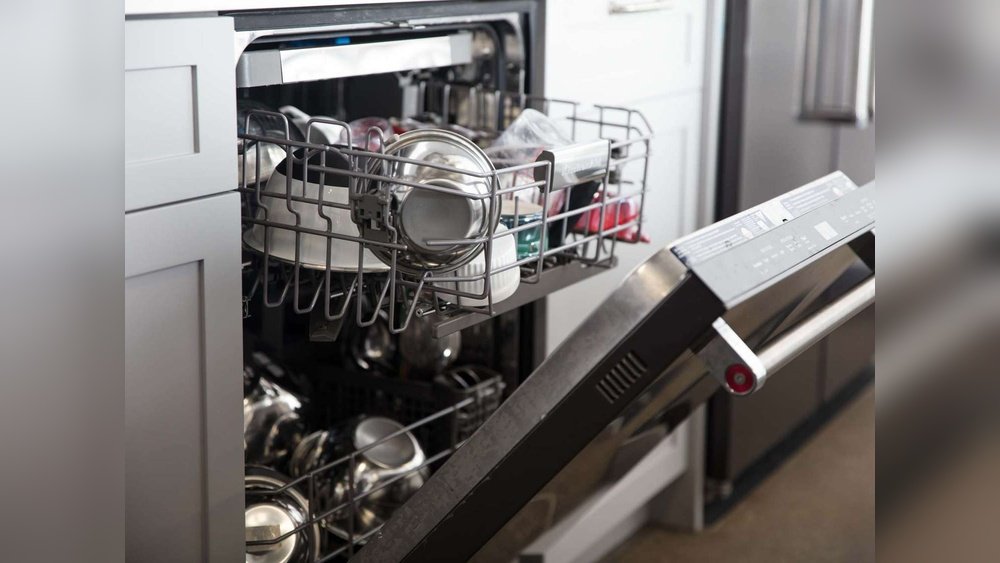
You might be wondering: Can stainless steel go in the dishwasher? It’s a common question because stainless steel cookware and utensils are everywhere in your kitchen.
You want to keep them clean without ruining their shine or durability. While many say it’s safe to toss stainless steel in the dishwasher, the truth is a bit more complicated. The dishwasher’s heat and harsh detergents can sometimes cause dullness, spots, or even corrosion over time.
If you want your stainless steel items to stay looking great and last longer, you’ll want to know the smart way to clean them. Keep reading to discover the do’s and don’ts of washing stainless steel, so you can protect your kitchen tools and make cleaning easier.
Dishwasher Safety For Stainless Steel
Stainless steel is a popular choice for kitchenware due to its durability and sleek look. Many wonder if stainless steel can go in the dishwasher safely. The answer depends on the type of stainless steel and the item’s construction. Proper care helps keep your stainless steel items looking new. Using the dishwasher incorrectly can cause damage like dulling or rust spots. Understanding dishwasher safety for stainless steel helps extend its life and maintain its shine.
Check For Dishwasher-safe Labels
Always look for dishwasher-safe labels on stainless steel items. Some premium cookware may not be dishwasher safe. Items with exposed metal or aluminum cores might corrode in the dishwasher. If unsure, check the manufacturer’s instructions. This simple step prevents costly damage and keeps your kitchen tools in good shape.
Pre-clean Heavy Food Residue
Dishwashers struggle to remove burned or heavy food from stainless steel. Scrape or rinse off large food particles before loading. Pre-cleaning prevents stains and buildup. It also helps the dishwasher clean more effectively. This small step protects your stainless steel from damage and keeps it looking clean.
Separate Stainless Steel From Other Metals
Keep stainless steel items apart from silver or other metals in the dishwasher. Metals touching can cause scratches or discoloration. Use separate compartments or racks to avoid contact. This practice maintains the surface finish of your stainless steel. Careful loading prevents damage and extends the life of your kitchenware.
Use Mild Detergents And Avoid Harsh Chemicals
Choose mild dishwasher detergents without bleach or chlorine. Harsh chemicals can damage stainless steel surfaces. These chemicals cause spotting, corrosion, or dullness. Look for detergents made for stainless steel or delicate items. Using gentle cleaners keeps your items shiny and in top condition.
Choose The Right Dishwasher Cycle
Use gentle or eco-friendly cycles for stainless steel items. High heat and strong water pressure can harm the finish. Shorter cycles reduce exposure to harsh conditions. Adjust settings to protect your cookware and utensils. Proper cycle choice helps maintain the quality and appearance of stainless steel.
Types Of Stainless Steel And Durability
Stainless steel types vary in durability and dishwasher safety. Some resist rust and stains well, while others may dull or corrode. Choosing the right type helps keep your items looking new longer.
Types Of Stainless Steel
Stainless steel comes in different types. The most common are 304 and 316 grades. Type 304 is widely used in kitchenware. It offers good resistance to rust and stains. Type 316 contains molybdenum. This element adds extra resistance to corrosion. It suits harsh environments and salty conditions.
Other types include 430 and 410. Type 430 is magnetic and less resistant to rust. It often appears in cheaper products. Type 410 is harder but less corrosion-resistant. Knowing the type helps decide if dishwasher cleaning is safe.
Durability Of Stainless Steel
Stainless steel is strong and durable. It resists dents, scratches, and heat well. This makes it popular for pots and pans. The metal’s chromium content forms a protective layer. This layer shields against rust and corrosion.
Dishwasher detergents can be harsh on stainless steel. They may dull the finish or cause spotting. High heat also affects the metal over time. Handwashing with mild soap keeps it shiny longer. Still, many stainless steel items endure dishwasher cycles without damage.
Effects Of Dishwasher Detergents
Dishwasher detergents affect stainless steel differently than hand soaps. These detergents contain strong chemicals. They are designed to remove tough grease and food residues. Such chemicals can sometimes harm stainless steel’s surface.
Dishwasher detergents often have high alkalinity. This can cause dull spots on stainless steel. The bright, shiny finish may fade over time. Harsh detergents may also leave white marks or streaks. These spots occur due to mineral deposits left behind.
Some detergents include bleach or phosphates. These ingredients speed up cleaning but may cause corrosion. Corrosion weakens stainless steel and makes it look worn. Over time, this reduces the cookware’s lifespan.
Detergent Ingredients To Avoid
Avoid detergents with chlorine bleach. Chlorine can cause pitting and rust on stainless steel. Stay away from detergents with high phosphate content. They increase the risk of dullness and surface damage.
Choosing A Gentle Dishwasher Detergent
Select detergents labeled safe for stainless steel. These formulas are milder and reduce damage risks. Look for detergents that are phosphate-free and chlorine-free. They help preserve the metal’s natural shine.
How Detergents Affect Stainless Steel Cookware
Repeated dishwasher cycles with harsh detergents cause wear. The metal may lose its smooth feel. Its color can turn dull or gray. In some cases, the surface may develop small rust spots.
Tips To Protect Stainless Steel From Detergent Damage
Rinse cookware before placing it in the dishwasher. This removes food that can react with detergent. Use the shortest cycle with lower heat settings. Remove items promptly after the cycle to avoid spotting.
Heat Impact On Stainless Steel
Heat plays a big role in how stainless steel reacts in a dishwasher. The high temperatures inside the machine can affect the metal’s surface. This can change the look and feel of your stainless steel items over time.
Stainless steel is strong and resists rust, but heat can cause some issues. The protective layer on stainless steel can weaken with constant exposure to hot water. This layer keeps the metal shiny and safe from damage.
How Heat Affects Stainless Steel Finish
Dishwasher heat may cause discoloration on stainless steel surfaces. You might see rainbow-like stains or dull spots. These happen because heat changes the metal’s surface chemistry. The finish can lose its bright shine, looking less clean.
Heat And Warping Risks
High heat can sometimes warp thin stainless steel items. Pots or pans with thin walls are more at risk. Warping changes their shape and can make lids not fit well. Thicker stainless steel resists this problem better.
Impact On Welds And Seams
Heat can stress welds and seams on stainless steel cookware. Over time, this stress may cause cracks or weak spots. These issues reduce the item’s durability and lifespan. Careful washing helps avoid this damage.
Signs Of Damage From Dishwashing
Stainless steel is known for its durability and shine. Yet, dishwashing can sometimes harm it. Knowing the signs of damage helps protect your items.
Damage might not appear right away. It often shows after several washes. Watching for early signs saves your stainless steel from permanent harm.
Discoloration And Stains
One common sign is discoloration. Stainless steel may lose its bright shine. You might see dull spots or rainbow-like stains. These marks come from dishwasher detergents and high heat.
Water Spots And Mineral Deposits
Water spots often appear after dishwashing. Hard water leaves mineral deposits on the surface. These spots look like white or cloudy marks. They can make your steel look dirty and worn.
Corrosion And Rust
Rust is rare but possible. Corrosion happens if the protective layer breaks. Dishwasher detergents can cause this over time. Rust spots may start small but can spread quickly.
Scratches And Surface Damage
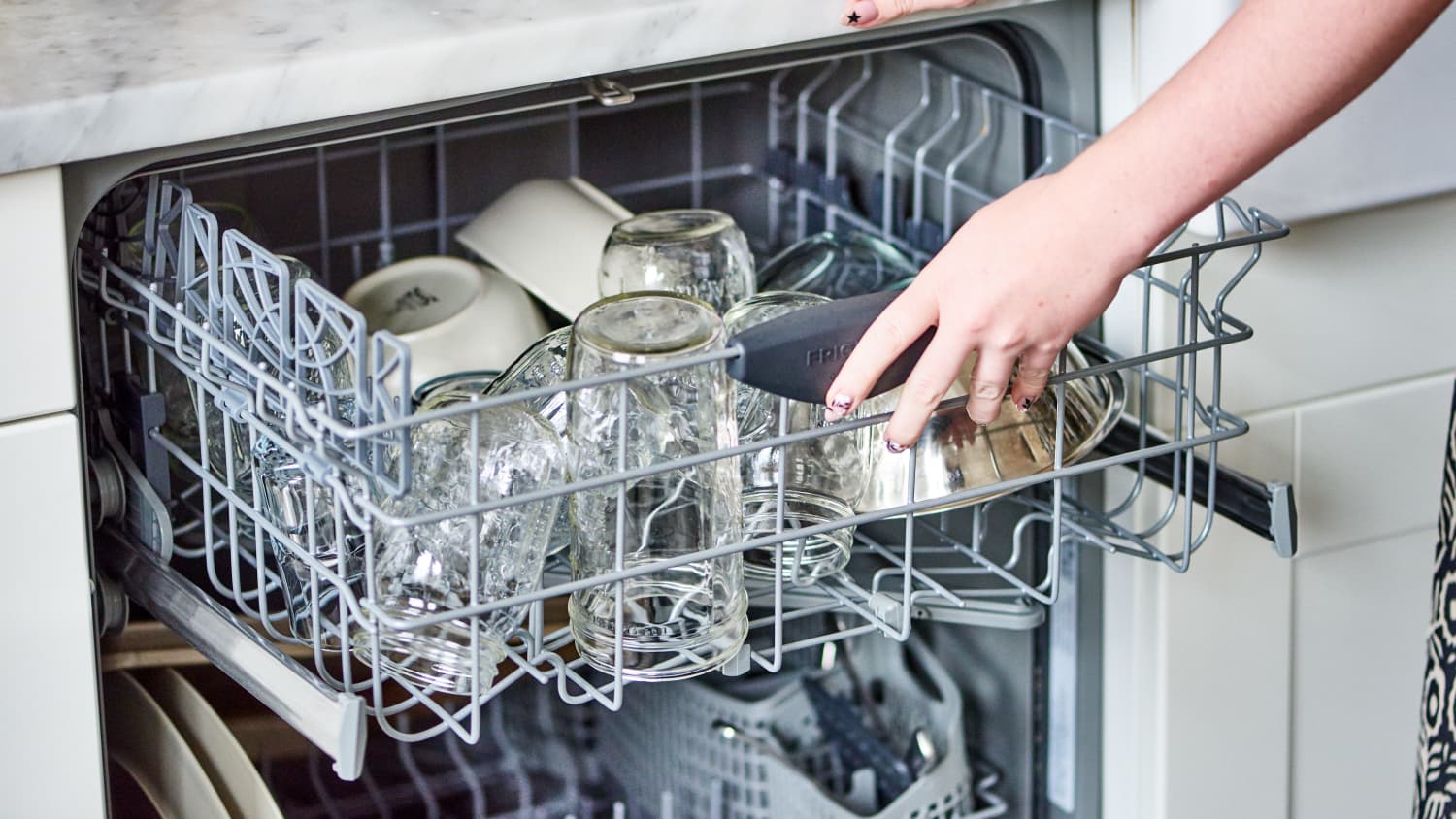
Dishwashers may cause scratches. Metal pieces inside the dishwasher can rub against your items. Scratches dull the surface and trap dirt. This weakens the steel and affects its look.
Credit: www.thekitchn.com
Handwashing Vs Dishwasher Cleaning
Choosing between handwashing and dishwasher cleaning for stainless steel is important. Both methods clean well but affect the metal differently. Understanding these effects helps keep your stainless steel shiny and strong.
Handwashing Stainless Steel
Handwashing uses gentle scrubbing with warm soapy water. It removes food without harsh chemicals or high heat. This method keeps the metal’s finish bright and stops dulling. It also avoids spots that may come from dishwasher detergents.
Dishwasher Cleaning Stainless Steel
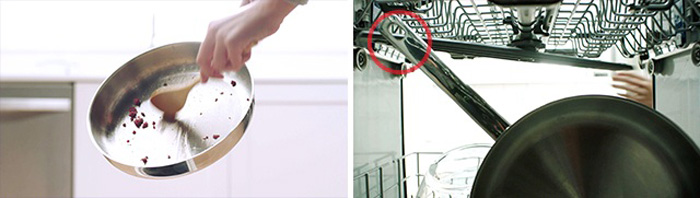
Dishwashers use strong detergents and hot water to clean. This can cause mineral spots and dull the shine over time. Some stainless steel pans have edges with other metals. Those parts may rust or erode in the dishwasher. Dishwashers can miss burnt food, so pre-scrubbing is needed.
Choosing The Best Method
Use handwashing for valuable or delicate stainless steel items. It keeps them looking new longer. Dishwasher cleaning works for everyday stainless steel dishes. Separate stainless steel from silverware to avoid scratches. Check cookware edges before using the dishwasher.
Checking Cookware Edges And Seals
Inspect cookware edges and seals before dishwasher use. Cookware with sealed rims resists damage better than those with exposed cores. Avoid corrosion by checking for any vulnerable spots that harsh detergents could harm during washing.
Inspecting Cookware Edges For Dishwasher Safety
Edges of stainless steel cookware need close inspection before washing. Some pans have sealed edges that protect inner layers. These pans usually handle dishwasher cycles well. Others have exposed edges that reveal aluminum or other metals. These exposed parts can corrode or discolor in the dishwasher. Harsh detergents and high heat speed this damage. Check your pan’s edges for any exposed metal or damage. This step helps avoid ruining your cookware.
Understanding Seals And Their Importance
Seals keep moisture and food from entering layers of cookware. Many stainless steel pots have sealed rims or bases. These seals prevent water from reaching inner metals. When seals are intact, dishwasher cleaning is safer. Broken or weak seals allow water inside. This causes rust and weak spots in the pan. Inspect seals for cracks or breaks before washing. Good seals help your cookware last longer.
Tips For Maintaining Edges And Seals
Hand wash pans with damaged edges or seals. Use mild soap and a soft sponge to clean. Avoid abrasive tools that can worsen damage. Dry cookware immediately after washing. This prevents water from sitting on edges or seals. Store pans carefully to protect rims and seals. Proper care keeps your stainless steel cookware in top shape.
Credit: cascadeclean.com
Prepping Stainless Steel For Dishwashing
Cleaning stainless steel in the dishwasher requires some care. Proper preparation protects the metal’s shine and strength. Taking small steps before washing helps avoid damage and stains.
Stainless steel is durable but sensitive to harsh conditions. Dishwashing can cause spotting or dullness if not done right. Preparing your items correctly keeps them looking new longer.
Check The Edges
Look closely at the edges of your cookware. Some pans have exposed aluminum cores around the rim. These parts can rust or erode with dishwasher detergent. Cookware with sealed edges is safer to wash in the dishwasher.
Remove Burned Food First
Scrape off burned or stuck-on food before placing items inside the dishwasher. Dishwashers struggle to clean heavy, carbonized residue. Pre-rinsing stops food from baking onto the surface during the wash.
Prevent Scratches
Keep stainless steel items separate from other metals and delicate dishes. Mixing cutlery or pans with silver or glass can cause scratches. Use the dishwasher’s utensil holder or place items carefully to avoid rubbing.
Avoiding Scratches And Abrasions
Stainless steel looks great and lasts long with proper care. Avoiding scratches and abrasions helps keep its smooth, shiny surface. Scratches can dull the finish and invite rust or stains over time. Small damages also make stainless steel harder to clean.
Taking simple steps in the dishwasher protects your stainless steel items. These steps reduce the risk of wear and tear from rough contact or harsh chemicals. Caring for your stainless steel keeps it looking new and working well.
Separate Stainless Steel From Other Metals
Keep stainless steel away from silver, aluminum, or cast iron in the dishwasher. Metals rubbing together cause scratches and marks. Load items carefully to avoid banging during the wash cycle.
Use Soft Dish Racks And Holders
Place stainless steel in racks with soft coatings or silicone holders. Hard plastic or metal racks can cause abrasions on the surface. Soft racks cushion items and prevent direct contact with hard surfaces.
Avoid Overcrowding The Dishwasher
Do not overload the dishwasher with too many items. Crowding causes pieces to rub against each other during washing. Leave enough space for water and detergent to reach all surfaces gently.
Choose Gentle Detergents
Use dishwasher detergents made for delicate items or stainless steel. Harsh chemicals can wear down the finish and increase scratches. Avoid powders or tablets that contain strong abrasives.
Rinse Off Food Residue Before Loading
Scrape or rinse off stuck food before placing stainless steel in the dishwasher. Hard food particles can scratch the metal during the wash cycle. Pre-cleaning helps protect the surface from damage.
Handling Items With Special Features
Stainless steel items often handle dishwasher cleaning well, but some special features need care. Avoid washing pieces with wooden handles or exposed edges to prevent damage. Pre-rinsing heavy food helps protect the finish and keeps your items looking new.
Stainless steel items often come with unique features like wooden handles, silicone grips, or decorative finishes. These features need special care in the dishwasher. The intense heat and strong detergents can damage them quickly. It is important to know which parts can handle the dishwasher and which cannot.
Wooden handles may crack or warp after repeated dishwasher cycles. Silicone grips can sometimes fade or lose their shape. Decorative finishes may dull or peel off over time. Taking these risks into account helps keep your stainless steel items in good condition.
Wooden Handles And Dishwasher Safety
Wood is sensitive to heat and moisture. The dishwasher can dry out wooden handles, causing cracks or splits. Handwashing with mild soap and warm water is safer. Dry the handles immediately to prevent damage.
Silicone And Rubber Components
Silicone grips usually resist heat but may fade or warp in the dishwasher. Rubber parts can degrade and lose flexibility. Check the manufacturer’s instructions for dishwasher safety. When unsure, wash these parts by hand.
Decorative And Painted Finishes
Decorative coatings may not hold up well in dishwashers. The detergent and hot water can cause fading or peeling. Handwashing helps preserve the look and quality of these finishes. Use gentle cleaners to avoid damage.
Cleaning Insulated Stainless Steel Items
Insulated stainless steel items include tumblers, water bottles, and travel mugs. These products have a double-wall design to keep drinks hot or cold longer. Proper cleaning helps maintain insulation and prevents damage.
Dishwashers can harm the insulation if not used carefully. The high heat and strong detergents may break seals or cause rust. Cleaning by hand is often safer and extends the life of these items.
Hand Washing Insulated Stainless Steel Items
Fill the item with warm water and mild soap. Use a soft sponge or bottle brush to clean inside. Avoid abrasive pads that can scratch the surface or damage insulation.
Rinse thoroughly to remove soap residue. Dry the item completely to prevent moisture buildup inside the insulation.
Dishwasher Use For Insulated Stainless Steel
Check the manufacturer’s instructions first. Some insulated items are dishwasher safe. Place them on the top rack to avoid direct heat from the heating element.
Avoid using strong detergents that can wear down seals. Remove lids and rubber rings and wash them separately to avoid damage.
Removing Odors And Stains
For stubborn smells, use a mixture of baking soda and warm water. Let it sit inside for a few hours before rinsing. White vinegar can also help remove stains and odors.
Do not soak insulated items for long periods. Prolonged moisture can weaken the insulation and seals.
Best Practices For Long-term Care
Stainless steel can last many years with the right care. Proper cleaning and handling help keep its shine and strength. Following good habits protects the surface from damage and keeps it looking new.
Even if stainless steel is dishwasher safe, some steps improve its lifespan. Careful washing prevents stains, scratches, and corrosion. Small efforts make a big difference over time.
Separate Stainless Steel From Other Metals
Keep stainless steel apart from silver and aluminum in the dishwasher. Contact with other metals may cause discoloration or rust spots. Place items in separate compartments or use dishwasher baskets to avoid contact.
Use Mild Detergents
Choose gentle detergents made for stainless steel or delicate items. Harsh chemicals can dull the finish and create spots. Avoid bleach and strong powders that may damage the surface.
Rinse Off Heavy Food Residue
Scrape or rinse off burned or sticky food before placing items in the dishwasher. Dishwashers do not remove heavy residues well. Cleaning first prevents stubborn stains and buildup on stainless steel.
Dry Items Quickly After Washing
Remove stainless steel from the dishwasher right after the cycle ends. Air drying can leave water spots and mineral marks. Wiping dry with a soft cloth keeps the surface shiny and spotless.
Avoid High Heat Settings
Use lower temperature cycles when washing stainless steel in the dishwasher. High heat may cause discoloration and warping. Gentle washing protects the metal’s strength and appearance.
Hand Wash When Possible
Hand washing is the safest method for premium stainless steel cookware. Use warm water, mild soap, and a soft sponge. This method preserves shine and prevents damage from dishwasher detergents and heat.
Frequently Asked Questions
Will A Dishwasher Damage Stainless Steel?
Dishwashers can dull stainless steel and cause spots or corrosion over time. Handwashing preserves its shine and quality.
What Types Of Stainless Steel Are Dishwasher-safe?
Most 18/10 and 18/8 stainless steel types are dishwasher-safe. Avoid dishwasher use for items with wooden handles or non-stainless cores. Handwashing preserves shine and prevents damage.
What Metals Cannot Go In The Dishwasher?
Aluminum, cast iron, copper, brass, and items with wooden handles cannot go in the dishwasher. These metals may corrode, tarnish, or warp. Avoid dishwasher use to preserve their finish and durability. Hand wash these metals with mild soap and water instead.
What Is The Best Way To Wash Stainless Steel?
Use warm water, mild dish soap, and a soft sponge to wash stainless steel. Rinse thoroughly and dry immediately to prevent water spots. Avoid abrasive cleaners or steel wool to maintain its shine and prevent scratches. Handwashing preserves stainless steel better than dishwasher use.
Can Stainless Steel Cookware Go In The Dishwasher?
Most stainless steel cookware can go in the dishwasher safely. But harsh detergents and heat may dull or spot the surface over time. Hand washing helps keep cookware shiny longer.
Conclusion
Stainless steel can often go in the dishwasher safely. Still, some cookware may lose shine or develop spots. Avoid washing items with wooden handles or insulated parts in the dishwasher. Scrubbing off heavy food before washing helps keep your stainless steel clean.
Handwashing with mild soap and a soft sponge preserves its look best. Taking simple steps keeps your stainless steel lasting longer and looking great. Choose the method that suits your cookware type for best results.
Read more:Best Kitchen Appliances: Upgrade Your Cooking Experience Today