
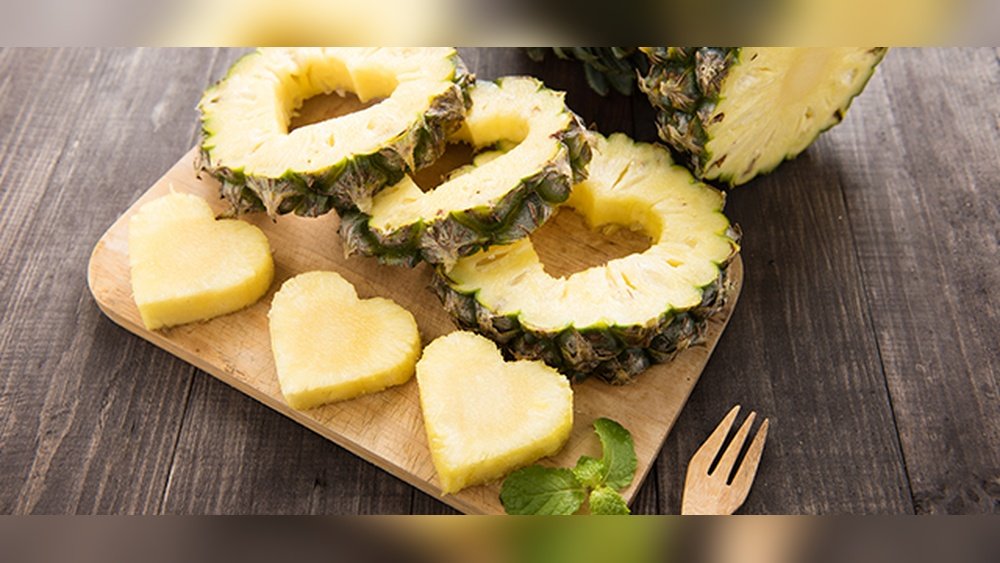
Have you ever wondered if you can eat the core of a pineapple or if it’s just too tough and bitter to enjoy? You’re not alone.
Many people toss the core away without realizing it’s completely safe to eat and packed with nutrients like fiber, vitamin C, and bromelain—a powerful enzyme known for its anti-inflammatory benefits. The core might be firmer and less sweet than the juicy flesh, but with a few simple tricks, you can turn it into a delicious and healthy addition to your meals.
Keep reading to discover easy ways to enjoy the pineapple core and make the most out of every bite without waste.
Pineapple Core Edibility
The pineapple core often gets tossed out because it looks tough and less juicy than the rest of the fruit. But can you actually eat it? The good news is yes, the pineapple core is edible and packed with nutrients, though it has a different texture and flavor than the soft flesh.
Pineapple Core: What’s Inside?
The core of a pineapple is denser and fibrous compared to the juicy outer parts. It contains a good amount of fiber, vitamin C, and bromelain, an enzyme known for its anti-inflammatory properties. This makes it a healthy addition to your diet if you don’t mind the tougher texture.
How To Eat The Pineapple Core
Because the core is harder and less sweet, eating it raw might feel like chewing on a stalk. But there are clever ways to enjoy it without the roughness:
- Blend it: Cut the core into small pieces and toss it into smoothies. The other fruits mask the texture, and you still get the nutrients.
- Simmer it: Boil the core in water to soften it. Use this to flavor oatmeal or create a refreshing spiced drink like tepache.
- Roast or grill: Cooking the core adds a sweet, smoky flavor and makes it easier to chew. Try it as a unique side dish at your next barbecue.
Why Waste The Core?
Many people throw away the pineapple core without realizing its potential. Don’t you want to get the most out of your fruit? Chefs and home cooks alike suggest saving the core to reduce waste and add variety to your meals.
Next time you slice a pineapple, think twice before discarding the core. How could you add it to your favorite recipes or drinks? Trying out even one of the preparation methods above can make a surprising difference.
Nutritional Value Of The Core
The core of a pineapple holds great nutritional value. It contains fiber, vitamins, and enzymes that benefit health. Many people discard it because of its tough texture. Yet, the core is edible and offers unique nutrients.
Eating the core adds extra fiber to your diet. This helps digestion and keeps the gut healthy. It also contains vitamin C, which supports the immune system. Another key nutrient is bromelain, an enzyme that reduces inflammation.
Dietary Fiber Content
The pineapple core is rich in dietary fiber. Fiber aids in digestion and promotes regular bowel movements. Eating the core can help prevent constipation. It also helps you feel full longer, which can aid in weight control.
Vitamin C And Antioxidants
Vitamin C is abundant in the core. This vitamin protects cells from damage. It supports the immune system and helps wounds heal. Antioxidants in the core fight harmful free radicals in the body.
Bromelain Enzyme Benefits
Bromelain is a natural enzyme in the pineapple core. It helps break down proteins during digestion. Bromelain also has anti-inflammatory effects. It may reduce swelling and aid in recovery from injuries.
Health Benefits Of Bromelain
Pineapple core contains bromelain, an enzyme that helps reduce swelling and aids digestion. Eating the core can support your immune system and lower inflammation naturally. Its tough texture may be softened by cooking or blending for easier consumption.
Bromelain is a natural enzyme found in pineapples, especially in the core. It helps break down proteins in the body, aiding digestion. This enzyme has anti-inflammatory properties that can reduce swelling and pain.
People use bromelain to help with muscle soreness after exercise. It may also support healing from injuries by decreasing inflammation. Bromelain can improve digestion by helping your stomach process food faster.
Supports Digestive Health
Bromelain helps break down protein molecules into smaller pieces. This makes digestion easier and more efficient. Eating pineapple core with bromelain may reduce bloating and discomfort after meals.
The enzyme can also promote gut health by aiding nutrient absorption. It supports a healthy balance of digestive enzymes in the stomach.
Reduces Inflammation And Pain
Bromelain lowers inflammation in the body by blocking certain compounds. This can ease joint pain from arthritis or injury. Many people find relief from swelling and stiffness by consuming bromelain regularly.
It may also help reduce pain after surgery or intense physical activity. Its anti-inflammatory effects promote faster recovery and comfort.
Boosts Immune Function
Bromelain can enhance the immune system by reducing inflammation and supporting white blood cells. A stronger immune response helps the body fight infections more effectively.
Regular intake of bromelain-rich foods like pineapple core may aid overall immune health. It supports the body’s natural defense mechanisms.

Credit: www.dole.com
Fiber Content And Digestion
The core of a pineapple contains a significant amount of fiber. Fiber plays an important role in digestion and overall gut health. Eating the core can help add bulk to your stool and promote regular bowel movements.
Fiber in the pineapple core is mostly insoluble. It does not dissolve in water and helps food pass through the digestive system faster. This can reduce constipation and maintain a healthy digestive tract.
Types Of Fiber In Pineapple Core
The pineapple core is rich in cellulose and lignin. These fibers give it a tough texture. They support gut health by feeding good bacteria in the intestines. This aids in digestion and nutrient absorption.
How Fiber In Pineapple Core Affects Digestion
Eating the core helps move waste through the digestive system. It can prevent bloating and discomfort. Fiber slows down sugar absorption, which helps control blood sugar levels.
Tips For Eating Pineapple Core For Better Digestion
Cut the core into small pieces to make it easier to chew. Blend it into smoothies to soften the texture. Cooking the core can also break down some fibers, making digestion gentler.
Vitamin C Boost From The Core
Pineapple cores are edible and packed with vitamin C and fiber. The core is tougher and less sweet but offers a healthy boost. Try blending or cooking it to enjoy its nutrients without the tough texture.
The pineapple core contains a good amount of vitamin C. This nutrient helps protect cells and keeps your skin healthy. Eating the core can add extra vitamin C to your diet.
Vitamin C supports the immune system and helps the body heal wounds. The core’s firm texture holds many of the fruit’s nutrients. You get a vitamin boost even if you find the core less sweet.
How Much Vitamin C Does The Core Provide?
The pineapple core has slightly less vitamin C than the flesh. Still, it offers a useful amount that can contribute to daily needs. One serving of core can provide about 10-15% of your daily vitamin C.
Eating the core along with the flesh increases your total intake. This helps keep your body strong and your skin glowing. The core is a smart choice for a natural vitamin C source.
Ways To Enjoy The Core’s Nutrients
The core’s tough texture may be hard to eat raw. Blending it into smoothies is an easy way to consume it. You can also cook the core to soften it and improve flavor.
Simmer the core in water for tea or broth. Roasting or grilling gives it a sweet, smoky taste. These methods make the core more enjoyable and keep its vitamin C intact.

Credit: www.thekitchn.com
Texture And Taste Differences
The pineapple core is tougher and less sweet than the flesh, with a fibrous texture. It tastes milder but can feel chewy. Many find it easier to eat when cooked or blended to soften its firmness and reduce its strong texture.
Texture Differences
The pineapple core is much firmer than the outer fruit. It has a dense, fibrous feel that can be tough to bite. Unlike the juicy, soft flesh, the core resists chewing and takes longer to break down. This texture may feel dry or slightly stringy in the mouth. Some people find it less enjoyable to eat raw because of this toughness.
Taste Differences
The taste of the pineapple core is milder and less sweet than the surrounding fruit. It lacks the strong tropical flavor and juicy sweetness typical of pineapple flesh. Instead, the core has a faintly tangy and slightly bitter note. This subtle flavor makes it less appealing to eat alone but useful in recipes where sweetness is not the main focus.
How Texture And Taste Affect Usage
Because the core is tough and less sweet, it works well in cooked dishes. Softening it by boiling or grilling helps reduce the firmness. The mild flavor lets it blend into smoothies or broths without overpowering other ingredients. Using the core this way reduces waste and adds fiber and nutrients to meals.
Raw Consumption Tips
The pineapple core is edible but tougher than the flesh. It contains fiber, vitamin C, and bromelain. Eating it raw requires some preparation to enjoy its taste and texture.
Here are simple tips for raw consumption. These help make the core easier to chew and more enjoyable.
Cut Into Small Pieces
Slice the core into thin, bite-sized pieces. Smaller chunks are easier to chew and digest. This reduces the fibrous feel.
Pair With Sweet Fruits
Mix the core pieces with sweeter fruits like mango or melon. The natural sugars balance the core’s less sweet taste. It makes the flavor milder and fresher.
Use In Smoothies
Add core pieces to smoothies for a fiber boost. Blending hides the tough texture completely. Combine with yogurt or juice for a smooth blend.
Chill Before Eating
Keep the core chilled in the fridge before eating. Cold temperature softens the texture slightly. It also enhances the refreshing taste.
Chew Slowly
Take small bites and chew slowly. This helps break down the fibrous strands. It makes digestion easier and prevents jaw discomfort.
Blending Into Smoothies
The pineapple core is often overlooked due to its tough texture. Blending it into smoothies is a smart way to enjoy its benefits. This method softens the fibrous core and mixes its flavor well.
Adding the core to your smoothie boosts fiber intake and adds natural sweetness. The core contains bromelain, an enzyme that may help digestion. Smoothies mask the core’s toughness, making it easier to consume.
How To Prepare Pineapple Core For Smoothies
Start by cutting the pineapple core into small chunks. Smaller pieces blend more easily and smoothly. Remove the outer skin and any hard parts before blending. This ensures a better texture and taste in your smoothie.
Best Ingredients To Pair With Pineapple Core
Combine the core with sweet fruits like mango or banana. Add leafy greens such as spinach for extra nutrients. Use coconut water or almond milk to blend smoothly. These ingredients balance the core’s fibrous texture and enhance flavor.
Tips For A Smooth And Tasty Pineapple Core Smoothie
Blend longer to break down fibers and get a creamy texture. Add ice or frozen fruit to chill the smoothie. Use a high-speed blender for best results. Sweeten lightly with honey or agave if needed.
Cooking And Softening Methods
Pineapple cores are edible but tough and less sweet due to their fibrous texture. Cooking methods like boiling, roasting, or blending help soften the core and improve its flavor. These simple techniques make the core easier to enjoy without waste.
The pineapple core is edible but often too tough to eat raw. It has a fibrous texture and less sweetness than the flesh. Cooking or softening the core improves its taste and chewability. Different methods help break down the fibers and bring out natural flavors. These techniques make the core a useful ingredient instead of waste.
Try blending, simmering, roasting, or grilling the core. Each method adds a unique flavor and texture. These simple steps help you enjoy the core’s nutritional benefits without discomfort.
Blend It
Cut the core into small pieces. Add them to a blender with fruits or juice. The blender softens the fibers and hides the tough texture. This method works well in smoothies and shakes. You get the core’s nutrients without chewing hard bits.
Simmer It
Boil the pineapple core in water for 20-30 minutes. This softens the fibers and releases flavor. Use the softened core in oatmeal or soups. You can also brew it to make a spiced tea or tepache. Simmering makes the core easy to digest and tasty.
Roast Or Grill
Slice the core into rings or chunks. Grill or roast over medium heat until tender. The heat caramelizes the sugars, adding sweetness and smokiness. This method transforms the core into a flavorful side dish or snack. It pairs well with barbecue and grilled meats.
Roasting And Grilling Ideas
The pineapple core is often overlooked but works great for roasting and grilling. Heat softens its fibrous texture and brings out natural sweetness. These cooking methods add a smoky flavor that balances the core’s tartness. Roasted or grilled pineapple core makes a tasty snack or side dish.
Try simple recipes to enjoy the core without waste. These ideas are easy to prepare and enhance the pineapple’s unique taste. They also suit many diets and add variety to meals.
How To Roast Pineapple Core
Cut the core into thick slices or chunks. Toss with a little oil and sprinkle cinnamon or brown sugar. Spread on a baking sheet in a single layer. Roast at 400°F for 20 to 25 minutes until golden and tender. Serve warm as a dessert or side.
Grilling Pineapple Core For Bbq
Slice the core into ½-inch thick rounds. Brush with melted butter or honey. Place on a hot grill over medium heat. Cook for 3 to 4 minutes per side. Grill marks add flavor and texture. Use as a sweet side or topping for grilled meats.
Flavor Pairings For Roasted And Grilled Core
Pair the cooked core with spices like chili powder or ginger for a spicy twist. Add fresh herbs such as mint or basil to brighten flavors. Serve with yogurt or ice cream for a cool contrast. The core’s firmer texture holds up well with bold tastes.
Using Core For Infused Drinks
The pineapple core often gets tossed aside due to its tough texture. Yet, it holds strong, sweet flavors that work great in drinks. Using the core for infusions brings out subtle tropical notes. It adds a unique twist to water, teas, and cocktails.
Infusing with pineapple core is simple and cost-effective. It reduces food waste and enhances your beverages naturally. The core’s natural enzymes also help break down flavors, making each drink refreshing and light.
How To Prepare Pineapple Core For Infusions
Start by washing the pineapple core thoroughly. Cut it into small pieces for better flavor release. Avoid using the outer skin as it can add bitterness. Use fresh cores for the best taste and aroma.
Infusing Water With Pineapple Core
Place pineapple core pieces in a jar or pitcher of cold water. Let it sit in the fridge for 4 to 6 hours. This process allows the flavors to blend well with the water. Enjoy a naturally sweet and mildly tangy drink anytime.
Making Pineapple Core Tea
Boil pineapple core pieces in water for 10 to 15 minutes. Strain the liquid and add honey or lemon for extra flavor. This tea is soothing and rich in vitamins. It is perfect for a calming afternoon drink.
Using Core For Cocktail Infusions
Place pineapple core chunks in a bottle of vodka or rum. Let it infuse for 2 to 3 days in a cool place. This creates a tropical-flavored spirit ready for cocktails. Use it to make piña coladas or tropical mixed drinks with a fresh twist.
:max_bytes(150000):strip_icc()/is-it-safe-to-eat-the-core-of-a-pineapple-0a634428ffab49a2b390de68a0fa94e7.jpg)
Credit: www.eatingwell.com
Avoiding Food Waste
Food waste affects the environment and your budget. Using every part of a pineapple helps reduce waste. The core often gets thrown away. It contains nutrients and fiber that benefit your health.
Eating or using the pineapple core in recipes can save money. It turns what seems like waste into something useful. This approach supports a sustainable lifestyle.
Use The Core In Smoothies And Juices
Cut the core into small pieces before blending. It adds fiber and a mild pineapple flavor. This hides the tough texture and keeps the nutrients intact.
Cook The Core To Soften Its Texture
Boiling or simmering makes the core easier to chew. Add it to soups, teas, or oatmeal for extra taste. Cooking breaks down the fibrous parts gently.
Grill Or Roast For A Unique Flavor
Grilling caramelizes the natural sugars in the core. It creates a sweet and smoky flavor. Use it as a snack or add it to grilled dishes.
Potential Concerns And Safety
Eating pineapple core is generally safe but may cause discomfort for some due to its tough texture. People with sensitive teeth or digestive issues might find it hard to chew or digest. Always start with small amounts to see how your body reacts.
Potential Digestive Issues
The pineapple core contains more fiber than the flesh. This fiber is tough and hard to chew. Eating too much core might cause stomach discomfort. People with sensitive digestion may feel bloated or have gas. Start with a small amount to see how your body reacts.
Allergic Reactions
Some people are allergic to bromelain, an enzyme in pineapple. The core has a higher concentration of bromelain than the flesh. This enzyme can cause itching or swelling in the mouth. It may also cause skin irritation for some. Avoid the core if you notice any allergy symptoms.
Risk For Dental Health
The core is harder and tougher than the fruit’s flesh. Biting into the core might strain or damage teeth. It can be especially risky for people with weak teeth. Cutting the core into smaller, softer pieces reduces this risk. Consider blending or cooking the core to soften it.
Considerations For Acid Reflux
Pineapple is naturally acidic and can trigger acid reflux. The core is less juicy but still acidic. Eating the core might worsen heartburn or indigestion. People with gastroesophageal reflux disease (GERD) should be cautious. Limit intake or avoid the core if symptoms occur.
Pineapple Core And Skin Conditions
The pineapple core is often overlooked, but it has a big role in skin health. This part of the fruit contains bromelain, an enzyme known for its anti-inflammatory and healing properties. Eating the core can support your skin by reducing redness and swelling.
The high vitamin C content in the core helps boost collagen production. Collagen is essential for firm and smooth skin. It also helps repair damaged skin cells and protects against environmental stress.
Some people worry about skin reactions from pineapple. The core is less acidic than the flesh, so it may cause fewer irritations. Still, eating too much can cause mild itching or soreness for sensitive skin.
How Bromelain Affects Skin
Bromelain breaks down proteins and reduces inflammation. This enzyme can soothe irritated skin and help heal minor wounds. It also helps reduce puffiness and redness after skin damage.
Using pineapple topically is common, but eating the core gives these benefits from the inside. The enzyme helps clear up skin conditions by reducing swelling and speeding recovery.
Vitamin C In Pineapple Core
Vitamin C is a powerful antioxidant. It fights free radicals that damage skin cells. Regular intake supports skin healing and prevents early aging signs.
The core’s vitamin C content helps brighten the skin and even out skin tone. It also strengthens the skin barrier, making skin less prone to irritation.
Possible Skin Irritations From Pineapple
Some individuals may experience mild skin irritation after eating pineapple. The core has less acid but can still cause tingling or itchiness.
This happens because of natural enzymes and acids in the fruit. To avoid discomfort, eat small amounts and watch for reactions. Cooking the core can reduce these effects.
Incorporating Core In Daily Diet
The pineapple core is often overlooked but offers many health benefits. It is packed with fiber, vitamin C, and bromelain, an enzyme that helps reduce inflammation. The core is tougher and less sweet than the flesh, which can make it hard to eat raw.
Using the core in daily meals helps reduce food waste and adds nutrition. Many simple methods make the core easier to enjoy. These ideas fit well into busy lifestyles and varied diets.
Blend The Core Into Smoothies
Cut the core into small pieces before blending. Smoothies hide the fibrous texture while keeping nutrients. Add fruits like banana or mango to improve taste. This method makes the core easy to digest and tasty.
Simmer The Core For Drinks Or Oatmeal
Boil the core in water to soften it. Use the water as a base for teas or spiced drinks like tepache. Chop softened core into oatmeal for extra fiber and flavor. Simmering breaks down the toughness and releases nutrients.
Roast Or Grill For A Sweet Snack
Cooking the core on a grill or in the oven caramelizes the sugars. This creates a sweet, smoky flavor that pairs well with savory dishes. Slice the core thinly for easy grilling. Roasting makes the core tender and more enjoyable to eat.
Frequently Asked Questions
Is It Safe To Eat Pineapple Core?
Yes, pineapple core is safe to eat. It is nutrient-rich but tougher and less sweet. Blend or cook it to soften.
Is Pineapple Bad For Gerd?
Pineapple can worsen GERD symptoms due to its high acidity. Eating it in small amounts may help some tolerate it better.
Can Eating Pineapple Help Acne?
Eating pineapple may help reduce acne due to its vitamin C and anti-inflammatory enzyme bromelain. These nutrients support skin health and healing.
Does Pineapple Help With Fet?
Pineapple contains bromelain, which may reduce inflammation and support implantation during FET. Eating it might help, but evidence is limited.
Can You Eat The Core Of A Pineapple Safely?
Yes, the pineapple core is safe to eat and contains nutrients like fiber and vitamin C. It is tougher and less sweet than the flesh but perfectly edible.
Conclusion
The pineapple core is safe and healthy to eat. It contains fiber, vitamin C, and bromelain, which help digestion. Its tough texture may not be for everyone. Try blending it into smoothies or cooking it to soften. Don’t throw it away—use it in drinks or grilled dishes instead.
Eating the core can add variety and nutrition to your diet. Give it a try and enjoy the full benefits of the pineapple.