Are you ready to transform simple ingredients into something truly delicious? Making fresh pasta dough from scratch is easier than you think—and once you try it, you’ll never want to go back to store-bought again.
Imagine the satisfaction of rolling out silky, tender dough with your own hands and creating pasta that tastes fresher, richer, and more authentic than anything you can buy. Whether you’re a kitchen beginner or just looking to sharpen your cooking skills, this guide will walk you through every step with clear instructions and helpful tips.
By the end, you’ll have the confidence to make pasta that impresses family and friends every time. Let’s dive in and start making fresh pasta dough you’ll be proud of!
Ingredients Needed
Essential ingredients for fresh pasta dough include all-purpose flour, eggs, a pinch of salt, and olive oil. These simple items create a smooth, elastic dough perfect for rolling and shaping. Fresh pasta starts with quality basics for the best texture and flavor.
Fresh pasta dough requires just a few simple ingredients. Each one plays a key role in texture and flavor. Using quality ingredients ensures the best results.
Gather all items before starting to make the process smooth. Fresh pasta tastes better than dried because of the fresh ingredients.
All-purpose Flour
All-purpose flour is the base of fresh pasta dough. It provides structure and elasticity. You can also use “00” flour for a silkier texture. Use about 2 cups for a standard batch.
Eggs
Eggs add moisture, richness, and color to the dough. Usually, 2 large eggs work well for 2 cups of flour. They help bind the dough together and improve flavor.
Salt
A pinch of salt enhances the taste of the pasta. It also strengthens the dough slightly. Use about 1/2 teaspoon for a balanced flavor.
Olive Oil
A splash of olive oil makes the dough softer and easier to work with. It also adds a subtle flavor. About 1 tablespoon is enough for the dough.
Credit: www.theartofdoingstuff.com
Choosing The Right Flour
Choosing the right flour is key to making fresh pasta dough. The flour type affects dough texture and taste. Using the best flour creates pasta that is tender yet firm.
Different flours have different protein levels. Protein helps form gluten, which gives pasta its stretchiness. Too little protein makes dough weak. Too much protein makes it tough.
All-purpose Flour
All-purpose flour is common and easy to find. It has a moderate protein level, about 10-12%. It works well for most pasta recipes. Dough made with this flour is soft and easy to handle. It is a good choice for beginners.
Tipo 00 Flour
Tipo 00 flour is finely ground Italian flour. It has a slightly higher protein content than all-purpose. This flour creates silky, smooth dough. It is perfect for thin pasta like fettuccine or ravioli. Tipo 00 flour gives a delicate texture and better elasticity.
Semolina Flour
Semolina flour is made from durum wheat. It is coarse and yellow in color. This flour has the highest protein, about 13%. Semolina helps pasta keep its shape during cooking. It adds a firm bite and slightly nutty flavor. Often, it is mixed with other flours for balance.
Eggs And Olive Oil Role
Eggs and olive oil play essential roles in fresh pasta dough. They impact texture, flavor, and dough elasticity. Understanding their functions helps create perfect pasta every time.
Eggs Provide Structure And Richness
Eggs add moisture and bind the flour together. The proteins in eggs help the dough hold its shape. They also give the dough a rich flavor and golden color. Using whole eggs or egg yolks changes the dough’s texture. More yolks result in a silkier dough.
Olive Oil Enhances Dough Elasticity
Olive oil softens the dough and makes it easier to work with. It prevents the dough from drying out during rolling and shaping. Olive oil also adds a subtle fruity taste. Adding a small amount improves the dough’s stretchiness without making it greasy.
Balancing Eggs And Olive Oil
The right balance creates a smooth, pliable dough. Too many eggs can make the dough sticky and tough. Too much olive oil can make it too soft and hard to roll. A typical recipe uses two eggs and one tablespoon of olive oil per 2 cups of flour.
Preparing Your Work Surface
Clear a clean, flat surface to work on before starting your pasta dough. Lightly dust the area with flour to keep the dough from sticking. This simple step helps create a smooth, manageable dough for rolling and shaping.
Start by choosing a clean, flat surface for your pasta dough. A wooden board or a large countertop works best. The surface must be smooth and sturdy to handle kneading.
Clean your surface thoroughly to remove any dirt or dust. This prevents impurities from mixing into your dough. Use a damp cloth and let the surface dry completely.
Lightly dust the surface with flour. This stops the dough from sticking while you work. Use all-purpose flour for dusting, but avoid adding too much. Excess flour can dry out your pasta.
Setting Up Your Tools
Gather all necessary tools before you start. You need a rolling pin, a bench scraper, and a clean towel. Keep a small bowl of flour nearby for dusting your hands and dough.
Arrange the tools within easy reach. This helps maintain a steady flow while making dough. Avoid clutter to keep your workspace organized and efficient.
Creating The Perfect Space
Clear the area of any unnecessary items. This gives you enough room to spread the dough. Make sure lighting is good so you can see your work clearly.
Keep a bowl of water nearby to moisten your hands if the dough gets sticky. This keeps the dough smooth and easy to handle. Have a clean towel ready to wipe your hands as needed.
Mixing The Dough
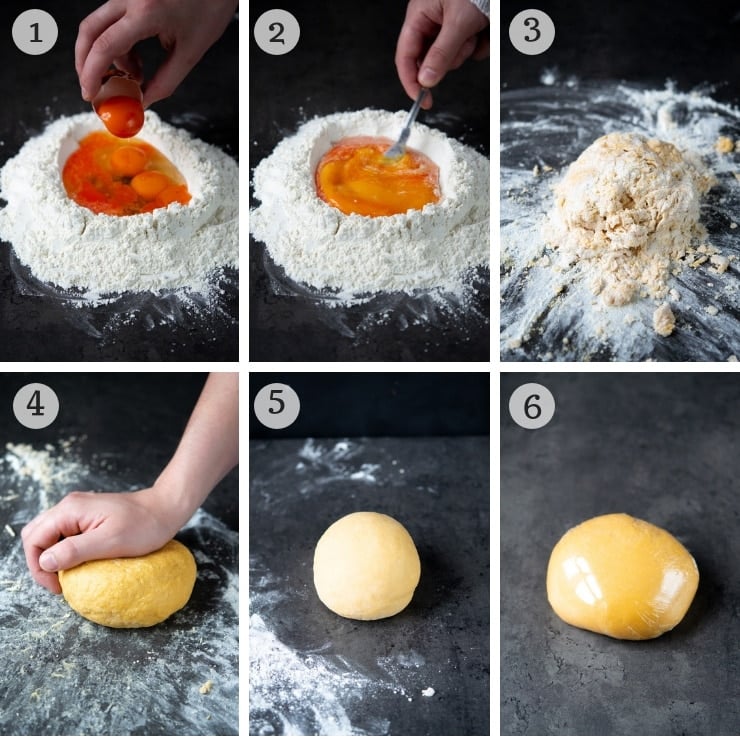
Start by making a well in the flour and cracking eggs into the center. Slowly mix the eggs with flour until a rough dough forms. Knead the dough until smooth and elastic, ready for rolling.
Preparing Your Workspace
Clear a clean, flat surface for mixing the dough. Use a large countertop or a sturdy table. Lightly dust the area with flour to prevent sticking. Having everything ready makes the process smoother.
Combining Ingredients
Start by placing the flour in a mound. Create a well in the center of the flour. Crack the eggs into the well carefully. Add a pinch of salt and a splash of olive oil. These ingredients form the dough’s base.
Mixing By Hand
Gently beat the eggs with a fork inside the well. Slowly draw flour from the edges into the eggs. Continue mixing until the dough starts to come together. Avoid breaking the flour wall too quickly. This keeps the eggs from spilling.
Forming The Dough Ball
Once the mixture thickens, use your hands to gather it. Knead the dough gently on the floured surface. Press and fold the dough for about 8 to 10 minutes. The dough should be smooth and elastic. If too sticky, sprinkle a little more flour.
Wrap the dough ball in plastic wrap. Let it rest at room temperature for at least 30 minutes. Resting helps relax the gluten and makes rolling easier. Avoid skipping this step for best texture.
Kneading Techniques
Kneading is a key step in making fresh pasta dough from scratch. It blends ingredients into a smooth, elastic dough. Proper kneading develops gluten, giving pasta its perfect texture. The dough should feel soft but firm, not sticky. This process takes time and patience but yields the best results. Use your hands and apply steady pressure to work the dough. Feel the change as it transforms under your touch.
Kneading With Your Hands
Start by pressing the dough with the heel of your hand. Push the dough forward, then fold it back toward you. Turn the dough a quarter turn and repeat. Keep a steady rhythm and firm pressure. This motion stretches gluten strands, making dough elastic. If the dough sticks, sprinkle a little flour on the surface. Avoid adding too much flour to keep dough soft.
Using A Stand Mixer For Kneading
Use a dough hook attachment on low speed. Mix until dough forms a ball and pulls away from bowl sides. This takes about 5-7 minutes. Check dough texture often; it should be smooth and elastic. Avoid over-kneading as it can make dough tough. Stop when dough feels springy and holds shape well.
Signs Of Properly Kneaded Dough
The dough should feel smooth, soft, and slightly tacky. It should bounce back when pressed gently. Stretch a small piece; it should stretch without tearing. If dough breaks easily, knead a few more minutes. Proper dough is not sticky or dry. It holds together and feels light to the touch.
Resting The Dough
Resting the dough is a key step in making fresh pasta. It allows the gluten to relax. This makes the dough easier to roll out and shape. Without resting, the dough can be tough and shrink back when rolled.
After mixing and kneading, wrap the dough tightly in plastic wrap. Let it sit at room temperature. About 30 minutes is ideal. This gives the flour time to absorb the moisture fully.
Why Resting The Dough Matters
Resting helps the dough become smooth and elastic. It reduces resistance during rolling. This leads to thinner, more delicate pasta sheets. It also improves the texture of the cooked pasta.
How To Rest Pasta Dough Properly
Wrap the dough ball in plastic wrap or a damp kitchen towel. Keep it in a warm spot, away from drafts. Avoid refrigerating at this stage as it can stiffen the dough. Letting it rest at room temperature works best.
Signs Your Dough Has Rested Enough
The dough will feel softer and less sticky. It will be easier to handle and roll out. If it springs back when pressed lightly, it needs more resting time. When it stays flat, it is ready to use.
Credit: www.insidetherustickitchen.com
Rolling Out Dough By Hand
Rolling out fresh pasta dough by hand is a satisfying step. It shapes your dough into thin sheets ready for cooking. This process needs patience and a gentle touch. The goal is to get smooth, even dough without tearing.
Using a rolling pin or your hands, start from the center of the dough. Push outward, turning the dough often to keep it round. Light flour on your surface and rolling pin stops sticking. Keep the dough moving to avoid sticking or tearing.
Prepare Your Work Surface
Clean and dry your countertop or table well. Sprinkle a thin layer of flour to stop the dough from sticking. Too much flour can dry the dough, so use it lightly. Have a rolling pin ready to roll the dough evenly.
Start Rolling The Dough
Flatten the dough ball with your hands first. Roll from the center outwards in all directions. Turn the dough a quarter turn after every few rolls. This keeps the thickness even and the shape round. Roll slowly and gently to avoid holes.
Check Dough Thickness
Stop rolling when the dough is about 1/8 inch thick. You want it thin but strong enough to handle. Hold the dough up to light to check for thin spots. If it tears easily, roll it a little thicker. The dough will cook evenly when thickness is right.
Rest the rolled dough for 10-15 minutes before cutting or cooking. Cover it with a clean towel to stop drying out. Resting helps the gluten relax and makes cutting easier. This step gives better texture to your pasta.
Using A Pasta Machine
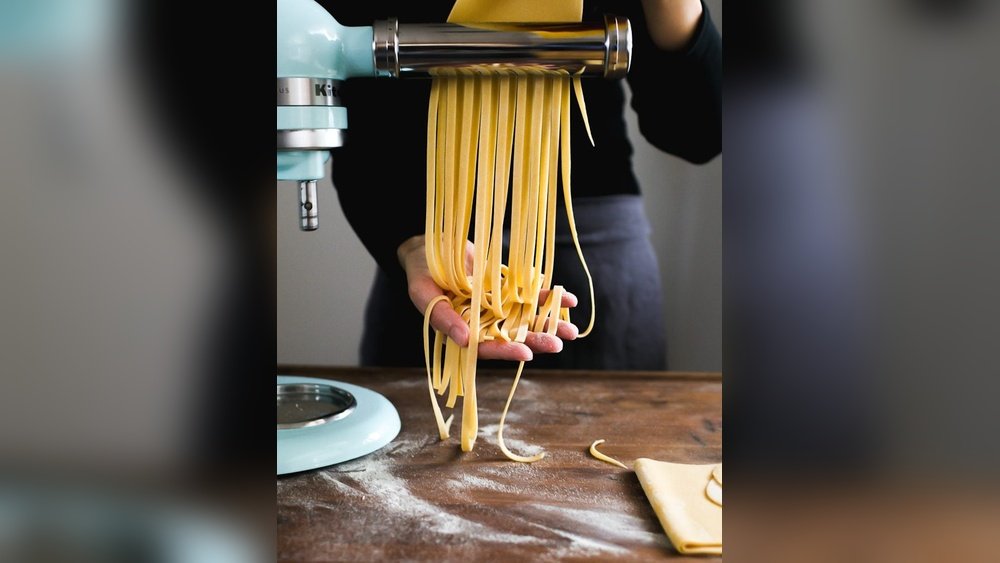
Using a pasta machine makes rolling fresh pasta dough easier and more consistent. It helps flatten the dough evenly, creating perfect sheets for your favorite pasta shapes. A pasta machine also saves time compared to rolling by hand.
Preparing The Dough For The Machine
Start by dividing your dough into smaller portions. Lightly dust each piece with flour to prevent sticking. Flatten the dough with your hands or a rolling pin just enough to fit into the machine’s rollers.
Adjusting The Thickness Settings
Set the pasta machine to the widest setting for the first pass. Feed the dough through the rollers slowly and steadily. Fold the dough in half and roll it again. Repeat this step 2-3 times for smooth dough.
Rolling The Dough Thin
After the dough is smooth, reduce the thickness setting one notch. Feed the dough through the machine again. Keep lowering the setting and rolling until the dough reaches your desired thinness.
Cutting The Pasta Shapes
Attach the cutting attachment or use a knife to cut dough sheets. Choose shapes like fettuccine, tagliatelle, or lasagna sheets. Dust cut pasta with flour to keep strands separate and prevent sticking.
Cutting Pasta Shapes
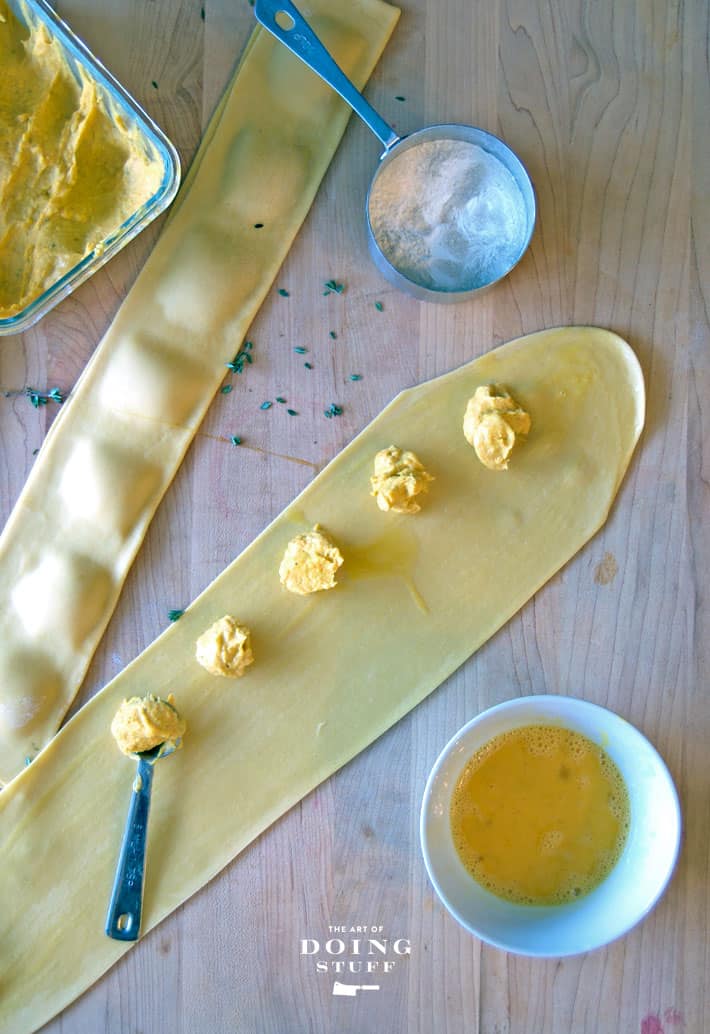
Cut fresh pasta dough into shapes using a sharp knife or pasta cutter. Work on a floured surface to prevent sticking. Choose shapes like fettuccine, tagliatelle, or simple squares for ravioli.
After rolling out fresh pasta dough, shaping it is the next fun step. Cutting pasta into different shapes changes the dish’s texture and how it holds sauce. Simple tools and a steady hand create a variety of classic pasta forms. Each shape has its own charm and use.
Use a sharp knife, pizza cutter, or pasta wheel to cut the dough. Dust the dough lightly with flour to prevent sticking. Work on a clean, flat surface. Keep the dough thin but firm for easy cutting.
Cutting Tagliatelle And Fettuccine
Roll the dough into a loose cylinder. Slice it crosswise into strips about 1/4 inch wide. Unroll each strip carefully to reveal long ribbons. These shapes cook quickly and pair well with creamy sauces.
Keep strips even for uniform cooking. Toss the cut pasta with flour to stop them from sticking before cooking.
Making Farfalle (bow Ties)
Cut the dough into small rectangles, about 1 by 2 inches. Pinch the center of each rectangle to form a bow tie shape. This shape holds chunky sauces well and adds visual interest.
Work gently to avoid tearing the dough. Use a fork to press edges for a decorative touch.
Shaping Orecchiette
Cut small rounds from the dough using a cup or cookie cutter. Press the center of each round with your thumb to create a bowl shape. This small pasta catches sauce inside, making each bite flavorful.
Practice makes perfect with this shape. Keep dough thickness consistent for even cooking.
Tips For Cutting And Handling Fresh Pasta
Use plenty of flour to prevent sticking. Cut dough when it is cool but not dry. Work quickly to keep the dough fresh. Arrange cut pasta on floured trays to dry slightly before cooking or storing.
Fresh pasta cooks in just a few minutes. Watch closely to avoid overcooking and keep the perfect texture.
Cooking Fresh Pasta
Cooking fresh pasta is quick and simple. Fresh pasta cooks faster than dried pasta. It only takes a few minutes to get the perfect bite.
Proper cooking keeps the pasta tender and flavorful. Overcooking makes it mushy and less enjoyable. Follow these tips to cook fresh pasta perfectly every time.
Boiling Water
Use a large pot filled with plenty of water. Salt the water well; it should taste like the sea. This adds flavor to the pasta.
Bring the water to a rapid boil before adding pasta. Boiling water prevents the pasta from sticking together.
Cooking Time
Fresh pasta cooks in 2 to 4 minutes. Thinner pasta takes less time; thicker pasta takes longer. Check pasta often by tasting it.
Stop cooking when pasta is tender but still firm. This is called “al dente,” meaning it has a slight bite.
Draining And Serving
Drain pasta carefully using a colander. Do not rinse the pasta; rinsing removes flavor and starch. Save a cup of pasta water for your sauce.
Add pasta directly to the sauce and toss to combine. Use reserved water to loosen thick sauces if needed.
:max_bytes(150000):strip_icc()/241920-easy-homemade-pasta-dough-ddmfs-4x3-c7172fe3104e43868f928c077d3a3397.jpg)
Credit: www.allrecipes.com
Storing Fresh Pasta Dough
Storing fresh pasta dough properly keeps it soft and ready to use. Fresh dough dries out quickly if left uncovered. Wrapping it well and choosing the right storage method protects its texture. This section explains how to store fresh pasta dough for short and long periods.
Storing Fresh Pasta Dough In The Refrigerator
Wrap the dough tightly in plastic wrap to prevent air exposure. Place it in an airtight container or a sealed plastic bag. Keep it in the fridge for up to two days. Let the dough reach room temperature before rolling or shaping.
Freezing Fresh Pasta Dough For Longer Storage
Divide the dough into smaller portions for easier use later. Wrap each portion separately in plastic wrap. Put the wrapped dough in a freezer-safe bag or container. Freeze for up to two months. Thaw in the refrigerator overnight before use.
Tips To Prevent Dough From Drying Out
Use a damp cloth to cover dough if you leave it out briefly. Avoid flouring the dough heavily before storage, as it can dry the surface. When unwrapping, check for dryness and knead gently if needed. Proper wrapping keeps the dough soft and workable.
Freezing Pasta Dough
Making fresh pasta dough from scratch can be tricky. Some common problems can slow down your process. Knowing how to fix these issues helps you get smooth, elastic dough every time. This section covers common problems and simple solutions.
Sticky Dough
Sticky dough often means too much moisture. Sprinkle a little flour on the dough and your work surface. Knead gently to absorb the extra moisture. Avoid adding too much flour to keep dough soft.
Dry And Crumbly Dough
Dry dough lacks enough liquid. Add a small amount of water or olive oil. Mix and knead well to bring dough together. Let dough rest for 15 minutes to absorb moisture fully.
Dough That Tears Easily
Dough that tears shows it is not elastic enough. Knead longer to develop gluten. Use warm water and fresh eggs for better texture. Rest the dough wrapped in plastic for 30 minutes before rolling.
Dough Too Hard To Roll
If dough feels tough, it may be over-kneaded or too cold. Let it sit at room temperature for 10 minutes. Lightly flour your rolling pin and surface. Roll gently, starting from the center outwards.
Uneven Dough Thickness
Uneven dough leads to poor cooking results. Roll dough in one direction only. Turn the dough 90 degrees after each pass. Use a pasta machine for consistent thickness if possible.
Troubleshooting Common Issues
Perfect pasta starts with simple, clear steps. Small details make a big difference. Use these tips to get soft, smooth dough every time. Consistency is key for great results. Practice helps you understand the dough’s feel and texture.
Follow these guidelines to avoid common mistakes. Fresh pasta dough should be elastic but not sticky. Knead enough to develop gluten but do not overwork it. Rest the dough to relax the gluten and make rolling easier.
Knead The Dough Thoroughly
Mix the ingredients well and knead for at least 10 minutes. Use the heel of your hand to push the dough forward. Fold the dough back and repeat. This builds strength and smoothness in the dough.
Rest The Dough Properly
Wrap the dough in plastic wrap before resting. Let it rest at room temperature for 30 minutes to one hour. Resting softens the dough and makes it easier to roll out. Skipping this step can make the dough tough.
Use The Right Flour
Choose all-purpose or “00” flour for best results. “00” flour creates silky, tender pasta. Avoid bread flour or whole wheat for delicate pasta shapes. The flour type affects dough texture and elasticity.
Control The Egg To Flour Ratio
A good balance is two large eggs per 200 grams of flour. Eggs add moisture and bind the dough. Too many eggs make the dough sticky; too few make it dry. Adjust slightly based on humidity and flour type.
Roll The Dough Evenly
Roll from the center outward in all directions. Use a pasta machine or a rolling pin. Aim for a thin, even sheet to cook pasta quickly and uniformly. Thick dough can be chewy and uneven.
Keep The Dough Covered
Cover dough sheets with a clean towel or plastic wrap. This prevents drying and cracking. Work in small batches to keep dough fresh. Dry edges are hard to seal and may break during cooking.
Frequently Asked Questions
What Is The Formula For Fresh Pasta Dough?
The formula for fresh pasta dough is 2 cups all-purpose flour, 3 large eggs, a pinch of salt, and 1 tablespoon olive oil. Mix and knead until smooth.
How To Make Pasta Better For Diabetics?
Choose whole-grain or legume-based pasta to lower glycemic impact. Control portion sizes and add fiber-rich vegetables. Use olive oil and lean protein to balance the meal. Avoid creamy sauces; opt for tomato-based or broth sauces instead.
What Is The Best Pasta For Heart Patients?
Whole grain or whole wheat pasta suits heart patients best. It contains more fiber and nutrients, supporting heart health. Choose pasta low in sodium and avoid creamy sauces to reduce heart disease risk. Incorporate olive oil and vegetables for a heart-healthy meal.
What Is The Secret To Perfect Pasta Dough?
The secret to perfect pasta dough lies in using quality flour, fresh eggs, a pinch of salt, and olive oil. Knead until smooth and elastic. Rest the dough before rolling to improve texture and flavor.
What Ingredients Are Needed For Fresh Pasta Dough?
Fresh pasta dough requires all-purpose flour, eggs, a pinch of salt, and olive oil. These simple ingredients create a soft and elastic dough.
Conclusion
Making fresh pasta dough from scratch is simpler than it seems. With just flour, eggs, salt, and olive oil, you create a delicious base. Kneading and rolling take practice but bring great satisfaction. Fresh pasta tastes better and cooks faster than dried.
Try this method at home to enjoy authentic Italian flavors. Keep your dough covered to prevent drying out. Experiment with shapes and sauces for variety. Enjoy the process and the tasty results. Fresh pasta makes every meal special and memorable.