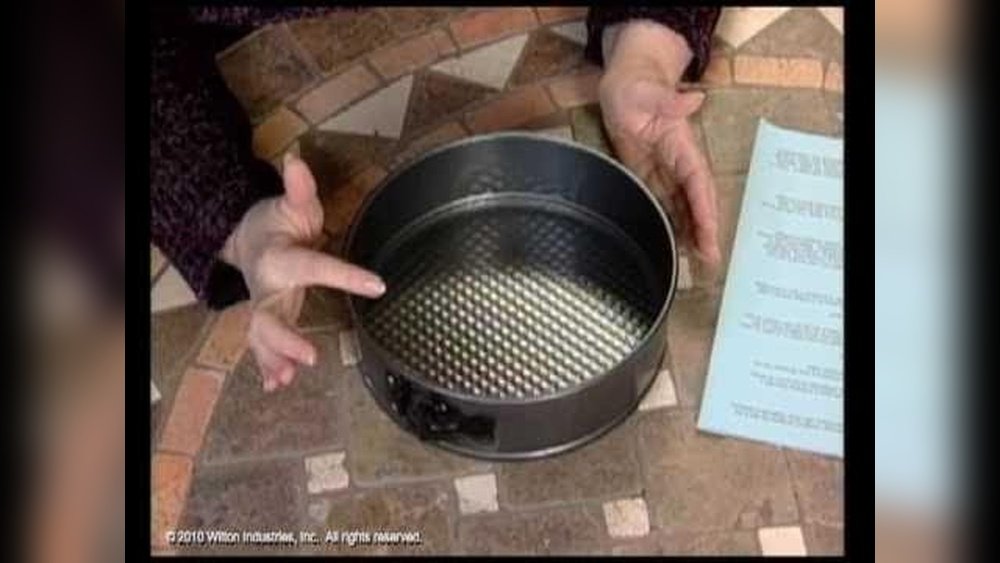
If you love baking but dread the struggle of getting your delicate cakes or cheesecakes out of the pan intact, a springform pan is about to become your best friend. In this How to Use a Springform Pan tutorial, you’ll also discover a practical springform pan guide to help you bake and release delicate desserts with confidence. This handy tool makes it easy to bake and serve those rich, creamy desserts without the mess or hassle.
But if you’ve never used one before, it can feel a bit tricky—how do you assemble it properly? Should you line it with parchment paper? And how do you prevent leaks? In this guide, you’ll learn simple, step-by-step tips to master your springform pan, so your desserts come out perfectly every time.
Keep reading to unlock the secrets that will make your baking smoother, neater, and more impressive. Your next show-stopping cake is just a few easy steps away!
:max_bytes(150000):strip_icc()/101538143-springform-pan-photo-by-dotdash-meredith-3x2-crop-651659c75a69416086df9339050c52cf.jpg)
Credit: www.allrecipes.com
Choosing The Right Springform Pan
Cutting and using parchment paper helps prevent sticking and makes cleanup easier. It protects your springform pan from batter leaks and ensures your baked goods release smoothly. Properly lining the pan with parchment paper is a simple step that improves baking results.
Measuring The Base For Parchment Paper
Remove the base from the springform pan. Place it on a sheet of parchment paper. Trace around the base with a pencil or pen. Cut out the circle just inside the traced line. This piece fits perfectly at the bottom of the pan.
Cutting Strips For The Sides
Measure the height and circumference of the pan’s sides. Cut a long strip of parchment paper with these dimensions. The strip should be tall enough to cover the sides completely. Wrap the strip inside the pan’s ring before locking it in place.
Placing Parchment Paper In The Pan
Grease the bottom and sides lightly before adding parchment paper. Place the cut circle on the pan’s base. Fit the long strip along the inner sides. Lock the springform ring tightly around the base and paper. Trim excess paper for a clean fit.
Assembling The Pan Correctly
Preventing leaks and spills is crucial when using a springform pan. These pans have a removable side, which makes them handy for delicate desserts. At the same time, the removable design can allow batter to leak out if not prepared correctly.
Taking a few simple steps before pouring batter can save you from messy oven spills. Keeping the batter inside the pan ensures even cooking and a clean oven.
Read more: Best Springform Pan: Top Picks for Perfect Baking in 2026
Grease The Bottom And Sides
Start by lightly greasing both the bottom and sides of the pan. Use butter or non-stick spray for this step. Greasing helps the batter stick to the pan and reduces the chance of leaks. It also makes removing the cake easier after baking.
Line The Bottom With Parchment Paper
Cut a piece of parchment paper to fit the bottom of the pan. Place it inside before assembling the ring. The paper acts as an extra barrier against leaks. It also prevents the cake from sticking to the pan’s base.
Seal The Edges Properly
Fit the outer ring tightly around the bottom. Check that the latch closes securely without gaps. A loose seal allows batter to escape during baking. Press gently to ensure the pan locks firmly in place.
Use A Baking Sheet As A Backup
Place the springform pan on a baking sheet before putting it in the oven. This catches any leaks that might occur. It also makes moving the pan easier and safer. The baking sheet keeps your oven clean and protects it from spills.
Greasing The Pan For Easy Release
Handling thick and liquid batters in a springform pan requires careful preparation. These batters behave differently during baking. Thick batters hold their shape better. Liquid batters can leak if the pan isn’t sealed well. Knowing how to manage both types ensures a perfect bake.
Read more: How to Cut Parchment Paper for Loaf Pan: Easy Tips & Tricks
Preparing The Pan For Thick Batters
Grease the sides and bottom of the pan thoroughly. This prevents sticking and helps with easy removal. For extra safety, line the bottom with parchment paper. Pour the thick batter slowly to avoid air bubbles. Spread the batter evenly with a spatula.
Sealing The Pan For Liquid Batters
Liquid batters are more likely to leak from the pan’s seams. Wrap the outside of the pan’s bottom with aluminum foil. This creates a waterproof barrier. Check that the pan’s latch is tightly closed. Place the pan on a baking sheet to catch any spills.
Pouring And Baking Tips
Pour liquid batter gently to avoid spills. Avoid overfilling the pan. Leave some space for the batter to rise. Bake on a stable, flat surface inside the oven. After baking, let the pan cool before removing the latch.
Cutting And Using Parchment Paper
Springform pans are famous for cheesecakes, but their use extends far beyond. Their unique design helps with easy removal of delicate dishes. This feature makes them perfect for various recipes that need gentle handling.
Explore creative ways to use a springform pan in your kitchen. Try savory and sweet dishes that benefit from the pan’s removable sides. You will find new favorites beyond traditional desserts.
Read more: Best Kitchen Gadgets: Must-Have Tools for Effortless Cooking
Using A Springform Pan For Deep-dish Pizzas
Springform pans hold thick pizza dough well. The tall sides support heavy toppings and cheese. Removing the outer ring makes serving easier without breaking the pizza. This method keeps the crust crispy and toppings intact.
Baking Layered Desserts And Ice Cream Cakes
Layered desserts fit perfectly in springform pans. You can build multiple layers of cake, mousse, or fruit. Freeze ice cream cakes directly in the pan. When ready, unlock the sides to reveal perfect layers.
Making Savory Quiches And Tarts
Quiches and tarts bake evenly in springform pans. The removable sides help slide the dish onto a plate. This avoids damage to delicate crusts. The pan’s tall edges hold fillings without spilling.
Preparing No-bake Desserts
Springform pans are great for no-bake recipes. Press crusts firmly into the base. Layer fillings and chill until set. Unlock the pan for neat, clean slices. Cheesecake isn’t the only no-bake treat you can try.
Crafting Mini Cakes And Brownie Stacks
Use a small springform pan for mini cakes or brownies. Stack layers with frosting or ganache. The pan’s sides keep layers tight during assembly. Remove the ring to reveal a beautiful, uniform dessert.
Frequently Asked Questions
What Is The Correct Way To Put The Bottom In A Springform Pan?
Place the springform pan’s bottom right-side up with the raised edge up. Fit it securely into the outer ring’s grooves. Lock the latch tight to prevent leaks. For best results, grease the sides and line the bottom with parchment paper before adding batter.
Read more: Best Stainless Steel Fry Pan: Honest Review & Top Picks 2026
Do You Put Parchment Paper On The Bottom Of A Springform Pan?
Yes, place a piece of parchment paper on the bottom of the springform pan. Grease sides and line with parchment for easy release.
Do I Need To Spray My Springform Pan?
Yes, spray your springform pan to prevent sticking. Also, grease the sides and line the bottom with parchment paper for best results.
Do You Remove Cheesecake From A Springform Pan Before Cooling?
Do not remove cheesecake from a springform pan before cooling. Let it cool completely in the pan to set properly.
How Do I Prevent Leaks With A Springform Pan?
Grease the bottom and sides well before baking. Line both with parchment paper to seal gaps. This stops batter from leaking during baking.
Conclusion
Using a springform pan makes baking delicate desserts easier. Always secure the base tightly to avoid leaks. Grease and line the pan to protect your baked goods. Pour in your batter carefully and bake as directed. Let your dessert cool completely before removing the ring.
This way, your cake or cheesecake keeps its shape. With these simple steps, you can bake confidently every time. Enjoy creating delicious treats with your springform pan!
Read more: Best Muffin Pan: Top Picks for Perfect Homemade Muffins