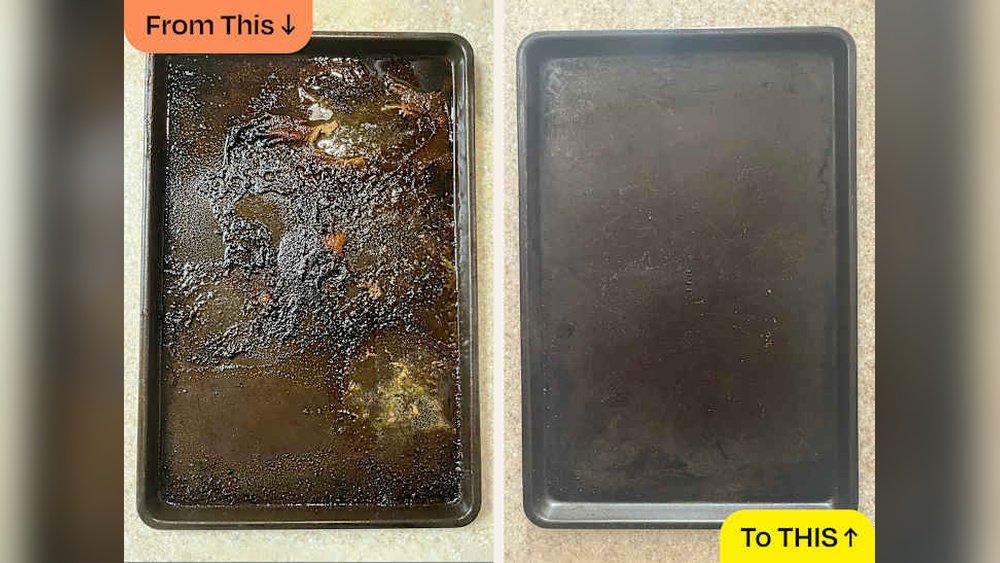
Are your cookie sheets looking dull, stained, or covered in baked-on grease? You’re not alone. In this guide, you’ll learn How to Clean Cookie Sheets using practical cookie sheet cleaning tips that help remove stubborn residue and keep your bakeware looking its best.
Over time, even the best cookie sheets can become a tough cleaning challenge. But don’t worry—getting your pans back to their shiny, like-new condition is easier than you think. In this guide, you’ll discover simple, effective methods that tackle everything from light grime to stubborn burnt-on residue.
Whether you prefer natural ingredients like baking soda or powerful commercial cleaners, you’ll find a solution that fits your needs. Keep reading to learn how to clean your cookie sheets the smart way—and make baking cleanup a breeze every time.
Choosing The Right Method
Choosing the right method to clean cookie sheets depends on the type of buildup and the pan’s material. Each cleaning technique offers benefits for different situations. Knowing which method to use saves time and protects your pans. Some methods work better for light grease, while others tackle stubborn stains. Consider your pan’s surface before starting the cleaning process.
Different Cleaning Methods
For various levels of buildup and pan materials, several proven methods can bring your cookie sheets back to life.
This is the gold standard for restoring aluminum sheets to a like-new shine.
- Coat the stained areas of the pan.
- Allow it to sit for at least two hours or overnight for stubborn grease.
- Scrub with a scouring pad or crumpled aluminum foil.
- Rinse thoroughly with warm water.
This classic DIY method relies on a fizzy chemical reaction to lift baked-on food.
- Sprinkle a generous layer of baking soda over the dirty tray.
- Pour white vinegar over the baking soda.
- Let the mixture fizz for a few minutes.
- Scrub with the coarse side of a sponge.
- Wash with soapy water and rinse well.
The Dryer Sheet Hack
This trick works well for greasy pans with minimal burnt residue.
- Fill the sink with warm water.
- Place the cookie sheet in the water.
- Put a dryer sheet in the water with the pan.
- Let it soak for an hour or more.
- Use the dryer sheet to wipe away grease and residue.
Baking Soda And Hydrogen Peroxide
Baking soda and hydrogen peroxide create a powerful cleaning duo for cookie sheets. Baking soda works as a mild abrasive that helps lift dirt and stains. Hydrogen peroxide breaks down tough grease and baked-on food. Together, they restore shine without harsh chemicals.
This method suits aluminum and stainless steel cookie sheets. It removes stubborn marks and burnt spots. The process is simple and uses ingredients you likely have at home.
Preparing The Cleaning Paste
Mix three parts baking soda with one part hydrogen peroxide. Stir until the mixture forms a thick paste. The paste should be easy to spread but not too runny. Use a small bowl for mixing.
Applying The Paste To The Cookie Sheet
Spread the paste evenly over stained or greasy areas. Cover every spot with a thick layer of the paste. Avoid applying too little paste, as it may not clean well. Let the paste rest on the sheet for two hours or longer.
Scrubbing And Rinsing
Use a scouring pad or crumpled aluminum foil ball to scrub the cookie sheet. Work in circular motions to lift grime. Rinse the sheet thoroughly with warm water. Dry the cookie sheet with a clean towel to prevent water spots.
Baking Soda And Vinegar Soak
The baking soda and vinegar soak is a simple, effective way to clean cookie sheets. This method uses natural ingredients to break down stubborn grease and baked-on food. It helps restore your baking sheets without harsh chemicals.
Baking soda acts as a gentle abrasive, scrubbing away grime. Vinegar reacts with baking soda, creating bubbles that lift dirt. Together, they make cleaning easier and faster.
Baking Soda Application
Start by sprinkling a generous layer of baking soda on the cookie sheet. Cover all dirty spots well. Baking soda will absorb oils and loosen stuck-on food.
Pouring Vinegar
Next, pour white vinegar slowly over the baking soda. You will see fizzing and bubbling. This reaction helps lift baked-on residue from the surface.
Scrubbing And Washing
After the fizz settles, scrub the sheet using the rough side of a sponge. Focus on tough stains and corners. Finally, wash the sheet with warm, soapy water and rinse well.

Credit: cleanmama.com
The Dryer Sheet Trick
The Dryer Sheet Trick offers a simple way to clean cookie sheets. It uses a common laundry item to remove grease and residue. This method works best on pans with light grime and sticky spots.
The dryer sheet softens baked-on food, making scrubbing easier. It also helps break down grease without harsh chemicals. Many find this trick quick and gentle on their pans.
The Materials Needed
Gather a dryer sheet, warm water, and a sponge or cloth. Choose a fabric softener sheet for best results. Have your greasy cookie sheet ready for cleaning.
Step-by-step Process
Fill the sink or a large basin with warm water. Place the cookie sheet in the water to soak. Lay a dryer sheet flat on the pan’s surface. Let it soak for about an hour to loosen grime.
After soaking, use the dryer sheet to scrub the pan gently. Focus on greasy spots and stuck-on food. Rinse the cookie sheet with clean water and dry with a towel.
Why This Trick Works
Dryer sheets contain softening agents that break down grease. They also help lift food particles from the pan’s surface. This makes cleaning easier without damaging the cookie sheet.
The trick avoids harsh scrubbing and toxic cleaners. It is a safe and eco-friendly option for light cleaning jobs.
Using Oven Cleaner Safely
Using oven cleaner can quickly remove tough stains and baked-on grease from cookie sheets. It is a strong chemical product, so handling it with care is important. Proper use ensures effective cleaning without harming your skin or damaging your pans.
Follow safety steps to protect yourself and get the best results. Read instructions on the product label before starting. Use oven cleaner in a well-ventilated area to avoid inhaling fumes. Wear gloves to protect your hands from irritation.
Wear Protective Gear
Always wear rubber gloves when using oven cleaner. The chemicals can cause skin burns or irritation. Consider wearing old clothes or an apron to avoid stains. Use eye protection like safety goggles to prevent splashes in your eyes. Take these precautions seriously for safe cleaning.
Apply Oven Cleaner Correctly
Spray a thin, even layer of oven cleaner on the cookie sheet. Avoid over-spraying or soaking the pan. Let the cleaner sit as directed on the label, usually 10 to 15 minutes. This breaks down grease and burnt food, making it easier to clean. Do not leave the cleaner on too long to protect the pan’s surface.
Rinse Thoroughly After Cleaning
After scrubbing the cookie sheet, rinse it well with warm water. Remove all oven cleaner residue to avoid chemical taste or damage. Use a sponge or cloth to wipe off any leftover cleaner. Dry the cookie sheet completely before storing or using it again. Proper rinsing keeps your cookie sheets safe for food use.

Credit: www.nytimes.com
Removing Burnt-on Residue
Removing burnt-on residue from cookie sheets can be tough. These stubborn spots form when sugar, grease, or food bits bake onto the surface. They can ruin the look and performance of your cookie sheets. Knowing how to tackle this residue keeps your baking tools clean and ready for use.
Several simple methods remove burnt-on residue without harsh chemicals. Most use common household items. These methods help restore your cookie sheets gently but effectively. The goal is to loosen the burnt bits so you can wipe or scrub them away easily.
Using Baking Soda Paste
Baking soda works as a gentle abrasive and cleaner. Mix baking soda with water to form a thick paste. Spread the paste over the burnt areas on your cookie sheet. Let it sit for 30 minutes to an hour. The paste softens the burnt residue.
Next, scrub the sheet with a non-scratch sponge or cloth. Rinse with warm water. Repeat if needed. Baking soda paste is safe for most cookie sheets and is easy to use.
Soaking In Hot Water And Dish Soap
Fill your sink or a large basin with hot water and dish soap. Submerge the cookie sheet completely. Soak for at least 30 minutes or longer for heavy residue. The hot, soapy water helps loosen burnt bits.
After soaking, scrub the sheet with a sponge or brush. Rinse thoroughly and dry. This method is simple and uses items found in every kitchen.
Applying White Vinegar
White vinegar breaks down burnt food and grease. Pour vinegar directly onto the burnt spots. Let it sit for 10-15 minutes. The acid in vinegar softens the residue, making it easier to remove.
Scrub with a sponge or brush after soaking. Rinse well with warm water. This natural cleaner is safe and effective for cookie sheets.
Restoring Aluminum Cookie Sheets
Aluminum cookie sheets often get stained and discolored after repeated use. Restoring their shine can bring them back to a near-new condition. The process involves simple household items and easy steps that anyone can follow. These methods remove burnt-on grease and stubborn stains effectively.
This method is very effective for aluminum cookie sheets. Sprinkle baking soda generously over the stained areas. Add hydrogen peroxide to cover the baking soda. Let the mixture sit for two hours or overnight for tough stains. Scrub the surface gently using a scouring pad or crumpled aluminum foil. Rinse thoroughly with warm water to reveal a cleaner surface.
Use this method to lift baked-on food with a fizzy reaction. Cover the dirty tray with a thick layer of baking soda. Pour white vinegar over the baking soda slowly. Wait for the mixture to bubble and fizz. Scrub the sheet with the rough side of a sponge. Wash the sheet with warm, soapy water and rinse well.
The Dryer Sheet Hack
This hack works well for greasy aluminum pans. Fill the sink with hot water and add a dryer sheet. Soak the cookie sheet in the water for an hour. The dryer sheet helps loosen grease and grime. After soaking, scrub the pan with a sponge. Rinse and dry the cookie sheet completely before use.
Cleaning Non-stick Cookie Sheets
Cleaning non-stick cookie sheets requires care to keep the coating intact. Harsh scrubbing or strong chemicals can damage the surface. Use gentle methods to remove grease and stuck-on food without scratching.
Non-stick pans need a soft touch to maintain their smooth finish. Avoid metal scrubbers and abrasive cleaners. Choose mild cleaning agents and soft cloths or sponges instead.
Preparing The Non-stick Cookie Sheet For Cleaning
Start by letting the cookie sheet cool completely. Hot pans can warp or cause injury. Remove loose crumbs with a paper towel or soft cloth. This prevents scratching when you wash the pan.
Using Mild Soap And Warm Water
Fill your sink or basin with warm water. Add a few drops of mild dish soap. Soak the cookie sheet for 10 to 15 minutes. Use a soft sponge to gently scrub the surface. Rinse thoroughly with warm water to remove soap residue.
Removing Tough Stains With Baking Soda Paste
Mix baking soda with a small amount of water. Create a thick paste that will not drip. Spread the paste on stained areas of the cookie sheet. Let it sit for 15 to 20 minutes. Gently scrub with a soft sponge to lift stains. Rinse well and dry with a soft towel.
Avoiding Damage To The Non-stick Surface
Never use steel wool or metal brushes. Avoid harsh chemical cleaners or bleach. Do not put non-stick cookie sheets in the dishwasher often. Heat and strong detergents can wear down the coating. Hand washing is best for longer life.
Tools For Effective Cleaning
Cleaning cookie sheets effectively requires the right tools. These tools help remove stuck-on food and grease. Using proper tools makes the cleaning easier and faster. It also protects the surface of the cookie sheet from scratches and damage.
Here are some essential tools for cleaning cookie sheets that every kitchen should have.
Soft Sponges And Scrubbers
Soft sponges clean without scratching the metal. Use the rough side for stuck-on food and the soft side for general cleaning. Avoid steel wool, which can damage the surface. A scrubber with gentle abrasive power works best.
Baking Soda And Brushes
Baking soda acts as a natural cleaner and deodorizer. Sprinkle it on the cookie sheet before scrubbing. Use a brush with firm bristles to remove tough stains. Brushes reach into corners better than sponges.
Read more: How to Make a Double Boiler: Easy Steps for Perfect Melting
Plastic Or Silicone Scrapers
Plastic or silicone scrapers remove baked-on food without scratching. They are great for scraping off large pieces. Use them before washing to loosen debris. Avoid metal scrapers that can harm the pan.
Non-toxic Cleaning Solutions
Use mild, non-toxic cleaners for safe and effective cleaning. Vinegar, lemon juice, or hydrogen peroxide work well. These solutions help break down grease and brighten the sheet. Avoid harsh chemicals that may damage the coating.
Microfiber Cloths For Drying
Microfiber cloths absorb water quickly and prevent streaks. Use them to dry cookie sheets after washing. Proper drying helps avoid rust and water spots. These cloths are gentle and reusable.
Avoiding Common Cleaning Mistakes
Cleaning cookie sheets might seem simple, but many make common mistakes. These errors can damage your pans or make cleaning harder. Avoiding them saves time and keeps your cookie sheets in good shape.
Use Gentle Cleaners Only
Avoid harsh chemicals or abrasive cleaners. They can scratch or ruin the surface. Mild soap and baking soda work well for most stains. Harsh cleaners may leave residue that affects food taste.
Don’t Soak Too Long
Soaking cookie sheets overnight can cause damage, especially if they are aluminum. Long exposure to water and cleaning agents may cause rust or warping. Limit soaking to a few hours for tough stains.
Read more: How to Use a Springform Pan: Expert Tips for Perfect Baking
Skip Metal Scrubbers
Metal scrubbers can scratch and wear down the non-stick coating. Use soft sponges or nylon scrubbers instead. This keeps the surface smooth and prevents food from sticking.
Avoid High Heat During Cleaning
Never clean hot cookie sheets with cold water. Sudden temperature changes can warp metal. Wait until pans cool before washing to maintain their shape and quality.
Preventing Stains And Buildup
Keeping cookie sheets free from stains and buildup saves time and effort during cleaning. Stains form when food residue and grease bake onto the surface. Buildup makes the sheet look dull and affects cooking performance. Preventing these problems helps maintain the cookie sheet’s lifespan and appearance.
Simple habits and quick cleaning steps stop stains before they start. Regular care means less scrubbing later. Protecting the surface with a barrier reduces sticky messes. Small actions after baking keep sheets looking new.
Use Parchment Paper Or Silicone Mats
Place parchment paper or a silicone baking mat on cookie sheets. These liners catch drips and crumbs. They stop food from sticking to the metal surface. Cleanup becomes as easy as tossing the liner away or washing the mat.
Apply A Light Coat Of Oil
Rub a thin layer of cooking oil on the sheet before baking. This creates a barrier that prevents food from sticking. Use a paper towel to spread oil evenly. Avoid pouring oil directly on the pan to prevent excess buildup.
Clean Immediately After Use
Wash cookie sheets soon after baking to stop stains from setting. Use warm, soapy water and a soft sponge. Avoid harsh scrubbing that can scratch the surface. Quick cleaning keeps grease and burnt food from hardening.
Avoid Harsh Chemicals And Abrasive Tools
Do not use strong chemicals or steel wool on cookie sheets. These can damage the finish and cause rust. Gentle cleaning tools protect the pan’s surface. Stick to soft sponges or nylon scrubbers for safe cleaning.
Regular Maintenance With Baking Soda
Sprinkle baking soda on cookie sheets once a week. Let it sit for 15 minutes to absorb oils and odors. Wipe it off with a damp cloth. This simple step prevents buildup and keeps sheets fresh.
Read more: Best Stainless Steel Cookie Sheet: Top Picks for Quality Baking
Maintaining Sparkling Cookie Sheets
Maintaining sparkling cookie sheets keeps your baking smooth and your kitchen clean. Clean sheets help cookies bake evenly and prevent burning. Regular care stops buildup of grease and food residue by following safe bakeware cleaning practices. Simple habits extend the life of your baking tools. A shiny cookie sheet also looks great on your countertop. Follow easy steps to keep your cookie sheets spotless.
Store Cookie Sheets Properly
Keep cookie sheets in a dry, cool place. Avoid stacking heavy items on top. Use a paper towel or cloth between sheets. This prevents scratches and dents. Proper storage helps maintain their smooth surface.
Clean After Every Use
Wash cookie sheets right after baking. Warm water and mild soap work best. Use a soft sponge to avoid damage. Rinse well to remove all soap. Dry thoroughly to stop rust and stains.
Use Gentle Cleaning Tools
Avoid metal scrubbers that can scratch the surface. Soft sponges or nylon brushes clean well. For tough spots, a paste of baking soda and water helps. Let the paste sit before scrubbing gently. This keeps sheets shiny without harm.
Read more: Best Baking Sheets Non Toxic: Safe & Durable Picks for 2026
Frequently Asked Questions
How Do You Get Brown Stuff Off Cookie Sheets?
Sprinkle baking soda on the brown stains, add hydrogen peroxide, and let sit for two hours. Scrub with a pad, then rinse well.
How Do You Make Aluminum Cookie Sheets Look New Again?
Sprinkle baking soda on the sheet, add hydrogen peroxide, and let it sit for two hours. Scrub with foil or a scouring pad, then rinse thoroughly. This method restores aluminum cookie sheets to a like-new shine safely and effectively.
How Do I Clean A Badly Burnt Baking Tray?
Sprinkle baking soda on the burnt tray, add hydrogen peroxide, and let sit for two hours. Scrub with a scouring pad, then rinse. Repeat if needed.
How Do I Get The Brown Off The Bottom Of My Pans?
Sprinkle baking soda on the pan’s bottom, add hydrogen peroxide, and let sit for two hours. Scrub with a scouring pad or aluminum foil ball, then rinse clean. Repeat for stubborn stains.
How Do I Remove Burnt Residue From Cookie Sheets?
Use baking soda and hydrogen peroxide to coat burnt areas. Let it sit for a few hours, then scrub with a scouring pad. Rinse well to remove all residue and stains.
Conclusion
Cleaning cookie sheets does not need to be hard or time-consuming. Simple ingredients like baking soda and vinegar work well. Soaking and scrubbing gently can remove most stains. For tougher grime, try a dryer sheet or oven cleaner. Regular cleaning keeps your sheets looking nice and lasts longer.
Taking a few minutes after baking can save effort later. Clean cookie sheets help your cookies bake evenly and taste better. Keep these tips in mind for easy, effective cleaning every time.
Read more: How to Clean Baking Sheets: Easy Tips for Sparkling Results