Your kitchen knife is one of your most important tools, but over time, even the sharpest blades get dull. You might think sharpening knives is tricky or messy, but it doesn’t have to be. The Best Knife Sharpening Technique at Home depends on choosing the right tool, maintaining the proper angle, and learning how to sharpen kitchen knives without removing unnecessary material from the blade.
What if you could restore that razor-sharp edge right at home, quickly and easily? You’ll discover the best knife sharpening technique that anyone can master. You’ll learn how to bring your knives back to life, save money on replacements, and make cooking safer and more enjoyable.
Ready to unlock the secret to perfectly sharp knives? Keep reading to find out how simple it really is.
:max_bytes(150000):strip_icc()/faw-primary-knife-sharpeners-aug-24-nsimpson-89-1-617608fed6bf49e5831273cd2e7e0c69.jpeg)
Credit: www.foodandwine.com
Choosing The Right Sharpener
Choosing the right sharpener is key to effective knife sharpening at home. Different sharpeners suit different knives and skill levels. Picking the correct tool helps protect your knives and improves sharpening results.
Consider the type of knives you own and how often you sharpen them. Some sharpeners work best for quick touch-ups, while others are for restoring very dull blades. Understanding the options helps you decide what fits your needs.
Manual Sharpeners
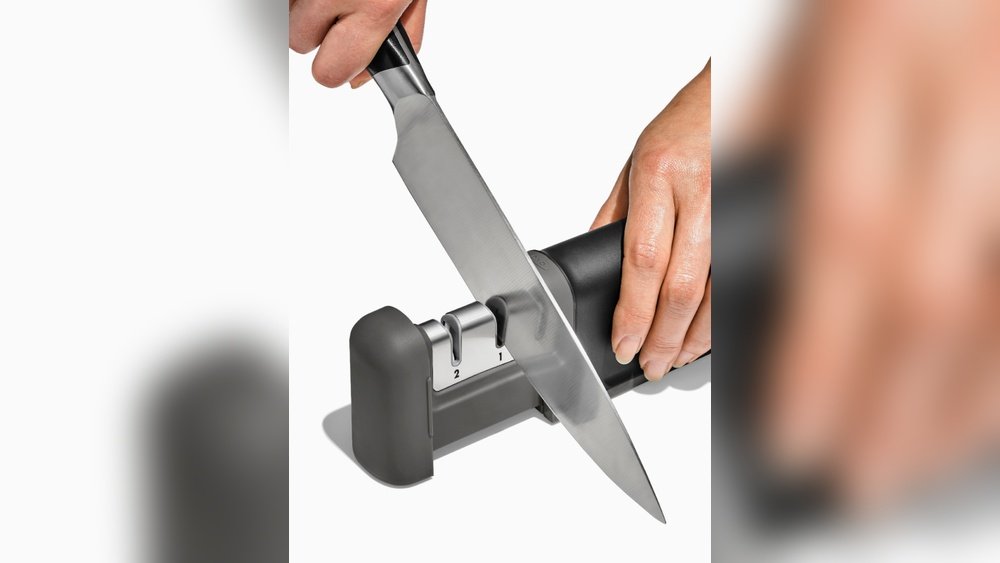
Manual sharpeners are easy to use and affordable. They often have preset angles that guide the blade. This design helps beginners maintain a consistent sharpening angle. Ideal for kitchen knives needing quick edge fixes.
These sharpeners usually have multiple slots for coarse and fine sharpening stages. Pull the knife through the slots slowly and evenly. Manual sharpeners require less skill but may remove more metal if overused.
Whetstones (water Stones)
Whetstones offer the most control over sharpening. They come in coarse, medium, and fine grits for different stages. Using a whetstone takes practice but can produce a razor-sharp edge.
Soak the stone in water before use. Hold the knife at the correct angle and slide it across the stone evenly. Whetstones work well for all types of knives and last a long time.
Electric Sharpeners
Electric sharpeners speed up the sharpening process. They have motorized abrasive wheels that sharpen quickly. These are good for people who want fast results with minimal effort.
Electric sharpeners often include guides to keep the blade angle consistent. However, they can remove more metal than manual options. Use them carefully to avoid damaging your knives.
Honing Rods
Honing rods do not sharpen but realign the blade edge. Use them regularly to maintain sharpness between sharpenings. They are simple and inexpensive tools for daily knife care.
Hold the rod vertically and slide the knife down at a 15 to 20-degree angle. Alternate sides to keep the blade even. Honing keeps knives cutting smoothly longer.
Using A Whetstone Effectively
Sharpening knives with a whetstone offers precise control over the blade’s edge. It sharpens without removing too much metal, preserving the knife’s lifespan. Using the right technique ensures the blade becomes sharp and safe to use.
Mastering the whetstone method requires focus on grit selection, angle consistency, and smooth hand motion. These factors help create a clean, sharp edge on your knives at home.
Selecting Grits
Start with a coarse grit stone to repair dull or damaged edges. It removes metal quickly to reshape the blade. Use a medium grit to refine the edge after coarse sharpening. Finish with a fine grit for polishing and a razor-sharp finish. Proper grit selection prevents over-sharpening and keeps the blade strong.
Maintaining Consistent Angle
Hold the knife at a steady angle against the stone. Most kitchen knives sharpen well at 15 to 20 degrees. Use an angle guide if needed for accuracy. Consistent angles create a smooth, even edge. Changing angles causes uneven sharpening and weak edges.
Read more: Best Pasta Extruder for Home Kitchen: Top Durable Pasta Maker Attachments
Proper Hand Motion
Move the blade smoothly across the whetstone in a sweeping motion. Push the knife forward and across the stone, maintaining the angle. Apply light to moderate pressure to avoid cutting into the stone. Sharpen both sides evenly to keep the edge balanced. Repeat strokes until the blade feels sharp and smooth.
Pull-through Sharpener Tips
Pull-through sharpeners offer a simple way to sharpen knives at home. They usually have two or three slots with different abrasiveness. Using the right technique keeps your blade sharp and safe. Follow these tips to get the best results from your pull-through sharpener.
Coarse To Fine Slots
Start with the coarse slot to fix dull or damaged blades. This slot removes metal quickly to form a new edge. After a few pulls, switch to the fine slot. It smooths and polishes the blade for a sharper finish. Some sharpeners have a medium slot. Use it between coarse and fine for a gradual edge. Always follow the order: coarse first, then fine.
Gentle Pull Technique
Hold the knife handle firmly but gently. Place the blade in the slot at the heel, near the handle. Pull the knife straight through to the tip with light, even pressure. Avoid pushing hard or twisting the blade. Repeat the pull 3 to 6 times per slot. This method helps keep the blade edge even and avoids damage.
Cleaning After Sharpening
Sharpening leaves metal dust and residue on your knife and sharpener. Wipe the blade with a damp cloth to remove particles. Clean the sharpener slots with a small brush or cloth. This prevents buildup and keeps the sharpener working well. Dry both the knife and sharpener before storing to avoid rust and damage.

Credit: www.wikihow.com
Honing Rod Techniques
Honing rods keep your knife’s edge aligned and sharp between full sharpenings. They do not remove metal but straighten tiny bends on the blade’s edge. Using a honing rod regularly extends the life of your knife. It helps maintain cutting performance without frequent sharpening sessions. Learning proper honing rod techniques improves your knife care routine at home.
When To Use Honing Rods
Use a honing rod before or after each use of your knife. It works best when the blade feels slightly dull but not completely blunt. Honing rods are ideal for daily maintenance. They fix minor edge misalignments caused by cutting tasks. Avoid using honing rods on very dull or damaged blades. For those, sharpening stones or pull-through sharpeners are better.
Proper Gliding Motion
Hold the honing rod firmly with the tip resting on a stable surface. Place the knife blade at a 15 to 20-degree angle against the rod. Glide the blade down the rod, moving from the base to the tip. Use gentle, consistent pressure to maintain the angle. Repeat this motion 5 to 10 times on each side of the blade. Avoid scraping or applying too much force to protect the edge.
Avoiding Common Mistakes
Sharpening knives at home can save money and keep blades ready for use. Mistakes during sharpening reduce blade life and effectiveness. Avoiding common errors improves results and safety. Focus on these key pitfalls to sharpen knives properly.
Read more: Best Muffin Pan: Top Picks for Perfect Homemade Muffins
Excessive Metal Removal
Removing too much metal weakens the blade quickly. Sharpen only enough to restore the edge. Over-sharpening shortens knife lifespan and wastes effort. Use gentle strokes and check progress often. Stop once the blade feels sharp.
Inconsistent Angles
Maintaining a consistent angle is crucial for a sharp edge. Changing angles causes uneven edges and dull spots. Find the correct angle for your knife type. Use an angle guide or mark the blade for help. Keep the angle steady throughout sharpening.
Using Damaging Surfaces
Sharpening on rough or wrong surfaces harms the blade. Avoid metal files or coarse materials not meant for knives. Choose proper whetstones, diamond plates, or ceramic rods. Clean and smooth surfaces protect the blade’s edge. Replace worn stones to maintain effectiveness.
Knife Maintenance Practices
Sharpening different knife types requires unique care and methods. Each blade has its own shape, thickness, and purpose. Understanding these differences helps protect your knives and improves their performance. Proper sharpening keeps knives safe and efficient in the kitchen.
Using the right technique for each knife type avoids damage. Because sharpening angles can vary by knife style, checking the manufacturer’s sharpening guidance can help you protect the blade and maintain its intended edge. It also extends the life of the blade and keeps it sharp longer. Below are tips for sharpening thin kitchen knives, broken or damaged blades, and specialty knives.
Thin Kitchen Knives
Thin kitchen knives need a gentle touch. Use a fine-grit whetstone or sharpening rod. Keep the angle between 10 and 15 degrees. Sharpen slowly to avoid bending or breaking the thin blade. Use light pressure and maintain smooth strokes. Thin knives sharpen quickly, so check the edge often.
Broken Or Damaged Blades
Fixing broken or chipped blades takes patience. Start with a coarse grit stone to reshape the edge. Remove any rough or damaged parts carefully. Then, switch to a medium grit to smooth the blade. Finish with a fine grit for polishing. Always sharpen slowly to avoid further damage. If the damage is severe, consider professional repair.
Specialty Knives
Specialty knives include serrated, ceramic, and Japanese-style blades. Each needs special care and sharpening tools. Serrated knives sharpen best with a tapered diamond rod. Sharpen each serration carefully. Ceramic knives require diamond stones because they are very hard. Japanese knives often have a single bevel and need precise angle control. Use a whetstone and keep the angle consistent for these knives.
Sharpening Different Knife Types
Sharpening knives at home requires careful attention to safety. Sharp blades can cause serious cuts if not handled properly. Following safety tips helps prevent accidents and protects your hands during sharpening.
Keep your focus clear and avoid distractions. A steady hand and calm mind reduce the risk of slips. Preparing your workspace well also plays a key role in safety.
Read more: Top 10 Best Kitchen Knife Sets for Precision and Durability in 2026
Use Protective Gear
Wear cut-resistant gloves to shield your fingers. Safety glasses protect your eyes from small metal particles. Both are simple steps that greatly reduce injury risks.
Secure The Knife Properly
Hold the knife firmly with a secure grip. Place it on a stable surface or clamp if possible. Avoid holding the blade directly while sharpening to prevent cuts.
Maintain Consistent Angle
Keep the blade at a steady angle against the sharpener. Sudden angle changes cause slips and uneven edges. Using an angle guide can help maintain the correct position.
Sharpen Slowly And Carefully
Move the blade slowly across the sharpening stone or tool. Rushing increases the chance of accidents. Controlled movements provide better results and reduce risks.
Keep Sharpening Tools In Good Condition
Check stones and sharpeners for cracks or damage before use. Damaged tools can break and cause harm. Clean tools after use to keep them safe and effective.
Store Knives Safely After Sharpening
Place sharpened knives in a safe holder or sheath. Avoid leaving them loose on counters. Proper storage prevents accidental cuts and keeps blades sharp longer.
Frequently Asked Questions
How Do Chefs Keep Their Knives So Sharp?
Chefs keep knives sharp by regularly using whetstones to sharpen edges and honing rods to straighten blades. They avoid dishwashers and hard surfaces, hand wash knives, and maintain consistent sharpening angles for precision.
Can You Sharpen Wusthof Knives?
Yes, you can sharpen Wusthof knives using a whetstone or a quality pull-through sharpener. Always maintain the edge with a honing rod.
Can I Sharpen My Cutco Knives?
Yes, you can sharpen Cutco knives at home using a whetstone or a multi-stage pull-through sharpener. Regular honing maintains the edge. Avoid dishwashers and hard cutting boards to preserve sharpness.
What Are The Common Mistakes To Avoid When Sharpening Knives?
Avoid using the wrong angle, applying too much pressure, neglecting blade cleaning, skipping consistent strokes, and sharpening damaged blades.
How Do I Sharpen Knives Safely At Home?
Use a whetstone with steady hands and slow strokes. Keep the blade angle consistent around 15-20 degrees. Always sharpen away from your body to avoid injury.
Conclusion
Sharpening knives at home keeps blades safe and effective. Using a whetstone offers great control and sharpness. Pull-through sharpeners work well for quick touch-ups. Honing rods help maintain the blade’s edge between sharpenings. Always clean your knives after sharpening to remove debris.
Practice regularly to improve your technique and results. Sharp knives make cooking easier and safer every day.
Read more: How to Season a Wok: Expert Tips for Perfect Nonstick Cooking