You’ve just pulled your mashed potatoes out of the fridge, and now you’re wondering how do you reheat them without turning them dry, gluey, or flavorless? The Best Way to Reheat Mashed Potatoes depends on the method you choose, but knowing how to reheat mashed potatoes without drying them is the key to keeping them creamy and flavorful. Whether you’re prepping for a family dinner or simply craving that creamy comfort food, knowing the best way to reheat mashed potatoes can make all the difference.
You want them just as fluffy and smooth as when you first made them, right? You’ll discover simple, foolproof methods to bring your leftover mashed potatoes back to life—whether using the oven, stovetop, or microwave. Stick around to learn the tricks that will keep your mashed potatoes tasting fresh and delicious every time.
Oven Method
The oven method is a great choice to reheat mashed potatoes evenly. It uses low heat to warm the potatoes without drying them out. This method keeps the texture creamy and smooth. It is especially useful for reheating large amounts at once. The oven heats the potatoes thoroughly while preserving moisture. Follow these tips for the best results.
Best For Large Batches
The oven method works well when reheating big servings. You can spread the mashed potatoes in a large baking dish. This way, heat distributes evenly across the whole dish. It prevents cold spots and ensures every bite is warm. The oven also frees up your stovetop for other dishes. It is perfect for family dinners or holiday meals.
Preparing Potatoes For Baking
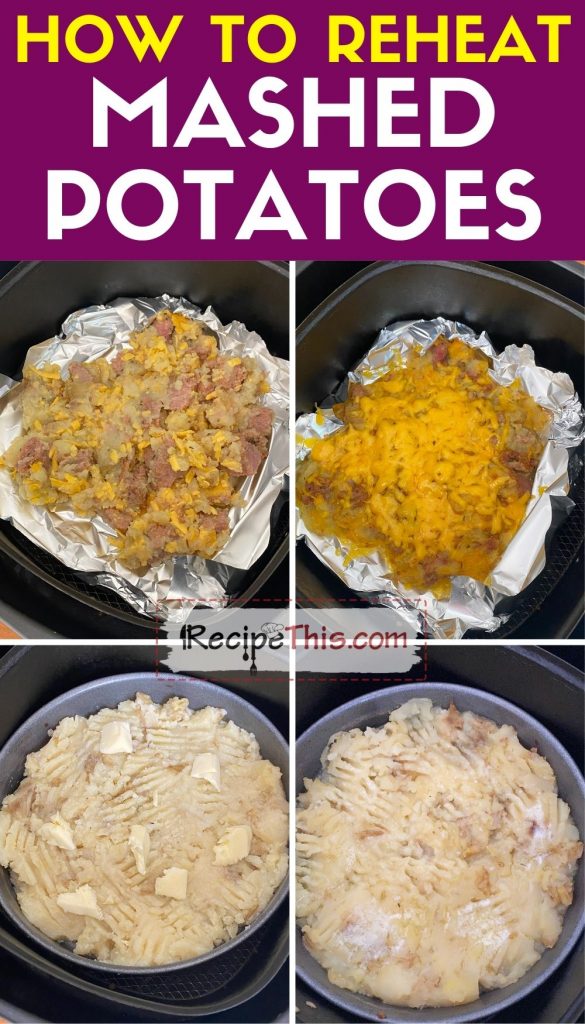
Start by placing the mashed potatoes in an oven-safe dish. Spread them out so they heat evenly. Add a small amount of milk or cream to keep them moist. Dot the top with bits of butter to add richness. Stir gently to mix these in without breaking the texture. This prep helps the potatoes stay soft and creamy after reheating.
Covering To Lock Moisture
Cover the baking dish tightly with aluminum foil. This traps steam and prevents the potatoes from drying out. The moisture stays inside, keeping the potatoes fluffy. Check the potatoes halfway through and stir gently if needed. Cover again and finish baking until heated through. This step is key to restoring the creamy texture you want.
Stovetop Method
The stovetop method offers a fast and effective way to reheat mashed potatoes. It uses gentle heat and moisture to keep the potatoes creamy. This method helps avoid dryness and preserves the smooth texture. You can easily adjust the heat and add ingredients to improve flavor and consistency.
Quick And Creamy Results
Heat your mashed potatoes slowly over medium-low heat. This prevents burning or drying out. The gentle heat melts the butter and warms the potatoes evenly. Stir often to keep the texture smooth and fluffy. The stovetop method is faster than the oven and perfect for smaller portions.
Adding Milk And Butter
Add a splash of milk or cream to the pot before reheating. This adds moisture and richness back to the potatoes. Include a pat or two of butter for extra creaminess and flavor. These ingredients help loosen the potatoes and bring back their soft texture. Use whole milk or cream for best results, but any milk will work.
Gentle Stirring Techniques
Stir the potatoes gently and continuously as they heat. Use a wooden spoon or silicone spatula to avoid breaking the potatoes too much. Gentle stirring keeps the mixture smooth without turning it gluey. Stop stirring as soon as the potatoes are hot throughout. Over-stirring can cause a pasty texture.
Microwave Method
The microwave method offers a quick and easy way to reheat mashed potatoes. It works well for small portions and saves time. This method uses the microwave’s heat to warm the potatoes evenly and fast. Knowing how to use the microwave correctly helps keep the mashed potatoes creamy and smooth.
Fastest Option
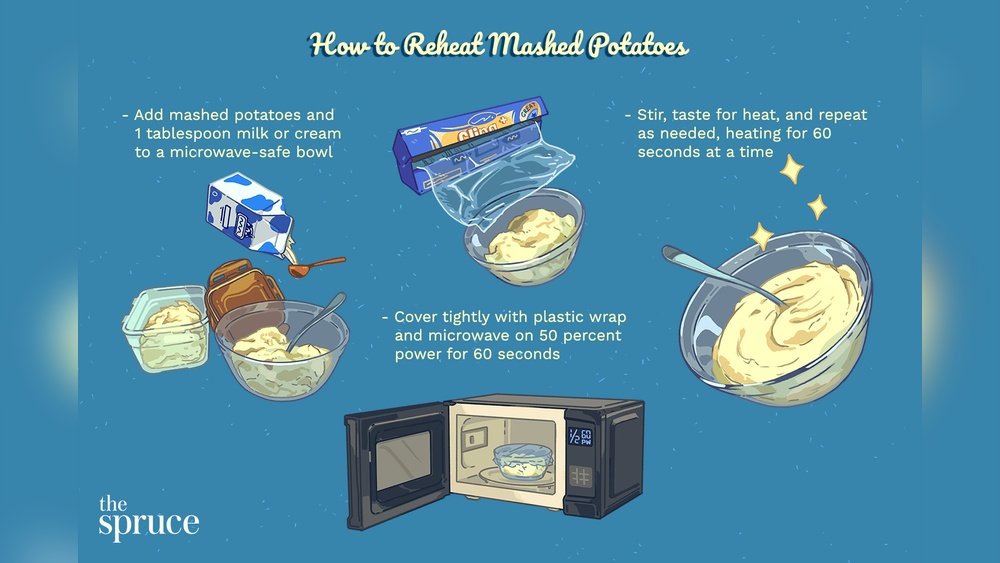
The microwave method is the fastest way to reheat mashed potatoes. Just place the potatoes in a microwave-safe bowl. Heat them on medium power in short intervals of 30 to 45 seconds. Stir the potatoes between intervals. This spreads the heat evenly and prevents cold spots. Usually, 2 to 3 minutes is enough for one serving.
Preventing Dryness
Mashed potatoes can dry out in the microwave without extra care. Add a splash of milk or cream before heating. A small pat of butter also helps keep the texture creamy. Stir well after each heating cycle. This distributes moisture and heat evenly. Covering the bowl traps steam and stops the potatoes from drying.
Using Microwave-safe Covers
Use a microwave-safe cover to keep moisture in. A microwave-safe lid or plastic wrap works well. Leave a small vent open to allow steam to escape. This avoids pressure buildup inside the container. The cover helps heat the potatoes evenly and prevents splatters. It also keeps the potatoes soft and fluffy.
:max_bytes(150000):strip_icc()/big-marthas-mashed-potatoes-with-cream-cheese-d104241-2000-92d31e03590b41e78a6faf087f4222b4-horiz-82c8dbe1a9ae4991909cecbe4e9dd829.jpg)
Credit: www.marthastewart.com
Double Boiler Trick
The double boiler trick is a gentle way to reheat mashed potatoes. It uses steam heat to warm them slowly. This method stops the potatoes from drying out or burning. It helps keep the creamy texture intact. Many cooks prefer this for soft, smooth mashed potatoes.
Maintaining Creaminess
The double boiler keeps the mashed potatoes moist and creamy. The steam adds gentle heat, preventing the potatoes from drying. Stirring occasionally helps distribute moisture evenly. Adding a little butter or cream during reheating boosts richness. This method avoids the dryness common with microwaves or direct heat.
Even Heat Distribution
Heat spreads evenly in a double boiler. The water in the bottom pot creates consistent steam. This steam warms the potatoes gently from all sides. It stops hot spots that cause burning or clumping. The even heat keeps the texture smooth and fluffy. You can control the heat easily by adjusting the water temperature.
Choosing The Right Liquid
Choosing the right liquid is key to reheating mashed potatoes perfectly. The liquid restores moisture and improves texture. Without it, potatoes can become dry or stiff. Picking between milk and cream affects the richness and smoothness. Butter also plays a vital role in flavor and creaminess. Understanding these options helps make your reheated potatoes taste fresh and delicious.
Milk Vs Cream
Milk adds moisture without making mashed potatoes too heavy. It keeps the texture light and fluffy. Whole milk works best for a richer taste. Skim milk may thin the potatoes too much. Cream adds extra richness and thickness. It makes the potatoes velvety and smooth. Use cream if you want a luxurious feel. Both liquids should be warmed before adding. Cold liquid can cool the potatoes and make reheating slower.
Butter Benefits
Butter adds flavor and smooth texture to reheated mashed potatoes. It melts into the potatoes, creating a creamy finish. Use real butter for the best taste and consistency. Butter also helps prevent the potatoes from drying out. Add it in small pieces while stirring gently. This technique makes the potatoes silky and delicious. Avoid margarine or spreads, as they can affect flavor.
Credit: recipethis.com
Avoiding Gluey Texture
Reheating mashed potatoes without ending up with a gluey texture requires care. Overheating or stirring too much breaks down the potato starch, making them sticky and dense. Moisture is key. Adding liquid helps keep the potatoes fluffy and smooth. Follow simple tips to keep your mashed potatoes soft and creamy after reheating.
Proper Stirring
Stir mashed potatoes gently while reheating. Use a soft spatula or spoon. Avoid vigorous mixing or beating. Stirring too hard breaks down the starch, causing a gluey texture. Stir just enough to combine the added liquid and heat evenly. Stop as soon as the potatoes are hot and creamy.
Heat Control Tips
Use low or medium-low heat for reheating mashed potatoes. High heat cooks too fast and dries them out. Slow warming helps maintain a smooth, creamy texture. If using the stovetop, heat the milk or cream before adding potatoes. This prevents sudden temperature shocks. On the oven, cover the dish tightly with foil to lock in moisture.
Reheating Ahead Of Time
Reheating mashed potatoes ahead of time saves effort and keeps your meal on schedule. Planning and proper storage are key to maintaining their creamy texture. Taking a few simple steps ensures your mashed potatoes stay fresh and delicious for the next meal.
Read more: Best Stainless Steel Fry Pan: Honest Review & Top Picks 2026
Storage Tips
Cool mashed potatoes quickly after cooking. Place them in an airtight container to prevent drying out. Store in the refrigerator for up to three days. Avoid keeping them at room temperature for too long. Label the container with the date to keep track. For longer storage, freeze mashed potatoes in freezer-safe containers. Thaw overnight in the fridge before reheating. Proper storage keeps mashed potatoes safe and tasty.
Best Practices For Reheating
Use gentle heat to warm mashed potatoes. Add a splash of milk or cream to restore moisture. Stir in a little butter for richness. Reheat slowly on the stovetop or in the oven. Cover the dish to lock in steam and prevent drying. Stir occasionally to heat evenly. Avoid high heat or overcooking to prevent a gluey texture. These steps bring back creamy, smooth mashed potatoes every time.
Tools And Equipment
Having the right tools and equipment makes reheating mashed potatoes easy and effective. It helps keep their creamy texture and fresh taste. Using proper cookware and tools ensures even heat and prevents drying out.
Choosing the best utensils can save time and improve the final dish. Simple kitchen items work well for reheating mashed potatoes correctly.
Read more: What is a Dutch Oven: Ultimate Guide to Cooking Magic
Recommended Cookware
A heavy-bottomed saucepan is perfect for stovetop reheating. It spreads heat evenly and prevents burning. Use a non-stick skillet to avoid sticking and make stirring easier.
For the oven, an oven-safe baking dish or casserole dish works best. Cover it tightly with aluminum foil to lock in moisture. This keeps the potatoes soft and prevents a crust from forming.
A microwave-safe bowl or dish is handy for quick reheating. Cover loosely to avoid splatters but allow steam to escape. For safer and more even microwave reheating, the USDA recommends using a microwave-safe cover and venting it so steam can escape. Use a microwave-safe lid or plastic wrap with holes.
Using Thermometers
A kitchen thermometer helps check the temperature of your mashed potatoes. Heat them to about 165°F (74°C) for safe eating. This ensures the potatoes are warm inside without overcooking.
Thermometers prevent overheating, which can dry out the dish. They also help avoid cold spots where bacteria might grow.
Use an instant-read thermometer for quick, accurate readings. Insert it into the center of the mashed potatoes for the best result.
Enhancing Flavour
Reheated mashed potatoes can taste even better than fresh ones. Enhancing flavor makes leftovers exciting and delicious. Simple additions bring new life to the creamy texture and mild taste. Focus on fresh herbs and cheese to boost the taste naturally.
These ingredients blend well with mashed potatoes. They add aroma, richness, and a touch of color. Try these tips next time you warm up your mashed potatoes.
Read more: How to Clean Cast Iron Skillet That is Rusty: Easy Restoration Tips
Adding Fresh Herbs
Fresh herbs brighten mashed potatoes instantly. Parsley, chives, and thyme work very well. Chop them finely before mixing into warm potatoes. They add a fresh, vibrant flavor that feels light. Herbs also add a hint of green that looks appealing. Toss herbs in just before serving to keep flavors sharp.
Incorporating Cheese
Cheese adds a creamy, savory element to mashed potatoes. Cheddar, Parmesan, or cream cheese are great options. Sprinkle cheese on top or stir it in while reheating. It melts smoothly and enriches the dish’s texture. Cheese also adds a comforting, indulgent flavor that pairs perfectly with potatoes.
Common Mistakes
Reheating mashed potatoes seems simple, but many make mistakes that ruin the texture and taste. These errors often cause dry, lumpy, or gluey potatoes. Avoiding common pitfalls ensures your mashed potatoes stay creamy and delicious after warming.
Overheating Issues
One common mistake is overheating mashed potatoes. High heat causes them to dry out quickly. It also makes the starches tighten, resulting in a gluey texture. Use low or medium heat for gentle warming. Heating slowly helps keep the potatoes fluffy and smooth.
Skipping Moisture Additions
Many forget to add moisture while reheating. Mashed potatoes dry out in the fridge and need extra liquid to regain creaminess. Adding milk, cream, or butter prevents dryness. Stirring in moisture during reheating keeps the texture soft and rich. Skipping this step leads to tough, crumbly potatoes.
Frequently Asked Questions
How Do You Reheat Mashed Potatoes Ahead Of Time?
Reheat mashed potatoes by warming gently on the stovetop with milk and butter. Stir continuously until smooth. Alternatively, bake covered in the oven at low heat. For quick reheating, microwave with added milk and cover to retain moisture. Avoid overheating to prevent dryness or gumminess.
Are Mashed Potatoes Good For Diabetics?
Mashed potatoes can raise blood sugar due to high carbs. Diabetics should eat them in moderation and pair with fiber-rich foods.
Can Celiacs Eat Mashed Potatoes?
Yes, celiacs can eat mashed potatoes if prepared without gluten-containing ingredients or cross-contamination.
Can I Eat Mashed Potatoes On A Renal Diet?
Mashed potatoes can fit a renal diet if prepared low in sodium and potassium. Use minimal salt and avoid high-potassium ingredients. Consult your dietitian for personalized advice.
How Do You Reheat Mashed Potatoes Without Drying Them Out?
Use low, gentle heat in the oven or on the stovetop. Add butter and milk to keep them moist and creamy.
Conclusion
Reheating mashed potatoes does not have to be tricky. Using the oven or stovetop keeps them creamy and smooth. Adding butter and milk helps restore their rich texture. Avoid high heat to prevent dryness or gumminess. The microwave works for speed but needs extra care.
Choose the method that fits your time and kitchen tools. Enjoy your mashed potatoes as if they were freshly made!
Read more: What is Braising: Master This Essential Cooking Technique Today