Is your cast iron skillet looking rusty and worn out? Don’t toss it just yet! Learn How to Clean Cast Iron Skillet That is Rusty with simple steps for how to remove rust from cast iron and restore your skillet safely.
Rust on your skillet can seem like a lost cause, but with the right steps, you can bring it back to life and enjoy cooking with it again. In this guide, you’ll learn simple, effective ways to clean that rusty cast iron skillet and restore its seasoning so it’s ready for your next meal.
Whether you found a forgotten pan in your kitchen or your favorite skillet got a little neglected, this easy-to-follow advice will help you save your cookware and keep it in top shape. Keep reading to find out how to remove rust and make your cast iron skillet shine like new!

Identify Rust Severity
Identifying the rust severity on your cast iron skillet is the first step to proper cleaning. Rust can appear in many forms, from tiny spots to heavy corrosion. Knowing how bad the rust is helps you choose the right cleaning method. This saves time and avoids damage to your skillet.
Light Surface Rust
Light surface rust looks like small orange or brown spots. It usually covers a small area. The texture feels slightly rough but not flaky. This rust is easy to remove with gentle scrubbing. Often, a simple clean and reseason will restore the skillet.
Moderate Rust
Moderate rust covers larger areas with darker spots. The skillet may feel rough and uneven. Some rust flakes might come off when you scrub. This rust needs more effort to clean. Using steel wool or a scrub brush with soap works well. After cleaning, reseasoning is necessary to protect the surface.
Heavy Rust And Pitting
Heavy rust shows deep corrosion and rough patches. The skillet surface feels very rough and uneven. You might see small holes or pits. This rust weakens the metal and needs intense cleaning. Scraping and scrubbing with strong abrasives may be required. After removing rust, the skillet needs thorough reseasoning. Sometimes, heavy rust damage is permanent.
Gather Cleaning Supplies
Gathering the right cleaning supplies is the first step to restore your rusty cast iron skillet. Having everything ready makes the cleaning process smooth and effective. Use simple items found at home or easily bought at any store.
Focus on items that remove rust safely and prepare the skillet for seasoning. Avoid harsh chemicals that can damage the pan’s surface. A few basic tools and natural products work best for this task.
Steel Wool Or Scrubbing Pad
Steel wool or a strong scrubbing pad helps remove rust from the skillet’s surface. Choose a coarse pad for heavy rust and a softer one for light rust. These tools scrub away rust without scratching the cast iron deeply.
Baking Soda Or White Vinegar
Baking soda is a mild abrasive that lifts rust gently. Sprinkle it over the rusty areas before scrubbing. White vinegar dissolves rust quickly but use it for a short time to avoid damaging the metal.
Dish Soap And Warm Water
Dish soap helps clean off dirt and grease after rust removal. Use warm water to rinse the skillet well. Avoid soaking the skillet for too long to prevent new rust from forming.
Paper Towels Or Clean Cloths
Paper towels or soft cloths dry the skillet after cleaning. Drying is key to stop rust from returning. Use a cloth to apply oil evenly during the seasoning step later.
Cooking Oil For Seasoning
Cooking oil seals the surface and protects the cast iron from moisture. Choose oils like vegetable oil, flaxseed oil, or shortening. Proper seasoning keeps your skillet non-stick and rust-free.
Soak In Vinegar Solution
Soaking a rusty cast iron skillet in a vinegar solution is a simple and effective cleaning method. Vinegar helps dissolve rust without harming the metal underneath. This process softens the rust, making it easier to scrub away and restore your skillet’s surface.
Use this method carefully to avoid soaking the pan too long, which can damage the cast iron. Let’s break down the steps for soaking your rusty skillet in a vinegar solution.
Prepare The Vinegar Solution
Mix equal parts of white vinegar and water in a large container. Use enough liquid to cover the entire skillet. This balance helps remove rust without being too harsh on the iron.
Soak The Skillet
Submerge the rusty cast iron skillet in the vinegar solution. Let it soak for 1 to 2 hours. Check the skillet often to see how the rust is dissolving. Avoid soaking longer than 2 hours to prevent damage.
Scrub Away The Rust
After soaking, take the skillet out and scrub it with a non-metal brush or scrub pad. Most of the rust should come off easily. Rinse the pan with water to remove vinegar and loosened rust particles.
Rinse the skillet well with warm water. Dry it immediately using a clean towel. Place the pan on a low heat burner for a few minutes to evaporate any leftover moisture. This prevents new rust from forming.
Scrub Off Rust
Scrubbing off rust is the first key step to restoring a rusty cast iron skillet. Rust weakens the skillet’s surface and affects cooking quality. Removing it thoroughly helps bring the pan back to life. The process requires simple tools and a bit of elbow grease.
Start by using a scrubber to break up and lift the rust. This step clears the way for seasoning the pan afterward. The goal is to clean off all visible rust without damaging the cast iron underneath.
Gather Your Cleaning Tools
Prepare a stiff brush, steel wool, or a non-metallic scrub pad. Have some coarse salt on hand as a natural abrasive. Also, keep warm water ready for rinsing.
Apply Abrasive Materials
Sprinkle coarse salt on the rusty areas. The salt acts as a gentle scrubber. Use the brush or steel wool to scrub in circular motions. Focus on rusty patches but cover the entire surface.
Use Warm Water To Rinse
After scrubbing, rinse the skillet with warm water. This washes away loosened rust and salt. Avoid soaking the pan to prevent more rust.
Dry The Skillet Completely
Use a clean towel to dry the skillet. Place it on a stove burner over low heat for a few minutes. This step removes any remaining moisture, stopping rust from returning.
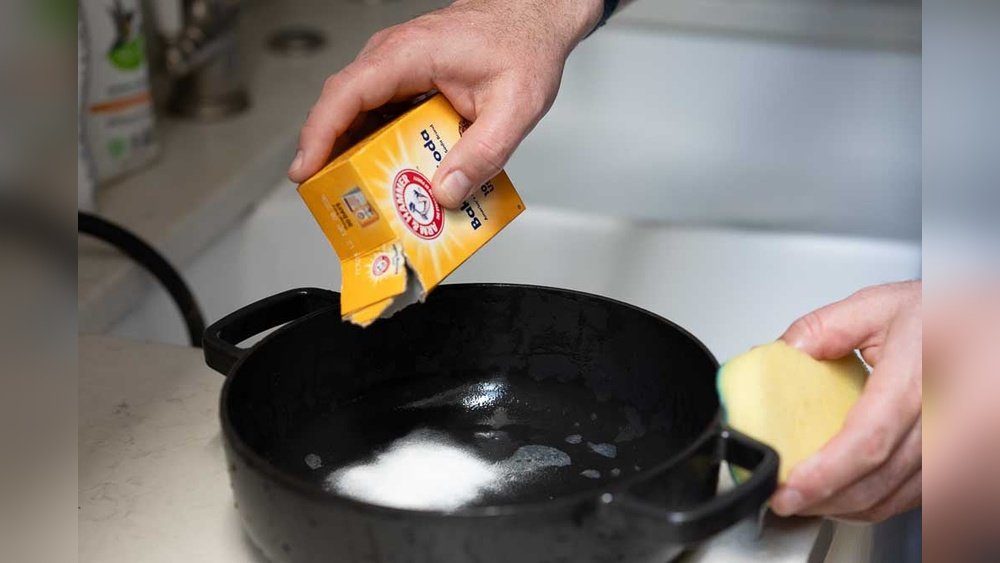
Use Baking Soda Paste
Baking soda paste is a simple and effective way to clean rust from cast iron skillets. It works by gently scrubbing away rust without damaging the pan. This method uses common household ingredients and takes little time.
The baking soda paste helps lift the rust and makes it easier to remove. It also deodorizes and cleans the surface, preparing it for seasoning. This technique is safe and suits most rusty cast iron skillets.
Prepare The Baking Soda Paste
Mix baking soda with a small amount of water. Stir until the mixture forms a thick paste. The paste should be easy to spread but not too runny.
Apply The Paste To The Rusty Skillet
Spread the baking soda paste over the rusted areas. Cover all spots with visible rust. Use a cloth or your fingers to apply the paste evenly.
Scrub The Rust Away
Use a scrub brush or a sponge to scrub the paste into the rust. Apply firm pressure but avoid scratching the pan. Continue scrubbing until rust starts to fade.
Rinse the skillet with warm water to remove the paste and rust particles. Dry the pan completely with a clean towel. Place it on the stove to evaporate any leftover moisture.
Rinse And Dry Thoroughly
Rinsing and drying your cast iron skillet thoroughly is a key step after removing rust. This step stops rust from coming back and keeps your skillet in good shape.
Water can cause rust fast if it stays on the pan. So, it is important to get rid of all the moisture right away. Careful drying also protects the skillet’s surface and prepares it for seasoning.
Rinse With Warm Water
Use warm water to rinse off any loose rust and debris. Warm water helps loosen particles better than cold water. Avoid using soap as it can strip the seasoning.
Make sure you rinse every corner of the skillet. Pay extra attention to any spots where rust was strong. This ensures all residue is washed away before drying.
Dry Immediately With A Towel
After rinsing, dry the skillet right away using a clean towel. Pat the surface until no water is visible. This step stops rust from forming again.
Use a thick cloth or paper towel to soak up moisture. Avoid air drying because it leaves the pan wet for too long. Quick drying is essential.
Heat To Evaporate Leftover Moisture
Place the skillet on a stove burner set to low heat. Let it warm for about 5 minutes to remove hidden moisture. Heat helps evaporate water trapped in pores or cracks.
Keep an eye on the pan to avoid overheating. Once the skillet is dry and warm, turn off the burner. This step ensures the pan is completely moisture-free.
Remove Residual Rust With Steel Wool
Removing residual rust from a cast iron skillet is a crucial step before seasoning. Steel wool works well for this task. It scrubs off rust without damaging the skillet’s surface.
This method prepares your skillet for a smooth, even seasoning. The process is straightforward and effective. It restores your skillet’s usability quickly.
Choose The Right Steel Wool
Use medium or fine-grade steel wool for rust removal. Avoid coarse grades that can scratch the skillet deeply. Fine steel wool gently removes rust while preserving the iron underneath.
Scrub The Rust Carefully
Apply firm pressure while scrubbing the rusty areas. Move in small, circular motions to lift rust flakes. Focus on spots with heavy rust buildup but cover the entire surface evenly.
Rinse the skillet under warm water after scrubbing. Remove all rust particles and steel wool residue. Dry the skillet immediately with a clean cloth or paper towel.
Place the skillet on a stove burner set to low heat. Heat for about 5 minutes to remove any leftover moisture. This step prevents new rust from forming quickly.
Read more: How to Clean Cookie Sheets: Easy Tips for Sparkling Results
Heat To Evaporate Moisture
Heating a rusty cast iron skillet is a simple way to remove moisture. Moisture causes rust to form and spread. Removing water helps stop rust from worsening.
Heating also prepares the pan for seasoning. It opens the pores of the metal to absorb oil better. This step is key to restoring your skillet’s surface.
Place The Skillet On The Stove
Put your skillet on a burner set to low or medium heat. Keep the heat gentle to avoid damage. Let the skillet warm slowly to evaporate water inside the metal.
Watch For Steam Or Water Droplets
Steam or small water drops show moisture is leaving the pan. This means the heat is working. Wait until no more steam rises before turning off the heat.
Use A Towel To Wipe The Skillet
After heating, carefully wipe the skillet with a dry cloth or paper towel. This removes any leftover dampness. Make sure the skillet feels dry to touch before proceeding.
Do Not Skip This Step
Drying your skillet well prevents new rust from forming. Even a little moisture can cause rust again. Heating is a safe, easy way to keep your cast iron dry.
Apply Seasoning Oil
After removing rust and thoroughly drying your cast iron skillet, applying seasoning oil is essential. This step restores the protective layer that prevents rust and creates a natural non-stick surface. Seasoning oil soaks into the pan’s pores, filling tiny cracks and rough spots.
Choose an oil with a high smoke point, such as flaxseed, vegetable, or canola oil. These oils polymerize well and form a durable coating. Applying oil evenly ensures the skillet cooks better and lasts longer.
Clean The Skillet Surface
Wipe the skillet with a clean cloth or paper towel to remove dust and debris. Make sure the surface is completely dry before applying oil. Any moisture left can cause rust to return quickly.
Apply A Thin Layer Of Oil
Pour a small amount of oil onto the skillet. Use a paper towel to spread it evenly across the entire surface, including the sides and handle. Avoid heavy layers; too much oil can create sticky spots.
Heat The Skillet To Set The Oil
Place the oiled skillet upside down in a preheated oven at 375°F (190°C). Put a baking sheet or foil below to catch drips. Bake for about one hour to allow the oil to bond with the metal.
Let The Skillet Cool Slowly
Turn off the oven and let the skillet cool inside. This helps the seasoning harden and stick well. Avoid sudden temperature changes that may cause cracking or warping.
Bake To Set Seasoning
Baking the cast iron skillet sets the seasoning layer firmly. This step helps create a strong, non-stick surface. It protects the skillet from rust and wear.
After cleaning and applying oil, place the skillet in the oven. Heat allows the oil to bond with the cast iron. This process is called polymerization.
Bake The Skillet At High Heat
Preheat your oven to 400-450°F (204-232°C). Place the skillet upside down on the oven rack. This prevents oil pooling inside the pan. Use aluminum foil on the lower rack to catch drips.
Bake For One Hour
Let the skillet bake for 60 minutes. This time allows the oil to harden and form a solid layer. Avoid opening the oven door often to keep the temperature steady.
Cool The Skillet Slowly
After baking, turn off the oven but leave the skillet inside. Let it cool naturally to room temperature. This helps the seasoning set well and last longer.
Read more: How to Clean Baking Sheets: Easy Tips for Sparkling Results
Maintain Your Skillet
Maintaining your cast iron skillet keeps it rust-free and cooking-ready. Regular care prevents rust build-up and extends the skillet’s life.
After cleaning, dry your skillet thoroughly. Moisture left on the surface invites rust quickly. Use a towel, then heat it on the stove for a few minutes.
Season Your Skillet Regularly
Seasoning creates a protective layer on the skillet’s surface. Apply a thin coat of cooking oil to the pan after drying. Heat it in the oven or on the stove until it smokes slightly. This process seals the surface and stops rust.
Store In A Dry Place
Moisture causes rust fast. Keep your skillet in a dry spot away from humidity. Avoid storing it with a lid on tight. Let air circulate to keep it dry.
Use Your Skillet Often
Cooking with your skillet often helps maintain its seasoning. The heat and oil used in cooking protect the surface. Each use improves the skillet’s non-stick quality and stops rust.
Avoid Common Mistakes
Cleaning a rusty cast iron skillet takes care and attention. Avoiding common mistakes helps protect your pan and improve its lifespan. Mistakes can cause more damage or make the rust worse. Follow these tips to clean your skillet the right way.
Never Soak The Skillet In Water
Soaking cast iron in water leads to more rust. The metal holds moisture and rust grows faster. Always rinse quickly and dry the skillet right away. Use a towel and heat the pan to remove all moisture.
Avoid Using Harsh Chemicals
Strong cleaners can strip the skillet’s seasoning. This damages the cooking surface and causes rust again. Use mild tools like steel wool or a scrub brush. Natural products such as baking soda work well for rust removal.
Do Not Skip Seasoning After Cleaning
Seasoning protects the skillet from rust and improves cooking. Always apply a thin layer of oil after cleaning. Heat the pan to bond the oil to the surface. Skipping this step leaves the pan vulnerable to rust.
Don’t Use Metal Utensils On A Restored Pan
Metal tools can scratch the seasoning layer. Scratches invite rust and make cleaning harder. Use wooden, silicone, or plastic utensils instead. Handle your skillet gently to keep it rust-free longer.
Frequently Asked Questions
Can A Badly Rusted Skillet Be Saved?
Yes, a badly rusted skillet can be saved by scrubbing off rust, rinsing, drying thoroughly, and re-seasoning it.
Can I Use Dawn To Clean Cast Iron?
Yes, you can use Dawn to clean cast iron gently. Use a small amount with warm water and scrub lightly. Rinse and dry thoroughly to prevent rust. Avoid soaking to protect seasoning.
What Should You Not Clean Cast Iron With?
Avoid cleaning cast iron with soap, steel wool, or harsh detergents. These damage seasoning and cause rust. Use gentle scrubbing and warm water instead.
Will Vinegar Take Rust Off Of Cast Iron?
Yes, vinegar can remove rust from cast iron due to its mild acidity. Soak the pan briefly, then scrub and re-season. Avoid prolonged soaking to prevent damage.
How Do I Remove Rust From A Cast Iron Skillet?
Scrub the rust with steel wool or a stiff brush using warm water. Dry it well and re-season the skillet to protect the surface.
Conclusion
Rust on a cast iron skillet does not mean the end. Clean the rust carefully using simple steps. Dry the pan well to stop more rust. Re-season the skillet to protect its surface. Regular care keeps the skillet strong and ready.
Enjoy cooking with your restored cast iron again. Cast iron can last a lifetime with good care. Don’t let rust keep you from using this great tool.
Read more: Best 8 Inch Nonstick Fry Pan Review: Top Picks for 2026