Wondering if you can freeze grated cheese and still keep it tasty? Can you freeze grated cheese without losing its texture or flavor? This guide also explains the best way to freeze shredded cheese so it stays fresh, easy to use, and ready for your favorite recipes. You’re not alone.
Cheese is a kitchen staple, but it can spoil faster than you’d like. Freezing grated cheese sounds like a smart way to save money and reduce waste, but you might worry about texture changes or clumping. The good news is—you can freeze grated cheese, and with a few simple tricks, it will stay fresh and easy to use whenever you need it.
Keep reading to discover how to freeze your grated cheese the right way, so you never have to toss out leftovers again!
Freezing Grated Cheese Basics
Grated cheese freezes well and keeps longer in the freezer. Freezing helps reduce waste and saves money. It also makes meal prep easier by having cheese ready to use.
Not all cheeses freeze the same way. Hard and semi-hard cheeses freeze better than soft cheeses. Proper preparation and storage are key to keeping grated cheese fresh.
How To Prepare Grated Cheese For Freezing
Grate cheese finely or coarsely, depending on your recipe needs. Toss the cheese with a small amount of cornstarch or flour. This stops the cheese from clumping during freezing.
Spread the cheese on a baking sheet lined with parchment paper. Freeze it until solid before transferring to a storage bag or container.
Best Storage Methods For Freezing Grated Cheese
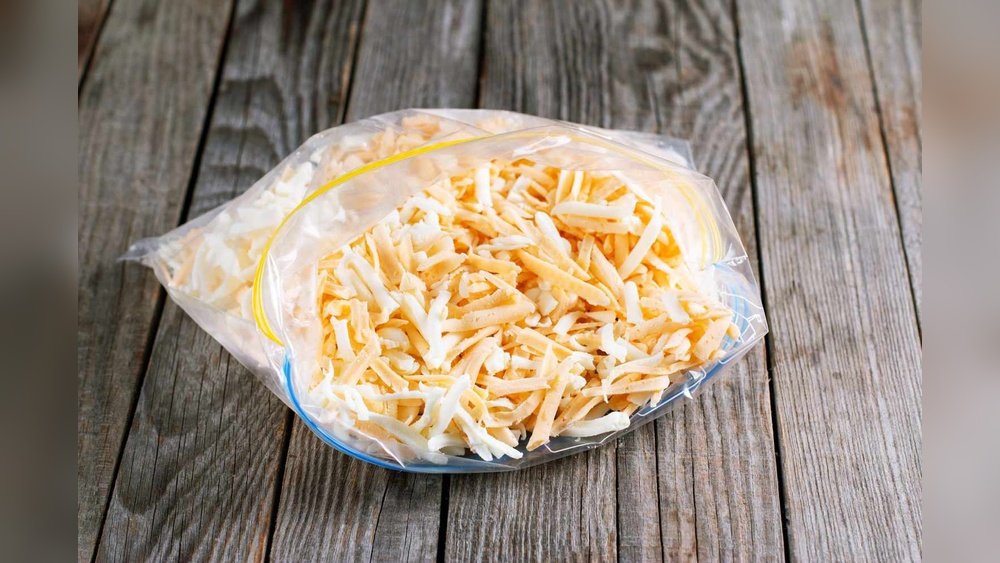
Use airtight freezer bags or containers for storage. Remove as much air as possible to prevent freezer burn. Label bags with the date to track freshness.
Divide cheese into small portions. This allows thawing only what is needed, reducing waste and keeping the rest fresh.
Types Of Cheese Suitable For Freezing
Hard cheeses like cheddar, Parmesan, and Swiss freeze well. Semi-hard cheeses such as mozzarella also freeze nicely. Soft cheeses with high moisture do not freeze well and can become grainy.
Choose cheese based on how you plan to use it after thawing. Hard cheeses are good for cooking and baking after freezing.
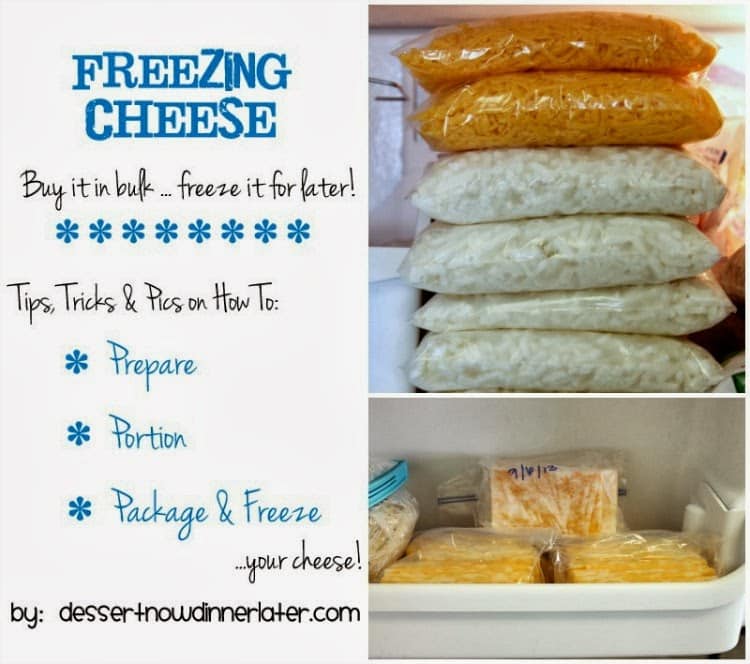
Credit: www.dessertnowdinnerlater.com
Cheese Types That Freeze Well
Freezing grated cheese can extend its shelf life. Some cheese types handle freezing better than others. Choosing the right cheese helps keep flavor and texture intact.
Hard and semi-hard cheeses freeze best. Their lower moisture content helps maintain quality after freezing.
Cheddar
Cheddar freezes very well. It keeps its flavor and melts smoothly. Grate the cheese before freezing for easy use. Toss with a little cornstarch to stop clumping.
Parmesan
Parmesan is ideal for freezing. It holds its taste and texture even after thawing. Freeze in small portions to add directly to dishes. Grated Parmesan works best in sauces and soups.
Mozzarella
Mozzarella freezes well, especially the low-moisture type. It may become crumbly but melts nicely. Freeze shredded mozzarella for pizzas and casseroles. Use within a few months for best results.
Swiss Cheese
Swiss cheese can freeze without much quality loss. It may slightly change texture but stays flavorful. Grate or slice before freezing. Perfect for sandwiches and melted dishes.
Cheeses To Avoid Freezing
Not all cheeses freeze well. Some lose texture and flavor after freezing. These cheeses should be avoided to keep your dishes tasty and fresh.
Fresh Cheeses
Fresh cheeses like ricotta, cream cheese, and cottage cheese have high moisture. Freezing changes their texture to crumbly and watery. They separate and become grainy after thawing.
Soft Cheeses
Soft cheeses such as brie, camembert, and goat cheese do not freeze well. Their creamy texture becomes rubbery or mealy. They also lose flavor quickly in the freezer.
Blue Cheeses
Blue cheeses like gorgonzola and roquefort have delicate molds. Freezing can kill these molds and alter taste. The texture becomes crumbly and dry after thawing.
Processed Cheeses
Processed cheese products often contain additives and emulsifiers. Freezing causes them to separate and become oily. Their texture and taste suffer the most.
Prepping Cheese For Freezing
Freezing grated cheese helps you keep it fresh longer. Proper preparation keeps the cheese’s taste and texture intact. Follow simple steps for best results.
Start by grating the cheese evenly. Smaller pieces freeze better and thaw quickly. This also helps prevent clumps during freezing.
Remove Excess Moisture
Pat the grated cheese dry with a clean paper towel. Moisture causes ice crystals and freezer burn. Removing moisture keeps the cheese fresh and tasty.
Prevent Clumping
Toss the grated cheese with a teaspoon of cornstarch or flour. This stops the shreds from sticking together. Spread cheese on a parchment-lined tray before freezing.
Use Airtight Packaging
Transfer the cheese to freezer-safe bags or containers. Squeeze out as much air as possible. Airtight packaging avoids freezer burn and preserves flavor.
Portion For Convenience
Divide cheese into small, meal-sized portions. This way, you thaw only what you need. It reduces waste and saves time during cooking.
Preventing Clumps In Frozen Cheese
Freezing grated cheese can cause the shreds to stick together. Clumps make it hard to use the cheese later. Preventing clumps keeps cheese easy to sprinkle or melt. Simple steps help keep grated cheese loose after freezing.
Coat Cheese With Cornstarch Or Flour
Lightly toss grated cheese with a small amount of cornstarch or flour. This coating absorbs moisture and stops shreds from sticking. Use about one teaspoon for every two cups of cheese. The powder creates a thin barrier around each shred.
Freeze Cheese On A Baking Sheet First
Spread grated cheese in a single layer on parchment paper. Place the sheet in the freezer for a few hours until the cheese hardens. This stops the shreds from freezing together in one big block. After freezing, transfer cheese to airtight bags.
Remove Excess Air In Storage Bags
Place the frozen cheese in freezer bags or containers. Press out as much air as possible before sealing. Air causes freezer burn and makes cheese clump more. Vacuum-sealed bags work best for keeping cheese fresh.
Divide Cheese Into Small Portions
Separate grated cheese into small bags or containers. Freeze in portions that fit your usual recipe needs. Thaw only what you need to avoid refreezing. Smaller portions reduce waste and keep cheese fresh longer.
Packaging Tips For Freezing Cheese
Freezing grated cheese properly helps keep its texture and flavor intact. Correct packaging prevents clumping and freezer burn. It also makes thawing easier and faster.
Follow simple packaging tips to freeze your cheese right. These steps save cheese quality and reduce waste.
Use Airtight Freezer Bags Or Containers
Choose airtight bags or containers to keep cheese fresh. These stop moisture and air from damaging the cheese. Remove as much air as possible before sealing.
Portion Cheese Before Freezing
Divide cheese into small portions for easy use. Freeze in meal-sized amounts to avoid thawing too much at once. This saves time and prevents waste.
Prevent Cheese Clumps
Toss grated cheese with a teaspoon of cornstarch or flour. This stops cheese shreds from sticking together. Spread cheese on parchment paper to freeze before bagging.
Label And Date Your Packages
Write the freezing date on each bag or container. This helps track how long cheese has been frozen. Use older cheese first to keep it fresh.
Freezing Store-bought Vs Homemade Cheese
Freezing grated cheese helps extend its shelf life. Both store-bought and homemade cheese can be frozen. Each type has unique qualities that affect freezing results.
Store-bought cheese is often processed and shredded uniformly. Homemade cheese varies in texture and moisture. These differences influence how well they freeze and thaw.
Freezing Store-bought Grated Cheese
Store-bought grated cheese usually contains anti-caking agents. These keep the cheese shreds separate during freezing. This reduces clumping and makes it easy to use later.
Packaging is often airtight and designed for freezing. This protects cheese from freezer burn. The cheese retains its texture and melts evenly after thawing.
Freezing store-bought cheese works well for most recipes. It is convenient and ready to use straight from the freezer.
Freezing Homemade Grated Cheese
Homemade grated cheese does not have anti-caking agents. It tends to clump together in the freezer. Tossing it with a little cornstarch or flour helps prevent this.
Spreading the cheese on a tray before freezing avoids clumps. Once frozen, transfer the cheese to airtight bags or containers. This method keeps the shreds loose and easy to portion.
Homemade cheese may have more moisture. This can affect texture after thawing. It is best used in cooked dishes rather than fresh servings.
Key Differences To Remember
Store-bought cheese freezes with less effort and better texture. Homemade cheese requires extra steps to prevent clumping. Both can be frozen successfully for later use.
Choosing the right method depends on how you plan to use the cheese. Proper storage and portioning improve the freezing experience for both types.
Thawing Frozen Grated Cheese
Thawing frozen grated cheese properly keeps its texture and flavor intact. It lets you enjoy your cheese without waste or mess. Follow simple steps to thaw your cheese safely and easily.
Thaw In The Refrigerator
Place frozen grated cheese in the fridge overnight. This slow thawing keeps moisture balanced and prevents sogginess. Avoid thawing at room temperature to reduce bacteria growth risks. Plan ahead to allow enough time for thawing.
Use Frozen Cheese Directly In Cooking
Many recipes allow adding grated cheese while still frozen. This method works well for melting in sauces or baking on dishes. Frozen cheese melts evenly and saves time. No need to thaw if cooking immediately.
Avoid Microwave Thawing
Microwaving frozen grated cheese often causes uneven thawing. Some parts may melt while others stay frozen. It can change the cheese texture, making it rubbery or clumpy. Stick to fridge thawing or use frozen cheese in recipes.
Using Frozen Cheese In Recipes
Frozen grated cheese works well in many dishes. It melts nicely and adds flavor without fuss.
Using frozen cheese saves time and reduces waste. It is handy for quick meals and snacks.
Cooking With Frozen Grated Cheese
Add frozen cheese directly to hot dishes like pasta, casseroles, or soups. It will melt as the food heats.
No need to thaw first. This speeds up cooking and keeps the cheese texture good.
Baking With Frozen Cheese
Use frozen grated cheese on pizzas, breads, or baked casseroles. It melts evenly and browns well.
Sprinkle frozen cheese right on top before baking for a tasty crust.
Thawing Frozen Cheese Safely
Thaw frozen cheese in the refrigerator if you want to use it cold. This keeps it fresh and firm.
Use thawed cheese within a few days for best taste and texture.
Combining Frozen Cheese In Cold Recipes
Frozen cheese is best for cooked dishes. Cold recipes like salads may have clumpy cheese.
Thaw and stir cheese well before adding it to cold foods like sandwiches or wraps.
Extending Cheese Shelf Life In Fridge
Keeping grated cheese fresh in the fridge can be a challenge. Cheese tends to dry out or grow mold quickly. Proper storage helps maintain its flavor and texture longer. Small steps make a big difference in preserving cheese quality.
Storing grated cheese properly slows down spoilage. It also prevents clumps and moisture buildup. Understanding the best methods can save money and reduce food waste.
Store In Airtight Containers
Use airtight containers or resealable bags to store grated cheese. This blocks moisture and air from reaching the cheese. Avoid using containers that are too large. Excess air inside speeds up spoilage.
Keep Cheese Dry
Moisture causes cheese to spoil faster. Before storing, pat grated cheese dry if needed. Avoid washing cheese with water. Store with a paper towel to absorb any extra moisture.
Use The Right Temperature
Store grated cheese in the coldest part of the fridge. Avoid the door where temperature changes often. Ideal fridge temperature is between 34°F and 38°F. This keeps cheese fresh and safe to eat.
Portion For Convenience
Divide grated cheese into small portions before storing. This avoids opening the whole batch frequently. Each time air enters, the cheese loses freshness. Small portions help keep the rest sealed and fresh longer.
:max_bytes(150000):strip_icc()/GettyImages-1396343217-c49ed1c37c574be58a0fd36b80067a8d.jpg)
Credit: www.southernliving.com
Frequently Asked Questions
Can I Freeze Store-bought Grated Cheese?
Yes, you can freeze store-bought grated cheese. Toss it with cornstarch to prevent clumping. Store in airtight bags, remove excess air, and portion before freezing. Thaw in the fridge or cook from frozen for best results.
What Cheeses Can You Not Freeze?
Soft cheeses like Brie, Camembert, and cream cheese do not freeze well. They become watery and grainy after thawing. Fresh cheeses such as ricotta, cottage cheese, and mozzarella also lose texture and firmness when frozen. Avoid freezing these for best taste and quality.
Is Shredded Cheese Still Good After Being Frozen?
Yes, shredded cheese stays good after freezing. Toss it with cornstarch to prevent clumping and store in airtight bags. Thaw in the fridge or use directly in cooking for best results. Freezing may slightly change texture but won’t affect taste or safety.
How To Store Grated Cheese In The Fridge Long Term?
Store grated cheese in an airtight container or resealable bag. Add a teaspoon of cornstarch to prevent clumping. Keep it in the fridge’s coldest section. Use within two weeks for best freshness. For longer storage, freeze the cheese in portions.
Can You Freeze Store-bought Grated Cheese?
Yes, store-bought grated cheese can be frozen safely. Make sure to remove excess air from the bag to avoid freezer burn. Portion it into smaller bags for easy use later.
Conclusion
Freezing grated cheese saves time and reduces waste. Toss with cornstarch to stop clumping. Store in airtight bags and remove excess air. Freeze in small portions for easy thawing. Use cheese straight from the freezer in cooked dishes. Texture may change slightly but flavor stays good.
Keep your cheese fresh longer with simple freezing steps. Enjoy your meals without worrying about spoiled cheese.
Read more: Best Kitchen Tools: Must-Have Gadgets for Every Home Chef