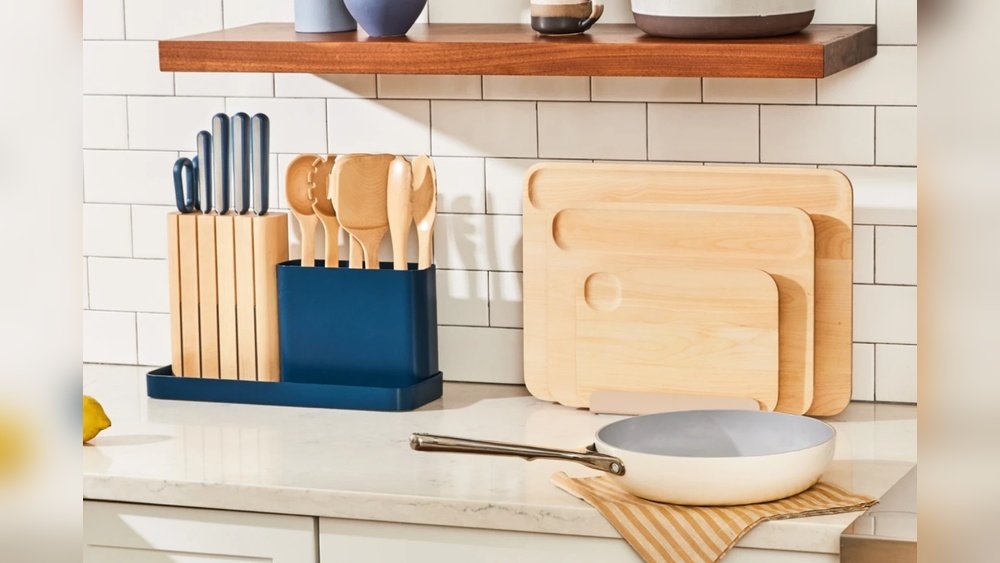
Choosing the right set of kitchen utensils can make a huge difference in how you cook every day. You want tools that feel comfortable, last a long time, and work perfectly with your cookware.
But with so many options out there, it’s easy to feel overwhelmed. What materials should you pick? Which utensils are truly essential? And how do you avoid buying a bulky set full of gadgets you’ll never use? This guide will help you cut through the noise.
By the end, you’ll know exactly how to choose a set of kitchen utensils that fits your cooking style, protects your pans, and keeps your kitchen clutter-free. Ready to upgrade your cooking game? Let’s get started.
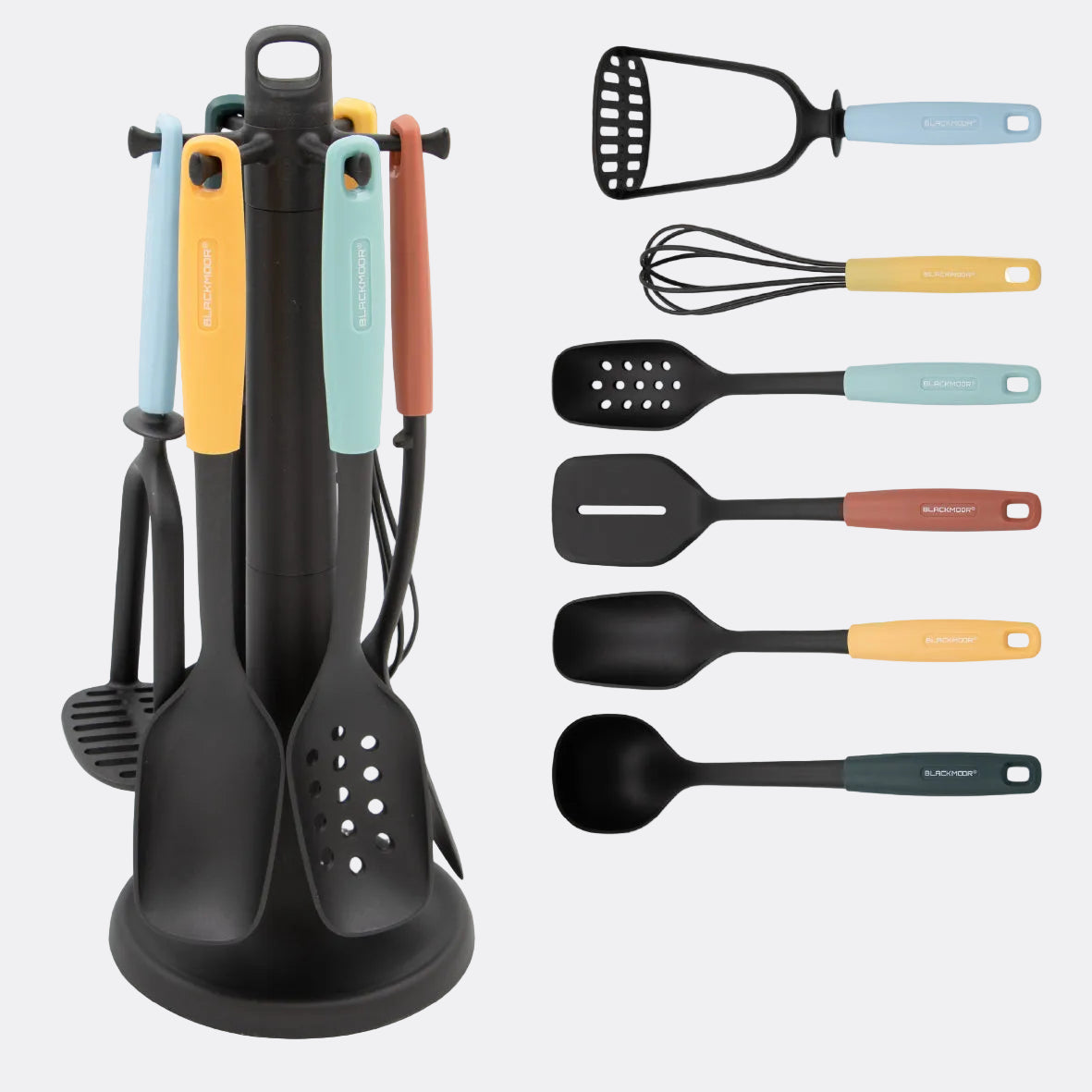
Credit: blackmoorhome.co.uk
Match Utensils To Cookware
Choosing the right utensils depends on the type of cookware you own. The materials in your cookware affect which utensils will work best. Using the wrong utensils can damage your pans or reduce their lifespan.
Match utensils carefully to keep your cookware safe and performing well. Different materials suit different cooking surfaces and styles.
Silicone Utensils For Non-stick Cookware
Silicone utensils work well with non-stick pans. They are soft enough to avoid scratching the coating. These utensils resist heat and do not melt easily. Silicone is safe and does not release harmful chemicals. Use silicone spoons, spatulas, and tongs to protect non-stick surfaces.
Wood Utensils For Heavy-duty Cooking
Wood utensils are strong and gentle on cookware. They do not scratch cast iron or stainless steel. Wood is good for stirring and scraping without damaging pans. These utensils need hand washing to avoid cracking. Choose wooden spoons and spatulas for thick sauces and stews.
Stainless Steel Utensils For Durability
Stainless steel utensils last a long time and resist heat well. They are dishwasher safe and easy to clean. Avoid using metal utensils on non-stick pans to prevent scratches. Use stainless steel tools with stainless steel or cast iron cookware for best results. They are perfect for flipping and stirring dense foods.
Nylon And Plastic Utensils For Budget-friendly Use
Nylon and plastic utensils are affordable and lightweight. These tools are safe for non-stick cookware but can melt if the heat is too high. Some plastics may contain harmful chemicals, so choose BPA-free options. Use nylon spatulas and spoons for light cooking tasks.
Core Utensils To Match Any Cookware
Focus on essential utensils that work well with your cookware. A solid or slotted spoon is good for stirring and serving. A turner or spatula helps flip delicate foods like eggs. A silicone scraper is great for baking and mixing tasks. Locking tongs offer control for turning and grabbing food. These five items cover most cooking needs.

Credit: hestanculinary.com
Choose Safe Materials
Maintaining your kitchen utensils properly extends their life and keeps them safe to use. Replacing worn-out tools at the right time prevents damage to your cookware and ensures efficiency in the kitchen.
Regular care helps avoid stains, rust, and warping. Simple cleaning and storage habits protect your utensils and save money over time.
Clean Utensils After Every Use
Wash utensils immediately after cooking. Use warm water and mild soap to remove food residue.
Dry them thoroughly to prevent rust and bacteria growth. Avoid soaking wooden utensils to protect the wood.
Store Utensils Properly
Keep utensils in a dry, well-ventilated place. Use utensil holders or drawer dividers to organize them.
Avoid piling heavy tools on top of delicate ones to prevent bending or breaking.
Inspect Utensils Regularly
Check utensils for cracks, loose handles, or worn edges. Damaged tools can be unsafe and less effective.
Replace any utensil that shows signs of wear or damage. This maintains safety and cooking quality.
Choose Quality Materials For Replacement
Select utensils made of durable, safe materials like silicone, stainless steel, or wood. These last longer and work better.
Avoid cheap plastic utensils that may melt or release chemicals at high heat.

Credit: sailsalemonline.com
Frequently Asked Questions
How To Choose The Right Kitchen Utensil Set?
Choose utensils matching your cookware material, prioritize durable unibody designs, and avoid single-use gadgets. Focus on essentials: solid spoon, turner, silicone spatula, ladle, and locking tongs. Consider storage space and multipurpose tools to reduce clutter. Select safe, heat-resistant materials like silicone for versatility.
What 6 Kitchen Tools Should You Throw Away?
Throw away melted or warped plastic tools, rusty knives, scratched non-stick pans, dull peelers, stained sponges, and broken wooden spoons.
What Utensils Should Every Kitchen Have?
Every kitchen should have a solid spoon, turner, silicone spatula, ladle, and locking tongs. Choose utensils matching your cookware materials for durability and safety. Silicone suits non-stick pans, wood works well for scraping, and stainless steel fits heavy-duty use. Avoid cheap plastics that melt or leach chemicals.
What Are The Healthiest Utensils To Use In The Kitchen?
Silicone utensils are the healthiest, heat-resistant, and safe for all cookware. Wooden tools avoid scratching but need hand washing. Stainless steel is durable but not for non-stick pans. Avoid nylon or plastic due to melting and chemicals. Choose utensils that match your cookware to stay safe and healthy.
What Materials Are Best For Kitchen Utensils?
Silicone is safe, heat-resistant, and good for all cookware types. Wood is sturdy but needs hand washing. Stainless steel is durable but can scratch non-stick pans.
Conclusion
Choosing the right kitchen utensils makes cooking easier and more enjoyable. Focus on materials that match your cookware to avoid damage. Pick durable tools like silicone or wood for versatility and safety. Keep your set simple with essential items like a spoon, spatula, tongs, and ladle.
Avoid extra gadgets you won’t use often. Think about your kitchen space before buying to keep things organized. A well-chosen utensil set saves time and helps create great meals every day.