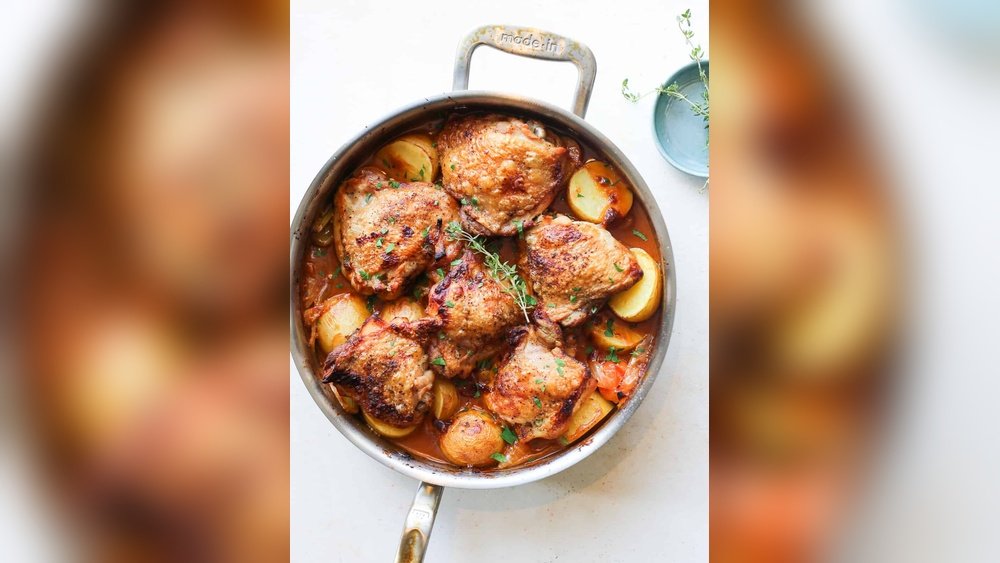
Cooking chicken in a saucepan might sound simple, but getting it just right juicy, flavorful, and perfectly cooked can be tricky. Learning How to Cook Chicken in a Saucepan is a simple way to make tender, flavorful chicken, and this saucepan chicken recipe can help you get reliable results without drying it out. If you’ve ever ended up with dry or unevenly cooked chicken, you’re not alone.
The good news? With a few easy steps, you can master the art of cooking chicken in a saucepan that tastes like it came from your favorite restaurant. Whether you’re a beginner or just looking to improve your skills, this guide will walk you through everything you need to know.
Ready to transform your chicken dinners? Let’s dive in and make your next meal a delicious success.
Choosing The Right Chicken Cut
Preparing chicken before cooking it in a saucepan sets the foundation for a tasty dish. Proper prep ensures even cooking and enhances flavor. It also helps keep the chicken juicy and tender.
Simple steps like cleaning, trimming, and seasoning make a big difference. These steps take only a few minutes but improve the final result.
Cleaning And Trimming The Chicken
Start by rinsing the chicken under cold water. Pat it dry with paper towels to remove excess moisture. This helps the chicken brown better in the pan.
Trim off any fat, skin, or leftover bones. Removing these parts prevents uneven cooking and unwanted textures. Use a sharp knife to get clean cuts.
Cutting Chicken Into Even Pieces
Cutting the chicken into similar-sized pieces helps it cook evenly. Large pieces take longer and small pieces cook too fast. Aim for uniform thickness, about one inch thick.
Use a sharp knife and cut across the grain for tender bites. If cooking whole breasts, consider slicing them in half horizontally.
Seasoning The Chicken
Season the chicken before cooking to boost flavor. Sprinkle salt and pepper on both sides. Add simple spices like garlic powder or paprika for extra taste.
Rub the seasoning gently into the meat. This helps the flavors stick during cooking. Avoid over-seasoning to keep the taste balanced.
Preparing Chicken For Cooking
Choosing the right saucepan makes cooking chicken easier and better. The right pan helps cook chicken evenly and keeps it juicy. Picking a good saucepan affects the taste and texture of your dish.
Consider the size, material, and shape of the pan. These factors impact how heat spreads and how the chicken cooks. A suitable saucepan gives you control over cooking and helps avoid burning or undercooking.
Size Matters For Even Cooking
Pick a saucepan that fits the chicken pieces without crowding. Crowded pans trap steam and cause uneven cooking. A 3 to 4-quart pan works well for most chicken recipes. It offers enough space to turn the chicken easily.
Material Affects Heat Distribution
Look for pans made of stainless steel or heavy-duty aluminum. These materials spread heat evenly and prevent hot spots. Avoid thin pans, as they can burn chicken quickly. Nonstick pans help with easy cleanup but may not brown chicken well.
Choose A Pan With A Lid
A lid locks in moisture and helps cook chicken faster. It keeps the sauce thick and flavors rich. Clear lids let you watch the chicken without lifting the cover. This stops heat loss and keeps cooking steady.
Check The Handle For Comfort
Handles should feel sturdy and stay cool during cooking. A good grip helps move the pan safely. Avoid loose or plastic handles that might melt or break. Metal handles last longer and work well in the oven.
Essential Seasoning Tips
Adjusting heat is key to cooking chicken evenly in a saucepan. Too high heat burns the outside while leaving the inside raw. Too low heat cooks slowly and can dry the chicken. Finding the right balance creates juicy, tender meat with a nice golden crust.
Start with medium-high heat to sear the chicken and lock in juices. Once browned, lower the heat to medium or medium-low to finish cooking through without burning. This step helps maintain moisture and flavor.
Read more: How to Cook a Turkey With a Roasting Pan: Perfect, Juicy Results
Why Control Heat Matters
Heat control prevents uneven cooking and tough texture. High heat cooks the outside fast but leaves the center raw. Low heat cooks through but may make chicken dry or rubbery. Adjusting heat ensures the chicken cooks evenly and stays juicy.
How To Adjust Heat During Cooking
Begin on medium-high to get a good sear. After flipping the chicken, reduce heat to medium. Use medium-low heat to gently cook thicker pieces. Watch closely and change heat if the chicken cooks too fast or too slow.
Signs To Lower Or Raise Heat
Lower heat if chicken browns too quickly or smoke appears. Raise heat if chicken takes too long to cook or looks pale. Listen for a gentle sizzle, not a loud crackle. Adjust heat often for best results.
Selecting The Perfect Saucepan
Covering and simmering are key steps in cooking chicken in a saucepan. These techniques help the chicken cook evenly and stay moist. The lid traps heat and steam, creating a gentle cooking environment. Simmering uses low heat to cook the chicken slowly, preserving its tenderness. Understanding how to cover and simmer properly makes a big difference in your dish.
Choosing The Right Lid
Select a lid that fits your saucepan snugly. A tight lid holds steam and heat inside. This speeds up cooking and keeps moisture locked in. Avoid loose lids; they let steam escape and dry out the chicken. If you do not have a lid, use aluminum foil to cover the pan.
Maintaining A Gentle Simmer
Keep the heat low to maintain a gentle simmer. A simmer shows small bubbles rising slowly to the surface. Avoid boiling, which is too harsh and can toughen the chicken. Adjust the stove’s heat to keep a steady simmer. This slow cooking helps the chicken absorb flavors from the sauce.
Monitoring Moisture Levels
Check the liquid level in the pan while cooking. The sauce should cover the chicken halfway or more. If the sauce reduces too much, add a little water or broth. Keeping enough liquid prevents the chicken from drying out. Stir gently to avoid breaking the chicken pieces.
Preheating The Pan Properly
Serving chicken cooked in a saucepan opens many tasty options for pairing and presentation. Simple sides and fresh ingredients can turn your meal into a feast. These ideas suit any taste and add color, flavor, and texture.
Vegetable Side Dishes
Steamed green beans or roasted broccoli add crunch and freshness. Sautéed spinach with garlic pairs well with the mild flavor of chicken. Roasted carrots or a simple salad with mixed greens complete the plate nicely.
Grains And Starches
Fluffy white rice or brown rice soak up sauces perfectly. Mashed potatoes add creamy texture that balances the dish. Quinoa or couscous provide a light, nutty flavor that complements chicken well.
Sauces And Condiments
Drizzle a lemon butter sauce for a bright, tangy finish. Creamy mushroom sauce adds richness and depth. A simple tomato salsa or fresh herb pesto adds fresh, vibrant notes.
Beverage Pairings
Light white wines like Sauvignon Blanc enhance mild chicken flavors. Iced tea or sparkling water with lemon refresh the palate. For a cozy meal, a warm cup of herbal tea works well.
Read more: What is Braising: Master This Essential Cooking Technique Today
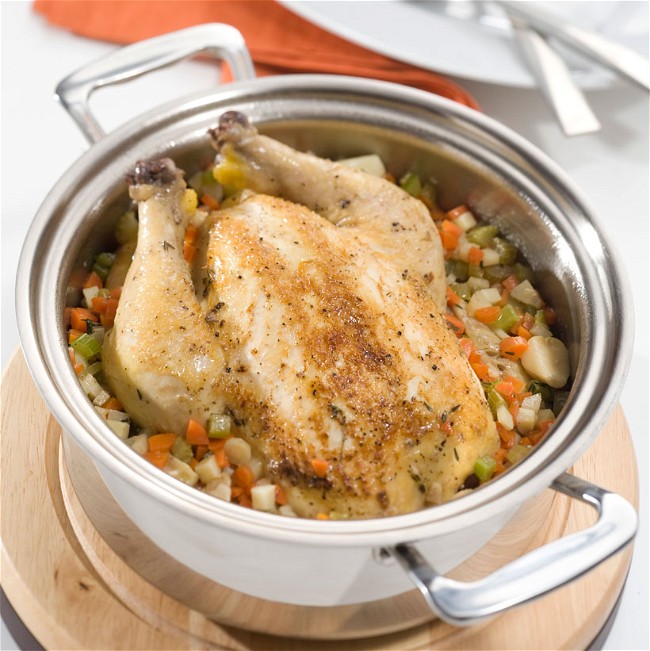
Credit: www.360cookware.com
Frequently Asked Questions
How To Cook Chicken For Diabetics?
Cook skinless chicken using healthy oils like olive oil. Season with herbs and spices, then pan-sear or bake until fully cooked. Avoid breading or sugary sauces. Serve with non-starchy vegetables to maintain balanced blood sugar.
How To Cook Chicken For Someone With Gastritis?
Cook skinless chicken by boiling, baking, or steaming without spices or acidic ingredients. Use gentle herbs like ginger or turmeric. Avoid frying and heavy oils to reduce irritation. Keep portions small and serve with bland sides like rice or steamed vegetables.
How To Cook Chicken Breast To Lower Cholesterol?
Cook skinless chicken breast by grilling, baking, or pan-searing with minimal oil. Use heart-healthy oils like olive oil. Avoid frying. Season with herbs and spices instead of salt. Remove visible fat before cooking. These methods help lower cholesterol while keeping chicken flavorful and moist.
How To Cook Chicken For Fatty Liver?
Cook skinless chicken breast in a nonstick pan using minimal olive oil. Season lightly with herbs and spices. Avoid frying; bake, grill, or steam instead. Ensure chicken reaches 165°F internally for safety. Choose low-sodium, low-fat recipes to support fatty liver health.
How Long Should I Cook Chicken In A Saucepan?
Cook chicken for about 6-8 minutes per side on medium heat. Check that the internal temperature reaches 165°F for safety. Cooking time varies by thickness.
Conclusion
Cooking chicken in a saucepan is simple and quick. Use fresh chicken and season it well for best taste. Keep the heat moderate to cook evenly and avoid burning. Flip the chicken only once to get a nice crust. Add a bit of butter or oil to keep it juicy.
Check the chicken’s internal temperature to ensure it’s fully cooked. With these easy steps, you can make a delicious meal anytime. Enjoy your homemade chicken that’s tender, flavorful, and safe to eat. Give it a try and see how easy it is!
Read more: How to Make a Double Boiler: Easy Steps for Perfect Melting