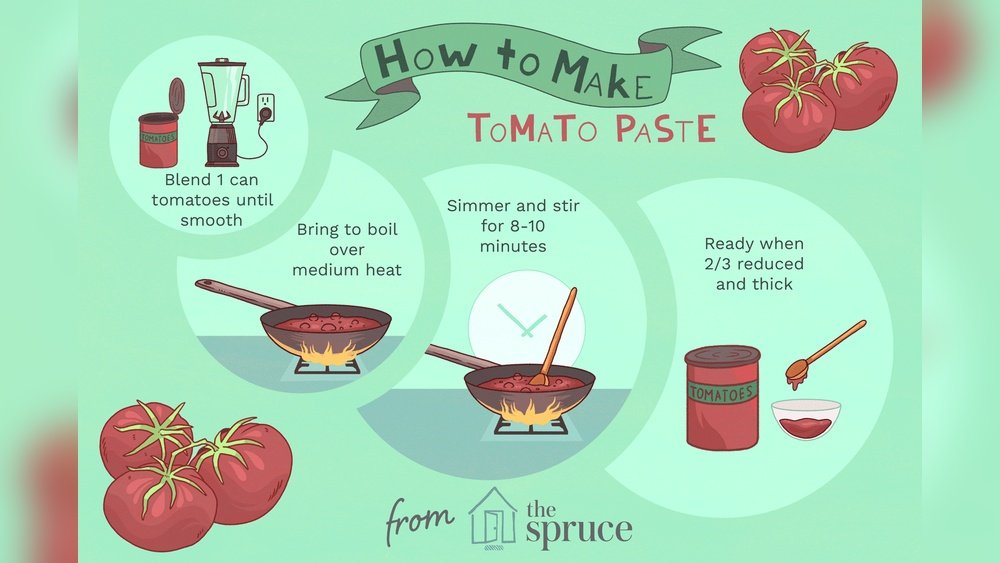
Craving rich, homemade tomato sauce but only have tomato paste on hand? You’re in the right place.
Making tomato sauce from tomato paste is easier than you think, and it saves you time and money while delivering big flavor. In this guide, you’ll discover simple steps to transform that thick paste into a delicious, versatile sauce perfect for pasta, pizza, or any dish that needs a burst of tomato goodness.
Ready to turn your pantry staple into a kitchen hero? Let’s get started!
Why Use Tomato Paste
Tomato paste is a key ingredient for making tomato sauce from scratch. It offers a rich, concentrated tomato flavor that fresh tomatoes often cannot match. Using tomato paste saves time while delivering a deep and robust taste.
Tomato paste provides a thick texture that forms a great base for any sauce. It helps achieve the perfect consistency without watering down the flavors. This makes it easier to control the sauce’s thickness as you cook.
Another benefit is its long shelf life. Tomato paste stores well in the pantry or fridge, making it a convenient pantry staple. You can always have it ready to make a quick sauce without buying fresh tomatoes.
Intense Tomato Flavor
Tomato paste is made by cooking tomatoes for a long time. This process removes most water and concentrates the flavor. It gives your sauce a strong, rich tomato taste that fresh tomatoes often lack.
Thickens Sauce Easily
Tomato paste is thick and dense. It naturally thickens your sauce without extra flour or cornstarch. This allows for a smooth, velvety texture that clings to pasta and other dishes.
Convenient And Long-lasting
You can keep tomato paste unopened for months. It stores easily in cans or tubes. This means less waste and fewer trips to the store. It is ready to use anytime you want a quick sauce.
Customizable Base
Tomato paste acts as a blank canvas for flavors. You can add garlic, herbs, spices, and oils to build your own sauce. It adapts well to many recipes, from simple pasta sauce to complex stews.

Credit: zerowastechef.com
Essential Ingredients
Creating tomato sauce from tomato paste requires a few key ingredients. These essentials transform thick paste into a flavorful sauce. Each ingredient adds its own unique taste and texture.
Keep the ingredient list simple. This helps balance flavors without overpowering the sauce. Using fresh and quality items improves the final result.
Tomato Paste
Tomato paste forms the base of your sauce. It is thick and concentrated, packed with rich tomato flavor. Use a good quality paste for the best taste.
Water Or Broth
Water thins the tomato paste to sauce consistency. Broth adds extra flavor and depth. Add slowly while stirring to avoid lumps.
Olive Oil
Olive oil adds richness and smoothness to the sauce. It helps blend the flavors together. Use extra virgin olive oil for a fresher taste.
Garlic
Garlic gives the sauce a fragrant and slightly spicy note. Fresh minced garlic works best. Cook it lightly in oil to release aroma.
Salt And Sugar
Salt enhances the tomato’s natural flavors. Sugar balances acidity and bitterness. Use small amounts and adjust to taste.
Herbs And Spices
Italian seasoning, basil, or oregano add classic flavor. Red pepper flakes can add mild heat. Fresh or dried herbs both work well.
Tools You’ll Need
Making tomato sauce from tomato paste requires just a few simple tools. These tools help blend, cook, and season the sauce easily. Having the right equipment makes the process smooth and enjoyable.
Gathering these tools before you start saves time and effort. Each item has a clear role in creating a delicious sauce.
Mixing Bowl
A medium-sized mixing bowl helps combine tomato paste with water. It makes stirring easier and prevents spills.
Whisk Or Spoon
Use a whisk or a spoon to mix the ingredients well. A whisk breaks up lumps and creates a smooth sauce.
Measuring Cups And Spoons
Accurate measuring cups and spoons ensure the right balance of water and seasonings. This keeps the sauce consistent every time.
Saucepan
A small saucepan is perfect for simmering the sauce. It heats the mixture evenly without burning the paste.
Wooden Spoon Or Silicone Spatula
Stir the sauce while it cooks with a wooden spoon or silicone spatula. These tools resist heat and do not scratch the pan.
Stove Or Heat Source
A reliable stove or heat source is necessary to simmer the sauce. Low to medium heat works best for thickening the sauce slowly.
Preparing The Base
Preparing the base is the first step to make tomato sauce from tomato paste. This stage builds the flavor and texture. A good base ensures your sauce tastes rich and smooth.
Start with simple ingredients. Tomato paste is thick and concentrated. You need to dilute it properly to create a sauce-like consistency. Adding water slowly helps achieve the right texture.
Gather Your Ingredients
Use tomato paste, water, olive oil, and basic seasonings. Salt and sugar balance the acidity. Italian herbs like basil or oregano add aroma and depth. Fresh garlic or onion can boost flavor too.
Heat The Olive Oil
Warm olive oil in a pan over medium heat. This step releases the oil’s natural aroma. It also helps blend the tomato paste better. Avoid heating oil too much to prevent burning.
Add Tomato Paste
Put tomato paste into the warm oil. Stir and cook it for 1-2 minutes. This process enhances the paste’s flavor. It removes the raw taste and brings out a richer color.
Slowly Add Water
Pour water gradually while stirring. Whisk or use a spoon to mix well. The sauce will start to loosen and become smooth. Adjust water amount to reach your preferred thickness.
Season The Sauce
Add salt, a pinch of sugar, and dried herbs. Stir to combine all flavors. These simple additions bring balance to the sauce. Let the sauce simmer gently for 10-15 minutes.
Diluting Tomato Paste
Tomato paste is thick and concentrated. Diluting it correctly creates a smooth sauce. Water is the main ingredient for thinning tomato paste. The right amount of water transforms paste into sauce without losing flavor.
Use warm water for better mixing. Cold water can cause clumps. Stirring well while adding water helps to blend the paste evenly. The sauce should have a pourable consistency but still feel rich.
Dilution Ratio For Tomato Paste
Start with one part tomato paste to two parts water. This ratio works well for most recipes. Adjust water based on how thick or thin you want the sauce. Add water gradually to avoid making the sauce too watery.
Mixing Techniques For Smooth Sauce
Use a whisk or spoon to stir the paste and water. Stir briskly to break up lumps. Whisking helps to incorporate air, making the sauce lighter. Keep stirring until the mixture looks uniform and smooth.
Adjusting Thickness After Dilution
Simmer the sauce on low heat to thicken it. Heat helps evaporate excess water. Stir often to prevent sticking and burning. If the sauce is too thick, add a little more water slowly. Taste and adjust seasoning if needed.
Simmering To Develop Flavor
Simmering tomato sauce made from tomato paste helps develop rich flavors. This slow cooking process blends all ingredients well.
Simmering softens the tomato paste and deepens the taste. It allows spices and seasonings to mix fully.
Control The Heat For A Gentle Simmer
Keep the sauce at low heat. A gentle simmer avoids burning or sticking to the pan.
Watch for small bubbles forming around the edges. This signals a perfect simmer.
Stir Often To Prevent Burning
Stirring stops the sauce from sticking. It also helps heat spread evenly.
Use a wooden spoon or heat-safe spatula for gentle mixing.
Simmer Time: How Long To Cook
Simmer the sauce for 20 to 30 minutes. This time develops deep, balanced flavors.
Longer simmering thickens the sauce and intensifies taste.
Adjust Consistency While Simmering
Add water little by little if the sauce becomes too thick. Stir well after each addition.
Simmer until the sauce reaches the desired thickness and smoothness.
Seasoning Tips
Seasoning tomato sauce made from tomato paste transforms it from basic to delicious. Simple spices and herbs bring out rich, deep flavors. Use fresh and dried ingredients for the best taste.
Balancing salty, sweet, and savory notes is key. Taste as you go to find the perfect blend. Small changes in seasoning make a big difference in flavor.
Start With Salt And Sugar
Salt enhances the natural tomato flavor. Add it little by little to avoid over-salting. Sugar cuts acidity and balances tartness. A small pinch can soften harsh flavors.
Use Italian Herbs
Basil, oregano, and thyme are classic tomato sauce herbs. Dried herbs work well in simmered sauces. Fresh herbs can be added at the end for a bright touch.
Add Garlic And Onion Powder
Garlic powder adds warmth without overpowering. Onion powder gives a subtle sweetness and depth. These spices blend smoothly into the sauce.
Try Red Pepper Flakes
For a mild kick, sprinkle in red pepper flakes. They add heat and complexity. Adjust the amount based on your heat preference.
Finish With A Splash Of Olive Oil
Olive oil adds richness and smoothness. Stir it in at the end of cooking. It also helps carry flavors across the sauce.

Credit: cucinanicolina.com
Adding Herbs And Spices
Adding herbs and spices transforms plain tomato paste into a rich sauce. These ingredients bring depth and aroma that excite the taste buds. Simple herbs can create bold flavors in your sauce.
Choosing the right herbs and spices helps balance acidity and sweetness. Fresh or dried herbs both work well. A good mix enhances the sauce without overpowering it.
Using Basil For Freshness
Basil adds a sweet and slightly peppery flavor. Fresh basil leaves give a bright, herbal note. Add them near the end of cooking to keep their aroma strong.
Oregano For Classic Taste
Oregano delivers a warm, earthy taste common in tomato sauces. Dried oregano blends easily and holds flavor during simmering. It pairs well with garlic and onion.
Garlic Powder And Onion Powder
Garlic powder adds a mild, roasted garlic flavor. Onion powder brings a subtle sweetness and depth. Both powders dissolve quickly and mix evenly in the sauce.
Red Pepper Flakes For Heat
Red pepper flakes add a touch of spicy heat. Use sparingly to avoid overwhelming the sauce. They lift the flavor profile and add warmth.
Salt And Sugar To Balance
Salt enhances all other flavors in the sauce. A pinch of sugar cuts acidity and rounds out the taste. Adjust both to suit your preference.
Balancing Acidity And Sweetness
Balancing acidity and sweetness is key to making tomato sauce from tomato paste taste fresh and smooth. Tomato paste is naturally acidic, so controlling that sharpness creates a better flavor. Sweetness helps soften the acidity and rounds out the taste. Achieving the right balance improves your sauce’s richness and appeal.
Understanding Tomato Paste Acidity
Tomato paste is concentrated, which makes it quite acidic. This acidity can taste harsh if not managed well. It affects the overall flavor and can overpower other ingredients. Knowing this helps you adjust your sauce for a milder, more pleasant taste.
Using Sugar To Counteract Acidity
Adding a small amount of sugar reduces sharpness in the sauce. Sugar balances the sour notes naturally found in tomato paste. Start with a teaspoon and taste as you cook. Sweetness should complement, not overpower, your sauce.
Incorporating Natural Sweeteners
Natural sweeteners like carrots or onions add subtle sweetness. Cook them until soft to release their sugars. These ingredients enhance flavor without adding refined sugar. They also contribute to the sauce’s texture and aroma.
Adjusting With Salt And Herbs
Salt helps bring out the sauce’s natural flavors and reduces bitterness. Herbs like basil and oregano add depth and complexity. Both work together to create a balanced, flavorful sauce. Season gradually and taste often for best results.
Read more: How to Use a Slow Cooker: Ultimate Guide for Easy, Tasty Meals
Adjusting Sauce Consistency
Adjusting the consistency of tomato sauce made from tomato paste is key to achieving the perfect texture. Tomato paste is very thick and concentrated. It needs to be thinned out to create a smooth, pourable sauce. The right consistency depends on how you plan to use the sauce. For pasta, a thinner sauce works best. For pizza or dipping, a thicker sauce may be preferred.
Controlling the thickness helps the sauce coat your food evenly. It also affects the sauce’s flavor and cooking time. Making small changes while stirring lets you find the ideal balance. Here are simple ways to adjust your sauce’s consistency.
Adding Water Gradually
Start by adding a small amount of water to the tomato paste. Stir well to blend the paste and water together. Keep adding water little by little. Stir after each addition to check the texture. This prevents the sauce from becoming too thin.
Use warm water to help the paste dissolve faster. Stop adding water once the sauce reaches your desired thickness. For a smooth pasta sauce, aim for a consistency similar to ketchup.
Simmering To Thicken
If your sauce is too thin, simmer it gently on low heat. Let the sauce cook uncovered to evaporate excess water. Stir occasionally to avoid burning. Simmering concentrates the flavors and thickens the sauce naturally.
Check the sauce every few minutes. Remove from heat once it thickens enough. This method improves the sauce’s taste and texture without adding extra ingredients.
Using Tomato Juice Or Broth
Replace water with tomato juice or vegetable broth for extra flavor. These liquids thin the sauce but also add depth to the taste. Tomato juice keeps the sauce more tomato-forward. Broth adds a savory note.
Add these liquids slowly, just like with water. Stir well and adjust the amount to reach the right consistency. This option works well if you want richer sauce flavor.
Read more: How to Cook a Turkey With a Roasting Pan: Perfect, Juicy Results
Boosting Flavor With Extras
Tomato paste forms a great base for tomato sauce but lacks depth of flavor. Boosting flavor with extras turns simple sauce into something special. Small additions create big differences in taste and aroma. These extras enhance natural tomato richness and make your sauce more delicious.
Garlic And Onion
Sauté minced garlic and chopped onion in olive oil first. This adds a savory base and sweet aroma. Cook until soft and fragrant before adding tomato paste. These ingredients bring warmth and depth to your sauce.
Herbs And Spices
Add dried or fresh herbs like basil, oregano, or thyme. A pinch of red pepper flakes adds gentle heat. Season with salt and a little sugar to balance acidity. These enhance the sauce’s complexity and freshness.
Olive Oil And Butter
Use good quality olive oil for a fruity note. Stir in a small knob of butter at the end for richness. These fats smooth the sauce and improve texture. They also carry the flavors well, making every bite taste better.
Vegetables And Broth
Add finely grated carrots or bell peppers for natural sweetness. Use vegetable or chicken broth instead of water for more depth. These extras add body and subtle flavor layers to the sauce. They make it taste homemade and hearty.
:max_bytes(150000):strip_icc()/classic-tomato-pasta-sauce-recipe-3992836-hero-01-8ad6cb1d12564635a23a0bfcdaee9980.jpg)
Credit: www.thespruceeats.com
Common Mistakes To Avoid
Making tomato sauce from tomato paste is simple but easy to mess up. Avoiding common mistakes will save time and improve flavor. Many cooks either overwater the paste or skip important seasoning steps. These errors lead to thin, bland sauces that disappoint. Focus on key points to get rich, tasty results every time.
Overwatering The Tomato Paste
Adding too much water thins out the sauce. The flavor becomes weak and watery. Use just enough water to reach the right sauce consistency. Start with a small amount and add more if needed. Stir well to blend the paste and water smoothly.
Skipping The Simmering Step
Not simmering the sauce long enough leaves a raw taste. Simmering helps develop deep, rich flavors. Let the sauce cook gently on low heat for at least 10 minutes. Stir occasionally to prevent burning and blend the ingredients well.
Ignoring Seasoning
Tomato paste alone tastes sour and flat. Salt, sugar, and herbs bring balance and depth. Add salt to enhance flavor. A pinch of sugar reduces acidity. Italian seasoning or basil adds freshness. Taste the sauce and adjust seasonings carefully.
Read more: How to Clean Cookie Sheets: Easy Tips for Sparkling Results
Not Frying The Tomato Paste First
Frying the paste in oil unlocks its full flavor. It caramelizes the sugars and softens the acidity. Heat olive oil in a pan, then cook the paste for a couple of minutes. This step makes the sauce richer and more aromatic.
Using Low-quality Tomato Paste
The sauce quality depends on the paste used. Cheap pastes can taste metallic or bland. Choose a good brand with pure tomato and no fillers. Check the label for natural ingredients. Better paste means better sauce.
Storing Your Sauce
Tomato sauce made from tomato paste is a versatile ingredient in many dishes. It adds rich flavor and a smooth texture. This sauce works well in various recipes. Its concentrated taste enhances simple meals.
Using this sauce saves time and effort. It blends easily with other ingredients. It also thickens dishes without extra cooking. Here are some ways to use tomato sauce in your kitchen.
Using Tomato Sauce For Pasta
Tomato sauce is perfect for pasta dishes. Toss cooked pasta with the sauce for a quick meal. Add herbs like basil or oregano for extra flavor. Sprinkle cheese on top to finish the dish.
Adding Tomato Sauce To Soups
Tomato sauce can enrich many soups. Stir it into vegetable or minestrone soup. It gives a deep tomato flavor and vibrant color. Heat gently to blend the flavors well.
Enhancing Meat Dishes With Tomato Sauce
Use tomato sauce as a base for meat dishes. It works great with meatballs, chicken, or beef. Simmer the sauce with the meat for a tender, tasty meal. Add spices to suit your taste.
Making Pizza Sauce
Tomato sauce from paste is ideal for pizza. Spread it on your pizza dough before adding toppings. The sauce cooks quickly and stays moist. It creates a classic, delicious pizza base.
Using Sauce In Recipes
Tomato paste is a great base for quick tomato sauce. It saves time and still tastes fresh. Small changes can create different flavors. These quick variations keep your sauce exciting and easy.
Garlic And Herb Boost
Start by sautéing minced garlic in olive oil. Add tomato paste and water. Stir in dried oregano, basil, and thyme. Simmer for 10 minutes. This adds a classic Italian taste to your sauce.
Spicy Kick
Add red pepper flakes or chili powder to the tomato paste mixture. Use a little at first. Adjust heat to your liking. This variation gives your sauce a warm, spicy flavor that pairs well with pasta.
Sweet And Tangy
Mix in a teaspoon of sugar or honey. Add a splash of vinegar or lemon juice. This balances the acidity of the tomato paste. The sauce turns sweeter with a slight tang.
Read more: How to Clean Baking Sheets: Easy Tips for Sparkling Results
Smoky Flavor
Stir in a small amount of smoked paprika or chipotle powder. Use olive oil to cook the tomato paste. This gives the sauce a deep, smoky taste. Perfect for barbecue dishes or grilled meats.
Vegetable Blend
Chop onions, bell peppers, or carrots finely. Sauté in olive oil before adding tomato paste. This adds texture and natural sweetness. It makes the sauce heartier and more nutritious.
Frequently Asked Questions
How Do You Turn Tomato Paste Into Tomato Sauce?
Mix tomato paste with water, stirring until smooth. Add salt, sugar, and Italian seasoning. Simmer gently for 10-15 minutes.
How To Make 8 Oz Of Tomato Sauce With Tomato Paste?
Mix 2 tablespoons of tomato paste with 1 cup (8 oz) of water. Stir well, simmer, and season to taste.
How Much Water To Add To Tomato Paste To Get Tomato Sauce?
Add about 1 cup of water to every 6 ounces of tomato paste. Stir well and simmer to create smooth tomato sauce.
How Much Tomato Paste Equals 1 Can Of Tomato Sauce?
To replace 1 can (15 ounces) of tomato sauce, mix 6 tablespoons of tomato paste with 6 ounces of water.
How Do You Turn Tomato Paste Into Tomato Sauce?
Mix tomato paste with water until smooth, then heat it gently. Add seasonings like salt, sugar, and herbs for flavor. Simmer for 10-15 minutes to blend the taste.
Conclusion
Making tomato sauce from tomato paste is quick and simple. Just add water and season well. Stir often to get a smooth sauce. This method saves time and still tastes great. Try different herbs to find your favorite flavor. Enjoy your homemade sauce with pasta or pizza.
Cooking at home lets you control ingredients and freshness. Now you can create tasty tomato sauce anytime you want.
Read more: Best Saucepan: Top Picks & Expert Reviews for Your Kitchen