Have you ever wondered why a simple kitchen tool like a colander is so important? If you’ve cooked pasta, washed fresh veggies, or rinsed canned beans, you’ve already used one—maybe without even realizing it.
But a colander is much more than just a bowl with holes. It’s designed to make your cooking easier and your food preparation cleaner. You’ll discover exactly what a colander is used for and how it can transform the way you handle food in your kitchen.
Keep reading to unlock clever tips and surprising uses that will make this everyday tool your new favorite kitchen helper.
Colander Basics
A colander is a bowl with holes used to drain water from food like pasta or washed vegetables. It helps separate liquids quickly while keeping solids inside. This simple tool makes cooking and cleaning food easier.
What Is A Colander?
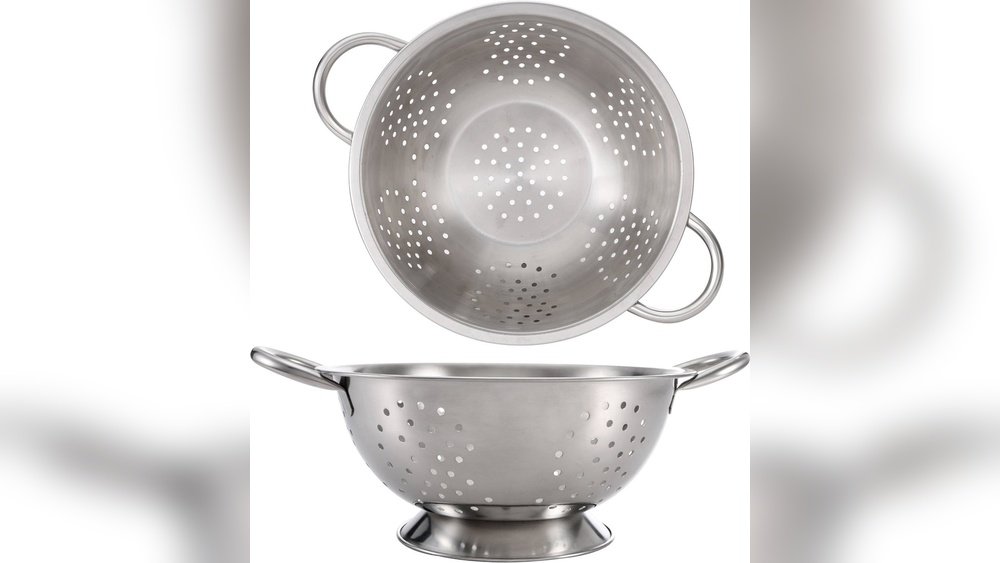
A colander is a bowl with many holes. It helps separate liquids from solids quickly. You use it mostly to drain water from cooked foods. The holes let water pass while holding food inside.
People often use a colander for pasta, rice, and vegetables. It also rinses fruits and canned foods like beans or tuna. This simple tool makes kitchen tasks easier and faster.
Materials And Shapes
Colanders come in metal, plastic, or silicone. Metal ones are sturdy and last long. Plastic ones are lightweight and colorful. Silicone colanders can fold for easy storage.
They usually have a round shape with a flat base. Some have handles or feet for stability. The size varies from small to large, fitting different cooking needs.
How To Use A Colander
Place the colander in the sink or over a bowl. Pour the food and water into it carefully. The water drains out through the holes. The food stays inside, ready to serve or cook more.
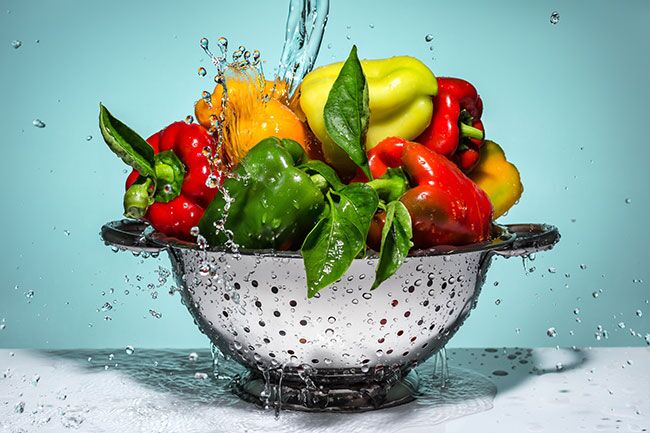
You can also rinse fruits or vegetables by swirling them in water inside the colander. Shake gently to remove excess water. This keeps food clean and fresh.
Draining Pasta And Grains
A colander is used to drain water from cooked pasta and grains quickly. Its holes let liquid pass while keeping food inside. This tool also rinses fruits and vegetables easily.
Canned foods often come packed in liquid. This liquid can be salty, sweet, or oily. Removing it improves the taste and texture of your dish.
A colander works perfectly to separate canned food from the liquid quickly. It allows liquid to drain out through its holes, leaving solids behind.
How To Use A Colander For Canned Foods
Open the can and pour its contents into the colander. Hold it over the sink or a bowl to catch the drained liquid.
Gently shake or tap the colander to help the liquid drain faster. Avoid pressing too hard to keep the food intact.
Why Strain Canned Foods
Straining canned foods removes excess salt or preservatives found in the liquid. It also prevents your recipe from becoming too watery.
Draining canned beans, vegetables, or tuna improves their texture. It helps other flavors in your dish stand out better.
Types Of Canned Foods To Strain
Common canned foods to strain include beans, corn, peas, and tuna. These foods usually come in brine, water, or oil.
Straining canned fruits in syrup can reduce added sugar. This makes your dish healthier and less sweet.
Rinsing Fruits And Vegetables
Steaming with a colander is a simple, effective way to cook vegetables and more. This method uses the colander as a steamer basket above boiling water. The holes in the colander let steam rise and cook the food evenly.
Using a colander for steaming saves space and cuts down on kitchen tools. It works well with many types of vegetables and small foods. The colander must fit securely over a pot or pan for best results.
Choosing The Right Colander For Steaming
Select a colander made of heat-resistant material like stainless steel. Plastic colanders may melt or warp with steam heat. The colander should sit above the water without touching it.
Look for colanders with sturdy handles or feet to keep them stable. A wide rim helps balance the colander on the pot. Avoid colanders with very large holes that might let small foods fall through.
How To Steam Vegetables Using A Colander
Fill a pot with about an inch of water. Bring the water to a boil. Place the colander over the pot, ensuring it does not touch the water.
Put chopped vegetables in the colander. Cover the vegetables with a lid or foil to trap steam. Steam until the vegetables are tender but still crisp.
Benefits Of Steaming With A Colander
Steaming preserves nutrients better than boiling. It keeps vegetables vibrant and flavorful. This method uses little water and no oil, making it healthy.
Cleaning up is easy because the colander can go in the dishwasher. Steaming with a colander also frees up pots for other cooking tasks.
Straining Canned Foods
Mashing potatoes can be simple without special tools. A colander offers a handy way to mash potatoes with ease.
This kitchen tool helps create a smooth, fluffy texture. It works well if you lack a potato masher or ricer.
Mashing Potatoes Using A Colander
Boil potatoes until soft. Drain them in the colander to remove water. Use a sturdy spatula or spoon to push potatoes through the holes. This action breaks potatoes into small pieces, creating a mashed effect.
Benefits Of Using A Colander For Mashing
The colander’s holes act like a ricer, making potatoes light. It helps remove lumps for a creamier mash. This method also saves time and uses a tool you already have.
Tips For Best Results
Choose potatoes that are soft after boiling. Use a colander with small, even holes. Press potatoes firmly but gently to avoid pushing too fast. Add butter or milk after mashing for creaminess.
Steaming With A Colander
A colander is often seen draining pasta or washing vegetables. Yet, it serves a surprising role in the kitchen. It works well as a splatter guard. This simple trick keeps your stovetop clean and safe from hot oil or sauce splashes. Using a colander this way is smart and practical.
Place the colander over your pan. The holes allow steam to escape. This stops condensation from dripping back into the food. It also blocks large splashes while letting air flow freely. You avoid the mess and still cook food evenly.
How To Use A Colander As A Splatter Guard
Hold the colander with the handles or rest it on the pot’s edges. It should cover the pan fully. Make sure it does not touch the food to prevent contamination. Use a metal or heatproof colander for safety. Plastic ones may melt or catch fire.
Benefits Of Using A Colander For Splatter Control
This method cuts down cleanup time. It protects your stove and counters from greasy spots. It also reduces the risk of burns from hot oil splashes. The open holes help steam escape so food cooks properly. This simple hack improves kitchen safety and cleanliness.
Tips For Choosing The Right Colander For Splatter Guard Use
Pick a colander with small holes to block most splashes. Ensure it fits well over your pan or pot. A sturdy design prevents accidents while cooking. Stainless steel colanders work best for heat resistance. Avoid flimsy or plastic colanders for this purpose.

Credit: commons.wikimedia.org
Credit: kidsaregreatcooks.com
Frequently Asked Questions
What’s The Difference Between A Colander And A Strainer?
A colander is a bowl with large holes, ideal for draining pasta and rinsing vegetables. A strainer has fine mesh, perfect for sifting liquids or small particles.
What Does A Colander Look Like?
A colander is a bowl-shaped kitchen tool with many small holes. It usually has handles and a stable base for easy draining.
What Is The Correct Way To Use A Colander?
Place the colander in the sink or over a bowl. Pour food inside. Let water drain through the holes while keeping solids inside. Shake gently to remove excess water. Use it to rinse fruits, vegetables, or drain pasta and rice efficiently.
What Do Americans Call Colanders?
Americans commonly call colanders “colanders. ” They use them to drain pasta, rinse vegetables, and strain foods. The term “colander” is standard across the US.
What Is The Main Purpose Of A Colander In The Kitchen?
A colander is used to drain water from foods like pasta and vegetables. Its holes let liquids pass while keeping solids inside. This makes cooking and cleaning food easier.
Conclusion
A colander helps make cooking easier and cleaner. Use it to drain pasta, rinse fruits, or steam vegetables. Its holes let water pass while keeping food inside. This simple tool saves time and effort in the kitchen. Everyone can benefit from having one on hand.
Try using a colander today to see how useful it is.