If you’ve just bought a new wok or inherited one that looks more like a rusty relic, you might wonder how to get it ready for your next stir-fry masterpiece. Seasoning your wok is the key to unlocking its full potential. Learning How to Season a Wok properly makes wok seasoning easier and helps create a smooth, durable cooking surface.
It creates a natural, non-stick surface that makes cooking easier and helps prevent rust. But how do you do it right? In this guide, you’ll learn simple, step-by-step techniques to season your wok so it performs like a pro’s. By the end, your wok will be primed to deliver delicious meals with ease.
Ready to turn your wok into your kitchen’s best friend? Let’s get started.
Choosing The Right Wok
Choosing the right wok is the first step to seasoning success. Not all woks are made the same. The material, size, and shape impact seasoning and cooking.
Understanding these differences helps you pick the best wok for your kitchen. A good wok will develop a strong, natural non-stick surface after seasoning.
Material Matters
Carbon steel is the best choice for seasoning. It heats quickly and evenly. It also absorbs oil, creating a durable patina.
Cast iron woks can also work, but they take longer to heat. Stainless steel woks do not season well. They stay sticky and are harder to maintain.
Size And Shape
Choose a wok size that fits your stove and cooking needs. A 12 to 14-inch wok suits most home cooks. Round-bottom woks heat evenly but need a wok ring on flat stoves.
Flat-bottom woks sit directly on the burner. They are easier to use on electric stoves but may not heat as evenly.
Handle Type
Look for a wok with sturdy handles. A long handle helps you toss food easily. A loop handle on the other side aids lifting and pouring.
Wood or bamboo handles stay cool during cooking. Metal handles can get hot but are often oven-safe.
Removing Factory Coating
Removing the factory coating is the first step in seasoning a wok. Most new carbon steel woks have a thin layer of oil from the factory. This coating protects the metal during shipping but must be removed before seasoning. Cleaning this layer ensures the oil used for seasoning bonds well with the metal. Proper removal helps create a smooth, non-stick surface for cooking.
Cleaning The Wok
- Use hot water and dish soap to wash the wok inside and out.
- Scrub with a sponge or soft brush to remove all grease and residues.
- Rinse thoroughly to get rid of soap and factory oils.
- Dry the wok completely with a clean towel or paper towels.
Drying And Heating The Wok
- Place the dry wok on the stove over high heat.
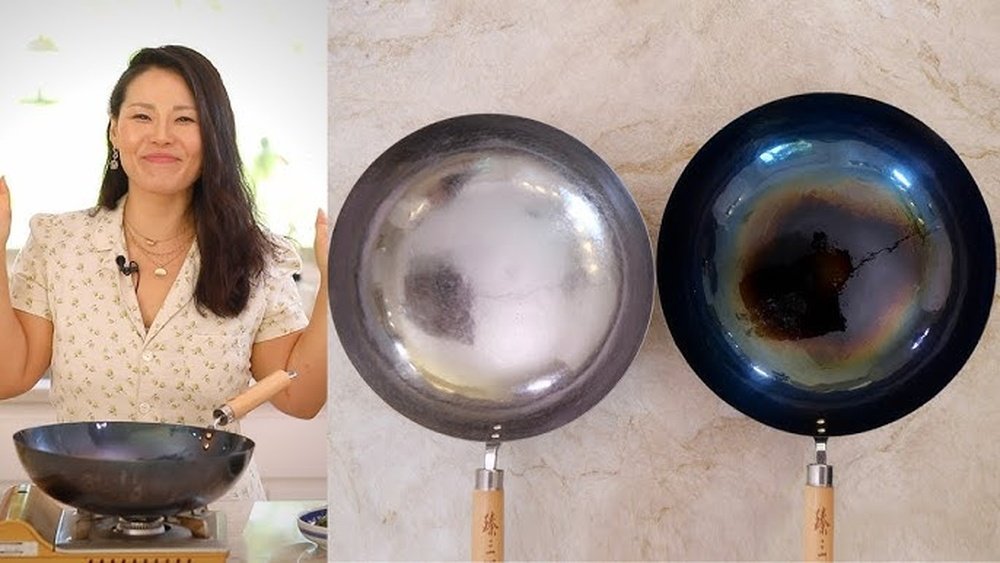
- Heat it until the surface changes color from silver to blue-gray.
- This color change shows the metal is hot enough to burn off any leftover coating.
- Turn off the heat and let the wok cool slightly before seasoning.
Initial Cleaning Steps
Before seasoning a wok, the initial cleaning steps are essential. These steps remove factory oils and dirt. Proper cleaning prepares the wok for even seasoning and better cooking results.
New carbon steel woks often come with a protective layer of oil. This coating prevents rust during shipping and storage. Removing this coating is important to allow the seasoning process to work well.
Wash The Wok Thoroughly
Use hot water and dish soap to clean the wok. Scrub the inside and outside with a sponge or soft brush. This removes any oily residue and dirt from manufacturing. Rinse the wok well to remove all soap.
Dry The Wok Completely
Use a paper towel or clean cloth to dry the wok. Make sure no moisture remains. A dry surface helps prevent rust before seasoning. Warming the wok on the stove can help remove any leftover dampness.
Heat The Wok To Remove Moisture
Place the clean wok on high heat. Let the metal heat until it changes color. The color will shift from silver to yellowish-brown, then to steel-blue or matte gray. This step helps evaporate any remaining moisture and prepares the surface for oil.

Credit: www.malaysianchinesekitchen.com
Heating The Wok For Seasoning
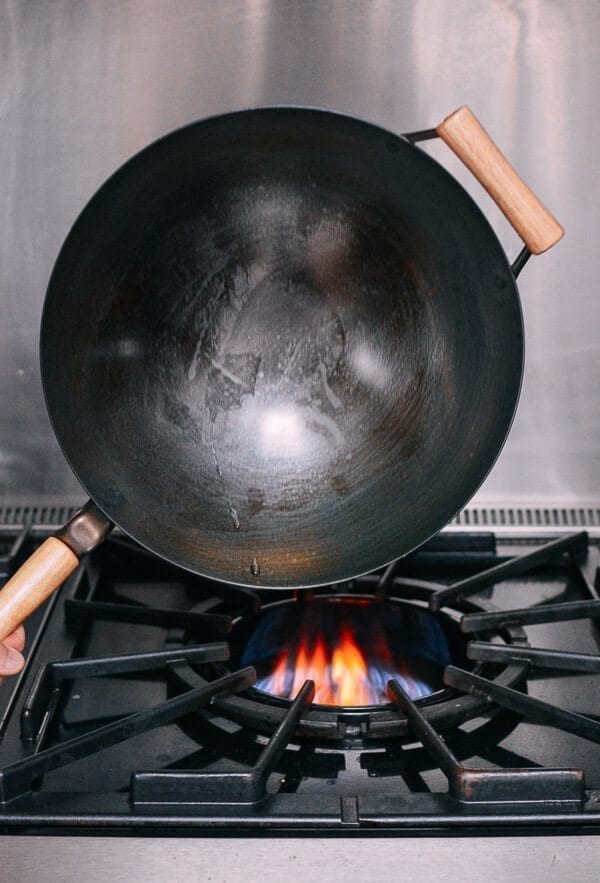
Start by heating the clean wok on high heat until its color shifts to blue-gray. This prepares the surface for oil absorption. Next, apply a thin layer of high-smoke-point oil to create a strong, non-stick coating.
Heating the wok properly is a key step in seasoning. It prepares the metal to bond with oil and form a strong protective layer. Start with a clean, dry wok straight from washing.
Place the wok on your stove burner set to high heat. Let it heat evenly across the surface. The metal will change colors as it gets hotter. This color shift shows the wok is ready.
Watch The Color Change
As the wok heats, watch for the color to shift from silver to yellowish-brown. Then it will turn to a blue-gray shade. This blue tint means the metal has reached the right temperature. It is called “blueing” and helps protect the wok from rust.
Keep The Wok Moving
While heating, gently move the wok around the burner. This spreads heat evenly and avoids hot spots. Hot spots can cause uneven seasoning and damage the wok surface. Balanced heating creates a smooth, uniform seasoning layer.
Read more: How to Cook Chicken in a Saucepan: Easy, Juicy & Delicious Tips
Ready For Oiling
Once the wok reaches the blue-gray color, turn off the heat. Let the surface cool for a few seconds until it is hot but safe to handle. This temperature is ideal for applying oil. The heat helps the oil bond tightly to the metal.
Observing Color Changes
Observing color changes during wok seasoning shows progress and helps avoid mistakes.
Color shifts indicate the oil bonding with the metal surface. This process forms a protective layer.
Watching The Initial Silver Turn Yellowish-brown
At first, the wok’s shiny silver surface will start to darken. It shifts to a yellowish-brown color.
This color change means the metal is heating up well. The oil begins to break down and spread.
Noticing The Transition To Steel-blue
Keep heating the wok until the color changes to a blue shade. This shows the metal is reaching a higher temperature.
The steel-blue color signals that the oil is polymerizing. It bonds tightly to the wok’s surface.
Recognizing The Matte Gray Finish
Finally, the wok may turn matte gray. This color means the seasoning layer is forming properly.
The matte gray finish protects the wok from rust and creates a natural non-stick surface.
Applying The First Oil Layer
Applying the first oil layer is a crucial step in seasoning your wok. This step forms the base for a durable, non-stick surface. The oil bonds with the hot metal, creating a protective coating.
Choose an oil with a high smoke point, such as canola, grapeseed, or peanut oil. These oils withstand high heat without burning. Avoid olive oil or butter, which burn easily and create sticky residue.
Read more: How to Clean Cookie Sheets: Easy Tips for Sparkling Results
Heating The Wok Before Oiling
Place your clean wok on the stove over high heat. Let it heat until the surface changes color slightly. This heating opens the metal’s pores, helping the oil stick better.
Applying A Thin, Even Oil Layer
Use a paper towel or cloth to spread a very thin layer of oil inside the wok. Rub the oil all around the cooking surface. Avoid thick or pooled oil to prevent sticky spots.
Polymerizing The Oil Layer
Keep the wok on high heat after applying oil. The oil will start to smoke and bond with the metal. This process creates the seasoning’s first protective layer. Heat until the smoking slows down, then remove the wok from heat.
Selecting High Smoke Point Oils
Choosing the right oil is key to seasoning a wok effectively. Oils with high smoke points handle the heat without burning. This helps create a strong, smooth seasoning layer on the wok’s surface.
Low smoke point oils break down quickly under heat. They can leave sticky, uneven patches on the wok. Using oils that stay stable at high heat ensures a durable, non-stick coating.
What Is A High Smoke Point Oil?
Smoke point means the temperature when oil starts to smoke and burn. High smoke point oils smoke at temperatures above 400°F (204°C). These oils hold up well during the seasoning process.
Examples Of High Smoke Point Oils
- Canola oil – smoke point around 400°F (204°C)
- Peanut oil – smoke point about 450°F (232°C)
- Grapeseed oil – smoke point near 420°F (216°C)
- Safflower oil – smoke point roughly 510°F (266°C)
- Avocado oil – smoke point close to 520°F (271°C)
Why Avoid Low Smoke Point Oils?
Oils like olive or butter burn quickly when heated high. Burning creates bad flavors and weak seasoning. It also makes the wok sticky and harder to clean.
How To Apply High Smoke Point Oils
Pour a small amount of oil into the hot wok. Use a paper towel to spread it evenly on all surfaces. Heat the wok until it smokes lightly, then cool it down. Repeat this process to build a strong seasoning layer.
Credit: thewoksoflife.com
Building The Nonstick Surface
Building the nonstick surface is the key to a well-seasoned wok. This layer helps food slide easily and stops sticking. It also protects the wok from rust and damage.
The process involves creating a thin, even coating of oil that bonds with the metal. This bonding forms a natural, durable surface. Over time, this surface improves with each use and seasoning.
Cleaning And Preparing The Wok
Start by washing your new wok with warm, soapy water. Remove all factory oils and dirt completely. Use a sponge to scrub the inside and outside well. Rinse it thoroughly and dry with a clean towel. A clean surface allows the oil to bond properly.
Read more: How to Make Tomato Sauce from Tomato Paste: Easy & Delicious Recipe
Heating The Wok To Change Color
Place the dry wok on high heat. Watch as the metal changes color. It will move from silver to yellow, then to a blue shade. This color change shows the metal is ready to absorb oil. Let the wok cool slightly before the next step.
Applying Oil For The Nonstick Layer
Choose an oil with a high smoke point, like canola or grapeseed oil. Use a paper towel to rub a thin layer of oil inside the wok. Cover every part of the cooking surface evenly. Heat the wok again to start the oil bonding process. This step builds the protective, nonstick coating.
Cooling And Rinsing After Seasoning
Cooling and rinsing after seasoning are essential steps in wok care. These actions help the oil layer to set properly. They also prevent damage from thermal shock. Proper cooling protects the wok’s surface and extends its lifespan.
Rinsing removes any leftover residue from the seasoning process. It ensures a smooth, clean cooking surface. Avoid harsh soaps to keep the seasoning intact. Use warm water and a soft sponge instead.
Allowing The Wok To Cool Naturally
Let the wok cool down slowly on the stove or a heat-safe surface. Avoid placing it in cold water immediately. Sudden temperature changes can cause the metal to warp or crack. Cooling naturally keeps the seasoning layer stable and strong.
Gentle Rinsing With Warm Water
Use warm water to rinse the wok after it has cooled. This removes any burnt oil or loose particles. Do not use soap or abrasive scrubbers. These can strip away the newly formed seasoning layer.
Drying The Wok Completely
Dry the wok thoroughly with a clean towel or paper towel. Water left on the surface can cause rust. Heating the wok briefly on the stove helps evaporate any remaining moisture. A dry wok is ready for cooking or storage.
Cleaning Without Damaging Seasoning
Cleaning your wok without damaging the seasoning is key to keeping it non-stick and rust-free. The seasoning is a thin, hardened layer of oil fused to the metal. Harsh cleaning can strip this layer off and cause rust.
Use gentle methods to clean the wok after cooking. Avoid scrubbing with steel wool or using strong detergents. Instead, choose softer tools and mild soaps.
Use Warm Water And A Soft Sponge
Rinse the wok with warm water soon after cooking. Use a soft sponge or brush to remove food bits. This method cleans the wok without harming the seasoning layer.
Avoid Strong Soaps And Detergents
Strong soaps can break down the seasoning. Mild dish soap is safe but use it sparingly. Soap-free cleaning is better when food residue is light.
Remove Stubborn Food With Salt
Sprinkle coarse salt inside the wok. Use a soft cloth to scrub gently. Salt acts as a mild abrasive without damaging the seasoning.
Dry Immediately And Oil Lightly
After washing, dry the wok completely with a towel. Heat it briefly on the stove to remove moisture. Rub a thin layer of high-smoke-point oil to protect the surface.
Drying And Oil Maintenance
Proper drying and oil maintenance are key to keeping your wok in great shape. After each use, moisture must be removed quickly to prevent rust. A dry wok also helps maintain the seasoning layer that builds up over time.
Regular oil maintenance protects the wok’s surface. Applying a thin layer of oil after drying keeps the metal from oxidizing. This layer enhances the non-stick properties and extends the wok’s life.
Drying Your Wok Thoroughly
Start by wiping your wok with a clean cloth or paper towel. Make sure no water remains inside or outside the wok. Then, heat the wok over medium heat for a few minutes. This step evaporates any leftover moisture.
Do not store your wok wet. Even small droplets can cause rust spots quickly. A completely dry wok ensures that your seasoning stays intact.
Applying Oil After Use
Once the wok is dry and warm, add a few drops of high-smoke-point oil. Use oils like vegetable, canola, or peanut oil for best results. Spread the oil evenly with a paper towel, covering the entire cooking surface.
This thin oil layer forms a protective barrier. It stops air and moisture from reaching the metal. Over time, this helps build a smooth, non-stick patina on your wok.
Storing Your Wok Correctly
Store the wok in a dry place with good air circulation. Avoid stacking heavy pots on top of it, which can damage the seasoning. If you live in a humid area, consider placing a paper towel inside the wok to absorb moisture.
Proper storage keeps your wok ready for the next cooking session. It also prevents rust and maintains the wok’s performance over many uses.
Troubleshooting Common Issues
Seasoning a wok can sometimes bring challenges. This section covers common problems and their fixes. Solving these issues keeps your wok in great shape. It also helps create a perfect non-stick surface for cooking.
Understanding these problems saves time and prevents frustration. Simple steps can solve most seasoning troubles. Let’s explore some frequent concerns and easy solutions.
Removing Rust After Seasoning
Rust may appear if the wok is not dried well. To fix this, scrub the rusty spots with a steel wool pad. Rinse the wok with warm water and dry it fully. Then, apply oil and heat the wok again. This restores the protective seasoning layer.
Sticky Or Sticky Residue On The Surface
Sticky patches mean the oil was applied too thickly. Use a paper towel to wipe off excess oil. Heat the wok on medium heat until the oil smokes lightly. This creates a smooth, even coating. Repeat thin oil layers for better results.
Wok Surface Turns Black Quickly
Darkening is normal during seasoning but should not be uneven. Uneven color means uneven heating or oil application. Make sure to heat the wok evenly on all sides. Apply oil consistently and avoid pooling in one spot.
Food Sticks Despite Seasoning
Food sticking means the seasoning layer is not strong yet. Cook simple dishes with more oil to improve the coating. Avoid washing with harsh soap that removes seasoning. Use hot water and a soft brush to clean the wok.
Smoke Or Burning Smell During Seasoning
Smoke is normal but should not be heavy or harsh. Use a high-smoke-point oil like canola or grapeseed. Heat the wok slowly to avoid burning the oil. If the smell is strong, reduce heat or wipe off extra oil.
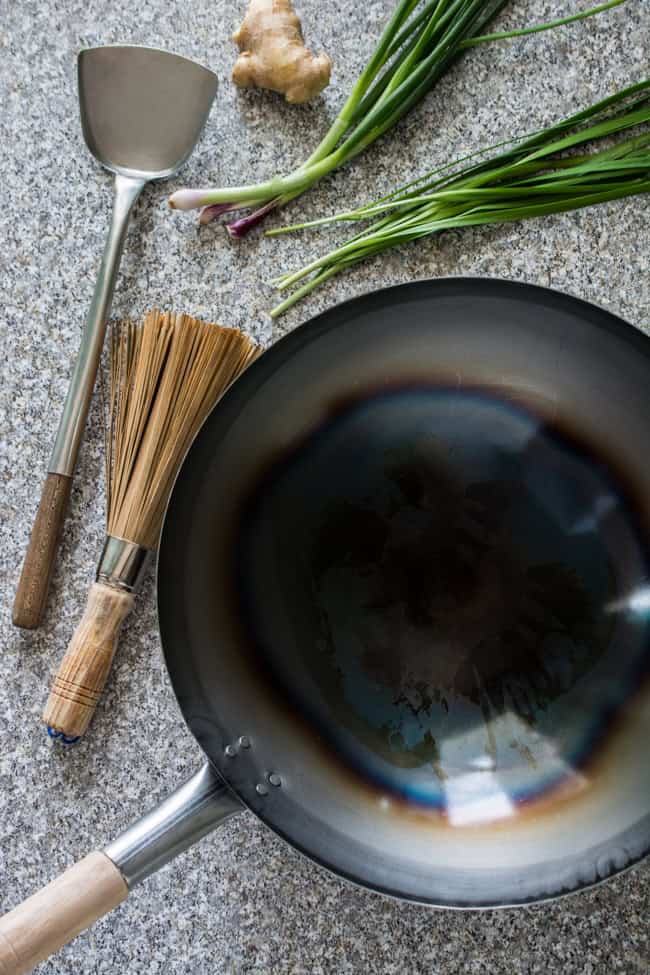
Credit: www.wokandskillet.com
Frequently Asked Questions
Can I Use Dawn On A Wok?
Yes, you can use Dawn to wash a wok. It removes grease without harming the seasoning or non-stick surface.
Is It Necessary To Season Wok?
Seasoning a wok is necessary to create a natural non-stick surface and prevent rust. It enhances cooking and extends the wok’s life.
What Kind Of Oil Do You Use To Season A Wok?
Use high-smoke-point oils like flaxseed, grapeseed, canola, or peanut oil to season a wok. These oils create a durable, non-stick coating.
How Long Does It Take To Fully Season A Wok?
Fully seasoning a wok typically takes about 30 to 60 minutes during the initial process. Developing a durable non-stick patina improves with regular use over weeks.
Why Is Seasoning A Wok Important?
Seasoning prevents rust and creates a natural non-stick surface. It also improves the wok’s cooking performance over time.
Conclusion
Seasoning your wok takes patience and care but pays off well. A well-seasoned wok cooks food evenly and prevents sticking. Regular use and proper cleaning help maintain its non-stick surface. Avoid harsh soaps to preserve the seasoning layer. Over time, your wok will develop a beautiful, natural patina.
This process improves flavor and makes cooking easier. Keep practicing these simple steps for best results. Enjoy cooking with your perfectly seasoned wok every day!
Read more: Best Muffin Pan: Top Picks for Perfect Homemade Muffins