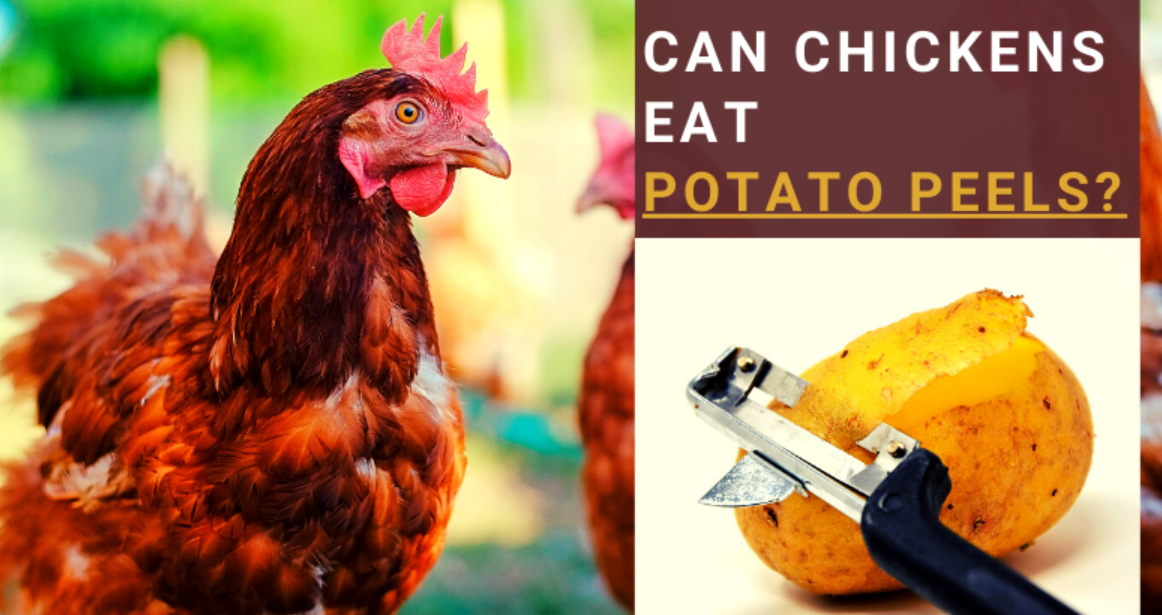
Are you wondering if it’s safe to feed your chickens those leftover potato peels from dinner? Can chickens eat potato peels safely, or could they pose a risk to your flock? Here’s what every chicken owner should know before adding potato peels to the feed. You’re not alone.
Many chicken owners ask the same question because it’s tempting to reduce waste and give your flock a tasty treat. But here’s the catch: not all potato peels are created equal when it comes to your chickens’ health. Feeding them the wrong kind could lead to serious problems.
You’ll discover exactly which potato peels are safe, how to prepare them properly, and what to avoid to keep your chickens happy and healthy. Keep reading—you’ll want to know these crucial tips before tossing any peels to your birds!
Potato Peels And Chickens
Chickens should not eat raw potato peels because they contain harmful toxins. Cooking the peels by baking removes these toxins, making them safer for chickens. Avoid green or sprouted peels, as they remain poisonous even after cooking.
Potato peels are a common kitchen waste. Many chicken owners wonder if they can feed these peels to their birds. Chickens enjoy many vegetable scraps, but potato peels need careful handling. This is because raw potato peels contain a toxin called solanine.
Solanine can cause health problems in chickens. It may lead to digestive upset or worse. Therefore, feeding raw potato peels is risky. Cooked peels are a safer option for chickens. The cooking process reduces solanine levels and makes peels easier to digest.
Are Raw Potato Peels Safe For Chickens?
Raw potato peels contain solanine, a natural toxin. This toxin protects potatoes from pests but harms chickens. Eating raw peels can cause nausea and other health issues. Some chickens might get very sick or even die.
It is best to avoid giving raw potato peels to chickens. Always remove green or sprouted parts of potatoes. These parts have higher solanine concentrations. Keeping chickens safe means avoiding raw potato peels entirely.
How To Prepare Potato Peels For Chickens
Cooking potato peels reduces their solanine content. Baking or boiling peels is effective. Baking is preferred because it uses dry heat and removes more toxins. Boiling can also work but may leave some toxins behind.
After cooking, let the peels cool before feeding. Offer peels in small amounts to see how chickens react. Cooked potato peels can be a tasty treat when given properly. Avoid adding salt or seasoning to the peels.
Benefits Of Feeding Cooked Potato Peels
Cooked potato peels provide extra nutrients. They contain fiber, vitamins, and minerals helpful for chickens. Feeding peels reduces kitchen waste and saves money. Chickens enjoy the taste of soft cooked peels.
Moderation is key. Too many peels might upset their digestion. Use cooked peels as occasional treats, not a main food source. Balanced feeding keeps chickens healthy and happy.
Toxic Compounds In Potatoes
Potatoes contain natural chemicals that can harm chickens. These toxic compounds mainly exist in the skin and sprouts. Chickens eating raw potato peels risk getting sick.
Understanding these toxins helps keep chickens safe. One key toxin is solanine, which affects many animals, including chickens.
What Is Solanine?
Solanine is a poison found in potatoes, especially in green parts and peels. It is a natural defense of the potato plant. This chemical protects potatoes from insects and disease.
Solanine tastes bitter and is harmful if eaten in large amounts. It does not break down easily, even after cooking. This makes raw potato peels risky for chickens to eat.
Effects Of Solanine On Chickens
When chickens eat solanine, it can cause many health problems. Symptoms include stomach pain, vomiting, and diarrhea. These signs show the chicken is poisoned.
Severe solanine poisoning can lead to weakness, breathing trouble, and even death. Chickens are very sensitive to this toxin. Avoid feeding them green or sprouted potato peels.
Cooked potato peels with no green parts have less solanine and are safer in small amounts. Still, moderation is important to prevent any risk.
Raw Vs Cooked Potato Peels
Potato peels can be a tempting snack for chickens. Yet, the way you prepare these peels matters a lot. Raw potato peels contain substances that can harm your birds. Cooking changes the peel’s composition, making it safer and easier to digest. Understanding the differences between raw and cooked potato peels helps you care for your flock better.
Risks Of Raw Peels
Raw potato peels have a toxin called solanine. This chemical can upset a chicken’s stomach. In large amounts, solanine is deadly. Peels that are green or sprouted contain more solanine and are very risky. Feeding raw peels can cause weakness, diarrhea, or worse. It is best to avoid giving raw potato peels to chickens.
Benefits Of Cooking
Cooking potato peels breaks down the solanine. Heat destroys most of the toxins present in the raw peel. Baked or boiled peels are safer for your chickens to eat. Cooking also softens the peels, making them easier to chew and digest. Always cool cooked peels before feeding to avoid burns. Cooked potato peels can be a good treat in small amounts.
Safe Preparation Methods
Potato peels contain solanine, a natural toxin harmful to chickens. Safe preparation removes this toxin, making peels safe to eat. Cooking changes the chemical structure, reducing risks. Always avoid raw or green peels. Proper cooking ensures your chickens enjoy a healthy treat.
Baking Potato Peels
Baking potato peels at high temperatures breaks down solanine. Spread the peels on a baking sheet. Bake at 350°F for 20 to 30 minutes. This dries the peels and kills toxins effectively. Let the peels cool before feeding to chickens. Baked peels are crunchy and easy for chickens to eat. Baking keeps nutrients intact and improves safety.
Boiling Potato Peels
Boiling also reduces solanine but less than baking. Place peels in boiling water for 15 to 20 minutes. Drain and let them cool completely. Boiled peels become soft and easier to digest. Avoid feeding any peels that are still green or sprouted. Boiling is a simple method for safe chicken treats. Always check peels for signs of spoilage before serving.
Identifying Unsafe Potato Parts
Potato peels can seem like a handy snack for chickens. Yet, not all parts of a potato are safe for them. Some sections contain harmful substances that can cause sickness or worse. Knowing which potato parts to avoid keeps your chickens healthy and happy.
Green Peels
Green potato peels contain a toxin called solanine. This chemical protects the potato but harms chickens. Even a small amount can upset their stomachs. Avoid feeding any peels with a green tint. The greener the peel, the higher the toxin level.
Sprouted Potatoes
Sprouted potatoes have small shoots growing from them. These shoots contain solanine too. Sprouted potatoes are even more toxic than green peels. Chickens should never eat potatoes with sprouts. Remove and discard any sprouted parts before feeding.
Feeding Guidelines
Potato peels hold nutrients that can benefit chickens in small amounts. They contain fiber, vitamins, and minerals that support a chicken’s health. Understanding their nutritional value helps decide if and how to feed them safely.
Nutritional Content Of Potato Peels
Potato peels are a good source of dietary fiber. Fiber aids digestion and keeps chickens’ guts healthy. They also provide vitamin C, which helps boost the immune system. Vitamin B6 in peels supports energy metabolism and brain function.
Minerals Found In Potato Peels
Peels contain important minerals like potassium and iron. Potassium helps maintain fluid balance and proper muscle function. Iron is essential for producing red blood cells and preventing anemia in chickens.
Protein And Carbohydrates In Potato Peels
Potato peels offer small amounts of protein that support muscle growth. Carbohydrates in peels provide energy for daily activities. Both nutrients contribute to a balanced diet for chickens when fed in moderation.
Frequently Asked Questions
How Should I Prepare Potato Skins For Chickens?
Bake potato skins thoroughly to remove toxins before feeding. Avoid raw, green, or sprouted peels as they contain harmful solanine. Serve cooked skins in moderation for safe chicken treats.
What Food Do Chickens Go Crazy For?
Chickens go crazy for treats like mealworms, corn, pumpkin, and fresh berries. They love crunchy, sweet, and protein-rich foods.
What Part Of The Potato Is Toxic To Chickens?
The green parts, sprouts, and raw potato peels contain toxic solanine harmful to chickens. Cooked potatoes are safe.
What Kitchen Scraps Can Chickens Not Eat?
Chickens cannot eat raw, green, or sprouted potato peels due to toxic solanine. Avoid chocolate, avocado, onions, and raw beans.
Can Chickens Eat Raw Potato Peels Safely?
Raw potato peels contain solanine, a toxin harmful to chickens. Feeding raw peels can cause digestive issues or worse. Always avoid giving raw potato peels to your flock.
Conclusion
Potato peels can be a tricky treat for chickens. Only cooked peels are safe to feed, as heat removes harmful toxins. Avoid raw, green, or sprouted peels to keep your flock healthy. Always offer potato peels in small amounts and watch for any signs of discomfort.
Feeding your chickens safely helps them stay active and strong. Remember, a balanced diet is best for happy, healthy chickens.
Read more: Best Kitchen Tools: Must-Have Gadgets for Every Home Chef