You use your wooden spoons every day, stirring sauces, mixing batters, and serving meals. Knowing how to sanitize wooden spoons helps keep your kitchen safe, and learning the best way to clean wooden utensils can extend their lifespan while maintaining proper hygiene. But have you ever stopped to think about how clean they really are?
Unlike plastic or metal utensils, wooden spoons are porous, which means they can trap food particles, oils, and even bacteria deep inside. If you want to keep your kitchen safe and your wooden spoons lasting for years, learning how to properly sanitize them is essential.
In this guide, you’ll discover simple, effective ways to deep clean your wooden spoons using everyday ingredients and easy techniques—no harsh chemicals or expensive tools needed. Keep reading to protect your health and make your favorite kitchen tools shine like new!
Daily Cleaning Tips
Daily cleaning keeps wooden spoons safe and ready to use. These simple steps stop germs and stains from building up. Clean spoons last longer and stay fresh.
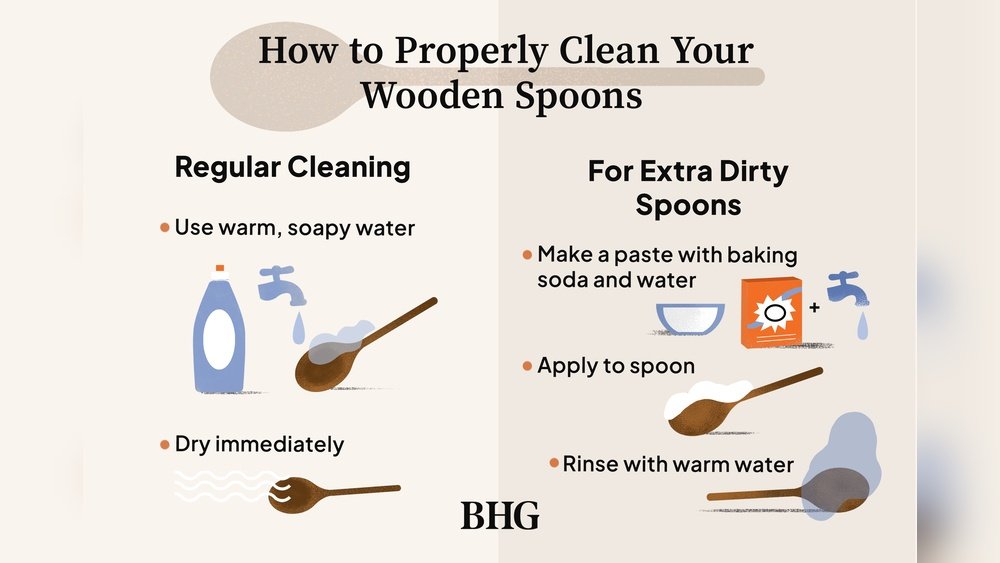
Hand Wash With Hot, Soapy Water
Use hot water and dish soap to wash wooden spoons after each use. Scrub gently to remove food bits. Avoid harsh scrubbing that can damage the wood.
Rinse Thoroughly
Rinse the spoon well to remove all soap. Soap residue can leave a taste or harm the wood surface. Use warm water for best results.
Dry Completely Before Storing
Dry spoons with a clean towel immediately after washing. Let them air dry fully before putting them away. Moisture can cause wood to crack or grow mold.
Avoid Soaking Wooden Spoons
Do not soak wooden spoons in water. Long exposure to water makes the wood swell and warp. Quick washing is best to keep them in good shape.
Use Baking Soda For Odors
Sprinkle baking soda on the spoon and scrub lightly to remove smells. Baking soda absorbs odors without damaging the wood. Rinse well afterward.
:max_bytes(150000):strip_icc()/Spruce_Are_Wooden-Spoons_Sanitary_909328_V3-7e6835ff5d5b435e8b42a44573aa6f37.png)
Credit: www.thespruceeats.com
Avoiding Dishwasher Damage
Wooden spoons need gentle care to stay safe and last long. Avoiding dishwasher damage is key for their upkeep. Dishwashers use high heat and strong water jets. These can harm the wood, making it crack or warp.
Repeated dishwasher cycles dry out the wood. This causes splintering and rough surfaces. Such damage lets germs hide in tiny cracks. Protect wooden spoons by skipping the dishwasher.
Avoid High Heat And Strong Water Pressure
Dishwashers reach very high temperatures. This heat dries wooden spoons too fast. It also breaks down the wood fibers. Strong water pressure can knock wooden spoons around. This causes dents and chips. Hand washing is safer and gentler for wooden utensils.
Prevent Warping And Cracking
Water and heat cause wooden spoons to swell. When drying, the wood shrinks again. This cycle leads to warping and cracks. Cracks trap food and bacteria. Avoid dishwashers to keep wooden spoons smooth and safe.
Use Gentle Hand Washing Instead
Wash wooden spoons with warm, soapy water by hand. Use a soft sponge or cloth. Rinse quickly with clean water. Dry them immediately with a towel. Let them air dry completely before storing. This method keeps wood strong and clean without damage.
Why Soaking Is Harmful
Soaking wooden spoons causes the wood to absorb water, making them swell and crack. This moisture also creates a perfect place for bacteria to grow, which can lead to contamination and damage the spoon over time.
Wooden spoons are porous and absorb water easily. Soaking them in water for long times causes the wood to swell. This swelling weakens the spoon’s structure.
Water trapped inside the wood creates a perfect place for bacteria. It also leads to mold growth, which is unsafe in the kitchen.
Soaking can cause wooden spoons to crack or split. Cracks make it easier for germs to hide and multiply.
Wood Swelling And Damage
When wood soaks up water, it expands and becomes soft. This damages the spoon’s surface and shape. Over time, the spoon loses its strength and may break.
Bacteria And Mold Growth
Moisture inside wood creates a warm, damp place. Bacteria and mold grow quickly in these conditions. This can lead to bad smells and unsafe food contact.
Cracks And Splits Harbor Germs
Soaked wood often cracks as it dries unevenly. Cracks trap food particles and germs that are hard to remove. This makes cleaning less effective and spoons less safe.
Using Hot Water And Soap
Using hot water and soap is a simple, effective way to sanitize wooden spoons. This method removes food residue and kills most germs. Hot water helps break down oils and dirt stuck in the wood’s pores.
Soap lifts away grease and bacteria. Combined with hot water, it cleans deeper than cold water alone. This process keeps your wooden spoons safe and ready for your next cooking task.
Prepare Your Cleaning Station
Start by filling your sink or a large bowl with hot water. Use water as hot as you can safely handle. Add a few drops of mild dish soap. Stir the water to create suds. This mix will help clean the spoon well.
Wash The Wooden Spoon Thoroughly
Dip the spoon in the hot, soapy water. Use a soft sponge or cloth to scrub all surfaces. Pay attention to the handle and the bowl of the spoon. Scrub gently to avoid damaging the wood. Make sure to remove all food particles.
Rinse And Dry Completely
Rinse the spoon under hot running water. This removes soap residue and loosened dirt. Shake off excess water. Dry the spoon with a clean towel right away. Let it air dry fully before storing. This prevents moisture buildup and bacteria growth.
Deep Cleaning With Baking Soda
Deep cleaning wooden spoons with baking soda is a natural and effective way to sanitize them. Baking soda removes odors, stains, and bacteria trapped in the wood pores. This method is gentle on wood and safe for regular use.
Using baking soda helps refresh your wooden spoons without harsh chemicals. It breaks down grease and food residue, making your spoons cleaner and safer for cooking.
Prepare The Wooden Spoon
Start by rinsing the wooden spoon with warm water. Remove any food particles stuck on the surface. Dry it lightly with a clean towel before applying baking soda.
Apply Baking Soda Paste
Mix baking soda with a little water to form a thick paste. Spread the paste evenly over the wooden spoon. Focus on areas with stains or strong odors.
Let The Paste Sit
Allow the baking soda paste to sit on the spoon for 15 to 20 minutes. This waiting time lets the baking soda work on grime and bacteria deep in the wood.
Scrub Gently
Use a soft brush or cloth to scrub the spoon gently. This removes dirt and loosens any trapped particles. Avoid harsh scrubbing to protect the wood.
Rinse And Dry
Rinse the spoon thoroughly with warm water to remove all baking soda residue. Dry the spoon completely with a clean towel. Air dry further to prevent moisture buildup.
Sanitizing With Vinegar Solutions
Vinegar solutions effectively sanitize wooden spoons by killing bacteria without harming the wood. Simply soak the spoon briefly, then rinse and dry thoroughly to keep it clean and safe for use.
Vinegar is a natural, safe option to sanitize wooden spoons. It kills many germs without harsh chemicals. Vinegar’s acidity helps remove bacteria and odors trapped in wood pores.
Using vinegar solutions is simple and effective. You only need white distilled vinegar and water. This method keeps your spoons clean and fresh for daily use.
Preparing The Vinegar Solution
Mix one part white vinegar with four parts water in a bowl. Stir well to combine the solution evenly. Avoid using strong vinegar alone, as it can damage the wood.
This diluted mixture balances cleaning power with wood care. It is gentle but strong enough to sanitize your wooden utensils.
Applying The Solution To Wooden Spoons
Dip the wooden spoon into the vinegar solution. Let it soak for about five minutes to kill bacteria. For tough odors, rub the spoon with the soaked cloth.
After soaking, rinse the spoon with warm water. Dry it completely with a clean towel. Avoid leaving moisture on the wood to prevent damage.
Tips For Best Results
Use vinegar sanitizing once a week or after handling raw meat. Avoid soaking spoons for too long to protect the wood. Always dry spoons fully after cleaning to keep them safe and strong.
Store wooden spoons in a dry, well-ventilated place. This reduces bacteria growth and keeps the wood healthy for longer.
Conditioning Wooden Spoons
Conditioning wooden spoons is essential to keep them durable and safe for cooking. Wood can dry out after washing and lose its natural oils. This makes the spoon prone to cracking and absorbing moisture or bacteria. Regular conditioning restores moisture and creates a protective layer on the wood surface. It helps the spoon last longer and stay hygienic.
Use a food-safe oil or wax to condition wooden spoons. These products soak into the wood and seal the pores. This prevents water from penetrating the spoon. Conditioning also helps maintain the wood’s smooth texture and natural shine. It reduces roughness that can trap dirt or food particles.
Choosing The Right Oil Or Wax
Select a food-grade mineral oil, coconut oil, or beeswax paste. Avoid vegetable oils like olive or canola, which can turn rancid. Mineral oil is odorless and tasteless. Beeswax adds a slight protective coating and shine. Both options are safe and effective for wooden kitchen tools.
How To Apply Conditioning Oil
Start with a clean, dry spoon. Pour a small amount of oil or wax on a soft cloth. Rub it into the wood in circular motions. Cover the entire surface, including the handle. Let the spoon absorb the oil for at least a few hours. Overnight works best for deep hydration. Wipe off any excess oil before use.
Frequency Of Conditioning
Condition wooden spoons once every month or two. Increase frequency if you wash them often or live in a dry climate. Regular conditioning stops the wood from drying out. It keeps your spoons smooth and resistant to cracks or bacteria. This simple care step extends the life of your wooden utensils.

Credit: www.youtube.com
Handling Stains And Odors
Wooden spoons often absorb stains and odors from strong foods. These can make your utensils look dirty and smell unpleasant. Proper handling of stains and odors keeps wooden spoons fresh and safe to use.
Some stains are tough to remove with just soap and water. Odors can linger inside the wood fibers. Cleaning methods that target these problems help maintain spoon quality and hygiene.
Removing Stubborn Stains From Wooden Spoons
Use a paste of baking soda and water to treat stains. Apply it to the spoon and gently scrub with a soft brush. Let the paste sit for 15 minutes before rinsing.
Lemon juice also works well to lighten stains. Rub half a lemon on the spoon’s surface. Leave it in the sun for 10 minutes, then rinse with warm water.
Eliminating Odors With Vinegar
Vinegar neutralizes strong smells trapped in the wood. Mix equal parts white vinegar and water. Soak a cloth in the solution and wipe the spoon thoroughly.
Let the spoon air dry completely after wiping. Avoid soaking the spoon directly in vinegar to protect the wood.
Preventing Future Stains And Odors
Clean spoons immediately after use to prevent stains. Avoid leaving food residue on the wood for long periods.
Regularly condition spoons with food-grade mineral oil. This seals the wood and reduces odor absorption.
When To Replace Wooden Spoons
Wooden spoons are durable kitchen tools, but they don’t last forever. Knowing when to replace them keeps your cooking safe and hygienic. Over time, wooden spoons can develop cracks, stains, or odors that regular cleaning cannot fix.
Replacing spoons at the right time prevents bacteria buildup and contamination. Inspect your wooden spoons regularly for signs of wear and damage. This helps avoid using unsafe utensils in your kitchen.
Signs Of Cracks Or Splinters
Cracks and splinters in wooden spoons trap food and bacteria. These defects are hard to clean properly. Using spoons with cracks risks spreading germs. Replace any spoon showing visible cracks or splinters immediately.
Persistent Odors And Stains
Wood absorbs smells and colors from foods. Sometimes, odors or stains stay even after cleaning. Lingering smells or dark stains mean the spoon is no longer sanitary. It is time to get a new wooden spoon.
Warping And Soft Spots
Warped spoons lose their shape and can be hard to use. Soft or spongy areas indicate wood damage or rot. These signs mean the spoon is unsafe to use. Discard warped or soft wooden spoons without delay.
Age And Frequency Of Use
Even with good care, wooden spoons wear out after long use. If you use a spoon daily, consider replacing it every year or two. Older spoons may hide bacteria deep inside the wood, even when they look fine.
Storage To Prevent Bacteria
Proper storage of wooden spoons plays a key role in preventing bacteria growth. Wood is a natural material that can absorb moisture and germs. Keeping wooden spoons dry and in a clean space stops bacteria from multiplying.
Storing wooden spoons correctly also helps maintain their shape and longevity. Avoid damp or enclosed spaces where air cannot circulate well. Good storage habits protect both your health and your kitchen tools.
Store Wooden Spoons In A Dry Place
Choose a location with good air flow to keep spoons dry. Avoid storing them near the sink or dishwasher where moisture is common. A dry drawer or a countertop holder works well.
Wet or damp spoons encourage mold and bacteria growth. Always dry spoons fully before putting them away. Use a clean towel or air dry them standing upright.
Use A Utensil Holder With Ventilation
Use a utensil holder that allows air to move around the spoons. Open designs or holders with holes work best. They help moisture evaporate quickly, reducing germs.
Do not store wooden spoons in closed containers or plastic bags. These trap moisture and create a warm environment for bacteria. Proper ventilation keeps spoons fresh and safe.
Separate Wooden Spoons From Other Utensils
Keep wooden spoons separate from metal or plastic utensils. Different materials dry at different rates. Mixing them can cause wooden spoons to stay damp longer.
Use a separate section in your utensil holder or drawer for wooden spoons. This simple step helps maintain their condition and reduces bacteria risk.
Frequently Asked Questions
How Sanitary Are Wooden Spoons?
Wooden spoons are sanitary when hand-washed with hot, soapy water and dried thoroughly. Avoid soaking or dishwasher use. Regularly condition with food-grade mineral oil to prevent bacteria growth and wood damage. Deep clean occasionally using baking soda or vinegar to remove odors and germs effectively.
Should You Boil Wooden Spoons To Sanitize Them?
Do not boil wooden spoons to sanitize them. Boiling can crack and warp the wood, reducing their lifespan. Instead, wash with hot, soapy water, scrub with baking soda or lemon for odors, and air dry thoroughly. Regularly oil them to maintain moisture and prevent bacteria.
How Often Should You Throw Away Wooden Spoons?
Throw away wooden spoons once they crack, splinter, or develop deep stains. Regularly inspect for damage and replace as needed.
Why Can’t You Soak Wooden Spoons?
Soaking wooden spoons causes them to absorb water, leading to swelling, cracking, and bacteria growth inside the wood.
How Often Should I Sanitize Wooden Spoons?
Sanitize wooden spoons once a week for regular use. Deep clean more often if used with raw meat or dairy.
Conclusion
Sanitizing wooden spoons keeps your kitchen safe and healthy. Clean them by hand with hot, soapy water right after use. Avoid soaking or putting them in the dishwasher. Regularly oil your spoons to protect the wood and prevent cracks. Deep clean occasionally using natural ingredients like vinegar or baking soda.
These simple steps help your wooden spoons last longer and stay free from germs. Keep your cooking tools clean for the best food safety.
Read more: Best Kitchen Tools: Must-Have Gadgets for Every Home Chef