If you spend time in the kitchen, you might have heard about a bench scraper but wondered, “What exactly is it?” A bench scraper is a simple yet powerful tool that can transform how you prepare food. If you’re wondering what is a bench scraper, understanding the dough scraper vs bench scraper differences can help you choose the right tool for baking, meal prep, and everyday kitchen tasks. Imagine having a tool that helps you cut dough cleanly, scoop up chopped ingredients without a mess, and keep your work surface spotless, all in one.
That’s what a bench scraper does for you. Whether you bake bread, chop vegetables, or work with sticky dough, this handy kitchen gadget makes your tasks faster and easier. Keep reading to discover why a bench scraper should be in your kitchen arsenal and how it can make your cooking and baking smoother than ever before.
Bench Scraper Basics
A bench scraper is a flat tool with a handle used in kitchens. It helps cut, lift, and move dough or chopped food. Also, it cleans work surfaces quickly and keeps knives safe from damage.
What Is A Bench Scraper?
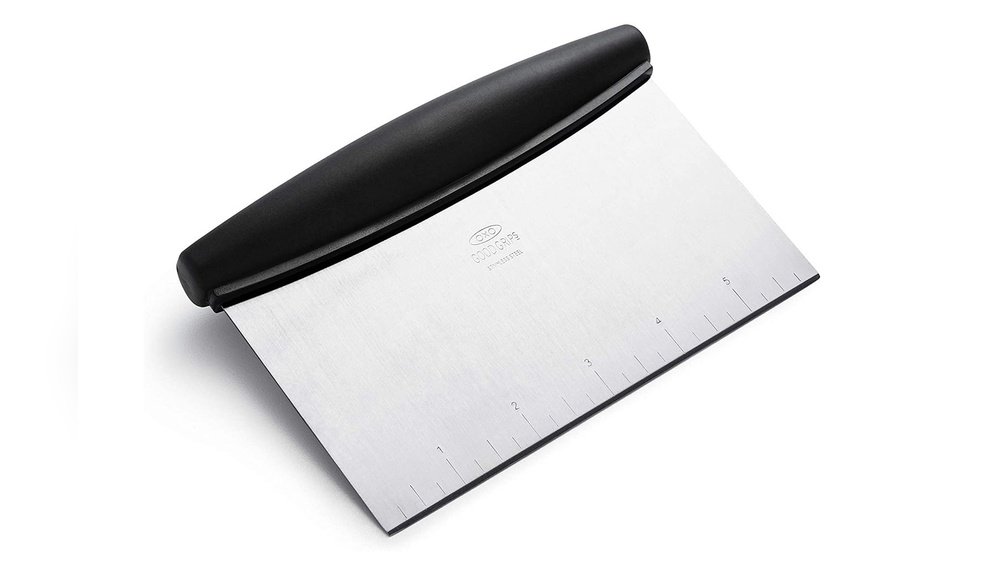
A bench scraper is a simple kitchen tool with many uses. It has a flat, rectangular blade. The blade is usually made of stainless steel. A handle sits on top of the blade for easy grip. This tool helps with cutting, scraping, and lifting food.
Common Uses Of A Bench Scraper
Many cooks use a bench scraper to divide dough. It makes clean, straight cuts without sticking. It also helps to scoop up chopped ingredients. The scraper cleans flour and crumbs from the work surface. It keeps the kitchen tidy and organized during cooking.
Types Of Bench Scrapers
Bench scrapers come in different sizes and materials. Most have metal blades with plastic or wooden handles. Some are fully metal for better durability. Choose one that feels comfortable in your hand. The size depends on how much space you need to cover.
Key Features
The key features of a bench scraper make it an essential kitchen tool. It helps with many tasks from chopping to cleaning. Understanding these features helps you choose the right scraper.
A bench scraper usually has a flat, rectangular blade. The blade is made of stainless steel or plastic. This makes it durable and easy to clean.
Blade Material
Most bench scrapers have stainless steel blades. Steel is strong and resists rust. Some scrapers use plastic blades for softer surfaces.
Handle Design
The handle offers a secure grip. It can be made from wood, plastic, or metal. A good handle keeps your hand comfortable during use.
Size And Shape
Bench scrapers come in various sizes. A common size is about 6 inches wide. The shape is usually rectangular with one straight edge.
Multi-purpose Use
Beyond scraping, it helps with chopping and portioning dough. It also transfers chopped food to pots or pans. Some scrapers have measurements for precise cutting.
Ease Of Cleaning
Most bench scrapers clean easily. Stainless steel blades resist stains and odors. Handles with smooth surfaces avoid food build-up.
Cutting And Portioning Dough
Cutting and portioning dough is a key step in baking. It helps create even pieces that bake uniformly. A bench scraper is a simple tool that makes this task easy and fast.
This tool has a flat, wide blade. It helps cut dough cleanly without sticking. It also allows bakers to divide dough into equal parts with little effort.
Precision In Cutting Dough
The bench scraper’s sharp edge cuts through dough smoothly. It prevents tearing or squashing the dough. This keeps the texture light and airy.
It is perfect for sticky or soft doughs. The scraper lifts and moves dough without stretching it. This keeps the dough’s shape intact.
Easy Portioning For Consistent Results
Portioning dough evenly is important for baking consistency. The bench scraper helps measure and cut dough into equal sizes. This ensures all pieces bake at the same rate.
The scraper can also scoop and transfer dough portions quickly. This speeds up the baking process and keeps your workspace clean.
Cleaning And Workspace Management
The bench scraper doubles as a tool for cleaning flour and dough scraps. You can easily scrape your work surface between batches. This keeps your kitchen tidy and reduces waste.
Its sturdy design makes it durable and easy to wash. A clean bench scraper works better and lasts longer in any kitchen.

Credit: www.amazon.com
Cleaning And Clearing Surfaces
Cleaning and clearing surfaces is a crucial step in any kitchen task. A clean workspace helps prevent cross-contamination and keeps your ingredients fresh. Using the right tool can make this job easier and faster. A bench scraper excels at this task.
This simple tool quickly removes dough, crumbs, and other food scraps from your countertop. It helps keep your work area tidy without scratching or damaging surfaces. Using a bench scraper reduces the need for excessive wiping or scrubbing.
Removing Dough And Sticky Residue
Dough often sticks to countertops and cutting boards. A bench scraper lifts and loosens it with minimal effort. The flat edge slides under the dough, freeing it without tearing. It works well with sticky or wet mixtures too.
Gathering Chopped Ingredients
After chopping vegetables or herbs, a bench scraper helps gather them into a pile. This makes it easy to transfer ingredients to pots or bowls. It saves time and keeps your hands clean during cooking.
Scraping Off Crumbs And Debris
Crumbs and small bits of food can clutter your workspace. The bench scraper quickly sweeps them off surfaces. Its sturdy blade collects debris without scattering it. This keeps your kitchen neat and ready for the next step.
Protecting Surfaces And Knives
Using a bench scraper prevents damage to your knives and countertops. It avoids dulling blades by limiting direct contact. It also guards delicate surfaces from scratches caused by other tools.
Scooping And Transferring Ingredients
The bench scraper is a simple tool that helps move ingredients with ease. It has a flat, wide blade perfect for scooping up chopped vegetables, herbs, or dough bits. This makes transferring ingredients fast and clean.
Using a bench scraper keeps your hands free from sticky or wet ingredients. It also reduces mess on your countertop by gathering everything in one go. Its sturdy blade can hold a good amount of food without dropping.
Scooping Chopped Ingredients
After chopping, push the bench scraper under the ingredients. The flat edge lifts them smoothly from the cutting board. You avoid losing small pieces and keep your work area tidy.
This tool works well for herbs, nuts, and diced vegetables. It picks up even fine crumbs that a knife might miss.
Transferring Ingredients To Bowls Or Pans
Move ingredients quickly by sliding the bench scraper across the board. Hold the handle firmly and scoop toward the bowl or pan. This method reduces spills and speeds up cooking prep.
The scraper’s flat surface acts like a small shovel. It carries chopped items safely without dropping them on the floor or counter.
Cleaning And Gathering Leftovers
Use the bench scraper to collect scraps and dough bits. It sweeps crumbs off your work surface in one motion. This keeps your kitchen clean and ready for the next step.
It is easier to gather leftovers with a scraper than with a towel or hand. The rigid blade removes stuck bits without damaging surfaces.
Measuring And Precision
Measuring and precision are key features of a bench scraper. This tool helps bakers and cooks achieve exact results. Its flat, straight edge allows for accurate portioning and cutting.
Bench scrapers often have measurement marks along their edge. These marks guide users to cut dough or ingredients to specific sizes. This feature saves time and reduces guesswork in the kitchen.
Built-in Measurement Marks
Many bench scrapers include ruler-like markings in inches or centimeters. These marks make it easy to measure dough thickness or portion size. You can divide dough evenly for consistent baking results.
Ensuring Even Cuts
Using the bench scraper’s straight edge helps create clean, even cuts. This precision is important for pastries, bread, and other baked goods. Even cuts ensure uniform cooking and a polished look.
Improving Recipe Accuracy
Accurate measuring with a bench scraper supports recipe consistency. You can replicate the same results every time. This tool is ideal for both beginners and experienced cooks aiming for precision.
Alternative Uses In The Kitchen
A bench scraper helps lift and move chopped ingredients quickly. It also cleans flour and dough from counters. Many use it to cut dough or measure portions with ease.
Chopping And Scooping Ingredients
A bench scraper works well to chop herbs and vegetables quickly. Its flat edge helps scoop chopped items off the board. This avoids spills and saves time. You can transfer chopped foods directly into pots or bowls.
Cleaning Work Surfaces
Use the bench scraper to clean dough bits and flour from counters. It removes sticky residue better than a cloth. Scrape gently to avoid scratching surfaces. This keeps your kitchen tidy during cooking.
Dividing Dough Evenly
The bench scraper is perfect for cutting dough into equal portions. Its sharp edge cuts cleanly without tearing. This is useful for bread, pastry, or cookie dough. It helps maintain size consistency for baking.
Transferring Chopped Food
Lift and move chopped ingredients from the board with ease. The bench scraper acts like a small shovel. It reduces mess and speeds up cooking prep. This method protects your fingers and keeps the kitchen clean.
Measuring And Leveling Ingredients
The flat edge can level off dry ingredients in measuring cups. This ensures accurate measurements for recipes. It also helps spread batter or dough evenly in pans. Use it to smooth out surfaces for better cooking results.
:max_bytes(150000):strip_icc()/kneading-dough-559031083-5a68c27c8e1b6e001a347e03.jpg)
Credit: www.thespruceeats.com
Bench Scraper Vs. Bowl Scraper
Bench scrapers and bowl scrapers both help in the kitchen, but they serve different jobs. Knowing their differences can improve your cooking and baking tasks.
What Is A Bench Scraper?
A bench scraper is a flat, rectangular tool with a metal blade and a handle. It is usually used on flat surfaces like countertops or cutting boards. This tool helps cut dough, scrape off sticky bits, and transfer chopped ingredients. Its stiff edge makes it perfect for dividing dough or cleaning work surfaces.
What Is A Bowl Scraper?
A bowl scraper is softer and more flexible, often made of silicone or plastic. It fits the curve of mixing bowls well. This scraper helps gather every bit of batter or dough from the bowl’s sides. Its flexibility allows it to bend and scoop easily without scratching bowls.
Key Differences Between Bench Scraper And Bowl Scraper
The bench scraper has a firm metal edge for cutting and scraping hard surfaces. The bowl scraper is flexible and designed for scraping smooth, curved surfaces. Bench scrapers are great for chopping and lifting dough. Bowl scrapers excel at mixing and scraping sticky batter from bowls.
When To Use Each Scraper
Use a bench scraper for tasks like cutting dough, cleaning counters, or transferring chopped vegetables. Use a bowl scraper to scrape batter or dough from a mixing bowl or to fold ingredients gently. Both tools make kitchen work easier but are best used for their specific tasks.
Materials And Designs
Bench scrapers come in various materials and designs. Each type suits different kitchen tasks and preferences. Understanding these options helps choose the right scraper for your needs.
Stainless Steel Bench Scrapers
Stainless steel is a popular material for bench scrapers. It is strong, durable, and resists rust. These scrapers have a flat, sharp edge that easily lifts dough or chopped ingredients. They are easy to clean and maintain. Many chefs prefer stainless steel for its reliability and hygiene.
Plastic And Silicone Bench Scrapers
Plastic bench scrapers are lightweight and gentle on surfaces. They work well on non-stick pans and delicate dough. Silicone scrapers add flexibility and heat resistance. These materials are less sharp but safer for certain tasks. They clean easily and often come in bright colors.
Wooden Handle Designs
Some bench scrapers feature wooden handles for better grip. Wood feels warm and comfortable in the hand. It also adds a classic look to the tool. These scrapers combine a metal blade with a sturdy wooden handle. The handle helps prevent slipping during use.
Size And Shape Variations
Bench scrapers vary in size from small to extra-large. Smaller scrapers offer precision for detailed work. Larger scrapers cover more surface area for quick cleanup. Most have a rectangular shape, but some include curved edges. The shape affects how the scraper moves across surfaces.
Choosing The Right Bench Scraper
Selecting the right bench scraper makes kitchen tasks easier and faster. The right tool fits your cooking style and needs. It helps with chopping, scraping, and transferring ingredients without strain.
Consider size, material, and handle comfort. These factors affect how well you work with dough or chopped food. A good bench scraper lasts long and feels balanced in your hand.
Size And Shape
Bench scrapers come in different sizes. A larger blade covers more surface for quick scraping. Smaller ones offer better control for precise tasks. Choose a shape that matches your typical kitchen jobs.
Material Quality
Stainless steel blades resist rust and stay sharp. Plastic scrapers work well for soft dough and are gentle on surfaces. Wood handles provide a warm grip but need more care. Pick a material that fits your cleaning habits and durability needs.
Handle Comfort
A comfortable handle reduces hand fatigue during use. Look for handles with smooth edges and a good grip. Some have ergonomic designs that fit the hand naturally. Test different styles to find what feels best.
Extra Features
Some bench scrapers include measurement marks for quick sizing. Others have rounded edges for safer use. Consider if extra features help with your cooking tasks or add convenience.

Credit: www.amazon.com
Frequently Asked Questions
Why Do They Call It A Bench Scraper?
They call it a bench scraper because it scrapes and cleans workbench surfaces in kitchens efficiently.
What Can You Use Instead Of A Bench Scraper?
You can use a spatula, knife edge, or a sturdy ruler as a bench scraper substitute. A metal spatula works best.
What Is Another Name For A Bench Scraper?
Another name for a bench scraper is a dough scraper or bench knife. It helps cut, scoop, and clean work surfaces.
What Is The Difference Between A Bench Scraper And A Dough Scraper?
A bench scraper has a rigid handle and metal blade for cutting and scooping. A dough scraper is usually flexible plastic to fold and shape dough.
What Is A Bench Scraper Used For In The Kitchen?
A bench scraper helps cut dough, lift ingredients, and clean surfaces. It makes food prep faster and neater. Many cooks find it very handy.
Conclusion
A bench scraper makes kitchen tasks easier and faster. It helps cut dough, move ingredients, and clean surfaces. This simple tool saves time and protects your knives. Anyone who cooks or bakes will find it useful. Keep one handy to improve your food prep.
Small but mighty.
Read more: Best Kitchen Tools: Must-Have Gadgets for Every Home Chef