Have you ever wondered if you can freeze mashed potatoes without losing their creamy goodness? Can you freeze mashed potatoes safely and still enjoy their smooth texture? With the right storage methods, the answer is yes. Whether you’ve made a big batch for a holiday feast or just want to save leftovers for later, knowing how to freeze mashed potatoes properly can save you time and reduce food waste.
You might worry about texture changes or bland taste after thawing, but freezing mashed potatoes is easier than you think—and with the right tips, they can taste just as delicious as fresh. Keep reading, and you’ll discover simple steps to freeze, store, and reheat mashed potatoes so they stay smooth, flavorful, and ready whenever you need a comforting side dish.
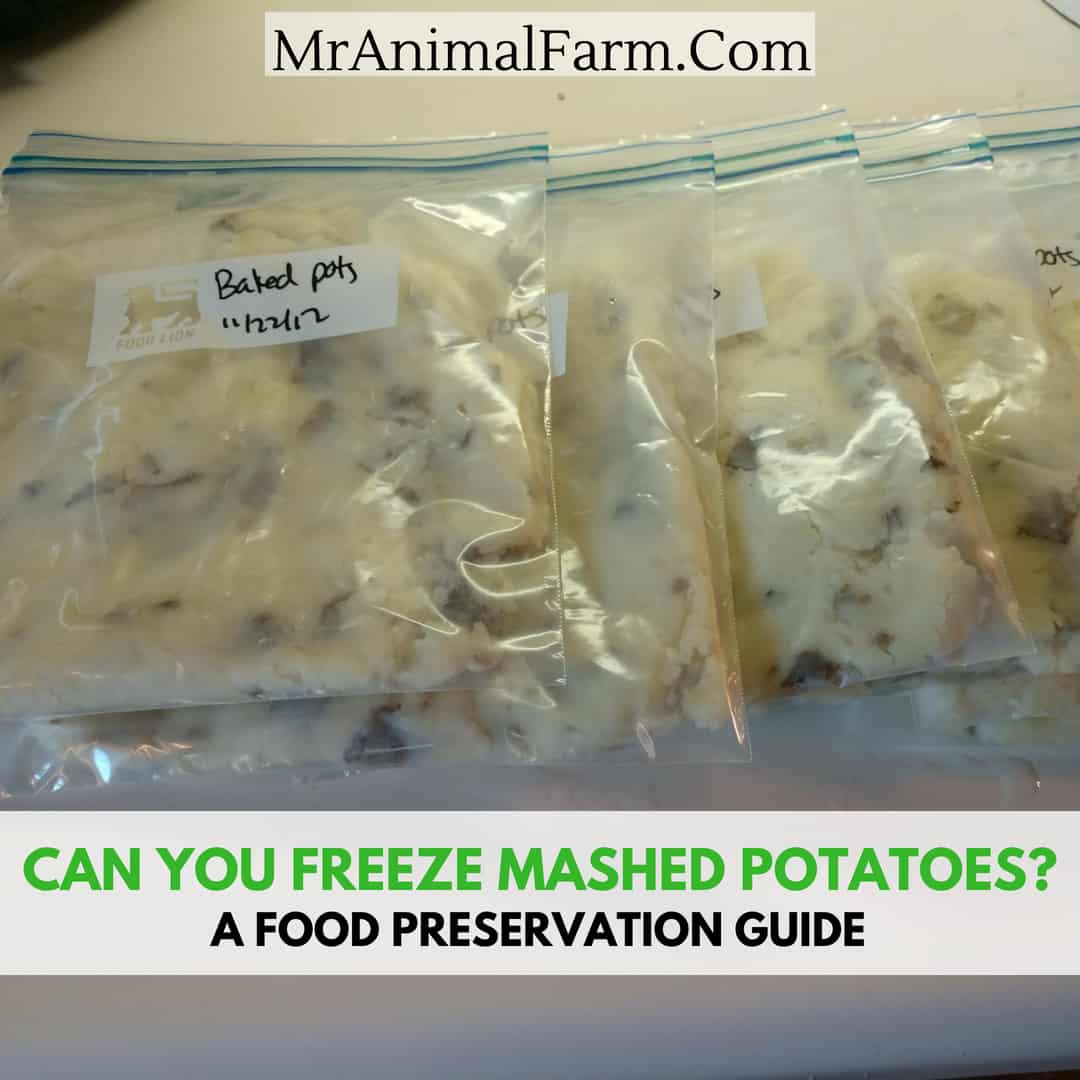
Credit: mranimalfarm.com
Freezing Basics
Mashed potatoes freeze well if cooled fully before storing. Portion and seal them tightly to keep freshness. Thaw slowly and reheat gently for best texture.
Freezing mashed potatoes is a simple way to save time and reduce waste. Proper freezing keeps the potatoes fresh and tasty. It also helps keep their texture smooth after thawing.
Understanding basic freezing steps makes the process easier. Cooling, portioning, and packing are key parts of freezing mashed potatoes. These steps protect flavor and prevent freezer burn.
Cool Completely
Always cool mashed potatoes before freezing. Hot potatoes can cause ice crystals to form. Ice crystals spoil the texture and taste. Place the potatoes in the fridge until fully cool.
Portion Out
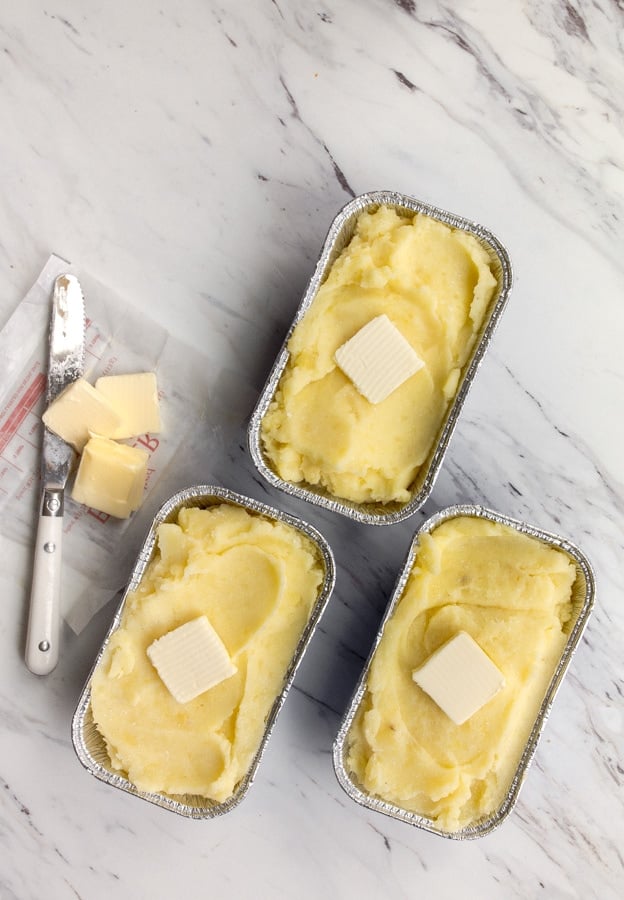
Divide mashed potatoes into meal-sized portions. Use a scoop or spoon to make even servings. Place portions on a baking sheet to freeze individually. Then transfer to a freezer bag or container.
Remove Air
Remove as much air as possible from the storage bag. Flatten the potatoes inside the bag for even freezing. Less air reduces freezer burn and keeps potatoes fresh longer.
Credit: www.dessertfortwo.com
Ideal Potato Types
Choosing the right type of potato affects mashed potatoes’ texture after freezing. Some potatoes hold up better than others. The best types keep their creamy texture and flavor after thawing.
Starchy potatoes work well for smooth, fluffy mashed potatoes. Waxy potatoes keep a firmer texture but may become gluey when frozen. Knowing which potatoes to use helps keep your mashed potatoes tasty and fresh.
Russet Potatoes
Russet potatoes are high in starch and very fluffy. They mash easily into a smooth, creamy texture. They freeze well without becoming grainy or watery. Russets are the top choice for freezing mashed potatoes.
Yukon Gold Potatoes
Yukon Gold potatoes have a medium starch level. They offer a creamy, buttery flavor that many enjoy. Their texture stays stable after freezing and reheating. Yukon Golds work well for mashed potatoes that freeze nicely.
Red Potatoes
Red potatoes have a waxy texture with less starch. They hold their shape better when cooked. Mashed red potatoes may become dense or gluey after freezing. Use them if you prefer a chunkier mashed potato.
Cooling Before Freezing
Cooling mashed potatoes before freezing is a crucial step. It helps keep their creamy texture and fresh taste. Hot mashed potatoes can cause ice crystals to form in the freezer. These crystals change the texture, making the potatoes grainy after thawing.
Allow mashed potatoes to cool completely at room temperature. Then, place them in the refrigerator. Cooling in the fridge speeds up the process and keeps the potatoes safe from bacteria growth. Avoid putting hot mashed potatoes directly in the freezer. This can raise the freezer’s temperature and affect other stored food.
Cool Completely
Let mashed potatoes cool fully before freezing. Spread them in a shallow dish to cool faster. Stir occasionally to release heat. This prevents soggy or watery potatoes after thawing.
Portion Out
Divide mashed potatoes into meal-sized portions. Use spoons or ice cream scoops for even amounts. Place portions on a baking sheet lined with parchment paper. Freeze until solid, about 1-2 hours. Then, transfer portions to a freezer bag or airtight container. This method prevents clumping and makes thawing easier.
Remove Air
Flatten the mashed potatoes in freezer bags to save space. Squeeze out as much air as possible before sealing. Less air slows down freezer burn and preserves flavor. Proper sealing keeps mashed potatoes fresh for months.
Portioning Tips
Portioning mashed potatoes before freezing makes reheating easier and faster. It helps prevent waste and keeps the texture intact. Proper portioning also lets you thaw only what you need. This saves time and keeps the rest fresh in the freezer.
Use Small Containers Or Bags
Choose small airtight containers or freezer bags for portioning. These hold just enough for one meal or serving. Small portions freeze and thaw more evenly. They also reduce the risk of freezer burn.
Divide While Still Warm
Portion mashed potatoes when still warm but not hot. Warm potatoes spread easily and fill containers without air pockets. Avoid freezing large lumps that take longer to thaw. This keeps the texture smooth and creamy after reheating.
Label And Date Each Portion
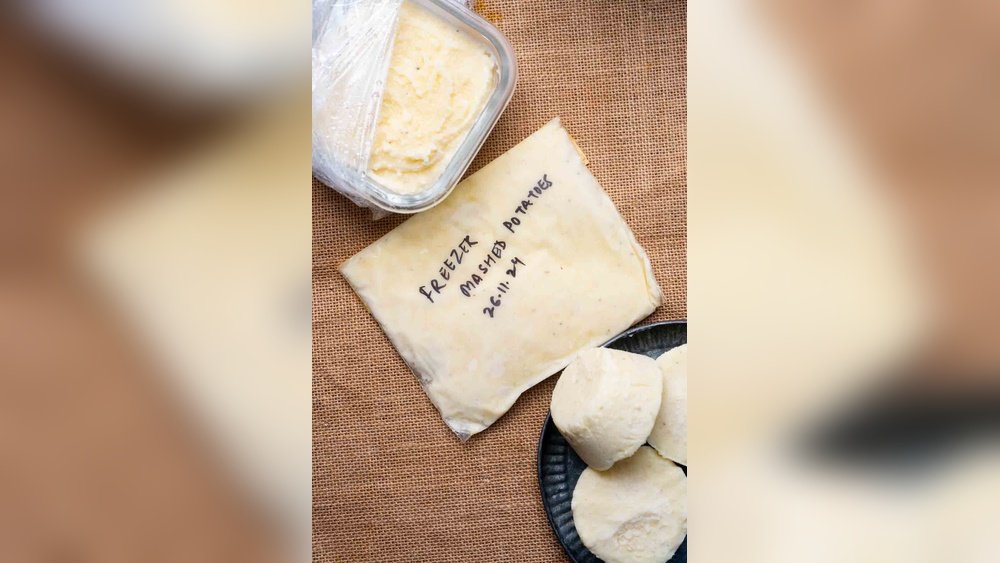
Write the date and contents on each container or bag. This helps track how long potatoes have been frozen. Labeling keeps your freezer organized and reduces food waste. Use freezer-safe markers for clear, long-lasting labels.
Flash Freeze Before Storing
For easy portioning, spread mashed potatoes on a baking sheet. Freeze until solid, then transfer to bags or containers. This flash freeze method stops portions from sticking together. It also makes grabbing a single serving quick and simple.
Packaging Methods
Packaging mashed potatoes properly helps keep their texture and flavor after freezing. The right packaging blocks air and moisture, preventing freezer burn. It also makes thawing easier and keeps portions organized. Choose packaging that fits how long you plan to freeze the potatoes.
Using Freezer Bags
Freezer bags are a popular choice for freezing mashed potatoes. Scoop the potatoes into the bags, flatten them to remove air, and seal tightly. Flattening helps the potatoes freeze evenly and makes storage easier. Label the bags with the date for easy tracking.
Plastic Containers
Plastic containers with tight lids work well for mashed potatoes. Use containers that are freezer-safe and leave space at the top for expansion. This method protects the potatoes from freezer odors and keeps them fresh. Stack containers to save freezer space.
Aluminum Foil And Parchment Paper
Wrap mashed potatoes in plastic wrap first, then cover with aluminum foil or parchment paper. This double layer protects from freezer burn. It also keeps the potatoes moist and flavorful. This method works well if you plan to freeze a large batch.
How Long To Freeze
Freezing mashed potatoes is a great way to save leftovers or prepare meals ahead. Knowing the right freezing time helps keep their taste and texture fresh. Storing mashed potatoes too long may lead to freezer burn or off flavors.
Proper freezing preserves quality and ensures safe eating. Keep mashed potatoes frozen just long enough to enjoy them later without losing flavor or texture.
How Long Can You Freeze Mashed Potatoes?
You can freeze mashed potatoes for up to 2 months safely. After this, they may start to lose flavor and become grainy. For best taste, use them within this time frame.
Signs Mashed Potatoes Are Frozen Too Long
Potatoes frozen too long may develop freezer burn. Look for dry spots or discoloration. The texture might become watery or crumbly after thawing.
Tips To Extend Freezing Time
Store mashed potatoes in airtight containers or freezer bags. Remove as much air as possible to prevent freezer burn. Label the containers with the freezing date to track storage time.
Thawing Techniques
Thawing frozen mashed potatoes properly keeps their creamy texture and fresh taste. It prevents them from becoming watery or grainy. Using the right thawing method makes reheating easier and faster. Below are three simple thawing techniques to try.
Refrigerator Thawing
Place frozen mashed potatoes in the fridge. Let them thaw slowly overnight or for about 8 hours. This method keeps the potatoes at a safe temperature. It helps maintain their smooth, creamy texture. After thawing, stir the potatoes well before reheating.
Cold Water Thawing
Seal the mashed potatoes in a leak-proof bag. Submerge the bag in cold water. Change the water every 30 minutes to keep it cold. This method thaws potatoes faster than the fridge. It usually takes 1 to 2 hours depending on the amount. Once thawed, heat and stir the potatoes gently.
Microwave Thawing
Place mashed potatoes in a microwave-safe dish. Use the defrost setting or low power. Heat in short bursts of 1 to 2 minutes. Stir the potatoes between bursts to avoid hot spots. This quick thawing method suits last-minute meals. Be careful not to overheat or dry out the potatoes.
Reheating Tips
Reheating frozen mashed potatoes correctly keeps their creamy texture and rich flavor. Follow simple steps for best results. Avoid drying or clumping by reheating gently and stirring well.
Thaw Before Reheating
Always thaw mashed potatoes in the fridge overnight. This helps them reheat evenly and keeps the texture smooth. Avoid reheating frozen potatoes directly to prevent cold spots.
Use The Stovetop For Creamy Results
Heat thawed mashed potatoes in a saucepan over low heat. Stir often to stop sticking and burning. Add a little milk or butter to bring back creaminess while heating.
Microwave Method For Quick Reheating
Place thawed mashed potatoes in a microwave-safe bowl. Cover loosely to trap steam and heat in short bursts. Stir between intervals to warm evenly and keep them soft.
Restore Creaminess With Dairy
Mashed potatoes may lose moisture when frozen. Stir in milk, cream, butter, or cream cheese after reheating. This improves taste and texture, making them smooth and rich again.
Restoring Creaminess
Freezing mashed potatoes can change their texture. The creaminess often fades after thawing. This happens because freezing causes water inside the potatoes to separate. That water can make the potatoes watery or grainy once reheated.
Restoring the smooth, creamy texture takes some care. Simple steps bring back softness and flavor. Using the right ingredients and reheating methods helps a lot.
Adding Dairy For Smoothness
Stir in milk, cream, or butter slowly. Warm dairy blends better with the potatoes. It helps absorb extra moisture and smooths out lumps. Avoid cold dairy as it can make the potatoes stiff.
Using A Hand Mixer Or Whisk
Whip the potatoes gently to break up clumps. A hand mixer blends air in, making the potatoes fluffy. Stirring by hand works but takes more effort. Mixing helps even out texture and brings back creaminess.
Adjusting Seasoning And Flavor
Frozen potatoes may lose some flavor. Add salt and pepper after reheating. A little garlic powder or cheese can boost taste. Fresh herbs like chives or parsley add brightness and freshness.

Credit: www.amodernhomestead.com
Common Mistakes To Avoid
Freezing mashed potatoes can save time and reduce waste. Still, mistakes can spoil their taste and texture. Avoiding these common errors helps keep your mashed potatoes creamy and delicious after freezing.
Learn what to watch out for to ensure your frozen mashed potatoes stay fresh and tasty.
Freezing Hot Mashed Potatoes
Placing hot mashed potatoes directly into the freezer causes ice crystals. These crystals make the texture grainy and watery. Always cool mashed potatoes completely before freezing.
Using Too Much Liquid Before Freezing
Adding extra milk or butter before freezing can make potatoes watery. Freeze your mashed potatoes with less liquid. Add cream or butter again after reheating to keep them smooth.
Not Removing Air From Storage Bags
Air trapped in freezer bags causes freezer burn and off-flavors. Press out as much air as possible before sealing the bags. Use airtight containers or vacuum sealers for best results.
Freezing Large Portions
Freezing mashed potatoes in large blocks delays freezing and thawing. This can cause uneven texture and longer thawing times. Portion mashed potatoes into meal-sized servings for faster freezing and easy use.
Skipping Proper Thawing
Reheating frozen mashed potatoes without thawing leads to uneven heating. Thaw in the refrigerator overnight for the best texture. This prevents lumps and watery spots during reheating.
Frequently Asked Questions
Do Mashed Potatoes Taste Good After Freezing?
Mashed potatoes taste good after freezing if stored properly. Reheat with milk or butter to restore creamy texture.
Can You Freeze Mashed Potatoes With Milk In Them?
Yes, you can freeze mashed potatoes with milk. Cool them completely, portion, remove air, and freeze. Thaw overnight and reheat with added milk for creaminess.
Does Mashed Potato Freeze Well?
Mashed potatoes freeze well if cooled completely and stored airtight. Portion and flatten them for even freezing and easy thawing. Reheat with added milk or butter to restore creaminess. Freeze up to one year for best quality.
How Do You Reheat Mashed Potatoes After Freezing?
Thaw frozen mashed potatoes overnight in the fridge. Reheat on the stovetop or microwave. Stir in milk, butter, or cream to restore creaminess.
Can You Freeze Mashed Potatoes With Milk Or Butter Added?
Mashed potatoes with milk or butter freeze well if cooled first. These ingredients may separate slightly but can be mixed back when reheated. Freezing does not harm their flavor or texture.
Conclusion
Freezing mashed potatoes saves time and reduces food waste. Cool them fully before freezing to keep taste fresh. Portioning helps with easy thawing and quick meals. Remove air from bags to avoid freezer burn. Thaw overnight in the fridge for best texture.
Reheat gently, adding milk or butter to keep creaminess. Proper storage keeps them good for months. Enjoy mashed potatoes anytime with simple freezing steps.
Read more: Best Kitchen Tools: Must-Have Gadgets for Every Home Chef