Are you tired of biting into tough, chewy meat that ruins your meal? If you’re wondering how can I tenderize meat, this guide covers simple techniques that help turn tougher cuts into juicy, flavorful meals with ease. You’re not alone.
Knowing how to tenderize meat properly can transform even the toughest cuts into juicy, flavorful dishes that melt in your mouth. Whether you’re grilling, pan-searing, or slow-cooking, mastering meat tenderization techniques will elevate your cooking and impress everyone at the table.
You’ll discover simple, effective ways to make your meat tender and delicious—using easy-to-find ingredients and tools you probably already have. Ready to unlock the secret to perfectly tender meat every time? Keep reading, because your next great meal is just a few steps away.
Natural Enzymatic Tenderizers
Natural enzymatic tenderizers use enzymes to break down meat fibers. These enzymes soften the meat, making it easier to chew. They come from fruits and plants, offering a gentle way to tenderize. This method enhances flavor while improving texture. Natural enzymatic tenderizers work best on tougher cuts of meat.
Using Pineapple And Papaya
Pineapple contains bromelain, a powerful enzyme that breaks down protein. Fresh pineapple juice or puree tenderizes meat quickly. Papaya has papain, another strong enzyme for tenderizing. Use fresh papaya or its juice for best results. Avoid using canned versions, as heat destroys enzymes. Apply the fruit puree to the meat and let it sit for 30 minutes to 2 hours. Too long may cause mushy texture.
Benefits Of Citrus Juices
Citrus juices like lemon, lime, and orange contain natural acids and enzymes. They help break down muscle fibers, softening the meat. Citrus also adds a fresh, tangy flavor. Marinate meat in citrus juice for 1 to 2 hours. Be careful not to marinate too long, as acid can make meat tough. Citrus juices work well with chicken, pork, and fish.
Choosing The Right Fruit Purees
Pick fruits with natural enzymes for tenderizing meat. Kiwi is rich in actinidin, an enzyme that softens meat quickly. Mango and guava also contain enzymes but are milder. Use fresh fruit purees for the best effect. Avoid processed or cooked fruit products, as heat destroys enzymes. Test small amounts first to prevent over-tenderizing. Adjust marinating time based on fruit type and meat thickness.
Chemical Tenderizing Techniques
Chemical tenderizing uses substances to break down meat fibers. This process makes meat softer and easier to chew. It works well for tougher cuts and saves cooking time.
Chemical methods often involve common kitchen ingredients. These help loosen proteins and improve texture. The following techniques show how to tenderize meat chemically.
How Baking Soda Softens Meat
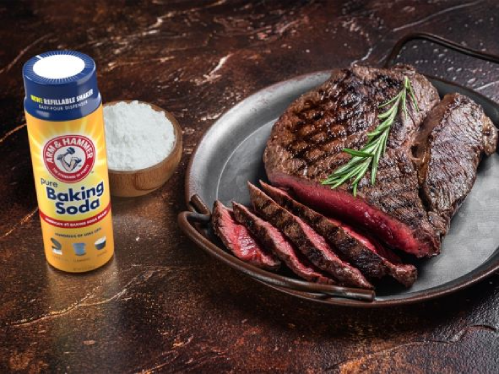
Baking soda raises the meat’s pH level. This change makes proteins harder to bond. As a result, the meat stays moist and tender during cooking.
To use baking soda, sprinkle a small amount on the meat. Let it sit for 15 to 30 minutes. Rinse the meat thoroughly before cooking to remove excess soda.
Salt And Marinades
Salt draws out moisture and breaks down proteins. This action helps soften the meat’s texture. Salt also enhances flavor when used correctly.
Marinades often contain acids like vinegar or citrus juice. These acids weaken muscle fibers, making meat tender. Combine salt and acidic ingredients for best results.
Commercial Meat Tenderizers
These products usually contain enzymes like papain or bromelain. Enzymes digest tough proteins and connective tissue. Sprinkle the tenderizer evenly and follow package instructions.
Do not overuse commercial tenderizers. Too much can make meat mushy. Use them carefully for a balanced, tender finish.
Physical Tenderization Methods
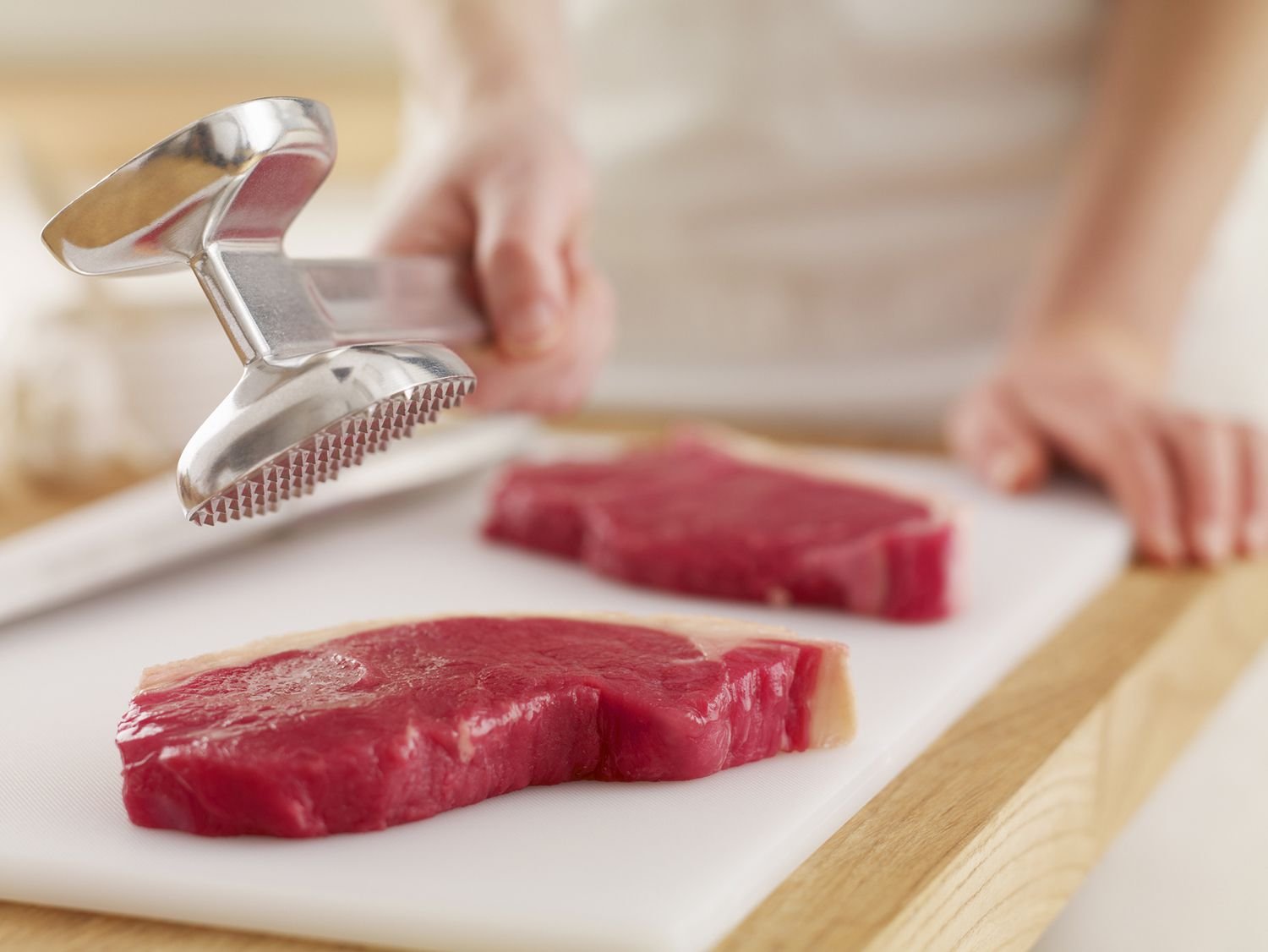
Physical tenderization methods soften meat by breaking down its tough fibers. These techniques improve texture and make chewing easier. They work well on thicker or leaner cuts of meat. Using tools or specific cutting patterns can help achieve better results quickly. Each method targets the meat’s structure differently, offering versatile options for home cooks.
Meat Mallet Pounding
A meat mallet is a tool designed for pounding meat. The flat or textured side crushes tough muscle fibers. This action makes the meat softer and more tender. Place meat on a cutting board and cover with plastic wrap. Pound gently but firmly to avoid tearing the meat. This method also helps meat cook evenly and faster.
Using A Jaccard Tenderizer
A Jaccard tenderizer has sharp needles that pierce the meat. It cuts through tough connective tissues without flattening the cut. Press the tool evenly across the meat’s surface on both sides. This creates small holes, which help marinades soak in better. The result is a tender, juicy piece of meat with improved flavor absorption.
Scoring And Slicing Techniques
Scoring involves making shallow cuts on the meat’s surface. Cut in a crosshatch pattern or parallel lines. This breaks up the outer fibers and allows heat to penetrate faster. Slicing meat thinly against the grain shortens muscle fibers. It makes the meat easier to chew and digest. Both methods enhance tenderness and improve cooking results.
:max_bytes(150000):strip_icc()/GettyImages-147205759-5bf72406c9e77c0051b36a11.jpg)
Credit: www.thespruceeats.com
Slow Cooking For Tough Cuts
Tough cuts of meat need gentle care to become tender. Slow cooking uses low heat over a long time. This method breaks down connective tissues and makes meat soft and juicy. It is perfect for cheaper, tougher cuts that can be dry or hard if cooked fast. Slow cooking keeps meat moist and full of flavor.
Braising Basics
Braising means cooking meat slowly in a small amount of liquid. The liquid can be broth, wine, or water. First, brown the meat to add flavor. Then, cover and cook it at low heat for hours. This softens the meat and mixes flavors deeply. Use a heavy pot or Dutch oven to keep heat steady. Braising works well for beef chuck, brisket, or pork shoulder.
Slow Roasting Tips
Slow roasting uses the oven at low temperatures, usually below 300°F. Place the meat on a rack to allow air to circulate. This method cooks the meat evenly and keeps it juicy. Use a meat thermometer to check the temperature. Slow roasting is great for roasts and large cuts. Let the meat rest after cooking to keep juices inside.
Using A Slow Cooker Effectively
A slow cooker is a simple tool for tenderizing meat with little effort. Add meat, vegetables, and some liquid to the pot. Set it on low heat for 6 to 8 hours. The slow cooker keeps a steady temperature and seals in moisture. It is perfect for busy days or meal prep. Avoid opening the lid too often to keep heat consistent.
Marinating For Flavor And Tenderness
Marinating meat enhances both flavor and tenderness. The marinade breaks down tough fibers. It also infuses taste deep into the meat. Different marinades use various ingredients to achieve this. Simple ingredients like acids, oils, and herbs work well. Proper marinating can transform a chewy cut into a juicy delight.
Acidic Marinades
Acidic ingredients soften meat by breaking down proteins. Common acids include vinegar, lemon juice, and yogurt. These acids tenderize by weakening muscle fibers. Use acidic marinades for tougher cuts like flank or skirt steak. Avoid marinating too long to prevent mushy texture. Usually, 30 minutes to 2 hours works best.
Oil And Herb Blends
Oils keep meat moist during cooking. Olive oil, vegetable oil, or sesame oil add richness. Herbs like rosemary, thyme, and garlic boost flavor. These blends do not tenderize as much as acids. They mainly enhance taste and help even cooking. Combine oil with herbs for balanced flavor and moisture.
Timing Your Marinade
Marinating time affects tenderness and taste. Short marinating times give mild flavor and slight tenderizing. Longer times allow deeper flavor and more tender meat. Tough cuts benefit from longer marinating, sometimes overnight. Delicate cuts like fish or chicken need only 15 to 30 minutes. Always refrigerate meat while marinating to stay safe.
Velveting Meat Chinese Style
Velveting meat is a classic Chinese technique that keeps meat tender and moist. It creates a smooth texture that feels soft in your mouth. This method works well for chicken, beef, and pork, especially in stir-fries. The secret lies in coating and briefly cooking the meat before adding it to the main dish.
Velveting meat helps lock in juices and prevents it from drying out. It also breaks down some proteins, making the meat more tender. Here are three popular velvet techniques used in Chinese cooking.
Baking Soda Velvet Technique
Baking soda raises the meat’s pH, loosening its proteins. Mix a small amount of baking soda with water and coat the meat. Let it sit for 15 to 20 minutes. Then rinse the meat well to remove excess soda. This simple step makes the meat very tender and soft.
Cornstarch And Egg White Coating
Mix cornstarch with egg white and a little water to create a smooth paste. Toss the meat in this mixture until fully coated. This coating seals in moisture during cooking. It also protects the meat from high heat, keeping it juicy and tender. This method works best for stir-fry dishes.
Quick Stir-fry Tips
After velveting, cook the meat quickly over high heat. Use a hot wok or skillet and stir constantly. Avoid overcooking, which makes meat tough again. Add vegetables and sauce at the right time for even cooking. This quick stir-fry locks in tenderness and flavor.
Resting Meat After Cooking
Resting meat after cooking is a crucial step to keep it juicy and tender. It allows the juices to redistribute evenly inside the meat. Skipping this step can cause the juices to spill out, making the meat dry and tough. Resting also helps the meat fibers relax, resulting in a better texture and easier chewing.
Why Resting Matters
During cooking, heat pushes juices toward the meat’s surface. Resting lets these juices move back inside. This keeps the meat moist and flavorful. Without resting, cutting the meat will cause the juices to leak out. The result is a dry and less tender bite. Resting also helps the meat finish cooking gently.
Proper Resting Times
Resting time depends on the meat size and thickness. Small cuts like steaks need 5 to 10 minutes. Larger roasts need 15 to 20 minutes or more. Resting too long may cool the meat too much. Use a warm place to rest meat and avoid rushing this step. Patience here improves tenderness and taste.
Covering And Temperature Tips
Cover meat loosely with foil while resting. This keeps heat in but stops the crust from getting soggy. Avoid wrapping tightly, as this traps steam and softens the surface. Rest meat in a warm spot, not in the fridge. Using a warm plate or cutting board can help keep temperature steady. Proper covering and warmth protect the meat’s texture and juiciness.
Credit: www.armandhammer.com
Using Dry Rubs To Soften Meat
Using dry rubs to soften meat offers a flavorful way to tenderize cuts before cooking. Dry rubs combine spices and salt to break down proteins and enhance taste. This method works well for steaks, ribs, and tougher cuts. It also adds a delicious crust after cooking.
Spice Combinations
Choose spices that complement the meat type. Common options include paprika, garlic powder, black pepper, and cumin. Sweet spices like brown sugar balance heat and add caramelization. Experiment with herbs like thyme or rosemary for extra aroma. Mix spices evenly for consistent flavor and tenderness.
Salt’s Role In Dry Rubs
Salt is key to tenderizing meat in dry rubs. It draws moisture to the surface, then reabsorbs it, carrying salt deep inside. This process breaks down muscle fibers, making meat softer. Use kosher salt or sea salt for best results. Avoid over-salting to keep meat juicy and not dry.
Applying Rubs Effectively
Pat meat dry before applying the rub to help it stick. Massage the rub firmly into the meat’s surface. Cover all sides for even seasoning and tenderizing. Let the meat rest in the fridge for at least one hour. For tougher cuts, leave it overnight to maximize tenderness and flavor.
Selecting The Right Cut For Tenderness
Selecting the right cut of meat plays a key role in achieving tenderness. Some cuts are naturally soft, while others need more effort to become tender. Choosing the right cut saves time and effort during cooking. It also improves the flavor and texture of your dish. Understanding which cuts are tender helps you pick the best meat for your recipe.
Identifying Tender Cuts
Tender cuts come from muscles that do less work. These include the loin, rib, and sirloin sections of beef. Meat from these areas has less connective tissue and fat. This makes it softer and easier to chew. Cuts like filet mignon, ribeye, and strip steak are naturally tender. They require little to no tenderizing before cooking.
Best Cuts For Tenderizing
Some cuts benefit from tenderizing methods. These cuts have more connective tissue or muscle activity. Examples include chuck, round, and brisket. These cuts are less tender but very flavorful. Tenderizing breaks down tough fibers and makes the meat softer. They work well with marinades, pounding, or slow cooking. Choosing these cuts allows you to create tender dishes with rich taste.
Avoiding Tough Meat Mistakes
Avoid cuts with too much connective tissue if you want tender meat quickly. Cuts like shank and flank can be tough and chewy. Cooking these cuts fast will result in hardness. Also, avoid very thin slices that dry out easily. Proper selection helps prevent wasting time and money. Knowing which cuts work best makes cooking easier and more enjoyable.
Tips For Grilling Tender Meat
Grilling meat to achieve tenderness requires more than just heat. It involves careful attention to temperature, timing, and resting. These factors work together to break down tough fibers and lock in juices. Following simple tips ensures juicy, tender meat every time you grill.
Temperature Control
Maintaining the right grill temperature is key to tender meat. High heat sears the outside, creating a flavorful crust. Lower heat cooks the meat gently inside, softening fibers without drying out. Use a grill thermometer to keep the temperature steady. Avoid sudden temperature changes that can toughen the meat.
Timing And Flipping
Cook meat for the correct amount of time to keep it tender. Flip the meat only once during grilling. Flipping too often prevents proper searing and causes juice loss. Use a timer or watch the clock to avoid overcooking. Thin cuts need less time, while thick cuts require longer, slower cooking.
Resting After Grilling
Rest the meat after removing it from the grill. Resting allows juices to redistribute inside the meat. Cover the meat loosely with foil and wait 5 to 10 minutes. Cutting too soon lets the juices escape, leading to dry meat. Proper resting improves tenderness and flavor with little effort.
Frequently Asked Questions
What Is The Quickest Way To Tenderize Meat?
The quickest way to tenderize meat is by using baking soda. Coat meat, let sit 15 minutes, then rinse and cook.
How Do The Chinese Get Their Meat So Tender?
Chinese cooks tenderize meat by using a baking soda marinade. This raises pH, loosening proteins for softness. They also use velveting—coating meat with cornstarch and egg whites before quick cooking—to lock in moisture and enhance tenderness.
What Do Chefs Tenderize Meat With?
Chefs tenderize meat using meat mallets, enzymatic tenderizers like papaya or pineapple, baking soda, and marinating with acidic ingredients.
What Is The Best Natural Tenderizer For Meat?
The best natural tenderizers for meat are pineapple, papaya, and kiwi. These fruits contain enzymes that break down proteins and soften meat effectively.
What Is The Fastest Way To Tenderize Meat?
Using baking soda is a quick method to tenderize meat. It softens the fibers in 15-30 minutes. Just rinse the meat well before cooking.
Conclusion
Tenderizing meat makes it softer and easier to chew. Simple methods like pounding or using natural tenderizers work well. Marinating meat can also help break down tough fibers. Cooking slowly at low heat improves tenderness in tough cuts. Choose the right technique based on your meat type and recipe.
With practice, you will enjoy juicier, tastier meals every time. Experiment with these tips to find what suits your taste best. Tender meat makes meals more enjoyable and satisfying. Keep these ideas handy for your next cooking adventure.
Read more: Best Kitchen Tools: Must-Have Gadgets for Every Home Chef