Your wooden cutting board is more than just a kitchen tool, it’s a trusted companion that helps you prepare delicious meals every day. Learning how to clean wood cutting board properly helps prevent bacteria, eliminate odors, and keep it in excellent condition for years. But if you don’t clean it the right way, it can become a breeding ground for bacteria and develop stubborn stains and odors.
You might be wondering, “How do I clean my wood cutting board properly without damaging it? ” This guide will show you simple, effective steps to keep your board spotless, fresh, and long-lasting. By following these easy tips, you’ll protect your health, preserve your board’s beauty, and make your cooking experience more enjoyable.
Keep reading to discover the best ways to clean, sanitize, and care for your wood cutting board.
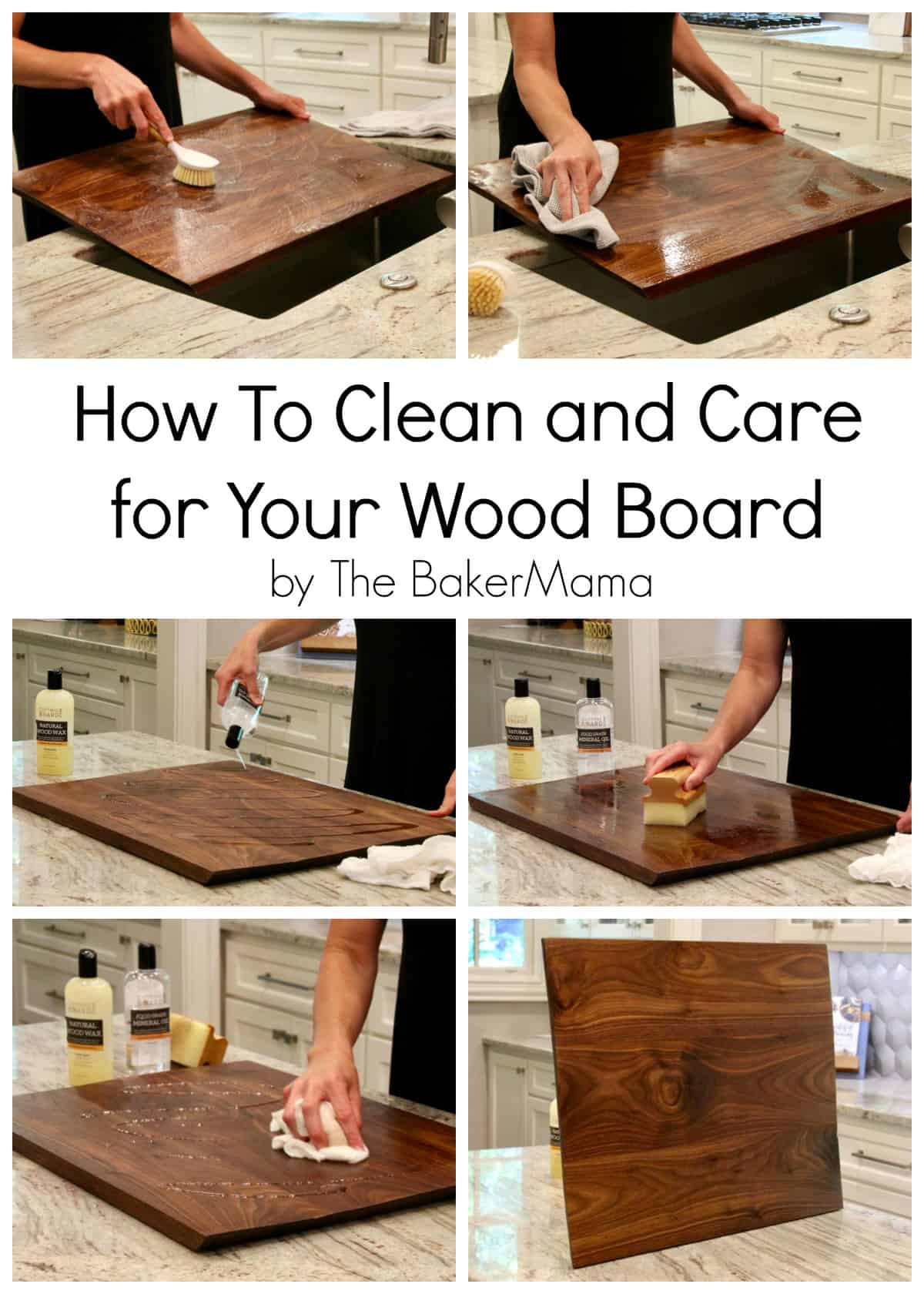
Credit: thebakermama.com
Daily Cleaning Steps
Daily cleaning keeps your wood cutting board safe and in good shape. Clean it after every use to stop germs and stains. This simple routine helps the board last longer and stay fresh.
Scrape Off Food Particles
Use a bench scraper or spatula to remove stuck-on food bits. This step prevents debris from sticking during washing. Scraping makes cleaning easier and more effective.
Wash Both Sides Thoroughly
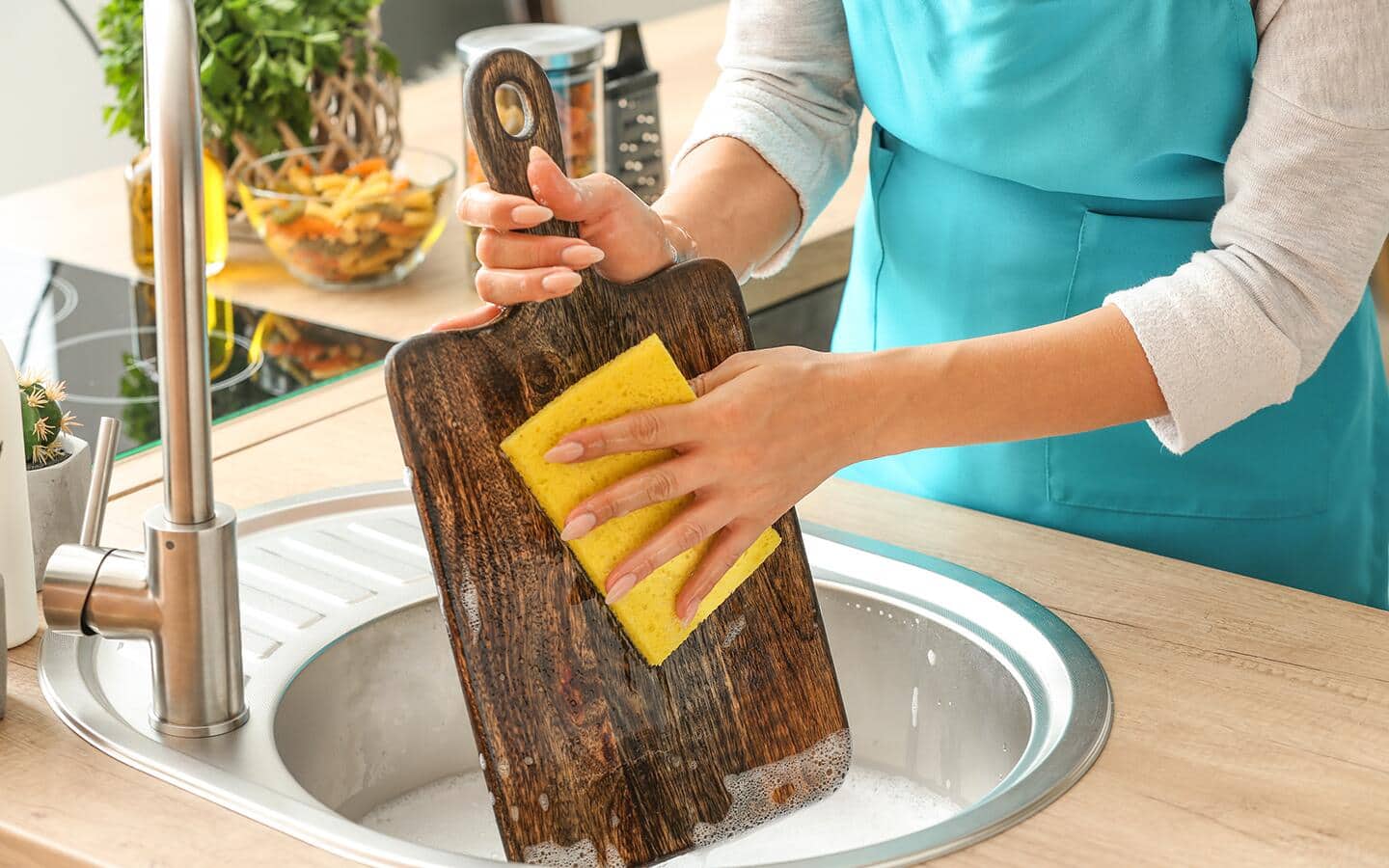
Scrub the board with warm water and mild dish soap. Use a soft sponge to clean all surfaces and edges well. Washing both sides stops warping by letting the wood swell evenly.
Rinse And Dry Properly
Rinse the board with clean water to remove soap. Wipe off extra water with a clean towel. Stand the board upright to air dry completely. This prevents water from pooling and damaging the wood.
Avoiding Water Damage
Wood cutting boards need special care to last long. Water can damage the wood by causing it to swell, crack, or warp. Avoiding water damage keeps your board strong and safe for food. Follow simple steps to protect your board from water harm.
Never Soak Your Wood Cutting Board
Soaking wood boards in water makes them absorb too much moisture. This causes the wood to swell and crack over time. Always clean your board quickly with a damp cloth or sponge. Do not leave it in water after washing.
Wash Both Sides Evenly
Washing only one side can cause uneven swelling. This leads to warping and splitting. Clean both sides of your board with warm, soapy water. Scrub gently and rinse well to remove all soap.
Dry Upright And Air Circulate
After washing, wipe the board with a dry towel. Stand it upright to dry completely on both sides. Good air flow prevents moisture from staying trapped. Avoid laying the board flat on the counter to stop water pooling.
Avoid Dishwashers And High Heat
Dishwashers use hot water and steam that damage wood. Heat dries out the board and causes cracks. Always wash by hand and dry naturally. Keep your board away from direct heat sources like stoves or sunlight.
Removing Stains And Odors
Removing stains and odors from a wood cutting board keeps it fresh and safe for food. Wood can absorb colors and smells from foods like beets, garlic, or onions. These stains and odors can linger if not treated properly. Proper cleaning restores the board’s appearance and prevents unwanted flavors in your meals.
Simple household items work well to remove tough stains and odors. These methods are gentle on wood and help maintain its natural beauty. Follow these easy steps to refresh your cutting board quickly.
Cleaning Stains With Lemon And Salt
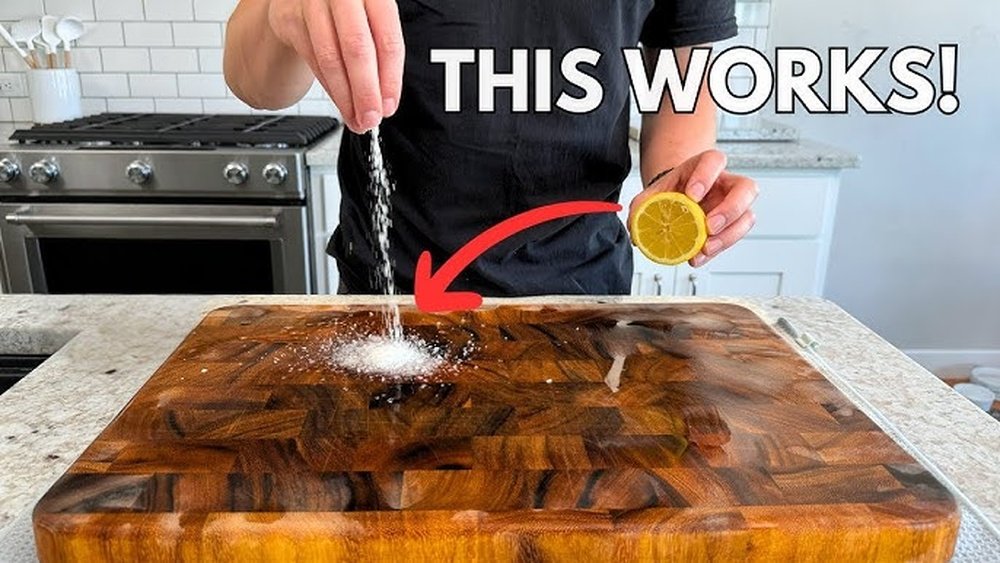
Sprinkle coarse salt over the stained areas of the board. Cut a lemon in half and rub it over the salt. The lemon juice and salt work together to lift stains and brighten the wood. Let it sit for five minutes, then rinse with warm water. Dry the board well before storing it.
Using Baking Soda To Remove Odors
Make a paste using baking soda and water. Spread the paste on the board’s surface and let it sit for 10 minutes. Baking soda absorbs odors and helps break down residue. Rinse the board thoroughly with warm water. Dry the board completely to avoid moisture damage.
Applying White Vinegar For Disinfection
Spray or wipe white vinegar onto the board’s surface. Vinegar kills bacteria and neutralizes smells. Let the vinegar sit for a few minutes, then rinse with water. Wipe the board dry with a clean towel. Vinegar is a natural, safe way to sanitize wood cutting boards.
Salt And Lemon Scrub Method
The salt and lemon scrub method is a natural way to clean wood cutting boards deeply. It removes stains, odors, and bacteria without harsh chemicals. This method uses the abrasive texture of salt and the natural acidity of lemon. Both ingredients work together to refresh your cutting board safely.
This simple cleaning trick brightens the wood and keeps it smelling fresh. It is easy to do and uses items found in most kitchens. Perfect for maintaining your board’s hygiene and appearance.
Preparing Your Cutting Board
Start by rinsing the board with warm water. Remove any food scraps or debris using a brush or cloth. Make sure the board is damp but not soaked before applying the scrub.
Applying Salt And Lemon
Sprinkle coarse salt generously over the entire surface of the board. Cut a fresh lemon in half and press it onto the salt. Rub the lemon in circular motions to spread the salt and juice. This scrubbing action helps lift stains and kill bacteria.
Letting It Sit
Allow the salt and lemon mixture to sit on the board for 5 to 10 minutes. This resting time lets the acidity break down grime and neutralize odors. Avoid letting the board dry completely during this step.
Rinsing And Drying
Rinse the board thoroughly with warm water to remove all salt and lemon residue. Wipe the board with a clean towel to remove excess moisture. Stand the board upright to air dry fully, preventing warping or cracking.
Sanitizing Your Board
Sanitizing your wood cutting board is essential for safe food preparation. It kills harmful bacteria and keeps your board hygienic. Regular cleaning removes dirt, but sanitizing goes a step further to protect your family.
Wood is naturally porous, so bacteria can hide in tiny cracks. Using the right methods ensures these germs do not survive. You can sanitize your board with simple household items that work well and are safe for wood.
Using White Vinegar To Sanitize
White vinegar is a natural disinfectant. Spray or wipe your board with undiluted vinegar. Let it sit for a few minutes to kill bacteria. Rinse with warm water and dry the board completely. Vinegar also helps remove odors without damaging the wood.
Applying Hydrogen Peroxide
Hydrogen peroxide is another safe sanitizer. Pour 3% hydrogen peroxide over the board surface. Spread it evenly and wait for five minutes. This method kills germs effectively. Rinse well and dry your board after treatment to avoid moisture damage.
Salt And Lemon For Extra Cleaning
Coarse salt and lemon juice create a natural scrub. Sprinkle salt over the board, then rub with a lemon half. The salt scrubs away bacteria and stains. Lemon acts as a mild bleach and leaves a fresh scent. Rinse with warm water and dry thoroughly afterward.
Credit: www.homedepot.com
Drying Techniques
Drying your wood cutting board properly helps keep it in good shape. Moisture left in the wood can cause warping, cracking, or mold growth. Drying also stops bacteria from growing. Follow these simple drying steps to extend your board’s life and keep it safe.
Air Drying Upright
After washing, wipe the board with a clean towel. Stand it upright on its side. This allows air to circulate around the board. Both sides dry evenly. Avoid laying the board flat to prevent moisture from getting trapped underneath. Keep it in a well-ventilated area.
Using A Dry Towel
Pat the board dry immediately after rinsing. Use a soft, absorbent towel to remove surface water. This helps speed up the drying process. Make sure to dry all edges and corners. Do not rub too hard, as it can damage the wood surface.
Avoiding Direct Heat
Never dry your wood cutting board with direct heat. Avoid placing it near radiators or using a hair dryer. High heat can cause the wood to crack or warp. Let the board dry naturally at room temperature. Patience keeps your board safe and sturdy.
Oiling And Conditioning
Oiling and conditioning a wood cutting board keeps it strong and safe for food. Wood can dry out and crack without care. Applying oil helps keep moisture in the board and stops it from splitting. Conditioning also creates a smooth surface, making cleaning easier and preventing bacteria buildup.
Use food-grade mineral oil for best results. Avoid vegetable or olive oils, which can turn rancid and smell bad. Oil your board regularly, about once a month or whenever it looks dry. This simple step extends the life of your cutting board and keeps it looking new.
How To Apply Oil To Your Wood Cutting Board
Start with a clean, dry board. Pour a small amount of mineral oil onto the surface. Use a soft cloth or paper towel to spread the oil evenly. Rub the oil into all sides, including edges. Let the oil soak in for at least a few hours or overnight for best absorption. Wipe off any extra oil before using the board.
Conditioning Your Board With A Wax Finish
Conditioning involves applying a wax and oil blend to protect the wood. This creates a barrier against moisture and stains. After oiling, apply a small amount of beeswax or a specialized board conditioner. Rub it in with a cloth until the surface feels smooth and slightly shiny. Buff off any excess wax to avoid a sticky finish.
Signs Your Board Needs Oiling Or Conditioning
Look for dull or dry spots on the wood. If the board feels rough or has small cracks, it needs oiling. Water soaking in quickly is another sign. Regular oiling keeps the board sealed and less likely to absorb liquids. Conditioning helps repair minor damage and keeps the surface smooth.
Preventing Warping And Cracks
Wood cutting boards are sensitive to moisture changes. Preventing warping and cracks keeps your board strong and long-lasting. Proper care controls how wood absorbs and releases water. This reduces damage and preserves the board’s shape.
Wash Both Sides Evenly
Cleaning both sides of the board is essential. Scrub with warm, soapy water after each use. This helps the wood swell evenly. Uneven moisture causes one side to expand more. That leads to warping and cracks.
Dry Upright And Thoroughly
After washing, dry the board well with a towel. Stand it upright to air dry completely. Laying the board flat traps moisture underneath. This encourages warping and mold growth. Allowing both sides to dry stops damage.
Avoid Soaking And Dishwashers
Never soak your wood cutting board in water. Prolonged exposure swells the wood fibers too much. Dishwashers use hot water and strong detergents. These break down wood and cause cracks. Hand wash and dry to protect your board.
Apply Oil Regularly
Use food-safe mineral oil on your board often. Oil soaks into the wood and seals it. It stops water from entering the fibers. This prevents drying and cracking. Oiling also keeps the board looking fresh and smooth.
Common Mistakes To Avoid
Avoid soaking wood boards in water or using a dishwasher, as this causes cracking and warping. Skipping drying or only washing one side can lead to mold and damage. Harsh cleaners may strip the wood’s natural oils, making it less durable.
Cleaning a wood cutting board may seem simple, but many make common errors. These mistakes can damage the board or reduce its lifespan. Avoiding them helps keep your board safe and clean.
Wood is porous and needs special care. Using wrong methods can cause cracks, warping, or bacteria growth. Learn what not to do to maintain your board’s quality.
Using Too Much Water
Soaking or flooding your wood board causes it to absorb water. This leads to swelling and warping. Instead, wash quickly with a damp cloth or sponge. Dry the board immediately to keep it in good shape.
Placing Wood Board In Dishwasher
Dishwashers use high heat and strong detergents. These damage the wood fibers and finish. Avoid placing your wooden cutting board in the dishwasher. Hand washing is always safer and more effective.
Skipping Regular Oiling
Wood needs oil to stay moisturized and protected. Skipping oiling causes the board to dry out and crack. Apply mineral oil or a food-safe conditioner every few weeks. This keeps the board smooth and prevents damage.
Not Cleaning Both Sides
Only cleaning one side leaves the other side damp. This uneven moisture causes the board to warp. Wash both sides and edges carefully. This balances swelling and drying, preserving the board’s shape.
Using Harsh Chemicals Or Bleach
Strong cleaners can harm the wood and leave harmful residues. Bleach breaks down wood fibers and affects taste. Use mild dish soap or natural cleaners like vinegar. These clean well without damage.
Ignoring Deep Cleaning And Deodorizing
Surface cleaning misses deep stains and odors. Skipping deep cleaning lets bacteria grow inside the wood. Use salt and lemon or baking soda for deep cleaning. This removes stains and keeps the board fresh.
Choosing The Right Cleaning Products
Choosing the right cleaning products for your wood cutting board protects its surface and extends its life. The wrong products can damage wood or leave harmful residues. Use gentle, natural cleaners that kill bacteria without harming the board. Avoid harsh chemicals or bleach that can dry out or crack the wood.
Stick to mild dish soap and warm water for daily cleaning. These are effective and safe for wood. For deeper cleaning, natural ingredients like vinegar or baking soda work well. They remove stains and odors without harming the wood’s texture.
Use Mild Dish Soap
Mild dish soap cleans dirt and food particles gently. Mix with warm water to create a safe cleaning solution. Avoid soaps with added moisturizers or strong fragrances. These can leave a film on the wood and affect its natural finish.
Try White Vinegar For Disinfection
White vinegar is a natural disinfectant that kills bacteria. Dilute it with water before use. Spray or wipe the solution on the board and let it sit for a few minutes. Rinse with water and dry well. Vinegar helps remove odors too.
Use Baking Soda For Stains And Odors
Baking soda removes tough stains and neutralizes smells. Sprinkle it on the board and scrub gently with a damp sponge. Rinse thoroughly afterward. Baking soda is safe and does not harm wood fibers.
Avoid Harsh Chemicals And Bleach
Harsh chemicals can strip wood of its natural oils. Bleach weakens wood fibers and may cause cracking. These products are not safe for food-contact surfaces. Always choose natural or mild cleaning products instead.
Select Food-safe Mineral Oil
After cleaning, apply food-safe mineral oil to protect the wood. It keeps the board from drying out and cracking. Avoid vegetable or olive oils as they can go rancid and smell bad. Mineral oil is odorless and safe for kitchen use.
Frequently Asked Questions
Is Dawn Dish Soap Safe For Wood Cutting Boards?
Yes, Dawn dish soap is safe for wood cutting boards. Use mild soap and warm water to clean, then dry thoroughly to prevent damage. Avoid soaking or dishwasher use.
What Do Chefs Use To Clean Cutting Boards?
Chefs clean cutting boards using warm, soapy water and scrub both sides. For deep cleaning, they use coarse salt and lemon. They rinse thoroughly, dry upright, and regularly condition with food-grade mineral oil or beeswax to maintain the wood.
How Sanitary Are Wood Cutting Boards?
Wood cutting boards are sanitary when cleaned properly with warm, soapy water and dried thoroughly. Regular salt and lemon scrubs help remove bacteria and odors. Avoid soaking or using dishwashers. Conditioning with mineral oil prevents cracks, keeping boards hygienic and durable for safe food preparation.
Does Vinegar Disinfect Wood Cutting Board?
Vinegar can help reduce bacteria on wood cutting boards but does not fully disinfect them. Use soap and hot water for better cleaning.
How Do I Properly Clean A Wood Cutting Board?
Use warm, soapy water and a sponge to scrub both sides of the board. Rinse well, towel dry, and stand it upright to air dry completely.
Conclusion
Cleaning your wood cutting board regularly keeps it safe and lasting longer. Use warm, soapy water and scrub both sides well. Always dry it standing up to avoid warping. Treat stains and smells with salt and lemon for freshness. Avoid soaking or using harsh chemicals to protect the wood.
With simple care, your cutting board stays clean and strong. A well-maintained board makes food prep easier and safer every time. Keep these steps in mind for a healthy kitchen tool.
Read more: Best Kitchen Tools: Must-Have Gadgets for Every Home Chef